Climbing Carabiners & Quickdraw


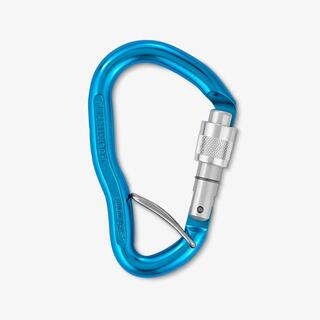


Unlock New Heights with Decathlon's Climbing Carabiners and Quickdraws
Climbing is an exhilarating adventure that demands unwavering trust in your equipment. At Decathlon, we understand the paramount importance of safety and reliability when it comes to carabiners and quickdraws – the essential links that connect you to the rock face. Our collection is meticulously curated to provide you with the best gear, ensuring your ascent is as secure as it is thrilling.
Whether you're a seasoned climber or just starting your vertical journey, our carabiners and quickdraws are designed to meet the highest standards of quality and performance. From lightweight options for sport climbing to heavy-duty models built for big-wall adventures, we have something for every climbing discipline and skill level.
Carabiners: The Versatile Connectors
Carabiners are the unsung heroes of climbing, serving as the vital links that connect your rope, protection, and gear. At Decathlon, we offer a wide range of carabiners crafted from high-quality materials like aluminum alloy and stainless steel, ensuring exceptional strength and durability.
Our selection includes both non-locking and locking carabiners, each designed for specific applications. Non-locking carabiners are ideal for situations where weight and ease of use are priorities, while locking carabiners provide an extra layer of security, preventing accidental gate openings during critical moments.
Quickdraws: Extending Your Reach
Quickdraws are the essential companions to carabiners, allowing you to efficiently clip your rope to protection points on the rock face. Our quickdraws are engineered to be lightweight yet robust, featuring durable slings and carabiners that can withstand the rigors of repeated falls and abrasion.
Whether you prefer straight gate or bent gate carabiners, we have quickdraws to suit your preferences. Our collection includes options with varying sling lengths and materials, ensuring you can find the perfect fit for your climbing style and the routes you tackle.
Expert Tips: Choosing the Right Carabiners and Quickdraws
When selecting carabiners and quickdraws, it's crucial to consider the type of climbing you'll be doing, as well as the environmental conditions you'll face. For sport climbing, lightweight and compact options are ideal, while trad climbing and multi-pitch routes may require more robust and durable gear.
Pay attention to gate opening mechanisms, as they can impact ease of use and security. Straight gate carabiners are generally easier to clip, while bent gate models offer added gate security. Additionally, consider the carabiner's shape and size, as they can affect rope drag and compatibility with other gear.
Maintenance and Inspection
Proper maintenance and regular inspection are essential for ensuring the longevity and safety of your carabiners and quickdraws. At Decathlon, we recommend thoroughly inspecting your gear before and after each use, looking for signs of wear, cracks, or deformation.
Retire any equipment that shows significant wear or damage, as even minor flaws can compromise its strength and reliability. Additionally, keep your gear clean and dry, and avoid exposing it to harsh chemicals or excessive heat, which can degrade the materials over time.
Trusted Quality from Decathlon
At Decathlon, we take pride in offering high-quality climbing gear that meets or exceeds industry standards. Our carabiners and quickdraws are rigorously tested and certified to ensure they can withstand the demands of even the most challenging climbs.
By choosing Decathlon, you can rest assured that you're investing in equipment designed with your safety and performance in mind. Our commitment to affordability means you can outfit yourself with top-notch gear without breaking the bank, allowing you to focus on pushing your limits and enjoying the thrill of the climb.
Explore the Full Collection
At Decathlon, our collection of carabiners and quickdraws is just the beginning. We offer a comprehensive range of climbing gear, from harnesses and ropes to chalk bags and crash pads, ensuring you have everything you need to tackle any climbing challenge with confidence.
Whether you're a seasoned pro or just starting your climbing journey, our knowledgeable staff is always on hand to provide expert advice and guidance, helping you select the right gear for your needs and skill level. Visit our website or your nearest Decathlon store to explore our full collection and experience the Decathlon difference.
FAQ (Frequently Asked Questions)
Q1. What is the difference between locking and non-locking carabiners?
Locking carabiners feature a gate-locking mechanism that prevents accidental gate openings, providing an extra layer of security. Non-locking carabiners do not have this feature and are generally lighter and easier to use, but may not be suitable for certain critical applications.
Q2. How often should I replace my carabiners and quickdraws?
The lifespan of carabiners and quickdraws depends on various factors, including usage frequency, exposure to harsh environments, and proper maintenance. As a general guideline, it's recommended to retire gear that shows significant wear or damage, even if it hasn't reached its theoretical lifespan.
Q3. Can I use my climbing carabiners for other activities, like hiking or camping?
While climbing carabiners are designed for vertical applications, they can be used for other activities like hiking or camping, provided they are not subjected to excessive loads or falls. However, it's important to inspect them regularly and retire any damaged or worn gear.
Q4. What is the difference between straight gate and bent gate carabiners?
Straight gate carabiners have a gate that opens along the same plane as the carabiner's spine, making them easier to clip but potentially less secure. Bent gate carabiners have a gate that opens at an angle, providing added gate security but potentially being more difficult to clip.
Q5. Can I mix and match different brands of carabiners and quickdraws?
While it is generally safe to mix and match carabiners and quickdraws from different brands, it's important to ensure compatibility in terms of size, gate opening mechanisms, and overall design. Consulting with an experienced climber or retailer can help ensure proper compatibility.
Q6. How do I properly clean and maintain my carabiners and quickdraws?
To clean your carabiners and quickdraws, use a mild soap and water solution, avoiding harsh chemicals or solvents. Rinse thoroughly and allow them to dry completely before storing. Regularly inspect for signs of wear, cracks, or deformation, and retire any damaged gear immediately.
Q7. What are the different materials used in carabiner construction?
Carabiners are typically constructed from aluminum alloys or stainless steel. Aluminum carabiners are lightweight but may be more susceptible to wear and corrosion, while stainless steel carabiners are heavier but more durable and resistant to corrosion.
Q8. Can I use my carabiners and quickdraws for activities other than climbing?
While carabiners and quickdraws are primarily designed for climbing, they can be used for other activities that require secure connections, such as rescue operations or certain industrial applications. However, it's important to follow proper safety guidelines and load ratings for the intended use.
Q9. How do I properly store my carabiners and quickdraws when not in use?
When not in use, store your carabiners and quickdraws in a cool, dry place, away from direct sunlight and harsh chemicals. Avoid exposing them to excessive heat or moisture, as this can degrade the materials over time. Consider using a dedicated gear storage bag or container to keep them organized and protected.
Q10. Can I use my carabiners and quickdraws for indoor climbing or bouldering?
Yes, carabiners and quickdraws can be used for indoor climbing and bouldering, provided they are properly inspected and maintained. However, it's important to follow the guidelines and safety protocols set by the climbing facility, as they may have specific requirements or restrictions regarding the use of personal gear.