Bouldering





Unleash Your Climbing Potential with Bouldering
Bouldering, the purest form of rock climbing, has captivated adventurers and fitness enthusiasts alike. With no ropes or harnesses, it's a test of strength, technique, and problem-solving skills. At Decathlon, we understand the thrill of conquering challenging boulder problems and have curated a comprehensive collection to fuel your passion.
Our bouldering range caters to climbers of all levels, from beginners embarking on their first ascent to seasoned pros seeking their next project. Explore our selection of crash pads, designed to cushion falls and protect you during those daring attempts. Crafted with high-quality materials and innovative features, these pads strike the perfect balance between safety and portability.
Gear Up for the Challenge
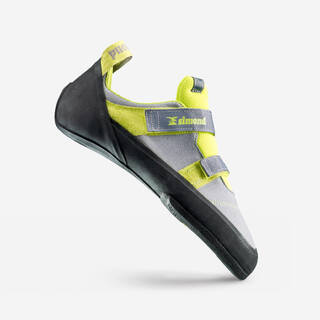
Bouldering demands specialized gear, and Decathlon has you covered. Our climbing shoes, engineered for maximum friction and precision, will keep you firmly planted on the smallest holds. Choose from an array of styles and designs tailored to different climbing disciplines, ensuring a perfect fit and optimal performance.
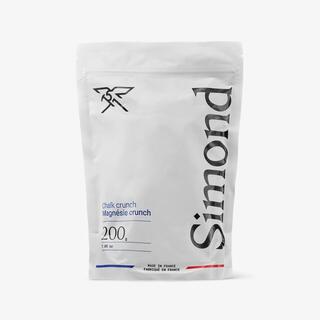
Complement your setup with our chalk bags and chalk, essential for maintaining a secure grip on even the most challenging routes. Our chalk bags come in various sizes and designs, allowing you to find the perfect match for your climbing style and preferences.
Train Like a Pro
To excel at bouldering, training is key. Decathlon offers a range of training equipment to help you hone your skills and build strength. From fingerboards and hangboards to campus boards and training rings, our selection will challenge you to push your limits and refine your technique.
For those seeking a full-body workout, our bouldering-specific training programs and instructional materials provide expert guidance. Developed in collaboration with professional climbers, these resources will help you unlock your full potential and climb with confidence.
Expert Tips: Choosing the Right Gear
When it comes to bouldering gear, making the right choices is crucial. Here are some expert tips to help you select the perfect equipment:
- Crash Pads: Consider the thickness, foam density, and landing zone size based on the difficulty of the problems you'll be attempting and the potential fall heights.
- Climbing Shoes: Opt for shoes with a snug fit, sticky rubber soles, and a downturned shape for optimal edging and smearing performance on small holds.
- Chalk and Chalk Bags: Look for chalk that provides excellent moisture absorption and chalk bags with a secure closure to prevent spills and keep your hands dry.
Maintain Your Gear for Longevity
Proper maintenance is key to ensuring the longevity and performance of your bouldering gear. Here are some tips to keep your equipment in top condition:
- Crash Pads: Regularly clean and air out your crash pads to prevent moisture buildup and odors. Inspect for any tears or wear and repair them promptly.
- Climbing Shoes: After each session, remove any dirt or debris from the soles and allow them to dry completely before storing. Avoid exposing them to excessive heat or direct sunlight.
- Chalk and Chalk Bags: Regularly empty and clean your chalk bags to prevent chalk buildup. Store your chalk in a dry, airtight container to maintain its effectiveness.
Embrace the Community
Bouldering is more than just a physical pursuit; it's a vibrant community of like-minded individuals who share a passion for the sport. At Decathlon, we celebrate this community spirit and strive to create an inclusive environment for climbers of all backgrounds and skill levels.
Join our in-store events, clinics, and workshops to connect with fellow enthusiasts, learn from experienced coaches, and exchange tips and techniques. Discover new climbing areas, share beta, and forge lasting friendships with those who share your love for the vertical world.
Sustainable Climbing
At Decathlon, we are committed to promoting sustainable practices in the outdoor community. Our bouldering range includes eco-friendly options made from recycled materials, ensuring you can pursue your passion while minimizing your environmental impact.
We also encourage responsible climbing practices, such as respecting natural areas, minimizing chalk use, and practicing Leave No Trace principles. Together, we can preserve the beauty of our climbing destinations for generations to come.
FAQ (Frequently Asked Questions)
Q1. What is the difference between bouldering and rock climbing?
Bouldering is a form of rock climbing that takes place on smaller rock formations or artificial walls, typically without the use of ropes or harnesses. The emphasis is on solving challenging sequences of moves over short distances, often with crash pads to protect against falls. Rock climbing, on the other hand, involves longer routes and the use of ropes and harnesses for safety.
Q2. Do I need any prior experience to start bouldering?
No prior experience is necessary to start bouldering. It's a great way for beginners to learn the basics of climbing in a controlled environment. However, it's recommended to seek guidance from experienced climbers or instructors to learn proper techniques and safety practices.
Q3. What are the essential pieces of bouldering gear?
The essential bouldering gear includes climbing shoes, chalk and chalk bags, crash pads, and potentially a brush for cleaning holds. Comfortable and breathable clothing that allows for unrestricted movement is also recommended.
Q4. How do I choose the right crash pad?
When choosing a crash pad, consider the thickness, foam density, and landing zone size based on the difficulty of the problems you'll be attempting and the potential fall heights. Thicker pads with high-density foam offer better protection for higher falls, while thinner pads are more portable for shorter sessions.
Q5. Can I use regular sneakers for bouldering?
While it's possible to boulder in regular sneakers, it's not recommended. Climbing shoes are designed with sticky rubber soles and a snug fit to provide better friction and precision on small holds, which is essential for bouldering.
Q6. How do I prevent injuries while bouldering?
To prevent injuries while bouldering, always warm up properly, use proper technique, and don't push beyond your limits. Invest in quality crash pads and spotters for protection during falls. Listen to your body and take breaks when needed to avoid overuse injuries.
Q7. Can I boulder indoors or outdoors?
Bouldering can be enjoyed both indoors and outdoors. Indoor climbing gyms offer controlled environments with artificial walls and padding, while outdoor bouldering allows you to experience natural rock formations in scenic settings. Both options provide unique challenges and experiences.
Q8. How do I progress in bouldering?
To progress in bouldering, consistently practice and challenge yourself with harder problems. Incorporate strength training, technique drills, and flexibility exercises into your routine. Seek guidance from experienced climbers or coaches, and analyze your movements to identify areas for improvement.
Q9. Can bouldering be a full-body workout?
Absolutely! Bouldering is an excellent full-body workout that engages your arms, legs, core, and even your fingers. It combines strength, power, endurance, and flexibility, making it a comprehensive and challenging form of exercise.
Q10. How can I find bouldering communities or groups near me?
Many climbing gyms and outdoor retailers host bouldering meetups or clubs where you can connect with fellow enthusiasts. Additionally, online forums, social media groups, and local climbing organizations can help you find and join bouldering communities in your area.