Adult Light Sleeping Bag

Filters (1)
Exclude out of stock


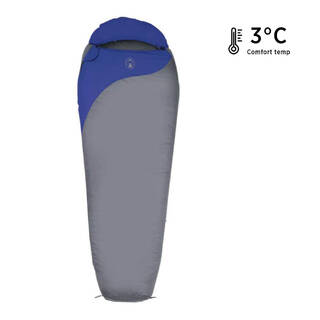
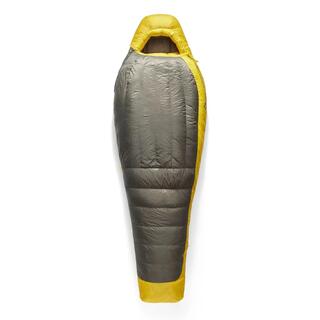
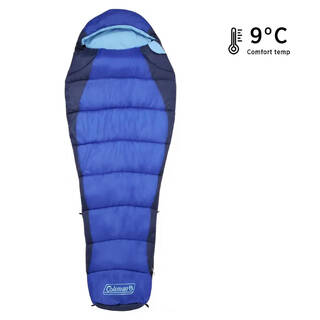
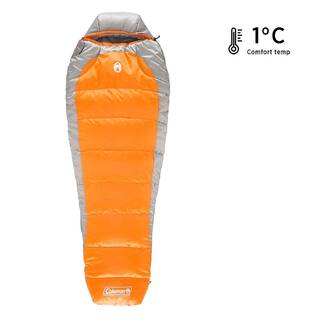
Buy Adult Sleeping Bags Online at Decathlon
A good sleeping bag is not optional gear. It is survival equipment. Whether you camp in the Sahyadris during monsoon or trek to Sandakphu in December, your sleeping bag determines if you sleep warm or shiver through the night. At Decathlon, we stock sleeping bags for adults designed for real Indian conditions: humid coastal camps, high-altitude cold, and everything between.
Our range covers temperature ratings from 20°C down to 0°C. That means options for weekend campers in Maharashtra and serious trekkers heading to Roopkund or Hampta Pass. We use two sub-brands here. Quechua handles leisure camping and moderate-altitude trips. Forclaz takes over for technical treks and winter expeditions. Both deliver reliable warmth without the markup you see elsewhere.
You can buy sleeping bags online from us with clear temperature ratings, accurate weight specs, and honest pack sizes. No guesswork. No vague 'suitable for winter' labels. Just Comfort Temperature, Limit Temperature, and Extreme ratings based on EN 13537 testing standards. You know exactly what you are getting before you click 'Add to Cart'.
Understanding Temperature Ratings: Comfort vs Limit
Temperature ratings confuse many first-time buyers. Here is the breakdown. Comfort Temperature is the lowest temp at which an average woman sleeps comfortably without waking up cold. Limit Temperature is the lowest temp at which an average man can sleep for eight hours without discomfort. Extreme Temperature is survival mode, not sleep mode.
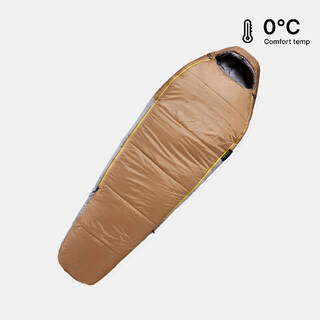
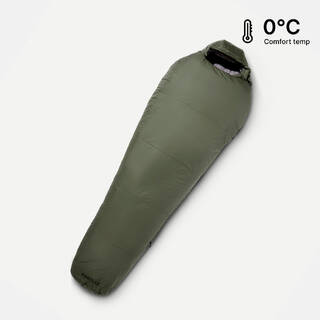
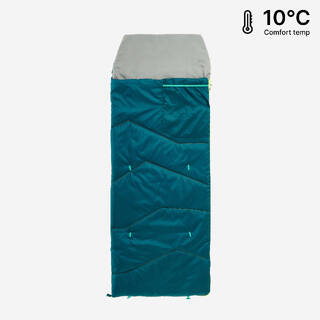
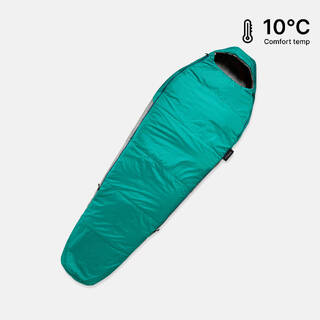
For example, a 10 degree sleeping bag with a Comfort rating of 10°C works well for spring treks in Himachal or autumn camps in Uttarakhand. If you run cold or plan to sleep in just base layers, pick a bag rated 5°C lower than the coldest night you expect. A 0 degree sleeping bag handles sub-zero nights at places like Kedarkantha or Brahmatal in January and February.
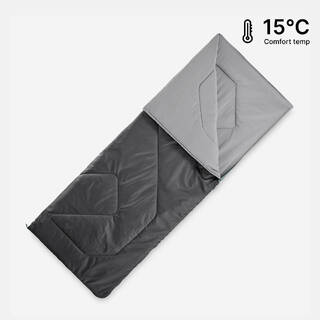
Do not trust vague 'winter sleeping bag' claims. Check the actual Comfort and Limit numbers. A 15 degree sleeping bag is perfect for Coorg or Munnar in December but will leave you freezing at 3,500 metres in the Himalayas. Match the rating to your destination and season. That is the only rule that matters.
Mummy Sleeping Bag vs Rectangular Sleeping Bag: Which Shape Fits Your Trip?
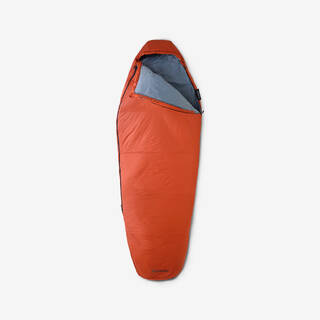
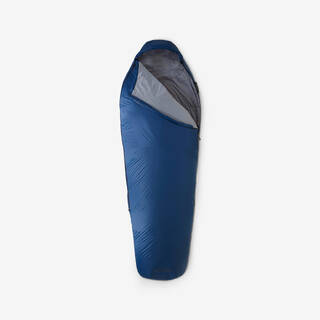
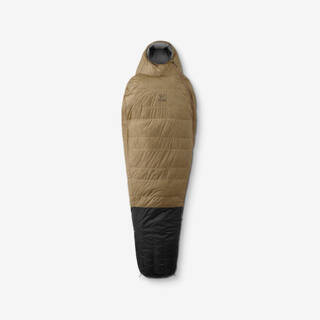
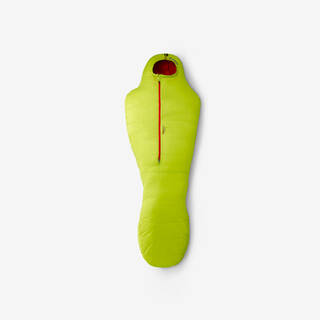
Shape affects warmth and comfort. A mummy sleeping bag tapers from shoulders to feet. This snug fit traps heat efficiently and packs smaller. Ideal for trekking where every gram counts. Most Forclaz models use this design. You get better thermal efficiency and a compact carry bag that fits inside a 50-litre rucksack.
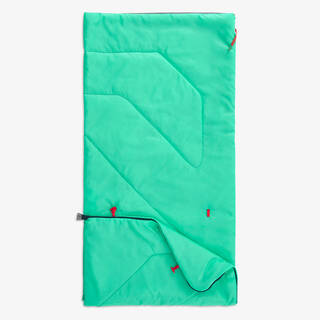
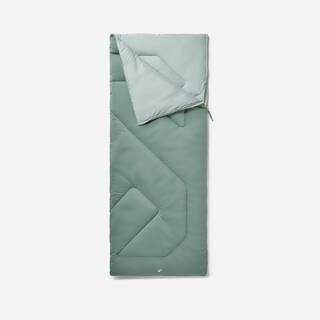
A rectangular sleeping bag offers more room to move. You can sleep on your side, shift positions, and even unzip it fully to use as a blanket. Quechua camping bags often use this shape. Great for car camping, base camps, or anyone who feels claustrophobic in tight mummy bags. The trade-off is slightly more weight and bulk.
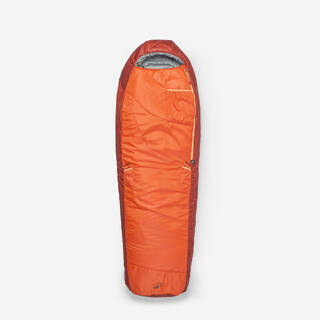
Some of our sleeping bags feature semi-rectangular cuts. These split the difference: roomier than a mummy but warmer than a full rectangle. If you plan to zip two bags together for a double setup, check that both models have compatible zippers. Not all Decathlon sleeping bags pair this way, so verify before buying.
Synthetic vs Down Sleeping Bags: Material Matters in Indian Conditions
Insulation type changes everything. Synthetic sleeping bags use polyester fill. They dry faster, handle moisture better, and cost less. Perfect for monsoon treks in the Western Ghats or humid camps near rivers. Even if your bag gets damp from condensation inside the tent, it still insulates reasonably well.
Down sleeping bags use duck or goose down. They pack smaller, weigh less, and offer better warmth-to-weight ratios. A 900g down bag can match the warmth of a 1,400g synthetic model. But down loses insulation when wet. In dry, cold environments like Ladakh or Spiti, down wins. In wet or unpredictable weather, synthetic is safer.
Most of our range uses synthetic fill because Indian trekking involves varied conditions. You might start in humid forests and end up at alpine meadows. Synthetic insulation handles that variability without drama. For ultralight enthusiasts doing dry-season Himalayan routes, we do stock a few down options under the Forclaz line.
Lightweight Sleeping Bags for Trekking: Pack Weight and Compression
Weight matters when you carry your shelter on your back. A lightweight sleeping bag for trekking should weigh between 850g and 1,200g for a Comfort rating of 5°C to 10°C. Anything heavier becomes a burden on multi-day treks. Check the packed dimensions too. A good trekking bag compresses to around 25cm x 18cm, fitting neatly at the bottom of your rucksack.
Our Forclaz trekking bags prioritize packability. They come with compression straps on the stuff sack. Cinch them down and you save another 20% volume. For a winter trek sleeping bag rated to 0°C, expect weights around 1,300g to 1,500g. That extra insulation adds grams, but you need it above 3,000 metres in December and January.
Do not obsess over shaving 50g if it means sacrificing warmth. A cold night ruins the next day's trek. Better to carry an extra 200g and sleep soundly. That said, avoid bulky rectangular bags for serious trekking. Save those for car camping where weight is irrelevant.
Camping Sleeping Bags for Leisure and Family Trips
Not every trip demands ultralight gear. A camping sleeping bag for weekend getaways or family camps can prioritize comfort over grams. Quechua models in this category weigh 1,400g to 1,800g but offer spacious rectangular cuts and soft inner linings. Kids and first-time campers appreciate the extra room.
These bags work well for car camping at Pawna Lake, Bhandardara, or beach camps in Gokarna. You drive to the site, unload, and set up. Pack weight does not matter. Focus on temperature rating and comfort. A 15 degree sleeping bag handles most coastal and low-altitude camps from October to March.
Many of our camping bags feature full-length zippers. Unzip them completely and you have a quilt. Useful for warm nights when a closed bag feels stuffy. Some models also include internal pockets for phones or headlamps. Small details that matter when you camp regularly with family.
Essential Features: Zippers, Hoods, and Water Repellent Fabrics
A good sleeping bag has a draft tube behind the main zipper. This fabric flap prevents cold air from sneaking through the zip line. Check for this on any bag rated below 10°C. Without it, you lose heat all night. Our Forclaz bags include draft tubes and insulated zipper baffles as standard.
Hood design matters in cold conditions. A well-fitted hood with a drawcord cinches around your head, leaving only your face exposed. This traps warm air and prevents heat loss from your head. Rectangular camping bags often skip hoods since they target warmer conditions. Mummy bags almost always include them.
Water repellent sleeping bags use treated outer fabrics that shed light moisture. Not waterproof, but enough to handle condensation or brief contact with damp tent floors. Pair this with a sleeping bag liner for extra warmth and hygiene. Liners add 3°C to 5°C to your Comfort rating and keep the main bag cleaner, reducing wash frequency.
Decathlon Sleeping Bag Range: Quechua and Forclaz Explained
Quechua sleeping bags target recreational campers. Think weekend trips, music festivals, beach camps, or family outings. Temperature ratings range from 20°C down to 10°C. Weights sit between 1,400g and 1,800g. Shapes lean rectangular for comfort. These bags prioritize ease of use and affordability without cutting corners on warmth.
Forclaz sleeping bags serve trekkers and mountaineers. Ratings go from 10°C down to 0°C and below. Weights drop to 900g to 1,300g for comparable warmth. Mummy shapes dominate. Features include compression stuff sacks, draft tubes, insulated hoods, and tougher ripstop fabrics. Built for trails where failure is not an option.
Both sub-brands share Decathlon's testing standards. Every bag gets lab-tested for temperature ratings. No marketing fluff. If a Quechua sleeping bag says Comfort 15°C, it means 15°C. Same goes for Forclaz. You can trust the numbers and plan your gear accordingly.
How to Choose the Right Sleeping Bag for Your Next Adventure
Start with your destination and season. Camping in Lonavala in November? A 15 degree sleeping bag works fine. Trekking to Kedarkantha in January? You need a 0 degree sleeping bag minimum. Check historical weather data for your location. Subtract 5°C from the average low to account for wind chill and personal cold tolerance.
Next, consider pack weight and space. If you trek, go mummy-shaped and aim for under 1,200g. If you drive to camp, a rectangular bag offers better comfort without weight penalties. Think about insulation type too. Monsoon treks demand synthetic fill. Dry, cold routes allow down if you want to save weight.
Finally, factor in extras. Will you use a sleeping mat? A good mat adds insulation from the cold ground, effectively boosting your bag's rating by 5°C to 10°C. Do you sleep cold? Pick a bag rated 5°C lower than conditions suggest. Do you want to zip two bags together? Verify zipper compatibility before buying. Small decisions now prevent regrets on the trail.
Care and Maintenance: Washing, Drying, and Storage Tips
Most synthetic sleeping bags can go in a front-loading washing machine. Use cold water, mild detergent, and a gentle cycle. Never use top-loaders with agitators. They twist and tear the insulation. After washing, tumble dry on low heat with tennis balls to break up clumps. Check that the bag is completely dry before storing. Damp insulation breeds mold.
For down sleeping bags, hand-washing is safer. Fill a bathtub with lukewarm water and down-specific soap. Gently press the bag to work out dirt. Rinse thoroughly. Squeeze out excess water without wringing. Dry flat or tumble dry on very low heat. Down takes hours to dry fully. Be patient. Rushing this ruins the loft.
Storage matters as much as washing. Never store a sleeping bag compressed in its stuff sack long-term. Insulation loses loft and warmth. Instead, hang it in a closet or store it loosely in a large breathable sack. Some of our bags come with a storage bag separate from the compression sack. Use it. Your bag will last years longer.