Ankle Braces

Filters (1)
Exclude out of stock

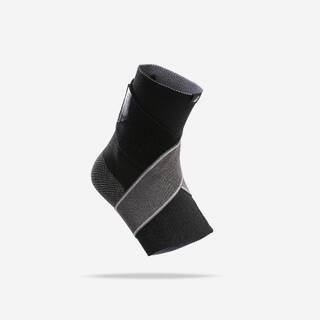
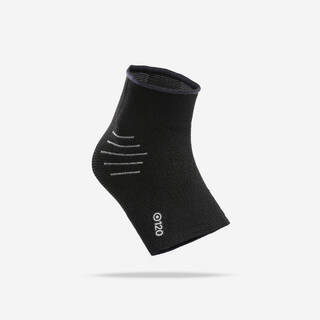
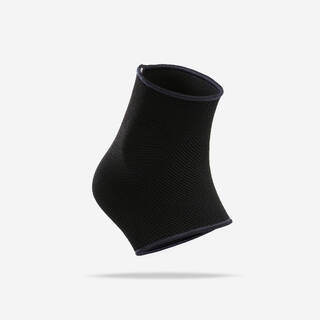
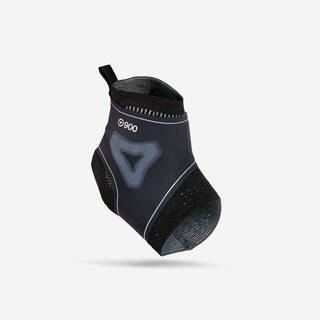
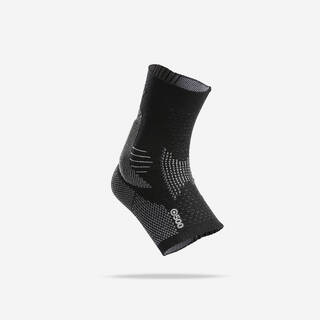
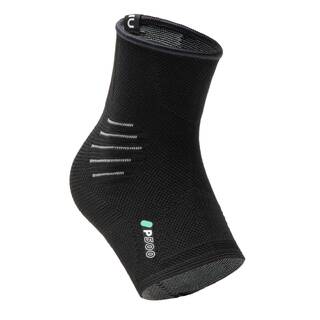
Buy Ankle Braces and Supports Online at Decathlon
Ankle injuries disrupt training. They sideline athletes during crucial match weeks. A proper ankle support brace restores confidence in movement, whether you're recovering from a sprain or preventing one during high-intensity sports. Decathlon India offers a complete range of ankle braces designed for stability, compression, and everyday wearability.
Our collection includes compression ankle sleeves for mild support, adjustable ankle support straps for moderate stability, and rigid orthopedic ankle support models for post-injury rehabilitation. Each design addresses specific needs: ligament protection during football, achilles tendon support for runners, or simple ankle band for pain relief during walking.
Tarmak ankle support products are engineered with breathable knit fabric, silicone grip inserts, and bilateral fit options. You can wear them on the left or right foot. Most models fit comfortably inside standard sports shoes without causing pressure points or restricting natural foot movement.
Understanding Ankle Support Levels: Choosing the Right Brace
Not all ankle injuries require the same level of restriction. Decathlon categorizes ankle braces into three support levels based on compression intensity and stabilization mechanism.
**Soft Level 1 Compression:** These are lightweight compression ankle sleeves made from elastic knit material. They provide gentle joint awareness and mild swelling control. Ideal for prevention during low-impact activities like walking, gym workouts, or early-stage recovery. No straps. Just slip them on.
**Strapped Level 2 Adjustment:** Mid-grade ankle support straps with adjustable Velcro closures. These offer targeted compression around the ankle joint and lower achilles region. Suitable for moderate sprains, weak ankles during badminton or basketball, and athletes returning to court sports after injury. The strap width typically ranges from 3.5 to 5 cm for balanced support without over-tightening.
**Rigid Level 3 Stabilization:** Heavy-duty orthopedic ankle support models with lateral stabilizers, figure-eight strapping systems, or semi-rigid side panels. These restrict inversion and eversion movements to protect healing ligaments. Used during acute sprain recovery, chronic instability cases, or high-contact sports like football on artificial turf. They are bulkier but fit inside most mid-cut or high-top sports shoes.
Ankle Support for Football and High-Impact Sports
Football demands quick directional changes. Artificial turf increases traction, which can stress ankle ligaments during sharp cuts. An ankle support for football should balance mobility with lateral stability.
Look for models with reinforced side panels and adjustable cross-straps. These prevent excessive ankle roll without locking the joint completely. Tarmak designs often include perforated mesh zones for ventilation, reducing heat buildup during 90-minute matches.
Wear them during training sessions first. This helps you adapt to the fit before match day. Most players prefer Level 2 strapped supports for competitive play and Level 1 compression sleeves for warm-ups or recovery periods.
Ankle Support for Walking and Daily Activities
Chronic ankle pain affects everyday mobility. Simple tasks like climbing stairs or walking on uneven pavements become uncomfortable. An ankle support for walking provides gentle compression without restricting natural gait.
Compression sleeves work best here. They improve proprioception (your body's sense of joint position) and reduce mild swelling. The fabric stays breathable enough for all-day wear inside casual shoes or sneakers.
If you have weak ankles from past injuries, consider a leg ankle support with a thin ankle band for pain management. These models use graduated compression, tighter around the joint and looser toward the calf, promoting better circulation while stabilizing the ankle during prolonged standing or walking.
Sprained Ankle Brace: Recovery and Rehabilitation Support
Ankle sprains damage ligaments. Grade 1 sprains involve mild stretching. Grade 2 involves partial tearing. Grade 3 means complete ligament rupture. Each grade requires different support strategies.
For Grade 1 sprains, a compression ankle sleeve with light strap reinforcement accelerates healing. It controls swelling and provides joint feedback during gentle movement exercises. For Grade 2 injuries, use an adjustable ankle support with figure-eight strapping. This limits harmful side-to-side motion while allowing controlled dorsiflexion and plantarflexion (up and down foot movement).
Grade 3 sprains often need medical-grade orthopedic ankle support with rigid side stays. These act like a removable cast, immobilizing the joint during the initial healing phase. Always consult a physiotherapist before selecting a sprained ankle brace for severe injuries.
Achilles Tendon Support and Heel Pain Management
Achilles tendonitis causes sharp pain above the heel. It flares up during running, jumping, or even walking uphill. An ankle protector with extended heel coverage helps.
Look for designs with a silicone heel cup or padded achilles tendon support zone. These reduce friction between the tendon and the brace material. Some models include a slight heel lift feature, decreasing tension on the achilles during movement.
Runners recovering from achilles issues should pair the brace with proper footwear. Shoes with adequate heel cushioning and a 6-8 mm drop work best. Wear the support during training runs and remove it during rest periods to allow natural tendon adaptation.
How to Wear and Put On an Ankle Support Properly
Incorrect fitting reduces effectiveness. It can even cause new discomfort. Follow these steps for proper ankle support application:
**Step 1:** Sit down with your foot elevated slightly. Ensure the ankle is clean and dry. Moisture reduces grip and can cause slippage inside shoes.
**Step 2:** For compression sleeves, roll the fabric down to the heel opening. Slide your foot through, positioning the heel pocket correctly. Unroll the sleeve upward, smoothing out wrinkles. The compression should feel snug but not painful.
**Step 3:** For strapped models, loosen all Velcro closures first. Position the main body of the brace around your ankle with the stabilizer pads aligned over the malleolus (ankle bone). Wrap the lower strap first, then the upper strap, pulling firmly but not excessively. You should be able to slide one finger under the strap.
**Step 4:** Check circulation. Wiggle your toes. They should move freely. If you feel numbness or tingling within 5 minutes, loosen the straps slightly.
**Step 5:** Put on your shoes. Lace them normally. The brace should not shift or bunch up inside the shoe. If it does, adjust the strap tension or try a slightly larger shoe size.
Most ankle braces are bilateral. This means one size fits both left or right ankle support needs. Check the product label to confirm.
Can I Wear Shoes with an Ankle Brace?
Yes. Most ankle braces fit inside standard sports shoes. Compression sleeves add minimal bulk, usually 2-3 mm around the ankle circumference. They work with running shoes, football boots, badminton court shoes, and casual sneakers.
Strapped ankle support models are thicker. They add 5-8 mm of material. You may need to go up half a shoe size or loosen your laces more than usual. Mid-cut and high-top shoes provide better accommodation for bulkier braces compared to low-cut designs.
Rigid orthopedic ankle support braces require more space. Athletes often use them with basketball shoes or specialized rehabilitation footwear. Avoid wearing rigid braces inside tight-fitting football boots or narrow running shoes, as this can cause pressure sores or restrict blood flow.
Can I Wear Ankle Support Everyday?
It depends on your condition. Compression ankle sleeves are safe for daily use. They do not weaken muscles when worn during activity. In fact, they enhance joint awareness, which can improve ankle strength over time through better movement control.
Strapped and rigid ankle support models should not be worn continuously. Prolonged use can lead to muscle atrophy (weakening) because the brace does the stabilization work instead of your muscles. Use them during sports, physical therapy, or activities that stress the ankle. Remove them during rest periods.
If you have chronic weak ankles, combine brace use with strengthening exercises. Calf raises, single-leg balance drills, and resistance band work rebuild natural stability. The goal is to reduce brace dependency over time, not increase it.
Ankle Band for Pain: Compression Therapy Benefits
Compression improves blood circulation. It reduces fluid buildup around injured tissues. An ankle band for pain works by applying graduated pressure, tightest at the joint and gradually decreasing toward the calf.
This pressure gradient helps flush out metabolic waste products from damaged ligaments and tendons. It also provides a mild warming effect, which can soothe stiffness during cold weather or early morning movement.
For best results, wear compression ankle sleeves during activity and for 1-2 hours post-exercise. Avoid wearing them overnight unless specifically advised by a physiotherapist, as prolonged compression during sleep can interfere with natural tissue repair processes.
Choosing the Best Ankle Support for Weak Ankles
Weak ankles stem from repeated sprains, poor proprioception, or muscle imbalances. The best ankle support for weak ankles combines moderate compression with adjustable stabilization.
Look for these features: bilateral fit for left or right ankle support flexibility, breathable mesh panels to prevent moisture buildup, silicone grip strips to stop the brace from sliding during movement, and adjustable straps that let you fine-tune compression as your ankle strength improves.
Tarmak ankle support models often include these elements. They are designed for athletes transitioning back to full training after injury. Pair the brace with a structured rehabilitation program focusing on balance and strength exercises for long-term ankle stability.
Ligament Support Brace: Protecting Ankle Stability
Ankle ligaments connect bones and control joint movement. The lateral ligaments (on the outside of the ankle) are most commonly injured during inversion sprains. A ligament support brace reinforces these structures during healing.
Effective models use a combination of compression fabric and rigid side panels. The compression reduces swelling. The panels prevent excessive inward rolling of the ankle. Some designs include a stirrup strap system that wraps under the foot and up both sides of the ankle, mimicking athletic taping techniques.
These braces are essential during the first 4-6 weeks post-sprain when ligaments are most vulnerable to re-injury. Continue wearing them during sports for at least 3 months after pain subsides to allow full ligament maturation.
Tarmak Ankle Support: Decathlon's Sports-Specific Design
Tarmak is Decathlon's dedicated brand for joint protection and sports support products. Tarmak ankle support models are tested by athletes across basketball, football, badminton, and running disciplines.
Key design features include anatomical shaping that follows the natural contours of the ankle joint, moisture-wicking fabrics that stay dry during intense training, and reinforced stitching at high-stress points for durability. Most Tarmak braces are machine washable at 30°C, making them easy to maintain during regular use.
The range includes entry-level compression sleeves for beginners, mid-range adjustable straps for intermediate athletes, and advanced orthopedic models for serious injury recovery. All products undergo rigorous field testing to ensure they meet real-world performance standards.