Badminton Shorts


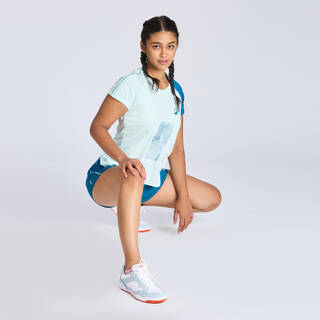

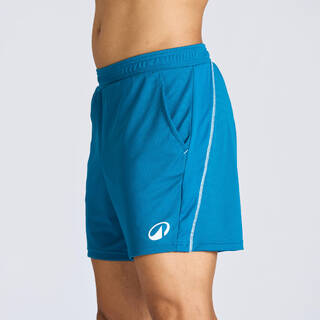
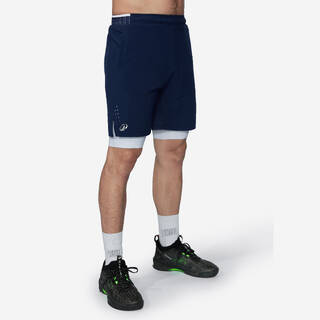
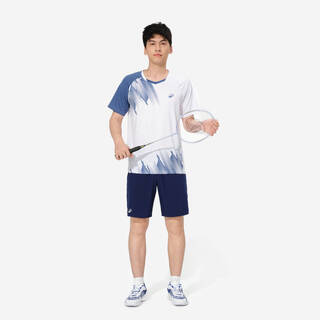
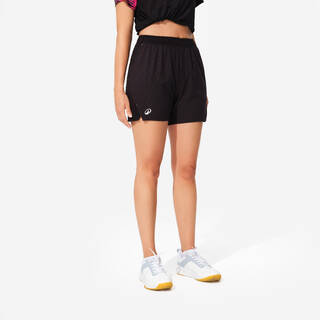
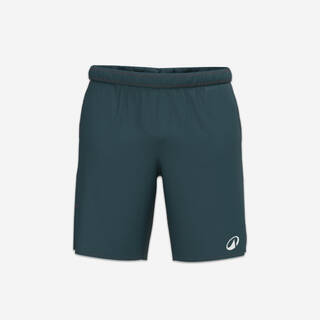
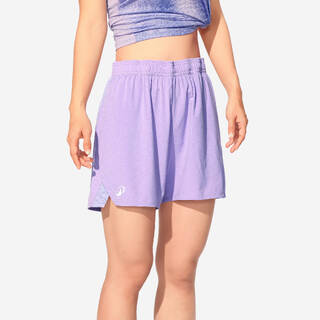
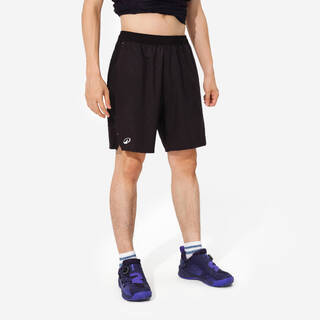
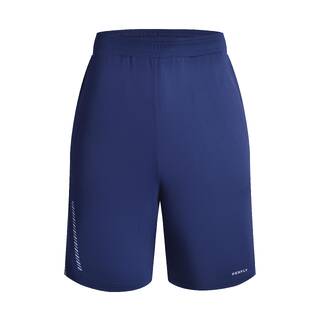
Perfly Badminton Shorts: Engineered for Multi-Directional Court Movement and Indian Humidity
Badminton demands explosive lateral lunges, deep defensive squats, and rapid directional changes that place extreme stress on apparel construction. Perfly badminton shorts are built with strategic gusset inserts and articulated side panels that eliminate fabric binding during maximum leg extension. The core fabric blend combines 85-90% polyester with 10-15% elastane, delivering controlled stretch recovery that maintains shape integrity across 50-plus wash cycles. This composition prevents the fabric sag and waistband roll-down common in lower-grade cotton blends, especially during extended three-game matches in high-humidity coastal and monsoon conditions.
Indian badminton courts, whether indoor wooden sprung floors or outdoor synthetic surfaces, generate significant lower-body heat buildup. Perfly shorts integrate open-weave mesh panels along the inner thighs and rear yoke zones, creating active ventilation channels that accelerate sweat vapor transmission. Fabric weights range from 100-115 GSM for competitive tournament play to 140-160 GSM for training durability. Lighter GSM constructions reduce cling and chafing during prolonged rallies, while heavier weights withstand repeated floor dives and net-rush abrasions. Flatlock offset stitching along all seams eliminates raised ridges that cause friction burns during repetitive lunging patterns.
Inseam Length Profiles: Matching Court Mobility to Body Mechanics and Playing Style
Inseam length directly impacts stride freedom and aerodynamic drag during court coverage. Perfly offers three distinct inseam profiles calibrated to movement biomechanics. Short inseam cuts (5-7 inches) sit mid-thigh, maximizing leg extension range for aggressive net players who execute frequent split-step lunges and cross-court dives. This length reduces fabric surface area, lowering wind resistance during rapid directional sprints and improving cooling efficiency in temperatures exceeding 32°C.
Mid-length inseams (8-10 inches) provide balanced coverage for all-court players, extending to just above the knee to protect against floor burns during defensive slides while maintaining unrestricted quad activation. Extended inseams (11-13 inches) approach knee-length, offering additional abrasion protection for training sessions on rough outdoor courts and shielding against UV exposure during daytime practice. Each length category incorporates elasticated hems with silicone grip dots on inner facings, preventing ride-up during deep squatting motions without constricting thigh circulation.
Waistband Engineering: Elastic Tension, Drawcord Lockdown, and Core Stability During Overhead Smashes
Overhead smash execution generates significant core rotation torque, often causing poorly designed waistbands to shift or twist mid-stroke. Perfly shorts feature wide elastic waistbands (35-45mm) constructed from multi-strand braided elastics that distribute tension evenly across the lumbar region. This design prevents pressure point concentration and maintains consistent positioning during explosive jumping smashes. Internal drawcords with barrel-lock toggles allow micro-adjustments in 5mm increments, accommodating fluctuations in hydration-related waist measurements during tournament play.
The waistband interior incorporates brushed microfiber linings that wick moisture away from skin contact zones, preventing the slippage that occurs when sweat saturates standard elastic materials. This construction is critical for Indian players competing in non-air-conditioned venues where ambient humidity exceeds 70%. Some Perfly models integrate internal compression brief liners with four-way stretch panels, eliminating the need for separate undergarments and reducing overall fabric layers that trap heat. These liners feature antimicrobial silver-ion treatments that suppress odor-causing bacteria growth across multi-day tournaments.
Pocket Configuration and Shuttle Storage: Functional Design for Warm-Up and Training Sessions
Competitive match regulations prohibit on-court storage, but training and warm-up phases require practical shuttle and accessory carry solutions. Perfly training shorts incorporate deep side-seam pockets (12-15cm depth) with reinforced bar-tack stitching at stress points, capable of securely holding two to three feather shuttles without creating bulk or affecting movement symmetry. Pocket bags are constructed from lightweight mesh that prevents moisture accumulation and allows trapped sweat to evaporate, avoiding the damp shuttle degradation that occurs in solid-fabric pockets.
Rear zippered pockets on select models provide secure storage for locker keys and small valuables during facility-based training. YKK coil zippers with rubberized pullers ensure smooth operation even when fabric is stretched during movement, and internal pocket flaps prevent contents from contacting sweaty skin. Pocket placement is biomechanically optimized to sit outside the primary hip flexion zones, ensuring stored items do not interfere with lunge mechanics or create pressure points during floor contact.
Fabric Durability and Wash Cycle Longevity: Resisting Abrasion, Color Fade, and Elastic Degradation
Tournament-level badminton players log 15-20 hours of weekly court time, subjecting shorts to extreme mechanical stress and frequent laundering. Perfly fabrics undergo solution-dye processing where pigments are integrated into polyester fibers during extrusion, creating colorfast constructions that resist fading across 100-plus wash cycles. This contrasts with surface-dyed fabrics that lose vibrancy after 20-30 washes, particularly when exposed to harsh detergents and high-temperature drying common in Indian household laundry practices.
High-wear zones including the inner thighs, seat panel, and hem edges receive double-layer reinforcement with ripstop weave patterns that arrest tear propagation. Elastane fibers are wrapped in protective polyester sheaths, preventing chlorine and hard-water mineral degradation that causes waistband stretch-out. Perfly shorts maintain 85-90% of original elastic recovery after 50 wash cycles when laundered in cold water and line-dried, compared to 60-70% retention in standard athletic shorts. This durability translates to extended garment lifespan, reducing replacement frequency for budget-conscious club players and academy trainees.
Gender-Specific Fit Architectures: Tailored Pattern Cutting for Male and Female Biomechanics
Male and female badminton players exhibit distinct hip-to-waist ratios and thigh circumference profiles that demand specialized pattern engineering. Men's Perfly shorts feature straighter side seams with minimal taper, accommodating broader hip structures and providing a relaxed fit through the thigh that prevents fabric tension during wide lateral lunges. The rise (distance from crotch seam to waistband) is calibrated to male torso proportions, typically 25-28cm for medium sizes, ensuring adequate coverage without excess fabric bunching.
Women's Perfly shorts incorporate contoured side seams with strategic darting at the hip and rear panels, creating an ergonomic fit that follows female pelvic geometry without restricting movement. The rise is proportionally shorter (22-25cm for medium sizes) to match female torso length, and leg openings are cut with slight A-line flare to accommodate wider hip-to-thigh ratios. Both gender architectures maintain identical performance fabric specifications and ventilation panel placements, ensuring parity in moisture management and durability. Junior sizing follows scaled-down adult patterns with adjusted inseam-to-waist proportions that account for developing physiques, preventing the loose, ill-fitting appearance that occurs when young players wear improperly sized adult gear.
FAQ (Frequently Asked Questions)
Q1. What inseam length should I choose for aggressive net play versus baseline defense in badminton?
Net players benefit from 5-7 inch short inseams that maximize leg extension range during split-step lunges and cross-court dives, reducing fabric interference with rapid directional changes. Baseline defenders can opt for 8-10 inch mid-length inseams that provide additional thigh coverage during deep squatting retrievals while maintaining unrestricted quad activation. Both lengths incorporate elasticated hems with silicone grip to prevent ride-up during explosive movements.
Q2. How do Perfly badminton shorts handle sweat and humidity during three-game matches in non-air-conditioned Indian courts?
Perfly shorts use 85-90% polyester blends with open-weave mesh panels along inner thighs and rear yoke zones, creating active ventilation channels that accelerate moisture evaporation in humidity exceeding 70%. Fabric weights of 100-115 GSM for competitive play reduce cling and chafing, while flatlock offset stitching eliminates raised seams that cause friction burns. Brushed microfiber waistband linings wick sweat away from skin contact zones, preventing elastic slippage during extended rallies.
Q3. Can badminton shorts withstand frequent floor dives and outdoor court abrasion without tearing?
High-wear zones including inner thighs, seat panels, and hem edges receive double-layer reinforcement with ripstop weave patterns that arrest tear propagation from initial punctures. Solution-dye processing integrates pigments into polyester fibers during extrusion, creating colorfast constructions that resist fading across 100-plus wash cycles. Perfly shorts maintain 85-90% of original elastic recovery after 50 cold-water wash cycles, significantly outperforming standard athletic shorts that degrade to 60-70% retention.
Q4. Do badminton shorts require separate compression undergarments or do they include built-in liners?
Select Perfly models integrate internal compression brief liners with four-way stretch panels, eliminating the need for separate undergarments and reducing heat-trapping fabric layers. These liners feature antimicrobial silver-ion treatments that suppress odor-causing bacteria across multi-day tournaments. Standard models without built-in liners accommodate personal preference for separate compression shorts, with wide elastic waistbands that prevent bunching when layered.
Q5. What waistband features prevent shorts from twisting or sliding during overhead smash execution?
Wide elastic waistbands (35-45mm) constructed from multi-strand braided elastics distribute tension evenly across the lumbar region, preventing pressure point concentration during core rotation. Internal drawcords with barrel-lock toggles allow micro-adjustments in 5mm increments, accommodating hydration-related waist fluctuations. Brushed microfiber interior linings wick moisture to prevent the slippage that occurs when sweat saturates standard elastic materials in high-humidity venues.
Q6. Are there functional pockets in badminton shorts for storing shuttles during training sessions?
Training-focused Perfly shorts incorporate deep side-seam pockets (12-15cm depth) with reinforced bar-tack stitching, securely holding two to three feather shuttles without creating movement-restricting bulk. Pocket bags use lightweight mesh construction that prevents moisture accumulation and allows sweat evaporation, avoiding damp shuttle degradation. Rear zippered pockets on select models provide secure storage for locker keys, with YKK coil zippers that operate smoothly even when fabric is stretched during lunges.
Q7. How should I size badminton shorts if I'm between standard sizes or have a larger thigh-to-waist ratio?
Measure your natural waist circumference and compare against Perfly size charts that account for elastane stretch recovery (10-15% give). If between sizes, choose the larger size for thigh-dominant builds to prevent fabric tension during wide lateral lunges, then use the internal drawcord for waist micro-adjustments. Women's models incorporate contoured side seams with strategic hip darting to accommodate wider hip-to-thigh ratios without excess waist fabric, while men's cuts feature straighter side seams for broader hip structures.
Q8. What is the difference between 100 GSM and 160 GSM fabric weight in badminton shorts performance?
100-115 GSM fabrics are ultralight constructions optimized for competitive tournament play, reducing cling and aerodynamic drag during rapid court coverage in temperatures exceeding 32°C. 140-160 GSM fabrics offer increased durability for intensive training sessions, withstanding repeated floor dives and outdoor court abrasion while providing slightly more coverage. Lighter GSM improves cooling efficiency in high-humidity conditions, while heavier GSM extends garment lifespan for club players logging 15-20 weekly court hours.
Q9. Can I machine wash badminton shorts in hot water or do they require special care to maintain elastic integrity?
Cold-water machine washing preserves elastane fiber integrity, with Perfly shorts maintaining 85-90% of original elastic recovery after 50 cycles compared to 60-70% retention when hot-water washed. Line drying prevents heat-induced elastic degradation and fabric shrinkage, extending garment lifespan. Solution-dye processing ensures colorfast performance across 100-plus washes, resisting fading from harsh detergents and hard-water minerals common in Indian household laundry.
Q10. Do junior badminton shorts follow the same performance specifications as adult models or are they simplified designs?
Junior Perfly shorts maintain identical performance fabric specifications (85-90% polyester with 10-15% elastane) and ventilation panel placements as adult models, ensuring equivalent moisture management and durability. Pattern cutting follows scaled-down adult architectures with adjusted inseam-to-waist proportions that account for developing physiques, preventing the loose, ill-fitting appearance of improperly sized adult gear. Waistband elastic tension and drawcord systems are calibrated to lower body weights while maintaining secure positioning during explosive movements.