Climbing Helmets

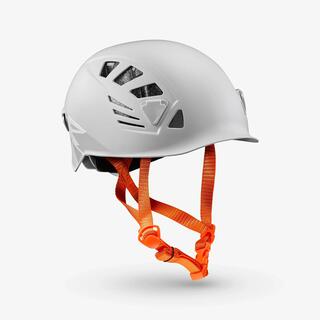


Climb Higher with Decathlon's Climbing Helmets
Whether you're a seasoned rock climber or just starting your vertical adventure, having the right climbing helmet is essential for your safety and peace of mind. At Decathlon, we understand the importance of quality gear, which is why we offer a wide range of climbing helmets designed to protect you while you push your limits.
Our collection features helmets from trusted brands, crafted with durable materials and innovative technologies to withstand the demands of climbing. From lightweight options for multi-pitch routes to heavy-duty models for big wall ascents, we have something for every climbing discipline and skill level.
Safety First: The Importance of a Climbing Helmet
Climbing is an inherently risky activity, and a helmet is your first line of defense against falling debris, rock strikes, and potential head injuries. A well-designed climbing helmet not only protects your head but also provides ventilation, comfort, and a secure fit, allowing you to focus on your climb without worrying about your safety.
At Decathlon, we understand the critical role a climbing helmet plays, which is why we meticulously select our products to meet the highest safety standards. Our helmets are designed to absorb impact, dissipate force, and protect your head from potential hazards, giving you the confidence to tackle even the most challenging routes.
Lightweight and Comfortable: Helmets for Every Adventure
Comfort is key when it comes to climbing, and our selection of lightweight helmets ensures that you can climb for hours without feeling weighed down or distracted. These helmets are designed with breathable materials and adjustable suspension systems, allowing for a customized fit and optimal ventilation.
Whether you're tackling a multi-pitch trad route or sending your project at the local crag, our lightweight helmets provide the protection you need without compromising on comfort or mobility. Say goodbye to sweaty, heavy helmets and embrace the freedom of movement with our lightweight options.
Durable and Reliable: Helmets Built to Last
At Decathlon, we believe in investing in quality gear that can withstand the rigors of climbing. Our durable climbing helmets are built to last, featuring robust construction and impact-resistant materials that can handle falls, abrasions, and the harsh outdoor elements.
From polycarbonate shells to reinforced webbing systems, our helmets are designed to provide reliable protection for years to come. Whether you're a weekend warrior or a professional climber, you can trust our helmets to keep you safe and secure on every ascent.
Expert Tips: Choosing the Right Climbing Helmet
With so many options available, choosing the right climbing helmet can be a daunting task. Here are some expert tips to help you make an informed decision:
- Consider your climbing discipline: Different helmets are designed for specific climbing styles, such as sport climbing, trad climbing, or big wall ascents. Choose a helmet that suits your needs.
- Prioritize fit and comfort: A well-fitting helmet is essential for both safety and comfort. Look for adjustable suspension systems and padding that can be customized to your head shape.
- Ventilation and weight: Climbing can be strenuous, so opt for helmets with ample ventilation and lightweight construction to keep you cool and comfortable.
- Durability and certifications: Ensure your helmet meets the necessary safety certifications and is built to withstand the rigors of climbing. Look for durable materials and impact-resistant construction.
Maintaining Your Climbing Helmet
Proper maintenance is crucial to ensure your climbing helmet continues to provide reliable protection. Here are some tips for keeping your helmet in top condition:
- Inspect your helmet regularly for cracks, dents, or signs of wear and tear. Replace it immediately if you notice any damage.
- Clean your helmet with mild soap and water, and avoid using harsh chemicals or solvents that could compromise the materials.
- Store your helmet in a cool, dry place, away from direct sunlight or extreme temperatures, which can degrade the materials over time.
- Retire your helmet after a significant impact or after the manufacturer's recommended lifespan, typically around 5-10 years, depending on usage and conditions.
Explore Our Collection: Find Your Perfect Climbing Helmet
At Decathlon, we take pride in offering a diverse range of climbing helmets to cater to every climber's needs and preferences. From sleek and lightweight options for sport climbing to rugged and durable models for big wall adventures, our collection has something for everyone.
Browse our selection today and discover the perfect climbing helmet that combines safety, comfort, and performance. Our knowledgeable staff is always on hand to provide expert guidance and ensure you find the right helmet for your climbing adventures.
FAQ (Frequently Asked Questions)
Q1. What are the different types of climbing helmets available at Decathlon?
At Decathlon, we offer a variety of climbing helmets designed for different disciplines, including sport climbing, trad climbing, big wall climbing, and more. Our collection features lightweight options, heavy-duty models, and helmets with various ventilation and adjustment systems to suit your specific needs.
Q2. How do I determine the right size for a climbing helmet?
To find the right size, measure the circumference of your head using a flexible tape measure. Most climbing helmets come in different size ranges, and the manufacturer's sizing chart will help you select the appropriate size based on your head measurement. It's also important to try on the helmet and adjust the suspension system for a secure and comfortable fit.
Q3. How often should I replace my climbing helmet?
The lifespan of a climbing helmet depends on various factors, such as usage, exposure to UV rays, and impact history. As a general guideline, most manufacturers recommend replacing your helmet every 5-10 years, or immediately after a significant impact, even if there's no visible damage. Regular inspections and proper maintenance can help extend the life of your helmet.
Q4. Can I use a climbing helmet for other activities, like cycling or skateboarding?
While climbing helmets offer excellent protection, they are designed specifically for rock climbing and may not provide adequate coverage or meet the safety standards for other activities. It's recommended to use helmets designed specifically for the intended activity to ensure proper protection and compliance with safety regulations.
Q5. How do I clean and maintain my climbing helmet?
To clean your climbing helmet, use mild soap and water, and avoid harsh chemicals or solvents that could damage the materials. Rinse thoroughly and allow the helmet to air dry completely before storing it in a cool, dry place away from direct sunlight. Inspect your helmet regularly for any cracks, dents, or signs of wear and tear, and replace it if you notice any damage.
Q6. What are the different certifications for climbing helmets?
Climbing helmets are typically certified to meet specific safety standards, such as the UIAA (International Mountaineering and Climbing Federation) or CE (European Conformity) standards. These certifications ensure that the helmets have undergone rigorous testing and meet the necessary requirements for impact protection, durability, and other safety criteria.
Q7. Can I customize or add accessories to my climbing helmet?
While some climbing helmets may offer customization options, such as removable padding or adjustable suspension systems, it's generally not recommended to modify or add accessories that are not approved by the manufacturer. Doing so could compromise the helmet's safety and performance, and potentially void any warranties or certifications.
Q8. What are the differences between climbing helmets and mountaineering helmets?
Climbing helmets and mountaineering helmets are designed for different purposes. Climbing helmets are typically lighter and more ventilated, optimized for rock climbing and vertical ascents. Mountaineering helmets, on the other hand, are often heavier and warmer, providing more protection against cold temperatures, snow, and ice conditions encountered in mountaineering expeditions.
Q9. Can I use a climbing helmet for indoor climbing or bouldering?
Yes, climbing helmets are suitable for indoor climbing and bouldering activities. While the risk of falling debris may be lower indoors, a helmet still provides essential protection against potential head injuries from falls or collisions with the wall or other obstacles.
Q10. How do I properly store my climbing helmet when not in use?
When not in use, store your climbing helmet in a cool, dry place away from direct sunlight and extreme temperatures. Avoid crushing or compressing the helmet, as this can compromise its structural integrity and protective capabilities. It's also a good idea to store the helmet in a protective case or bag to prevent scratches or damage.