Compass and Navigation

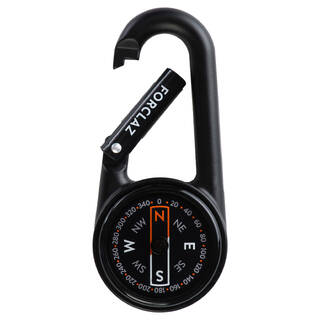
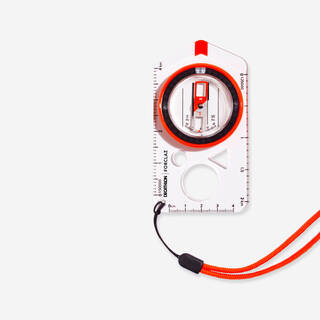
Explore the Great Outdoors with Decathlon's Compass and Navigation Collection
Embarking on an outdoor adventure requires proper preparation and the right gear. Whether you're an avid hiker, a seasoned camper, or simply enjoy exploring nature, having a reliable compass and navigation tools can make all the difference. At Decathlon, we understand the importance of staying on track and finding your way, which is why we've curated a comprehensive collection of compasses and navigation essentials to suit every adventurer's needs.
Our selection includes a wide range of compasses, from basic models for casual hikers to advanced options for professional navigators. We offer compasses with various features, such as sighting mirrors, clinometers, and global needles, ensuring you have the right tool for your specific requirements. Additionally, our collection encompasses GPS devices, altimeters, and other navigation aids to help you navigate even the most challenging terrains with confidence.
Trusted Brands for Reliable Performance
At Decathlon, we partner with renowned brands in the outdoor industry to bring you top-quality products you can trust. Our compass and navigation collection includes offerings from trusted names like Quechua, Kalenji, and Geologic, ensuring you have access to reliable and durable gear that won't let you down when you need it most.
Expert Tips: Choosing the Right Compass
When selecting a compass, consider the type of outdoor activities you engage in and the environments you'll be navigating. For casual hikers and campers, a basic compass with a rotating bezel and a clear base plate should suffice. However, if you're an avid trekker or mountaineer, you may want to invest in a more advanced compass with features like a sighting mirror, clinometer, and global needle.
It's also essential to consider the compass's durability and water resistance, especially if you'll be navigating in challenging weather conditions. Look for compasses with sturdy construction and waterproof or water-resistant ratings to ensure they can withstand the elements.
Mastering Navigation with GPS Devices
While compasses are essential tools for navigation, modern technology has introduced GPS devices that can significantly enhance your outdoor experiences. Decathlon's collection includes a range of GPS devices designed for various outdoor activities, from hiking and trekking to cycling and running.
These devices not only provide accurate location tracking but also offer additional features such as route planning, altitude tracking, and even heart rate monitoring. Whether you're exploring a new trail or training for an endurance event, our GPS devices can help you stay on track and monitor your performance.
Expert Tips: Using GPS Devices Effectively
To make the most of your GPS device, ensure you understand its features and capabilities. Take the time to familiarize yourself with the device's interface and settings before heading out on your adventure. Additionally, remember to charge the device fully and carry spare batteries or a power bank, as GPS devices can be power-hungry.
It's also important to note that while GPS devices are incredibly useful, they should not be relied upon solely. Always carry a compass and a physical map as backup, and be prepared to navigate using traditional methods if necessary.
Altimeters and Other Navigation Aids
In addition to compasses and GPS devices, Decathlon's collection includes altimeters and other navigation aids to enhance your outdoor experiences. Altimeters provide accurate altitude readings, which can be invaluable when navigating mountainous terrain or tracking your ascent and descent.
We also offer a range of accessories, such as map cases, protractors, and navigation boards, to help you plan and execute your routes more effectively. These tools can be particularly useful for more advanced outdoor activities, such as orienteering or backcountry exploration.
Expert Tips: Maintaining Your Navigation Gear
Proper maintenance is key to ensuring your navigation gear performs reliably when you need it most. For compasses, avoid exposing them to extreme temperatures, moisture, or magnetic fields, as these can affect their accuracy. Clean the compass regularly and store it in a protective case when not in use.
GPS devices and altimeters may require software updates and battery replacements from time to time. Follow the manufacturer's instructions for maintenance and care to ensure optimal performance. Additionally, consider investing in protective cases or covers to shield your devices from scratches, drops, and other potential damage.
Affordable Quality for Every Adventurer
At Decathlon, we believe that quality outdoor gear should be accessible to everyone. Our compass and navigation collection offers a wide range of options to suit various budgets and experience levels, ensuring that every adventurer can find the right tools to enhance their outdoor experiences.
From budget-friendly compasses for beginners to advanced GPS devices for seasoned explorers, our selection is designed to cater to diverse needs and preferences. We prioritize quality and durability, ensuring that our products can withstand the rigors of outdoor adventures while remaining affordable.
Explore with Confidence at Decathlon
At Decathlon, we are passionate about empowering outdoor enthusiasts to explore the great outdoors with confidence and safety. Our compass and navigation collection is a testament to our commitment to providing high-quality, reliable gear that can withstand the challenges of various outdoor pursuits.
Whether you're a seasoned adventurer or just starting your journey, our knowledgeable staff is always ready to assist you in finding the perfect compass, GPS device, or navigation aid to suit your specific needs. Visit our stores or explore our online collection today, and embark on your next outdoor adventure with the confidence that comes from having the right gear by your side.
FAQ (Frequently Asked Questions)
Q1. How do I choose the right compass for my needs?
When selecting a compass, consider the type of outdoor activities you engage in and the environments you'll be navigating. For casual hikers and campers, a basic compass with a rotating bezel and a clear base plate should suffice. However, if you're an avid trekker or mountaineer, you may want to invest in a more advanced compass with features like a sighting mirror, clinometer, and global needle.
Q2. What are the advantages of using a GPS device over a traditional compass?
GPS devices offer several advantages over traditional compasses, including accurate location tracking, route planning capabilities, and additional features like altitude tracking and heart rate monitoring. However, it's important to note that GPS devices should not be relied upon solely, as they can be affected by factors like battery life and signal availability. Always carry a compass and physical map as backup.
Q3. How do I maintain my compass to ensure its accuracy?
To maintain your compass's accuracy, avoid exposing it to extreme temperatures, moisture, or magnetic fields, as these can affect its performance. Clean the compass regularly and store it in a protective case when not in use. Additionally, follow the manufacturer's instructions for any specific maintenance requirements.
Q4. Can I use a GPS device for activities other than hiking or trekking?
Absolutely! GPS devices can be incredibly useful for a variety of outdoor activities, such as cycling, running, and even water sports like kayaking or stand-up paddleboarding. Many GPS devices offer specific modes and features tailored to different activities, allowing you to track your performance and navigate effectively.
Q5. What should I consider when choosing a GPS device?
When selecting a GPS device, consider factors like battery life, waterproof or water-resistant ratings, screen size and visibility, and any specific features you may need for your intended activities (e.g., heart rate monitoring for fitness tracking, topographic maps for hiking, etc.). Additionally, consider the device's compatibility with any existing apps or platforms you use.
Q6. Can I use my smartphone as a navigation device?
While smartphones can be used for navigation with the right apps and GPS capabilities, they may not be as reliable or durable as dedicated GPS devices or compasses. Smartphones can be affected by factors like battery life, signal availability, and potential damage from drops or exposure to the elements. It's generally recommended to carry a dedicated navigation device, especially for more challenging outdoor activities.
Q7. How do I read and use an altimeter effectively?
Altimeters provide accurate altitude readings, which can be invaluable when navigating mountainous terrain or tracking your ascent and descent. To use an altimeter effectively, calibrate it to your starting elevation and monitor the readings as you ascend or descend. Keep in mind that altimeters can be affected by changes in atmospheric pressure, so it's important to regularly recalibrate or cross-reference with other sources like topographic maps.
Q8. Can I use navigation tools for activities other than hiking or trekking?
Absolutely! Navigation tools like compasses, GPS devices, and altimeters can be useful for a wide range of outdoor activities, including cycling, rock climbing, kayaking, and even geocaching. The key is to choose the right tools and features for your specific activity and environment.
Q9. What should I do if my compass or GPS device malfunctions during an outdoor adventure?
If your compass or GPS device malfunctions during an outdoor adventure, remain calm and rely on your backup navigation tools, such as physical maps and traditional navigation techniques. If you're in a group, consult with others and work together to find your way. If necessary, stay put and wait for assistance or better conditions to continue your journey safely.
Q10. How can I ensure my navigation gear is ready for my next outdoor adventure?
To ensure your navigation gear is ready for your next outdoor adventure, follow these steps: charge or replace batteries, update software if necessary, clean and inspect for any damage, and pack all necessary accessories (e.g., map cases, protractors, etc.). Additionally, familiarize yourself with the gear's features and capabilities before heading out, and always carry backup navigation tools as a precaution.