Cricket Kit


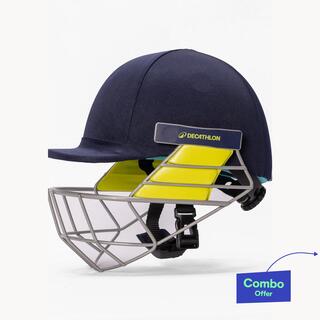

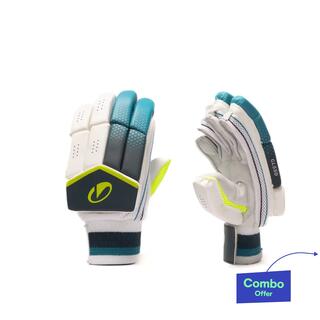
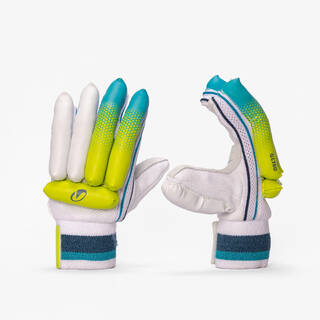


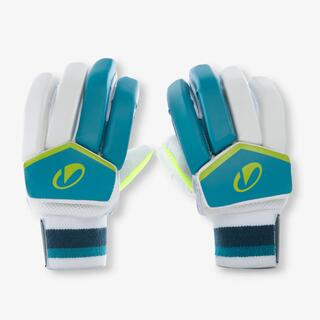

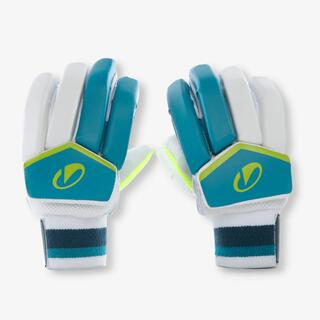


Complete Cricket Kit Construction for Indian Pitch Conditions
A cricket kit built for Indian conditions must withstand red soil dust, concrete practice wickets, and high-humidity coastal nets. Decathlon cricket kits integrate Kashmir willow and English willow bat constructions, high-density foam leg guards rated for 140+ km/h impact velocities, and reinforced PU synthetic leather gloves with dual-layer palm protection. The bat handle uses multi-piece cane construction with rubber grip sleeves offering 2.5mm shock absorption during mishit vibrations. Helmet shells meet ICC impact standards with ABS thermoplastic outer casings and EPP foam inner liners that distribute concentrated ball strike forces across a wider cranial surface area.
Kit bags feature segregated compartments for moisture-wicking separation between wet pads and dry batting gloves. Heavy-duty YKK zippers and 600D polyester ripstop fabric resist monsoon humidity and terrace storage UV degradation. Wheel-mounted trolley kits distribute 12 to 15 kg equipment loads across dual inline skate wheels with 60mm diameter polyurethane treads, reducing shoulder strain during stadium approach walks. Internal compression straps lock bat handles and prevent in-transit cleat migration that damages willow striking faces.
Willow Grade Selection and Bat Weight Distribution Engineering
Kashmir willow bats dominate club and school cricket across India due to superior moisture resistance in high-humidity regions like Kerala, Bengal, and coastal Maharashtra. These bats use Grade 1 to Grade 3 willow classifications based on grain density (8 to 12 grains per blade face). English willow offers lighter pick-up weights (1150g to 1200g) with higher rebound coefficients but requires linseed oil conditioning every 4 to 6 weeks in dry North Indian climates. Bat balance points sit 280mm to 310mm from the toe, creating mid-to-low sweet spot positioning ideal for subcontinent bounce heights on matting and turf wickets.
Blade profiles vary from traditional rounded edges (38mm to 40mm thickness) to modern concave scoop designs that redistribute mass toward the driving zone. Handle types include short (275mm), standard (285mm), and long (295mm) lengths, affecting leverage ratios during pull shots and cover drives. Toe guards use polyurethane or fiberglass composite shields that prevent moisture ingress during monsoon net sessions on damp artificial turfs. Pre-knocked bats arrive with compressed willow fibers ready for immediate match play, while raw willow requires 200 to 300 ball impacts using a wooden mallet before achieving optimal rebound characteristics.
Protective Gear Impact Attenuation and Ventilation Systems
Leg guards for Indian cricket must balance impact protection with ventilation for 35°C to 42°C summer afternoon temperatures. Decathlon pads use three-section construction: vertical bolster foam (12mm EVA density), horizontal cane reinforcement strips, and perforated PU synthetic leather facings. Knee roll sections employ dual-density foam with softer 40 Shore A durometer inner layers and firmer 60 Shore A outer shells that deflect rising deliveries while maintaining joint flexion during quick singles. Ankle protection extends 180mm above the malleolus bone, critical for yorker defense on low-bounce concrete practice strips.
Batting gloves integrate high-impact resistant (HI-RES) foam across finger sections, with additional fibershield inserts protecting the bottom three fingers from seam impact during defensive prods. Mesh gussets between fingers allow sweat evaporation rates exceeding 800g/m² per 24 hours, preventing palm slippage during extended innings in humid conditions. Thigh guards and chest guards use contoured EVA molding that follows natural body curves without restricting batting stance rotation. Helmet grilles meet 2019 ICC standards with titanium or stainless steel construction, featuring 20mm to 25mm gap spacing that blocks 156g cricket balls traveling at velocities up to 145 km/h while maintaining peripheral vision for short-pitched deliveries.
Footwear Traction Engineering for Turf and Matting Surfaces
Cricket shoes for Indian grounds require dual-purpose outsole configurations handling both natural turf and coir matting wickets. Rubber stud patterns feature 8 to 12 conical or bladed cleats with 10mm to 15mm protrusion depths, offering rotational grip during bowling follow-throughs and lateral stability during cover drives. Full-spike models use metal screw-in studs (12mm to 18mm lengths) for soft turf penetration during monsoon matches, while rubber dimple outsoles suit hard red soil outfields and indoor synthetic surfaces. Midsole EVA compression ratings between 45 and 55 Shore C provide sufficient cushioning for fast bowlers generating ground reaction forces up to 2.8 times body weight during delivery stride impacts.
Upper construction uses synthetic leather or engineered mesh with TPU overlays across the medial forefoot, reinforcing areas subjected to bowling crease drag during follow-through phases. Heel counters employ thermoplastic polyurethane (TPU) exoskeletons that prevent ankle roll during sudden directional changes while chasing boundary shots. Tongue padding reaches 8mm to 10mm thickness, distributing lace pressure across the foot dorsum during extended fielding sessions. Antimicrobial linings using silver ion treatments reduce bacterial growth in sweat-saturated interiors, essential for all-day match wear in 80% to 90% relative humidity coastal environments.
Training Equipment Precision for Net Session Skill Development
Bowling machines for home and academy use require adjustable speed ranges from 40 km/h (spin simulation) to 140 km/h (pace bowling replication). Decathlon training aids include wobble seam balls with asymmetric stitching that mimic natural seam movement, weighted practice balls (200g to 250g) for strength conditioning, and incrediball soft training balls (100g polyurethane foam) safe for indoor apartment corridor practice. Stumps use spring-loaded bails with LED illumination for low-light evening net sessions, while target mat systems feature numbered zones measuring shot placement accuracy within 150mm diameter circles.
Batting tees adjust from 400mm to 900mm heights, allowing technique refinement for yorker defense through to pull shot execution. Rebound nets with tensioned nylon mesh (3mm cord diameter, 50mm square spacing) return balls at 60% to 70% of strike velocity, enabling solo practice without ball retrieval interruptions. Agility cone sets and speed ladder drills develop footwork patterns essential for spinners on turning tracks and batsmen facing variable bounce on uneven municipal ground surfaces. Grip cone trainers strengthen forearm flexors and extensors, building the muscular endurance required for maintaining bat control during 40-over innings in oppressive heat.
Apparel Fabric Engineering for Moisture Management and UV Protection
Cricket whites and colored kits for Indian conditions demand fabrics balancing moisture transport with UV protection during 6 to 8 hour match exposures. Polyester blends (140 GSM to 160 GSM) use hydrophobic fiber treatments that wick perspiration to outer fabric surfaces, achieving evaporation rates 3 to 4 times faster than cotton alternatives. Mesh ventilation panels across the upper back and underarm gussets create convective airflow channels, reducing core body temperature rise by 0.8°C to 1.2°C during afternoon sessions. UPF 50+ rated fabrics block 98% of UVA and UVB radiation, critical for fielders spending entire days under direct tropical sunlight.
Trouser construction employs articulated knee panels with four-way stretch elastane blends (10% to 15% elastane content) that maintain full range of motion during diving stops and wicketkeeping squats. Reinforced inner thigh panels use abrasion-resistant polyamide that withstands repeated friction from thigh pad straps and prevents premature fabric pilling. Flatlock stitching with 3mm to 4mm seam offsets eliminates pressure points during prolonged crouching positions. Compression base layers (180 GSM to 200 GSM) provide graduated muscle support while maintaining breathability, with silver ion antimicrobial treatments preventing odor development during multi-day tournament schedules in non-air-conditioned changing rooms.
FAQ (Frequently Asked Questions)
Q1. What is the difference between Kashmir willow and English willow cricket bats for Indian pitch conditions?
Kashmir willow bats offer superior moisture resistance for humid Indian climates and cost significantly less while providing adequate performance for club and school cricket. English willow delivers lighter pick-up weights (1150g to 1200g), higher rebound coefficients, and better stroke timing but requires regular linseed oil maintenance every 4 to 6 weeks in dry regions. Kashmir willow suits beginners and intermediate players practicing on concrete or matting wickets, while English willow benefits advanced players on turf pitches.
Q2. How do I select the correct cricket bat size for junior players?
Bat sizing depends on player height and arm length, not age. Size 6 suits players 130cm to 142cm tall, Size 5 for 142cm to 152cm, and Harrow size for 152cm to 160cm heights. The correct bat should reach the player's hip crease when standing upright with the bat toe touching the ground. Blade length should not exceed 813mm (32 inches) for junior sizes, ensuring proper weight distribution and swing control during shot execution.
Q3. What leg guard size and weight should I choose for fast bowling practice on concrete wickets?
Leg guards for concrete practice wickets require enhanced impact protection with 12mm to 15mm EVA foam density across vertical bolsters. Adult guards typically measure 430mm to 460mm in length from ankle to top of knee roll. Lightweight models (600g to 750g per pad) suit batsmen prioritizing mobility, while heavier models (850g to 1000g) offer maximum protection for facing genuine pace bowling above 120 km/h on low-bounce artificial surfaces.
Q4. How often should I oil and maintain my cricket bat in Indian climate conditions?
English willow bats require linseed oil application every 4 to 6 weeks in dry North Indian climates, applying two thin coats and allowing 24-hour absorption between applications. Kashmir willow needs less frequent oiling, typically every 8 to 10 weeks. Avoid oiling the splice area or bat face after initial seasoning. Store bats horizontally in cool, dry locations away from direct sunlight, and use toe guards to prevent moisture damage during monsoon net sessions on damp surfaces.
Q5. What cricket shoe type works best for both turf grounds and matting wickets?
Rubber stud cricket shoes with 10mm to 12mm conical or bladed cleats provide optimal versatility for mixed surface conditions across India. These outsoles grip natural turf during monsoon matches while preventing excessive wear on coir matting and synthetic indoor surfaces. Full metal spike shoes suit dedicated turf grounds but damage artificial wickets. Dimple rubber outsoles work for hard red soil outfields and practice nets but lack traction on soft, wet grass.
Q6. How do I choose between short handle and long handle cricket bats?
Handle length affects leverage and shot execution mechanics. Short handles (275mm) suit players under 165cm height or those preferring bottom-hand dominance for wristy flicks and pull shots. Standard handles (285mm) fit most adult players between 165cm and 180cm. Long handles (295mm) benefit taller players above 180cm and those favoring extended reach for driving through the line on bouncy pitches. Handle length combines with blade balance point to determine overall bat pick-up weight perception.
Q7. What protective gear is mandatory for junior cricket players in Indian academies?
Mandatory junior protection includes helmet with face grille (meeting ICC 2019 standards), leg guards, batting gloves with finger protection, abdominal guard, and thigh pad for the lead leg. Chest guards are strongly recommended for players facing pace bowling above 100 km/h. Helmets must fit snugly without excessive movement, with the grille sitting 20mm to 25mm from the face. All protective foam should be inspected for compression damage after 12 to 18 months of regular use.
Q8. Can I use the same cricket shoes for batting, bowling, and wicketkeeping?
All-rounder cricket shoes with rubber stud configurations work adequately for all three disciplines on most Indian surfaces. However, specialized wicketkeeping shoes feature reinforced toe caps for repeated squatting and lower ankle collars for enhanced flexibility. Fast bowlers benefit from shoes with additional heel cushioning and medial arch support to handle repetitive ground reaction forces up to 2.8 times body weight during delivery stride impacts. Spinners prioritize forefoot flexibility and pivot point durability.
Q9. How do I prevent cricket equipment from developing mold and odor during monsoon storage?
Store all equipment in ventilated kit bags with moisture-absorbing silica gel packets (50g to 100g capacity) replaced monthly during monsoon season. Remove pads, gloves, and helmets from bags after each session, allowing 24 to 48 hours air-drying in shaded, well-ventilated areas. Wipe leather balls and bat handles with dry cloth to remove surface moisture. Apply antifungal powder inside gloves and shoes. Never store damp equipment in sealed bags, as trapped moisture accelerates bacterial growth and foam degradation in humid conditions above 80% relative humidity.
Q10. What is the ideal cricket ball weight and type for different age groups and practice formats?
Junior players (under 13 years) should use 135g to 142g lightweight cricket balls or incrediball soft training balls for indoor practice. Senior cricket uses standard 156g leather balls for matches, with four-piece construction offering better seam durability on abrasive Indian pitches compared to two-piece balls. Synthetic practice balls (polyurethane or rubber composite) suit concrete wicket training and reduce injury risk for beginners. Match-quality leather balls require 2 to 3 overs of natural wear before achieving optimal seam grip and swing characteristics.