Cricket Shoes


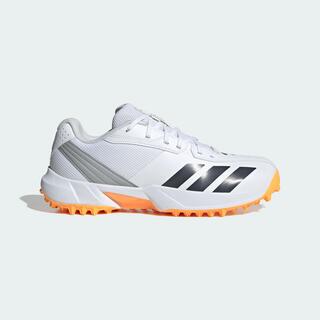
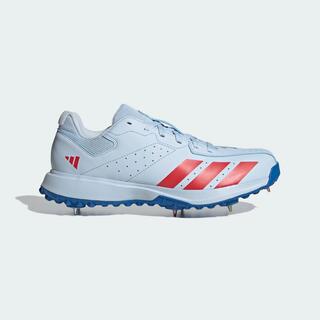
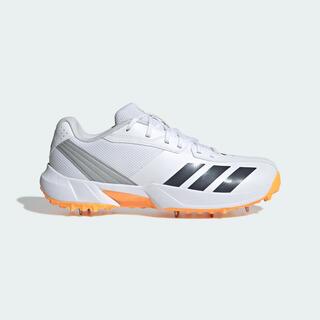
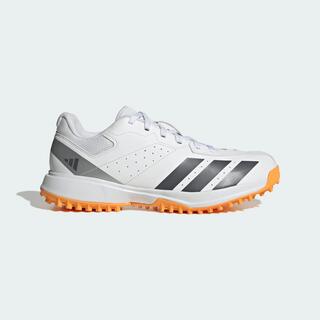
Cricket Spike Configuration and Stud Geometry for Indian Pitch Conditions
Cricket shoes engineered for Indian turf wickets, matting surfaces, and red soil outfields demand precise stud geometry. Metal spike configurations deliver maximum ground penetration on hard, sun-baked pitches where lateral acceleration during cut shots and quick singles creates rotational shear forces. Removable metal spikes (typically 6 to 8 studs per sole) allow bowlers to replace worn tips after 60 to 80 overs of fast bowling run-ups. Rubber stud alternatives suit synthetic turf nets and indoor practice facilities where metal spikes damage artificial fibers.
Decathlon's cricket footwear features dual-density TPU outsole plates that distribute impact loads across the midfoot during delivery strides. Fast bowlers generate vertical ground reaction forces exceeding 2.5 times body weight during front-foot landing. A rigid forefoot plate (Shore A hardness 75 to 85) prevents excessive metatarsal flexion, maintaining energy transfer through the kinetic chain from ankle dorsiflexion to shoulder rotation. Batsmen benefit from medial stud clusters positioned under the big toe for explosive push-off during quick singles on turning wickets.
Wicketkeepers require low-profile rubber nub patterns rather than aggressive spikes. Constant crouching and lateral shuffling across the stumps demand multi-directional traction without heel lift. A 4mm to 6mm heel-to-toe drop maintains a neutral stance during 300-plus squats per innings. Reinforced toe caps (thermoplastic polyurethane overlays) protect against repeated ball impacts when standing up to medium-pace bowlers on bouncy tracks.
Midsole Cushioning Systems for Fast Bowling Biomechanics
Fast bowling imposes asymmetric loading patterns. The front foot absorbs peak impact forces during delivery, while the back foot drives rotational torque during the bowling action's coil phase. Dual-density EVA midsoles (35 to 40 Shore C hardness in the heel, 50 to 55 Shore C in the forefoot) balance shock attenuation with ground feedback. Softer heel wedges compress 8mm to 12mm under initial strike, dampening vertical loads before the body's center of mass transitions forward.
Decathlon cricket shoes incorporate medial posting (firmer foam densities along the arch) to control excessive pronation during the bowling stride's deceleration phase. Bowlers who over-pronate risk tibial stress reactions and medial knee strain after 15 to 20 overs of spell work. A thermoplastic shank embedded between midsole layers prevents midfoot collapse, maintaining the longitudinal arch's spring mechanism during push-off.
All-rounders logging 40-plus overs in the field plus batting innings require midsole durability beyond 400 to 500 kilometers of cumulative movement. Compression-set testing (ASTM D395 standards) ensures EVA foam retains 85 percent of original thickness after 50,000 impact cycles. Indian summer temperatures (38°C to 45°C on outfield surfaces) accelerate foam degradation. Heat-resistant EVA blends maintain cushioning integrity through 60-over ODI matches on concrete-base synthetic pitches.
Upper Construction and Lockdown Systems for Lateral Stability
Cricket's multi-directional movement patterns (backward defensive footwork, cover drives, square cuts) generate lateral shear forces absent in linear running sports. Synthetic leather uppers (0.8mm to 1.2mm thickness) with internal heel counters prevent rearfoot slippage during weight transfer. A rigid heel counter (thermoplastic material extending 60mm above the sole) locks the calcaneus bone, reducing subtalar joint motion that leads to ankle sprains on uneven outfields.
Engineered mesh panels (40 to 50 denier polyester) across the forefoot and midfoot provide ventilation during five-hour Test match sessions. India's monsoon season (June through September) creates high-humidity conditions where non-breathable uppers cause maceration and blister formation. Perforated toe boxes exhaust heat buildup, maintaining skin temperatures below 32°C to prevent moisture accumulation inside the shoe cavity.
Lacing systems with asymmetric eyelet placement pull the upper medially, countering the natural lateral foot drift during batting stances. Wide-footed players (EE width fittings) require last shapes with 105mm to 110mm forefoot girth measurements. Decathlon offers multiple width options across cricket shoe models, accommodating the anatomical variance in Indian foot morphology without pressure points over the first and fifth metatarsal heads.
Rubber Outsole Compounds for Abrasion Resistance on Red Soil and Concrete
Indian cricket grounds feature red soil outfields with embedded stone aggregate. This abrasive surface composition wears through soft rubber compounds within 80 to 100 hours of fielding practice. High-abrasion carbon rubber (60 to 65 Shore A hardness) extends outsole lifespan to 300-plus hours of ground contact. The trade-off: harder compounds reduce wet-surface grip during early-morning dew conditions or post-rain resumptions.
Decathlon cricket shoes balance durability and traction through zoned outsole construction. High-wear areas (heel strike zone, forefoot pivot points) use carbon rubber, while low-wear midfoot sections employ softer blown rubber (50 to 55 Shore A) to reduce overall shoe weight. A typical cricket shoe weighs 280g to 320g per size UK 9. Every 20g reduction improves running economy during quick singles and boundary chases, lowering metabolic cost by approximately 1 percent per 100g.
Concrete practice pitches and synthetic turf nets accelerate outsole wear. Bowlers practicing on hard surfaces should rotate between spiked match shoes and flat-soled training shoes to extend spike plate longevity. Rubber stud shoes suitable for net sessions feature 3mm to 5mm lug depth, providing adequate grip without the aggressive bite of metal spikes that damage artificial surfaces.
Fit Profiles and Sizing for Indian Foot Dimensions
Indian cricket players exhibit diverse foot morphology. North Indian populations often present wider forefeet (D to EE widths), while South Indian athletes average narrower heel-to-ball measurements (B to D widths). Decathlon cricket shoes utilize semi-curved lasts (moderate medial curve from heel to toe) that accommodate medium-width feet without excessive volume in the midfoot.
Proper cricket shoe fit allows 8mm to 12mm of toe clearance (thumb-width space) when standing. During fast bowling, the foot slides forward 4mm to 6mm inside the shoe upon front-foot landing. Insufficient toe room causes subungual hematomas (blackened toenails) and nail bed trauma after sustained bowling spells. Heel slippage exceeding 5mm indicates inadequate lockdown, risking Achilles tendon irritation and posterior heel blisters.
Youth cricketers (ages 10 to 16) require shoes with growth accommodation. A 10mm to 15mm toe box allowance prevents premature outgrowing during adolescent growth spurts. However, excessive space compromises proprioceptive feedback needed for batting footwork precision. Parents should measure foot length every three months during peak growth phases, replacing shoes when toe clearance drops below 6mm.
Maintenance Protocols for Spike Longevity and Hygiene
Metal spike maintenance extends shoe lifespan and preserves traction performance. After each match or practice session, remove embedded soil and grass from spike threads using a stiff-bristle brush. Dried mud accumulation increases spike length by 2mm to 3mm, altering ground contact geometry and reducing penetration depth. Inspect spike tips for wear every 10 to 15 playing hours. Replace individual spikes when tip diameter exceeds 4mm (original tips measure 2mm to 3mm).
India's monsoon humidity promotes bacterial growth inside shoe cavities. After wet-weather matches, remove insoles and air-dry shoes in shaded, ventilated areas. Direct sunlight exposure (UV radiation above 8 index) degrades EVA midsole polymers, causing premature compression set and cracking. Stuffing shoes with newspaper accelerates moisture absorption, reducing drying time from 24 hours to 8 to 10 hours.
Leather and synthetic upper cleaning requires pH-neutral solutions. Alkaline detergents (pH above 9) strip protective coatings, accelerating material breakdown. Wipe uppers with damp microfiber cloths after each use, removing surface dust before it embeds into material pores. Apply leather conditioner every 20 to 25 hours of play to maintain suppleness and prevent cracking along flex points. Store cricket shoes in breathable mesh bags rather than sealed plastic containers, allowing residual moisture to evaporate and preventing mildew formation.
FAQ (Frequently Asked Questions)
Q1. What is the difference between metal spike and rubber stud cricket shoes?
Metal spike shoes feature removable steel or alloy studs (6 to 8 per sole) that penetrate hard turf wickets and red soil outfields, providing maximum grip during fast bowling and explosive batting movements. Rubber stud shoes use molded TPU or rubber nubs suitable for synthetic turf nets, indoor facilities, and practice sessions where metal spikes damage artificial surfaces. Fast bowlers and batsmen prefer metal spikes for match play, while all-rounders often use rubber studs for net practice to preserve spike plate threads.
Q2. How much heel-to-toe drop should cricket shoes have for fast bowling?
Fast bowling shoes typically feature 4mm to 8mm heel-to-toe drop to facilitate the forward lean during delivery stride while maintaining forefoot stability during front-foot landing. Wicketkeepers require lower drops (4mm to 6mm) for neutral crouching postures during 300-plus squats per innings. Excessive drop (above 10mm) shifts weight distribution forward, increasing metatarsal pressure during prolonged fielding sessions.
Q3. Can cricket shoes be used on concrete practice pitches without damaging the spikes?
Metal spike shoes should not be used on concrete surfaces, as the hard substrate rapidly wears spike tips and damages threads within 5 to 10 hours of practice. Concrete and synthetic hard courts require dedicated rubber stud training shoes with flat or low-profile nub patterns. Rotating between match spikes and practice shoes extends spike plate longevity beyond 400 hours of playing time.
Q4. How do I choose cricket shoe width for wide feet common in North India?
Wide-footed players require EE width fittings with forefoot girth measurements between 105mm and 110mm (size UK 9 reference). Decathlon cricket shoes offer multiple width options across models. Proper fit eliminates pressure points over the first and fifth metatarsal heads while maintaining midfoot lockdown. Try shoes with removable insoles to assess internal volume; excessive space indicates too-wide fit, while pinching at the ball of the foot signals inadequate width.
Q5. What midsole hardness is best for all-rounders playing 40-plus overs?
All-rounders benefit from dual-density EVA midsoles with 35 to 40 Shore C hardness in the heel for shock absorption and 50 to 55 Shore C in the forefoot for responsive push-off. This configuration balances impact dampening during fast bowling with ground feedback needed for batting footwork. Single-density soft midsoles (below 35 Shore C) compress excessively after 300 to 400 kilometers, losing cushioning integrity during long innings.
Q6. How often should I replace metal spikes on cricket shoes?
Inspect spike tips every 10 to 15 playing hours. Replace individual spikes when tip diameter exceeds 4mm or when penetration depth decreases noticeably on firm turf. Fast bowlers bowling 15 to 20 overs per match typically replace spikes every 60 to 80 overs of cumulative bowling. Batsmen and fielders may extend replacement intervals to 100 to 120 hours depending on ground surface abrasiveness and playing frequency.
Q7. Do cricket shoes need break-in time before match play?
New cricket shoes require 8 to 12 hours of gradual break-in across net practice sessions. Synthetic leather uppers soften and conform to foot shape during this period, reducing blister risk during 5-hour match days. Start with 45-minute net sessions, progressively increasing duration as materials adapt. Avoid wearing new shoes for competitive matches without prior conditioning, as rigid heel counters and stiff midsoles can cause Achilles irritation and posterior heel blisters.
Q8. What is the ideal cricket shoe weight for fast bowlers?
Fast bowling shoes typically weigh 280g to 320g per size UK 9. Lighter shoes (260g to 280g) reduce metabolic cost during long bowling spells but may sacrifice midsole cushioning and upper durability. Heavier models (320g to 350g) offer enhanced stability and impact protection for bowlers exceeding 90 kph delivery speeds. Every 20g weight reduction improves running economy by approximately 1 percent, beneficial during boundary chases and quick singles between overs.
Q9. How do I prevent cricket shoes from smelling during monsoon season?
Remove insoles immediately after wet-weather matches and air-dry shoes in shaded, ventilated areas for 8 to 10 hours. Stuff shoes with newspaper to accelerate moisture absorption. Apply antimicrobial foot powder before wearing and wash insoles weekly with pH-neutral detergent. Store shoes in breathable mesh bags rather than sealed containers to prevent bacterial growth. India's monsoon humidity (70 to 90 percent relative humidity) promotes odor-causing bacteria; daily airing prevents accumulation.
Q10. Can wicketkeepers use the same shoes as batsmen and bowlers?
Wicketkeepers require specialized low-profile rubber nub patterns rather than aggressive metal spikes. Constant crouching (300-plus squats per innings) and lateral shuffling demand multi-directional traction without heel lift. A 4mm to 6mm heel-to-toe drop maintains neutral stance geometry. Reinforced toe caps protect against repeated ball impacts when standing up to medium-pace bowlers. Batsmen and fast bowlers need higher spike aggression and forefoot rigidity absent in wicketkeeping-specific models.