Cycling Accessories






Engineering Essentials for Indian Road and Trail Cycling Conditions
Cycling accessories bridge the gap between raw frame geometry and functional performance across India's diverse terrain. From monsoon-soaked coastal highways to high-altitude Himalayan passes, accessories like bottle cages, saddlebags, and mudguards transform a bare cycle into a purpose-built machine. A well-engineered bottle cage uses reinforced polycarbonate with spring-loaded retention arms, preventing ejection over broken tarmac and gravel washboard. Mudguards rated for 700x32c to 700x38c tire clearance shield drivetrain components from abrasive slurry during July-September monsoons, extending chain and cassette lifespan by reducing grit infiltration.
Indian cyclists face unique thermal and dust challenges. Handlebar tape with 2.5mm EVA foam cushioning and perforated ventilation channels dissipates palm heat during 35°C summer rides, while silicone gel inserts attenuate road vibration transmitted through aluminium or carbon bars. Pedal platforms with sealed cartridge bearings and chromoly axles resist monsoon water ingress and coastal salt corrosion. Toe clips with adjustable nylon straps improve pedal stroke efficiency by enabling upward pull phases, critical for climbing steep Western Ghats gradients or navigating stop-and-go urban traffic without clipless shoe commitments.
Btwin and Van Rysel Accessory Ecosystems for Commuter and Performance Builds
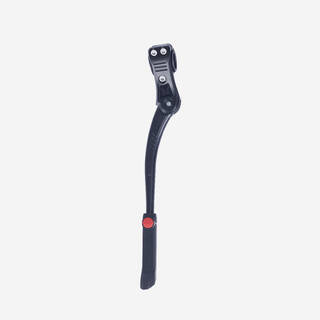
Btwin accessories prioritize urban commuter durability and tool-free installation. Rear racks rated for 25kg load capacity use 6061 aluminium tubing with reinforced stay welds, compatible with standard pannier hook systems for grocery hauls or laptop bags. Integrated kickstands with dual-leg stabilizers prevent loaded cycles from tipping on uneven footpaths. Front and rear LED light sets deliver 300-lumen output with USB-rechargeable lithium cells, meeting Indian Motor Vehicle Act visibility requirements for dawn and dusk commutes. Btwin bell mechanisms use stainless steel strikers for corrosion-free operation in high-humidity coastal cities.
Van Rysel accessories target road racing and long-distance endurance riders. Aero bottle cages shed 8-12 grams compared to standard designs while maintaining side-entry access for tight frame triangles on 52cm to 56cm geometries. Saddle bags with waterproof roll-top closures and reflective piping store tubeless repair kits, CO2 inflators, and multi-tools without adding aerodynamic drag. Bar-end plugs with integrated hex key storage eliminate the need for separate tool pouches on century rides. Handlebar extensions (aero bars) with adjustable armrest pads allow sustained 30-35 km/h cruising speeds on flat stretches like Mumbai-Pune Expressway or Bangalore Outer Ring Road.
Rockrider MTB Protection and Cargo Solutions for Off-Road Terrain
Mountain biking through Uttarakhand singletracks or Maharashtra laterite trails demands impact-resistant accessories. Rockrider frame guards use 3mm neoprene with Velcro wraparound attachment, shielding downtube paint from rock strikes and chain slap. Chainstay protectors with rubberized backing dampen drivetrain noise while preventing frame abrasion during technical descents. Fork fenders designed for 80-120mm travel suspension prevent mud rooster tails from blinding riders during monsoon trail sessions, using quick-release clips for tool-free removal when conditions dry.
Cargo solutions for multi-day bikepacking trips require robust mounting systems. Rockrider handlebar harnesses with compression straps secure 8-10 liter drybags, distributing weight forward for balanced handling on rocky climbs. Frame bags with triple-zippered compartments fit snugly within front triangles, maximizing storage without interfering with water bottle access. Seat post clamps with integrated tool canisters store tubeless plugs, tire levers, and quick-link chains. Pedal cages with adjustable toe strap tension accommodate trail running shoes or hiking boots, eliminating the need for dedicated clipless footwear on mixed terrain adventures.
Hydration Systems and Thermal Management for Extended Indian Rides
Dehydration risk peaks during 38-42°C summer rides across Rajasthan highways or Deccan Plateau routes. Insulated bottle systems with double-wall construction and vacuum-sealed caps maintain water temperature 6-8°C below ambient for up to 4 hours. Bottle cage compatibility matters: standard 74mm diameter cages fit 500ml to 750ml bottles, while oversized 80mm cages accommodate 1-liter reservoirs for century rides. Magnetic quick-release mechanisms allow single-handed bottle extraction during high-speed descents, reducing crash risk from fumbled grips.
Hydration pack integration suits technical MTB trails where handlebar bottles risk ejection. Backpack-style reservoirs with 2-liter bladders and insulated hose sleeves deliver continuous hydration without stopping. Bite valve shutoff mechanisms prevent leakage during inverted storage or rough terrain bouncing. Chest strap clips with whistle attachments provide emergency signaling in remote Himalayan valleys. Electrolyte tablet storage pockets maintain sodium and potassium balance during 3-4 hour endurance sessions, critical for preventing cramps on steep gradient climbs above 2,000 meters elevation.
Safety and Visibility Accessories for Mixed Traffic and Low-Light Conditions
Indian road cycling involves navigating shared lanes with trucks, auto-rickshaws, and livestock. Rear-view mirrors with convex glass and adjustable ball joints mount to handlebar ends or helmet sides, providing 140-degree field of vision for overtaking vehicle detection. Spoke reflectors with 360-degree prismatic surfaces enhance lateral visibility at intersections. Reflective ankle bands with Velcro closures prevent trouser snags in chainrings while creating moving light patterns that catch driver attention more effectively than static frame reflectors.
Electronic safety systems add active warning capabilities. Tail lights with accelerometer-triggered brake light modes flash at 120 lumens when detecting sudden deceleration, alerting following traffic during emergency stops. Helmet-mounted lights with 500-lumen spot beams illuminate potholes and debris on unlit rural roads, while side-facing amber LEDs improve intersection visibility. Rechargeable battery packs with USB-C fast charging restore 80% capacity in 90 minutes, supporting daily commuter schedules. Wireless remote switches mounted near brake levers allow mode changes without removing hands from handlebars during high-traffic navigation.
Maintenance Tools and Portable Repair Kits for Self-Sufficient Cycling
Roadside mechanical failures demand compact, multi-function toolsets. Folding hex key sets with 2mm to 8mm Allen sizes, T25 Torx bits, and flathead screwdrivers handle 90% of adjustment needs, from derailleur limit screws to brake caliper bolts. Chain breaker tools with replaceable pins repair snapped links on remote highway stretches where support vehicles are unavailable. Tire lever sets with reinforced nylon construction pry stubborn clincher beads without damaging rim sidewalls, essential for fixing monsoon-induced punctures.
Tubeless repair systems suit modern wheel setups. Plug insertion tools with barbed tips seal 3-5mm punctures without removing tires, using rubber bacon strips that vulcanize with sealant. CO2 inflator heads with threaded cartridge compatibility deliver 60-80 PSI inflation in 15 seconds, faster than manual pumps during time-critical race situations. Frame-mounted mini pumps with dual-action chambers and pressure gauges provide backup inflation when CO2 cartridges deplete. Patch kit adhesives formulated for tropical humidity ensure reliable tube repairs even in 85% relative humidity coastal environments, where standard rubber cement fails to cure properly.
FAQ (Frequently Asked Questions)
Q1. How do I choose the right cycling helmet?
When selecting a cycling helmet, consider factors such as fit, ventilation, and safety certifications. A properly fitted helmet should be snug but comfortable, with adequate ventilation to keep you cool during rides. Look for helmets that meet the latest safety standards and provide ample coverage for protection.
Q2. What are the benefits of cycling apparel?
Cycling apparel is designed to enhance your comfort and performance on the road. Features like moisture-wicking fabrics, padded shorts, and aerodynamic designs can help you stay dry, reduce chafing, and improve your overall riding experience. Additionally, cycling apparel often incorporates reflective elements for increased visibility and safety.
Q3. How often should I replace my bike tires?
The frequency of tire replacement depends on various factors, such as your riding style, terrain, and the type of tires you use. As a general rule, it's recommended to replace your tires when the tread depth becomes significantly worn or if you notice any cracks or cuts in the tire. Regular inspection and maintenance can help prolong the life of your tires.
Q4. Can I use bike racks for different types of vehicles?
Yes, Decathlon offers a variety of bike racks and carriers that are compatible with different types of vehicles, including cars, SUVs, and even trucks. When selecting a bike rack, make sure to consider the number of bikes you need to transport, as well as the specific mounting requirements for your vehicle.
Q5. How do I properly maintain my bike components?
Regular maintenance is crucial for keeping your bike components in top condition. This includes cleaning and lubrication of the chain, gears, and other moving parts. Additionally, it's important to check for any signs of wear or damage and replace components as needed. Refer to your bike's manual or consult with our experts for specific maintenance recommendations.
Q6. What are the benefits of using a bike computer?
Bike computers are handy accessories that can provide valuable data about your rides, such as distance, speed, cadence, and even heart rate (with compatible sensors). This information can help you track your progress, set goals, and optimize your training or cycling routine. Many bike computers also offer navigation features and connectivity with fitness apps.
Q7. How do I choose the right cycling gloves?
When selecting cycling gloves, consider factors like padding, ventilation, and grip. Padded gloves can help reduce fatigue and numbness in your hands, while well-ventilated gloves can keep your hands cool and dry during rides. Additionally, look for gloves with a secure grip to maintain control of your handlebars.
Q8. Can I use cycling accessories for other sports or activities?
While cycling accessories are primarily designed for cycling, some products can be versatile and used for other sports or activities. For example, bike helmets can be worn for activities like skateboarding or rollerblading, and cycling apparel can be suitable for running or hiking. However, it's important to ensure that the accessories meet the specific requirements and safety standards for the intended activity.
Q9. How do I properly store my bike and accessories?
Proper storage is essential for prolonging the life of your bike and accessories. When not in use, store your bike in a dry, covered area, and consider using a bike cover or stand to protect it from dust and moisture. For accessories like helmets and apparel, store them in a cool, dry place away from direct sunlight. Regularly cleaning and maintaining your bike and accessories can also help prevent premature wear and tear.
Q10. Which bottle cage material works best for Indian summer heat and monsoon humidity?
Reinforced polycarbonate cages with UV-stabilized resin handle 45°C dashboard storage without warping, while stainless steel cages resist monsoon corrosion but add 40-60 grams per unit. Polycarbonate spring arms maintain grip tension across temperature swings, preventing bottle ejection on broken roads. Aluminium cages offer middle-ground durability with anodized coatings that resist coastal salt spray, ideal for year-round urban commuting.
Q11. How do I choose mudguard width for hybrid cycles with 700x35c tires?
Select mudguards rated for minimum 42mm clearance to accommodate 35mm tire width plus 7mm safety margin for debris accumulation. Full-length mudguards (700mm front, 1100mm rear) provide maximum spray protection during monsoon commutes, while clip-on mini guards suit dry-season use with tool-free installation. Check chainstay and fork crown clearance, as some frames limit maximum guard width to 45mm regardless of tire size.
Q12. What saddle bag size fits tubeless repair kit, multi-tool, and spare tube for 60km rides?
A 0.8 to 1.2 liter saddle bag with roll-top closure accommodates one 700x25-32c tube, 15-function multi-tool, tubeless plug kit, two CO2 cartridges with inflator head, and tire levers. Bags with internal dividers prevent tools from rattling against CO2 cartridges. Strap-mounted designs attach to seat post and saddle rails without requiring specific mounting hardware, fitting most road and gravel bike geometries.
Q13. Do Btwin pedal cages work with regular sports shoes or only cycling-specific footwear?
Btwin pedal cages with adjustable nylon toe straps fit athletic shoes with sole widths from 75mm to 95mm, including running trainers and canvas sneakers. The platform design distributes pressure across midfoot, reducing hotspot discomfort during 20-30km commutes. For rides exceeding 50km, stiff-soled cycling shoes improve power transfer, but cages provide adequate retention for urban stop-and-go traffic without requiring clipless pedal commitments.
Q14. How many lumens do I need for unlit rural highway night riding in India?
Front lights require minimum 400-600 lumens on steady beam mode for detecting potholes and road debris at 25-30 km/h speeds. Rear lights need 80-120 lumens with flash modes for vehicle visibility from 150 meters. Higher lumen counts (800-1200) suit technical MTB trails or unlit mountain passes. Rechargeable lithium batteries with 3-4 hour runtime on high mode support evening commutes, while USB charging allows daily top-ups from office or home power sources.
Q15. Can I mount rear racks on carbon fiber road bike frames?
Most carbon road frames lack brazed-on rack mounts due to weight optimization and race geometry priorities. Seat post-mounted racks with quick-release clamps provide alternative cargo solutions, supporting 5-9kg loads without frame drilling. These racks use rubberized contact pads to prevent carbon finish abrasion. For regular cargo hauling, aluminium frames with integrated rack eyelets offer better load distribution and 25kg capacity ratings suited to Indian grocery runs or touring setups.
Q16. What handlebar tape thickness reduces hand numbness on 3-hour rides over rough tarmac?
Tape with 2.5mm to 3.2mm EVA foam cushioning or dual-density gel inserts attenuates high-frequency vibration from cracked roads and expansion joints. Thicker tape (3.5mm+) suits riders with low body fat or existing nerve sensitivity, while 2mm tape maintains bar diameter for smaller hand sizes. Perforated tape designs with ventilation channels reduce palm sweat accumulation during humid conditions. Overlap tape by 50% during installation to double cushioning thickness at pressure points near brake hoods.
Q17. How do I prevent chain slap noise on Rockrider MTB during technical descents?
Install neoprene chainstay protectors with adhesive backing along the entire stay length, focusing on the section where chain contact occurs during suspension compression. Chainguides with upper and lower rollers physically constrain chain movement, eliminating slap on rough terrain. Proper derailleur B-screw adjustment maintains optimal chain tension, reducing slack that causes noise. For severe slap on full-suspension frames, clutch-equipped rear derailleurs add 8-10 Newtons of resistance, stabilizing chain during high-speed rock gardens.
Q18. Which Btwin lock type suits overnight parking in apartment complexes versus public railway stations?
U-locks with 13mm hardened steel shackles and disc cylinder mechanisms provide high security for railway station parking, resisting bolt cutter and leverage attacks. Cable locks with 12mm braided steel cores suit apartment parking where theft risk is lower, offering flexibility to secure both wheels and frame to fixed objects. Folding locks balance portability and security for mixed-use scenarios. Always secure frame and rear wheel to immovable anchors, as front wheels with quick-release skewers are easily removed.
Q19. Do Van Rysel aero bottle cages fit standard 74mm diameter bottles?
Yes, Van Rysel aero cages maintain standard 74mm internal diameter while using streamlined side-entry designs that reduce frontal area by 15-20% compared to traditional cages. The angled entry requires practice for smooth bottle extraction at speed. These cages suit road frames with tight seat tube angles (73-74 degrees) where rear cage access is restricted by rider thigh clearance. Standard round bottles work fine, though aerodynamic bottles with teardrop profiles maximize drag reduction benefits on flat time trial or triathlon courses.