Women Gym Tshirt



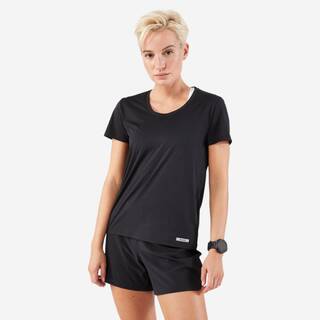

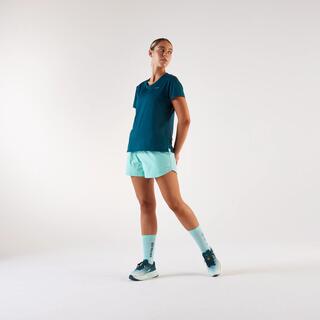
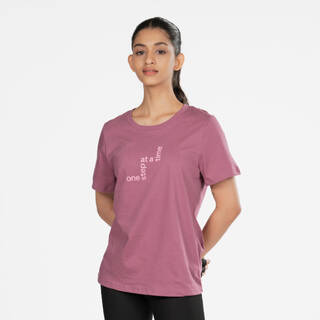


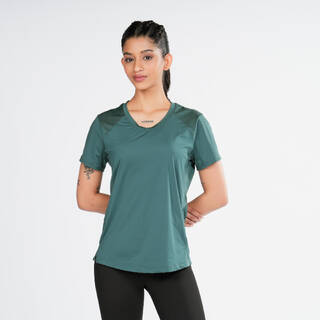
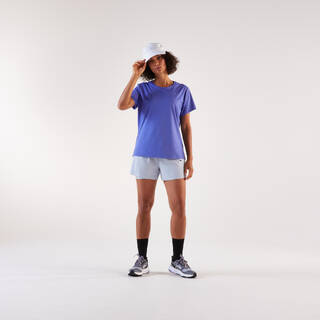
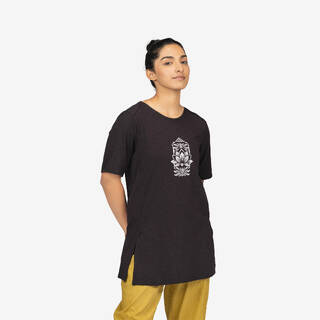
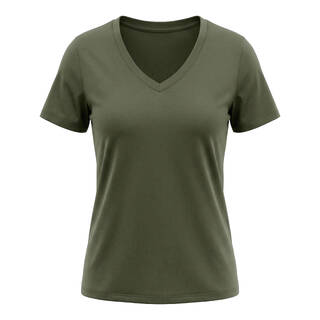
Engineered Fabric Weights and Moisture Transport for High-Humidity Training
Women's gym t-shirts in India must handle extreme sweat saturation during monsoon months and high-temperature training sessions. Domyos and Nyamba training tops use fabric GSM weights between 100 and 160, calibrated for specific workout intensities. Lightweight 100-115 GSM single-jersey knits deliver rapid moisture evacuation for cardio intervals and HIIT circuits, while 140-160 GSM double-knit constructions provide durability for heavy barbell lifts and floor exercises. The fabric architecture relies on hydrophilic polyester yarns that pull sweat away from skin through capillary action, spreading moisture across a larger surface area for faster evaporation.
Indian gym environments often lack climate control, creating humidity levels above 70 percent during summer and monsoon seasons. Standard cotton absorbs up to 25 times its weight in water and clings to skin, restricting movement and causing friction burns during overhead presses or burpees. Technical polyester blends absorb less than 0.4 percent of their weight, maintaining fabric structure and allowing air circulation between skin and garment. Mesh panel inserts along the spine, underarms, and side seams create ventilation channels that exhaust heat buildup during compound lifts. These engineered zones align with the body's primary sweat glands, located in the axillary region and along the thoracic spine.
Fabric hand feel matters for sustained wear during 60 to 90 minute training blocks. Brushed interior finishes reduce friction against sports bras and reduce chafing along shoulder blade contact points. Flatlock offset stitching eliminates raised seam ridges that cause irritation during kettlebell swings or plank holds. The construction method overlaps fabric edges and stitches them flat, creating a seam profile less than 1mm thick. This detail becomes critical during floor work, where traditional overlock seams dig into ribs or hips during Russian twists or side planks.
Cut Geometry and Fit Profiles for Unrestricted Range of Motion
Shoulder mobility dictates t-shirt pattern design. Raglan sleeve construction eliminates the shoulder seam, replacing it with a diagonal seam that runs from underarm to collarbone. This design allows full overhead extension without fabric bunching or restricting deltoid movement during shoulder presses, pull-ups, or medicine ball slams. Standard set-in sleeves create tension points at the shoulder joint when arms exceed 120 degrees of abduction, limiting performance in Olympic lifts and overhead squats. Raglan cuts distribute tension across a longer seam line, reducing stress concentration.
Hem length and torso coverage vary by training discipline. Cropped cuts ending at the natural waist suit yoga flows and Pilates reformer work, where longer hems bunch during inverted poses or roll up during leg lifts. Standard length cuts that reach mid-hip provide coverage during deadlifts and bent-over rows, preventing exposure during forward flexion. Extended length designs that graze the upper thigh work for layering over high-waisted leggings or for athletes who prefer maximum coverage during squats and lunges. Indian body proportions often feature shorter torso lengths relative to leg length, requiring adjusted pattern grading to maintain proper hem placement without excess fabric pooling at the waist.
Neckline engineering affects comfort during high-rep conditioning work. Crew necks with ribbed collars maintain shape after repeated wash cycles and resist stretching during overhead garment removal. V-neck cuts reduce fabric contact with the clavicle and upper sternum, minimizing heat retention in the chest region during intense cardio intervals. Scooped necklines provide the widest range of motion for neck extension and rotation during dynamic warm-ups or CrossFit complexes. Binding tape reinforces neckline edges, preventing the knit fabric from curling or losing elasticity after 50-plus laundry cycles.
Elastane Integration and Four-Way Stretch Mechanics for Compound Movements
Pure polyester fabrics offer minimal stretch, restricting movement during deep squats, overhead reaches, or lateral lunges. Elastane (spandex) integration at 5 to 15 percent by weight transforms rigid knits into responsive, elastic fabrics that return to original shape after stretching. Four-way stretch construction allows fabric to extend both horizontally (across the body) and vertically (along the body), accommodating multi-planar movements common in functional training and athletic conditioning. A 10 percent elastane blend provides approximately 30 to 40 percent stretch before reaching maximum extension, sufficient for most gym exercises without creating compression garment tightness.
Stretch retention determines long-term garment performance. Low-quality elastane degrades after 20 to 30 wash cycles, losing recovery force and causing fabric to sag or bag out at high-stress zones like elbows and lower back. Premium elastane fibers maintain 85 percent of original stretch recovery after 100 wash cycles, tested through repeated extension to 150 percent of resting length followed by relaxation. This durability matters for Indian consumers who train four to six days per week, generating 15 to 20 laundry cycles per month. Fabric fatigue shows first at armpit gussets and side seams, where repeated arm abduction creates maximum fiber strain.
Compression levels vary by elastane percentage and knit tightness. Training t-shirts with 5 to 8 percent elastane offer light compression that supports muscle oscillation during plyometric jumps or box step-ups without restricting breathing or blood flow. Higher elastane percentages (12 to 15 percent) create moderate compression suitable for recovery wear or base layers, but can feel restrictive during maximum effort lifts or sprint intervals. The ideal compression level allows you to pinch 2 to 3 centimeters of fabric away from skin at the bicep or ribcage, indicating adequate room for muscle expansion during contraction while maintaining contact for proprioceptive feedback.
Domyos and Nyamba Sub-Brand Technologies for Specialized Training Demands
Domyos serves as Decathlon's core fitness brand, covering general gym training, cardio work, and group fitness classes. The line emphasizes durability through reinforced stitching at stress points and uses mid-weight 140-150 GSM fabrics that balance breathability with abrasion resistance. Domyos t-shirts feature dropped back hems that prevent ride-up during forward bends and include reflective logos for early morning or late evening outdoor training sessions. The fit profile targets a relaxed, non-compressive silhouette that accommodates layering over sports bras or under hoodies during warm-up phases.
Nyamba focuses on cross-training, functional fitness, and high-intensity interval protocols. The sub-brand uses lighter 110-125 GSM fabrics with aggressive mesh paneling along the back and sides, prioritizing maximum ventilation over durability. Nyamba cuts run slightly more fitted than Domyos, reducing excess fabric that can catch on barbells during cleans or snatches. The brand incorporates anti-microbial treatments that inhibit odor-causing bacteria growth, extending wear time between washes during multi-session training days. This treatment uses silver ion technology embedded in the fiber structure, remaining effective for 30 to 50 laundry cycles before requiring reapplication.
Fabric hand feel differs noticeably between brands. Domyos uses a smoother, more cotton-like polyester texture that feels soft against skin and works well for beginners transitioning from casual cotton tees. Nyamba employs a slightly rougher, more technical hand feel with visible texture variation in the knit pattern, signaling performance intent to experienced athletes. Both brands avoid heavy branding or large graphic prints that add weight, trap heat, or create stiff zones that restrict movement. Minimal logo placement (typically a small chest or sleeve print) keeps the garment lightweight and maintains consistent stretch properties across the entire fabric panel.
Durability Benchmarks and Laundry Cycle Performance for Frequent Training
Indian training schedules often involve daily or twice-daily sessions, generating 20 to 30 laundry cycles per month for active gym-goers. Fabric durability depends on fiber quality, knit density, and seam construction. Single-jersey knits with thread counts below 150 threads per inch show pilling (surface fiber balls) after 15 to 20 washes, particularly in high-friction zones like underarms and lower back. Double-knit constructions with thread counts above 180 threads per inch resist pilling for 60-plus washes and maintain color saturation longer under repeated UV and detergent exposure.
Seam failure represents the primary durability concern. Overlock stitching (the most common method) uses 3 to 4 threads to wrap fabric edges, creating a seam that can unravel if a single thread breaks. Flatlock stitching interlocks two fabric edges with no thread wrapping, distributing stress across multiple thread loops and reducing single-point failure risk. Cover-stitch hems (used at sleeve and bottom edges) provide the highest durability by using 4 to 5 threads in a configuration that resists both vertical and horizontal stress. Check seam construction by gently pulling fabric perpendicular to the seam line. Quality seams show zero thread separation or fabric puckering under moderate tension.
Colorfastness determines whether garments fade to washed-out pastels or maintain original saturation. Dope-dyed polyester (where pigment is added during fiber extrusion rather than applied as surface dye) offers superior color retention, showing less than 10 percent color loss after 100 wash cycles. Surface-dyed fabrics can lose 30 to 40 percent color intensity after 50 washes, particularly in bright reds, blues, and blacks. Test colorfastness by rubbing a damp white cloth against the fabric. Zero color transfer indicates dope-dyed or high-quality reactive dyes. Visible color transfer suggests surface dyes that will fade rapidly with repeated washing and sun exposure during outdoor training sessions.
Sizing Systems and Fit Adjustments for Indian Body Proportions
European sizing systems often misalign with Indian body proportions, particularly in shoulder width, bust depth, and torso length ratios. Decathlon India uses adjusted grading that accounts for narrower shoulder frames and shorter torso lengths common in South Asian populations. A European size M typically measures 42-44 cm across the shoulders, while the India-specific M measures 40-42 cm, reducing excess fabric at the shoulder seam and preventing sleeve caps from sliding down the upper arm during overhead movements.
Bust accommodation varies by cut style. Straight-cut t-shirts provide a uniform width from chest to hem, working well for athletic builds with minimal bust projection. A-line cuts add 4 to 6 cm of width at the hem relative to the chest, accommodating curvier figures without creating tent-like volume through the midsection. Side darts (triangular fabric tucks) can add shaping through the waist, but reduce stretch and can create pressure points during torso rotation or side bends. Most training t-shirts avoid darts in favor of stretch fabric that naturally conforms to body contours without restricting movement.
Length measurements matter more than chest circumference for proper fit. Measure from the highest point of the shoulder (where it meets the neck) to the desired hem position. Standard lengths run 58-62 cm for sizes S to L, hitting mid-hip on most body types. Petite cuts reduce length by 4-6 cm, preventing excess fabric from bunching at the waist on shorter frames (under 155 cm tall). Tall cuts add 4-6 cm, maintaining proper coverage on taller athletes (over 170 cm) without requiring a size up that adds unwanted width through the chest and shoulders. Always prioritize length fit over chest fit, as stretch fabric accommodates 8-10 cm of chest variation within a single size.
FAQ (Frequently Asked Questions)
Q1. What GSM fabric weight works best for Indian gym conditions with limited air conditioning?
Choose 100-120 GSM fabrics for high-intensity cardio, HIIT, or spinning classes in non-air-conditioned gyms. These ultralight knits maximize airflow and moisture evaporation during peak sweat output. For strength training or moderate-intensity workouts in climate-controlled facilities, 140-160 GSM fabrics provide better durability and coverage without overheating. Heavier weights resist abrasion from barbell contact and floor exercises while still managing sweat effectively.
Q2. How does elastane percentage affect movement during overhead lifts and deep squats?
Elastane content between 8 and 12 percent provides optimal stretch for compound movements without creating compression garment tightness. This range allows 30-40 percent fabric extension, sufficient for full overhead reaches, deep squat depth, and lateral lunges. Below 5 percent elastane, fabric restricts shoulder abduction and hip flexion. Above 15 percent, the garment feels compressive and can restrict breathing during maximum effort sets.
Q3. What causes t-shirts to ride up during forward bends or deadlifts, and how do I prevent it?
Ride-up occurs when front and back hem lengths are equal, causing fabric to shift upward as your torso flexes forward. Look for dropped back hems (2-4 cm longer than the front) or curved hem designs that add length at the spine while maintaining shorter coverage at the front hip. Longer overall length (62-64 cm from shoulder to hem) also reduces ride-up but may feel too long during standing exercises.
Q4. Do Domyos and Nyamba t-shirts fit differently for the same marked size?
Yes. Domyos uses a relaxed fit with more room through the chest and arms, suitable for layering or athletes who prefer non-restrictive cuts. Nyamba runs slightly more fitted with reduced ease through the torso and sleeves, minimizing excess fabric during barbell work or gymnastics movements. If between sizes, choose the larger size in Nyamba or the smaller size in Domyos to achieve a similar fit profile.
Q5. How many washes before technical polyester t-shirts lose their moisture-wicking properties?
Quality polyester maintains moisture transport for 100-plus washes if laundered correctly (cold water, no fabric softener, air dry). Fabric softeners coat fibers with hydrophobic chemicals that block moisture absorption, degrading wicking after just 5-10 washes. High heat dryers can melt elastane fibers and distort knit structure, reducing performance after 20-30 cycles. Always wash inside-out in cold water and line dry to maximize garment lifespan.
Q6. What seam construction should I look for to avoid chafing during long training sessions?
Flatlock seams create the smoothest finish with less than 1mm raised profile, ideal for high-rep workouts or sensitive skin. These seams overlap fabric edges and stitch them flat rather than wrapping edges with thread. Check underarm seams, shoulder seams, and side seams, as these contact skin during arm raises and torso rotation. Avoid garments with overlock seams in high-friction zones, as the raised thread ridge causes irritation after 30-45 minutes of continuous movement.
Q7. Can I wear the same t-shirt for both gym training and outdoor running in Indian heat?
Lightweight 100-115 GSM t-shirts work for both applications if they include mesh ventilation panels and have a loose fit that allows air circulation. However, outdoor running generates higher sweat volumes and requires faster evaporation rates than indoor gym work. Dedicated running tops often use more aggressive mesh paneling (30-40 percent of total surface area versus 15-20 percent in gym tops) and lighter fabrics. For dual use, prioritize the lighter weight and accept slightly reduced durability during floor exercises.
Q8. How do I test if a t-shirt has enough stretch for CrossFit or functional training movements?
Perform an overhead squat test in the fitting room. Raise both arms fully overhead, then squat to parallel depth while keeping arms extended. The fabric should move with you without pulling tight across the shoulders, chest, or lower back. If you feel restriction or see fabric strain lines, the garment lacks adequate stretch or the size is too small. Quality four-way stretch fabrics show zero visible stress lines during this movement test.
Q9. What causes some polyester t-shirts to develop permanent odor even after washing?
Bacteria colonize polyester fibers and create biofilms that survive standard washing. This happens faster in high-humidity environments where garments don't fully dry between wears. Choose t-shirts with anti-microbial treatments (silver ion or zinc-based) that inhibit bacterial growth. Wash garments within 2-3 hours of training rather than leaving them in gym bags overnight. Add white vinegar (half cup) to the rinse cycle monthly to break down biofilm buildup that traps odor molecules.
Q10. Should I size up for a looser fit or stick to my measured size for technical gym t-shirts?
Stick to your measured size based on shoulder width and torso length. Technical fabrics include 8-12 percent stretch that provides comfort without sizing up. Oversized fits create excess fabric that catches on equipment, bunches during floor work, and reduces the moisture-wicking efficiency by preventing fabric contact with skin. If you prefer a relaxed feel, choose Domyos over Nyamba rather than sizing up, as the brand naturally cuts roomier through the body while maintaining proper shoulder and sleeve proportions.