Golf Gloves

Cabretta Leather vs Synthetic Microfiber: Grip Durability Under Indian Humidity
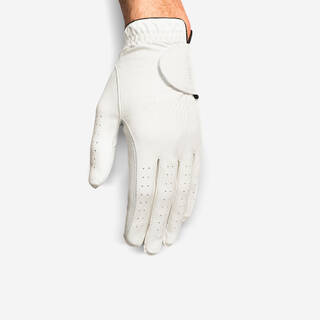
Golf gloves engineered for Indian courses must survive two extremes: 40°C plus heat with 80% humidity during monsoon rounds, and dry winter mornings where synthetic materials turn slippery. Premium cabretta leather gloves deliver superior tactile feedback because the natural grain structure wicks moisture through microscopic pores while maintaining friction coefficients above 0.6 even when saturated. Synthetic microfiber alternatives use polyurethane coatings with raised dot patterns to simulate leather grip, offering longer wear cycles (150 to 200 rounds vs 80 to 100 for leather) but slightly reduced sensory connection to club grip texture.
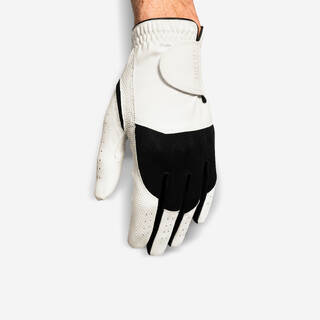
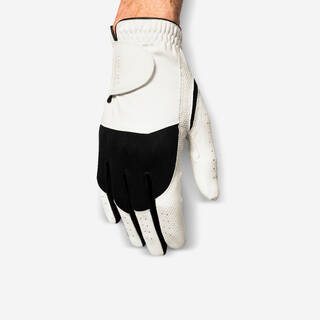
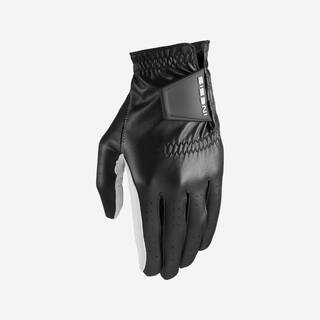
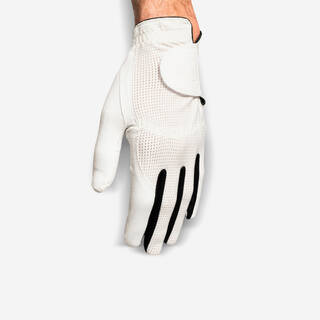
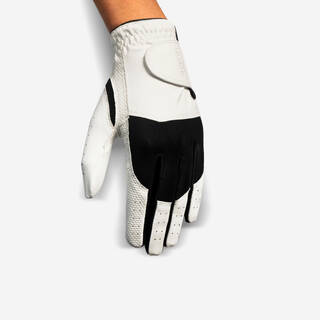
Decathlon's Inesis golf gloves balance these trade-offs through hybrid construction: cabretta palm panels for direct contact zones (thumb pad, index finger, heel of hand) combined with synthetic mesh dorsals for breathability. This reduces sweat pooling across knuckles during back-nine play when core temperatures rise. For golfers playing coastal courses like Goa or Chennai where salt-laden air accelerates leather degradation, full synthetic gloves with silicone-printed palms extend usable lifespan by 60% compared to untreated leather. The choice hinges on swing speed priorities. Players generating clubhead speeds above 95 mph need maximum tactile precision during impact (leather advantage), while recreational golfers prioritize durability and washability (synthetic advantage).
Fit tolerances matter more than material. A glove should wrinkle-free across the palm when forming a fist, with fingertip seams sitting 2 to 3 mm behind nail beds. Excess material bunches during grip pressure, creating hotspots that blister after 12 to 15 holes. Indian hand dimensions often require adjusted sizing: many domestic golfers find standard Western medium sizes too wide across the palm relative to finger length. Inesis gloves use anatomical patterning with tapered finger channels and reinforced thumb gussets to accommodate these proportions without requiring custom orders.
Left Hand vs Right Hand Glove Selection: Clarifying the Confusion for New Golfers
Golf glove nomenclature confuses beginners. A right-handed golfer wears a glove on the left hand (the lead hand that grips highest on the club shaft). Conversely, left-handed players glove their right hand. This convention exists because the lead hand controls swing plane and face angle through impact, requiring maximum friction security. The trailing hand (lower on the grip) provides power but less directional control, so most golfers leave it bare to preserve sensory feedback during release.
Some advanced players wear gloves on both hands in extreme heat or when playing multiple rounds per day. Dual-glove setups reduce cumulative grip fatigue and prevent blisters on the trailing hand's pressure points (base of pinky and ring fingers). However, this approach sacrifices some shot-shaping feel. For Indian golfers playing summer tournaments where ambient temperatures exceed 38°C by 11 AM, dual synthetic gloves with perforated ventilation panels maintain grip security without overheating. The trade-off: slightly muted feedback on delicate chips and bunker shots where bare-hand touch proves advantageous.
Closure Systems: Velcro Straps, Elastic Cuffs, and Wrist Stability During Full Swings
Wrist closure design directly impacts swing consistency. Velcro tab closures allow micro-adjustments throughout a round as hands swell from heat and grip pressure. Position the strap snug enough to prevent the glove rotating during impact (a 3 to 5 degree twist alters clubface angle by up to 8 yards offline), but loose enough to avoid restricting ulnar deviation during the backswing. Elastic slip-on gloves eliminate adjustment variables but require precise sizing: too tight and they restrict blood flow to fingers after 9 holes, too loose and they bunch in the palm.
Inesis gloves use dual-closure systems on performance models: a primary Velcro strap for macro fit, plus a secondary elastic band at the wrist base to prevent ride-up during follow-through. This matters most for golfers with high swing speeds (above 90 mph driver speed) where centrifugal forces pull the glove toward fingertips through impact. The elastic anchor keeps the palm panel aligned with the thenar eminence (the fleshy mound below the thumb), maintaining consistent pressure distribution across all grip zones. For casual golfers playing monthly social rounds, single-strap designs suffice and simplify the wearing process.
Ventilation Engineering: Mesh Panels and Perforation Patterns for Monsoon Play
Indian monsoon golf presents a paradox: hands need grip security despite constant moisture, yet non-breathable gloves turn into sweat reservoirs within six holes. Advanced ventilation solves this through strategic perforation placement. Laser-cut holes across the dorsal knuckle zones (where flexion creates air-pumping action) evacuate humid air without compromising palm-side grip integrity. Mesh inserts between fingers enhance lateral airflow, reducing the clammy sensation that causes golfers to remove gloves mid-round and lose consistency.
Decathlon's Inesis range incorporates 3D mesh gussets in the finger valleys, areas that trap sweat but don't contact the club grip. These panels use hydrophobic polyester that repels moisture accumulation while allowing vapor transmission rates above 8,000 g/m² per 24 hours. Compare this to non-vented leather gloves at 2,000 g/m² and the comfort difference becomes measurable. For golfers playing early morning rounds in Bangalore or Pune where dew-soaked grasses wet gloves by the third fairway, quick-dry synthetics with perforated palms restore tackiness within 90 seconds of exposure to air, versus 8 to 10 minutes for solid leather.
Sizing Precision: Measuring Hand Circumference and Matching Inesis Fit Charts
Accurate glove sizing requires measuring hand circumference at the widest point (excluding the thumb), typically across the knuckles when making a flat hand. Wrap a tailor's tape measure around this zone: 18 to 19 cm equals small, 20 to 21 cm equals medium, 22 to 23 cm equals large, and 24 cm plus equals extra-large. These measurements assume average finger length proportions. Golfers with shorter fingers relative to palm width should size down and accept slightly tighter palm fit to avoid excess fingertip material. Those with longer fingers may need to size up despite looser palm feel.
Inesis gloves use European sizing standards with half-size increments (S, M-L, L, XL) to bridge fit gaps. The break-in period for leather gloves spans 3 to 5 rounds as the material conforms to individual hand topography and grip pressure patterns. Synthetic gloves require minimal break-in but offer less adaptive molding. Test fit by gripping a club: the glove should feel like a second skin with zero slippage when applying 70% of maximum grip pressure. Any movement between glove and skin during this test indicates undersizing. Conversely, visible wrinkles across the palm when gripping signal oversizing. For online purchases, measure both hands since dominant-hand dimensions often differ by 5 to 8 mm due to muscle development.
Maintenance Protocols: Extending Glove Lifespan Through Proper Drying and Storage
Leather golf gloves degrade rapidly when stored damp. After each round, remove the glove and reshape it over a glove form or stuff with newspaper to maintain finger contours while drying. Never leave leather gloves in golf bags where trapped humidity accelerates bacterial growth and material breakdown. Air-dry at room temperature for 12 to 18 hours before next use. Avoid direct sunlight or heat sources (car dashboards, radiators) that cause leather to stiffen and crack. For multi-day tournaments, rotate between two gloves to allow full drying cycles.
Synthetic gloves tolerate more aggressive care. Hand-wash with mild detergent after 4 to 5 rounds to remove salt deposits from sweat, which crystallize and abrade synthetic fibers. Rinse thoroughly and air-dry flat. Machine washing degrades Velcro closures and distorts elastic components, reducing usable life by 30%. Store all gloves flat or hanging by the wrist strap, never crumpled in pockets where creases become permanent stress points. Indian golfers playing in high-UV environments (Rajasthan, Gujarat courses) should note that prolonged sun exposure fades synthetic dyes and weakens polyurethane coatings. UV-stabilized gloves (marked with UV40 or UV50 ratings) resist this degradation, maintaining grip texture for 40% more rounds in harsh sunlight.
FAQ (Frequently Asked Questions)
Q1. How do I determine the right size golf glove?
To find the perfect fit, measure the circumference of your hand at the knuckles, excluding the thumb. Most glove sizes correspond to this measurement in inches or centimeters. Additionally, many gloves come in different size ranges for men, women, and juniors.
Q2. Can I wear a golf glove on both hands?
While it's common to wear a glove on the non-dominant hand for better grip and control, some golfers prefer to wear gloves on both hands. This is a personal preference and can provide additional protection and grip for your lead hand.
Q3. How often should I replace my golf glove?
The lifespan of a golf glove depends on various factors, including the material, frequency of use, and how well it's maintained. As a general rule, it's recommended to replace your glove every 10-15 rounds or when it starts to show signs of wear and tear, such as loose stitching or loss of grip.
Q4. Are leather golf gloves better than synthetic ones?
Both leather and synthetic golf gloves have their advantages. Leather gloves are known for their superior grip and durability, while synthetic gloves offer breathability, flexibility, and often come at a more affordable price point. The choice ultimately depends on your personal preferences and playing conditions.
Q5. Can I wash my golf glove?
It's generally not recommended to machine wash golf gloves, as this can cause shrinkage and damage to the materials. Instead, spot clean your glove with a mild soap and water solution, and allow it to air dry completely before wearing it again.
Q6. Do Decathlon golf gloves come with any warranty or guarantee?
At Decathlon, we stand behind the quality of our products. Many of our golf gloves come with a manufacturer's warranty or guarantee against defects in materials and workmanship. Check the product details for specific warranty information.
Q7. Can I try on golf gloves at Decathlon stores?
Absolutely! We encourage you to visit one of our Decathlon stores and try on different golf gloves to find the perfect fit. Our knowledgeable staff will be happy to assist you and provide personalized recommendations based on your needs and preferences.
Q8. Do you offer golf gloves for left-handed golfers?
Yes, we understand the importance of catering to both right-handed and left-handed golfers. Our collection includes golf gloves specifically designed for left-handed players, ensuring a comfortable and secure fit for your lead hand.
Q9. Can I return or exchange a golf glove if it doesn't fit properly?
At Decathlon, we want you to be completely satisfied with your purchase. If the golf glove you've chosen doesn't fit properly, you can return or exchange it according to our return policy. Simply visit your nearest Decathlon store or contact our customer service team for assistance.
Q10. Do you offer any discounts or promotions on golf gloves?
We frequently run promotions and offer discounts on our golf gloves and other golf equipment. Be sure to check our website or sign up for our newsletter to stay informed about the latest deals and special offers.
Q11. Which hand do I wear a golf glove on if I am right-handed?
Right-handed golfers wear the glove on their left hand, which is the lead hand (top hand on the grip). This hand controls swing plane and clubface angle, requiring maximum friction security. The right hand remains bare to preserve tactile feedback during the release phase.
Q12. How do I choose between leather and synthetic golf gloves for playing in Indian heat?
Leather gloves (cabretta) provide superior grip feel and tactile precision, ideal for players with swing speeds above 95 mph who need maximum shot control. Synthetic gloves last 60% longer, dry faster after monsoon rounds, and tolerate machine washing. For coastal courses or high-humidity regions, synthetic microfiber with perforated palms maintains grip security better than leather when saturated.
Q13. What size golf glove should I buy if my hand measures 21 cm around the knuckles?
A 21 cm hand circumference (measured across knuckles excluding thumb) corresponds to a medium size in most golf glove charts. Try the glove by gripping a club at 70% pressure: zero slippage and no palm wrinkles indicate correct fit. If you have longer fingers relative to palm width, consider medium-large for better fingertip coverage.
Q14. How many rounds can I expect from an Inesis golf glove before replacement?
Cabretta leather gloves last 80 to 100 rounds with proper care (air-drying after each use, avoiding heat exposure). Synthetic Inesis gloves extend to 150 to 200 rounds due to more durable polyurethane construction. Replace when palm grip zones become smooth and shiny, or when fingertip seams tear, both indicating loss of friction security.
Q15. Can I wash my golf glove after it gets muddy during monsoon play?
Synthetic gloves tolerate hand-washing with mild detergent and cool water. Rinse thoroughly and air-dry flat. Leather gloves should only be wiped with a damp cloth and never submerged, as water saturation causes stiffening and cracking. For heavy mud, let leather dry completely, then brush off debris with a soft bristle brush.
Q16. Do I need different gloves for driving range practice versus actual rounds?
Many golfers use older or synthetic practice gloves for range sessions (where 100 to 150 swings per session accelerate wear) and reserve premium leather gloves for competition rounds. This extends the lifespan of high-tactile gloves for situations where shot precision matters most. Practice gloves can be one size looser for comfort during repetitive swings.
Q17. Why do some golf gloves have mesh panels between the fingers?
Mesh gussets in finger valleys enhance lateral airflow and reduce sweat accumulation without compromising palm grip integrity. These 3D mesh inserts use hydrophobic polyester that wicks moisture away from skin, maintaining comfort during 18-hole rounds in temperatures above 35°C. The ventilation prevents the clammy sensation that causes mid-round glove removal and inconsistent grip pressure.
Q18. Should I wear a golf glove on both hands during summer tournaments?
Dual-glove setups reduce grip fatigue and prevent blisters on the trailing hand during multi-round events in extreme heat. However, this sacrifices some shot-shaping feel, particularly on delicate chips and bunker shots. Most recreational golfers benefit from single-glove use, while competitive players in 36-hole formats may adopt dual gloves for the second round to manage cumulative hand stress.
Q19. How tight should the Velcro strap be on my golf glove?
Adjust the Velcro strap snug enough to prevent the glove rotating 3 to 5 degrees during impact (which alters shot direction by up to 8 yards), but loose enough to avoid restricting wrist hinge during the backswing. You should be able to slide one fingertip between the strap and your wrist. Re-tighten after 9 holes as hands swell from heat and grip pressure.
Q20. Can I use the same golf glove for driving and putting?
Yes, though some tour players remove their glove for putting to enhance tactile feedback on the grip during delicate distance control. For amateur golfers, keeping the glove on maintains consistent grip pressure patterns across all shots. If you prefer bare-hand putting, store the removed glove flat in a pocket rather than crumpling it, which creates permanent creases and stress points.