Gym Bags


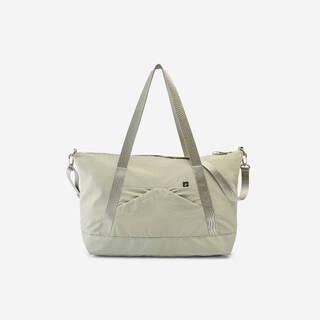


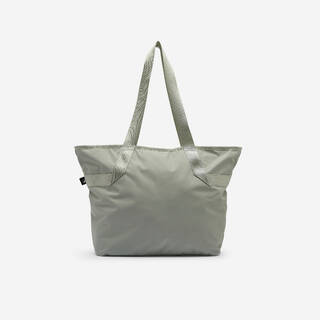
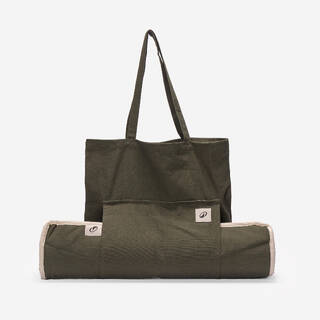
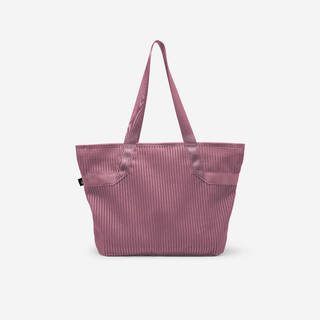


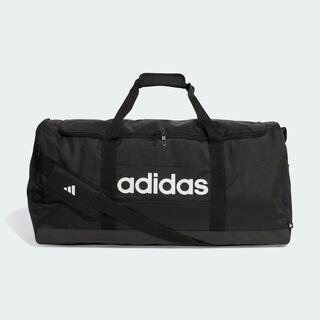


Domyos Gym Bags: Engineered Compartments for Sweat-Soaked Gear and Daily Commutes
Domyos gym bags prioritize ventilated storage for damp workout clothing and structured organization for daily essentials. Core construction uses 600D polyester ripstop fabric with reinforced base panels rated to withstand repeated floor contact in locker rooms and metro train racks. Ventilated shoe compartments feature perforated mesh sidewalls that accelerate moisture evaporation during monsoon humidity cycles, preventing bacterial odor buildup in enclosed spaces. Main compartments integrate water-resistant linings (3000mm PU coating) to isolate wet towels or post-swim gear from electronics and office documents during mixed-use commutes.
Shoulder strap systems employ 40mm webbing with dual-layer foam padding and adjustable sternum clips for load distribution across 8 to 15 kg carry weights. Padded back panels use 8mm EVA foam with air-channel grooves to reduce sweat accumulation during 20 to 30 minute walks from home to gym facilities. External quick-access pockets accommodate 750ml to 1000ml water bottles, resistance bands, or charging cables without requiring full bag unzipping. Reinforced grab handles use box-stitch construction with bartack reinforcement at stress points, tested to 25 kg vertical lift cycles for overhead locker placement in buses or shared transport.
Ventilated Shoe Compartments and Moisture Barrier Technologies for Indian Climate Conditions
Separate shoe compartments solve the critical issue of post-workout footwear contamination in high-humidity environments. Mesh-lined dividers allow airflow while containing dirt and sweat from training shoes, preventing cross-contamination with clean clothing or meal prep containers. Bottom compartments typically measure 32cm x 18cm x 12cm, accommodating UK size 6 to UK size 11 training footwear with adequate clearance for bulky cushioned soles. Zipper closures use semi-auto lock sliders with rubber pulls for single-handed operation when juggling keys or gym access cards.
Internal wet-dry separation employs TPU-coated nylon barriers that prevent moisture migration during monsoon season transport. Sealed seams at base corners block sweat seepage from saturated gym towels or rain-soaked outerwear. This construction proves essential for apartment dwellers who store bags in shared hallways or compact bedroom spaces where odor control directly impacts living conditions. Antimicrobial fabric treatments on interior linings inhibit mold growth during extended storage periods between workout sessions, particularly relevant for users training 3 to 4 times weekly rather than daily.
Duffel vs Backpack Configurations: Load Distribution for Multi-Modal Indian Commutes
Duffel-style gym bags with dual carry handles and detachable shoulder straps suit car commuters and users with short walking distances under 500 meters. Cylindrical body shapes maximize packing volume (typically 30L to 50L capacity) while maintaining compact footprints for car boot storage alongside grocery bags or office briefcases. Side compression straps cinch down partially filled bags to prevent internal cargo shifting during vehicle transport, maintaining organized compartment separation.
Backpack-format gym bags distribute weight bilaterally across both shoulders, critical for cyclists, two-wheeler riders, or metro commuters walking 1 to 3 km daily. Contoured S-curve shoulder straps align with natural spine curvature, reducing trapezius muscle fatigue during 15 to 45 minute commutes with 6 to 10 kg loads. Chest straps stabilize bags during cycling or jogging to gym facilities, preventing lateral sway that disrupts balance on crowded footpaths. Rear laptop sleeves (fitting 13 to 15.6 inch devices) enable direct office-to-gym transitions without requiring separate work bags, streamlining gear management for professionals training during lunch breaks or post-work hours.
Capacity Selection: Matching Liter Volume to Training Frequency and Gear Requirements
Compact 20L to 30L bags suit minimalist gym-goers carrying single outfit changes, one pair of training shoes, and basic toiletries. This capacity range fits into standard gym lockers (typically 30cm x 40cm x 50cm) without requiring folding or compression. Ideal for bodyweight training, yoga sessions, or cardio-only workouts where specialized equipment stays at the facility. External dimensions typically measure 45cm x 25cm x 20cm, sliding under airplane seats or fitting into office desk footwells during workday storage.
Mid-range 35L to 50L bags accommodate CrossFit athletes, swimmers, or multi-sport trainers requiring lifting belts, knee sleeves, swim goggles, multiple towels, and post-workout meal containers. Main compartments expand to hold 2 to 3 complete outfit changes plus bulky items like foam rollers (30cm length) or boxing gloves. This capacity supports users training 5 to 6 days weekly who launder gear at home rather than using gym facilities. Large 55L to 70L duffels serve weekend warriors packing for overnight sports camps, marathon travel kits, or family swimming outings requiring gear for multiple users. Reinforced bases on larger models use 1200D ballistic nylon to withstand repeated concrete floor contact at outdoor training venues or stadium locker rooms.
Zipper Durability and Hardware Specifications for High-Cycle Daily Use
YKK #5 and #8 coil zippers form the mechanical backbone of gym bags subjected to 2 to 10 daily open-close cycles. Coil construction (versus toothed zippers) resists jamming when fabric edges catch during hurried packing in crowded locker rooms. Self-healing zipper technology allows sliders to realign separated coils without permanent track damage, extending functional lifespan to 5000+ cycles before requiring replacement. Oversized zipper pulls (40mm to 60mm length) enable gloved operation during winter morning outdoor training or single-handed opening when carrying water bottles.
Reinforced zipper tape uses triple-needle stitching with 5mm seam allowances to prevent tape pullout under load stress. Critical stress points at bag corners employ bartack reinforcement (12 to 16 stitch passes) that distributes tension across wider fabric areas. Lockable zipper sliders on main compartments accommodate small padlock hasps (6mm to 8mm shackle diameter) for securing valuables in shared gym spaces or public transport overhead racks. Corrosion-resistant zipper finishes (nickel-free coatings) maintain smooth operation despite exposure to chlorinated pool environments or high-salinity coastal air in Mumbai, Chennai, or Goa gym facilities.
Maintenance Protocols: Extending Fabric Lifespan in Dust and Humidity Exposure
Polyester ripstop fabrics require monthly spot-cleaning with mild detergent solutions (pH 6 to 8) to remove accumulated sweat salts and urban dust particulates. Avoid machine washing unless manufacturer tags explicitly permit it, as agitator action can delaminate internal PU coatings or damage padded compartment structures. Hand-washing in 25 to 30 degree Celsius water with soft-bristle brushes effectively removes ground-in dirt from base panels without compromising fabric integrity. Air-dry bags in shaded, ventilated areas rather than direct sunlight, which degrades polyester UV stabilizers over 6 to 12 month exposure periods.
Empty and invert bags weekly to shake out accumulated chalk dust, protein powder residue, or sand from outdoor training venues. Wipe interior linings with diluted white vinegar solutions (1:4 vinegar to water ratio) to neutralize odor-causing bacteria without introducing harsh chemical residues. Store bags in dry, elevated locations rather than damp bathroom floors or vehicle boots where trapped moisture accelerates mold growth. Periodic inspection of strap attachment points and base seams allows early detection of thread wear before catastrophic failure occurs mid-commute. Replace bags when zipper tracks show permanent separation, base fabric develops holes larger than 5mm diameter, or shoulder strap foam compresses beyond 50% original thickness, indicating structural fatigue that compromises load-bearing safety.
FAQ (Frequently Asked Questions)
Q1. What bag capacity do I need for daily gym sessions with one outfit change and shoes?
A 25L to 30L bag provides adequate space for single outfit changes, one pair of training shoes, a towel, and basic toiletries. This capacity fits standard gym lockers and works well for strength training or cardio-only sessions. If you carry additional items like resistance bands, foam rollers, or meal containers, consider 35L to 40L options for comfortable packing without compression.
Q2. How do ventilated shoe compartments prevent odor buildup in monsoon humidity?
Mesh-lined shoe compartments allow continuous airflow around damp footwear, accelerating moisture evaporation that inhibits bacterial growth. Perforated sidewalls create cross-ventilation even when the main bag is closed, preventing the enclosed humidity that causes persistent odors. This design proves critical during June to September monsoon months when shoes remain damp for extended periods between training sessions.
Q3. Can gym bags withstand daily metro commutes and concrete floor contact?
Bags constructed with 600D to 1200D polyester bases and reinforced bottom panels handle repeated floor contact on concrete platforms and locker room tiles. Look for models with rubberized or PVC base reinforcements that resist abrasion from dragging across rough surfaces. Reinforced stitching at stress points (corners and strap attachments) ensures structural integrity through 12 to 24 months of daily commuter use.
Q4. What is the difference between duffel and backpack gym bags for cycling commutes?
Backpack-format bags distribute weight across both shoulders and keep hands free for handlebar control during cycling. Chest straps prevent lateral movement that could disrupt balance on crowded roads. Duffel bags require one-shoulder carrying or handlebar mounting, which creates uneven weight distribution and reduces maneuverability. For regular cycling commutes over 2 km, backpack configurations provide superior stability and comfort.
Q5. How do I clean gym bags without damaging water-resistant coatings?
Spot-clean with mild detergent and lukewarm water using soft brushes, avoiding machine washing unless explicitly permitted by care labels. Harsh agitation can delaminate internal PU coatings that provide water resistance. Air-dry in shaded areas rather than direct sunlight, which degrades polyester fibers and coating adhesion over time. Monthly cleaning prevents sweat salt accumulation that accelerates fabric degradation.
Q6. Do separate wet-dry compartments actually prevent moisture leakage to electronics?
Quality bags use TPU-coated barriers with sealed seams at compartment junctions to block moisture migration. These barriers withstand typical gym towel dampness and light rain exposure during commutes. However, they are not fully waterproof submersion barriers. For absolute protection of laptops or tablets, use additional waterproof pouches inside wet-dry compartments, especially during heavy monsoon downpours.
Q7. What shoulder strap width and padding thickness reduce discomfort during long walks?
Straps measuring 40mm to 50mm wide with dual-layer foam padding (8mm to 12mm thickness) distribute weight effectively for 6 to 12 kg loads during 20 to 40 minute walks. Contoured S-curve designs align with shoulder anatomy to reduce pressure points. Adjustable chest straps transfer some load to the torso, reducing shoulder fatigue. Mesh backing on straps improves ventilation during hot weather commutes.
Q8. Can I fit a 15.6 inch laptop along with full gym gear in one bag?
Bags with dedicated laptop sleeves in rear compartments (separate from main gear storage) accommodate 15.6 inch devices alongside full gym kits in 40L to 50L capacities. The separation prevents hard laptop edges from pressing against water bottles or shoes. Padded sleeves provide shock absorption during commutes. This configuration suits professionals training directly before or after office hours without needing separate work bags.
Q9. How long do YKK zippers last with twice-daily opening and closing?
YKK #5 and #8 coil zippers typically withstand 5000 to 8000 cycles before showing wear. At twice-daily use (730 cycles yearly), expect 6 to 10 years of functional life with proper maintenance. Self-healing coil designs resist jamming better than toothed zippers. Periodically clean zipper tracks with dry brushes to remove dust and chalk residue that accelerates wear. Lubricate with silicone spray (not oil-based products) if sliders become stiff.
Q10. Are antimicrobial fabric treatments safe and do they remain effective after washing?
Antimicrobial treatments use silver ion or zinc-based compounds that inhibit bacterial growth without harmful chemical off-gassing. Effectiveness gradually diminishes after 15 to 25 wash cycles as treatments leach from fabric surfaces. For maintained odor control, air-dry bags thoroughly after each use and employ periodic vinegar wipe-downs to naturally suppress bacterial colonies. Treatments provide initial protection but require supplementary hygiene practices for long-term odor management.