Headlamps


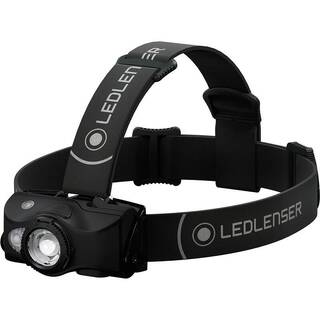
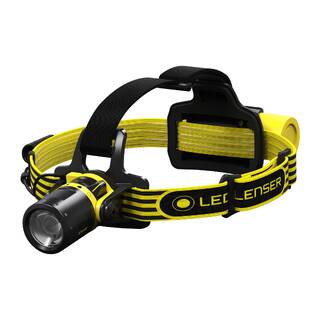
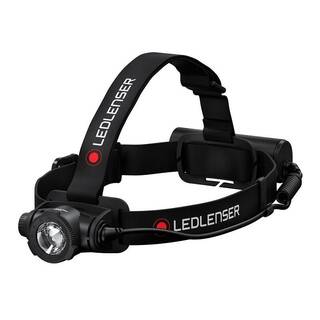
Lumen Output, Beam Distance, and Battery Runtime for Indian Trekking and Trail Conditions
Headlamp performance hinges on three interdependent parameters: lumen output (measured in lumens), beam throw distance (measured in meters), and continuous runtime (measured in hours). For Indian Himalayan trails, Western Ghats night treks, and monsoon forest navigation, a minimum 100-lumen output delivers adequate near-field visibility for camp setup and trail markers within 10 to 15 meters. Mid-range 200 to 300-lumen models project focused beams up to 50 to 70 meters, suitable for technical scrambles, river crossings, and wildlife awareness in Corbett or Bandipur buffer zones. High-output 400+ lumen headlamps with reflector or lens-focused optics achieve 100+ meter beam distances, critical for alpine glacier traverses, pre-dawn summit pushes, or emergency signaling across ridgelines.
Battery chemistry directly governs runtime stability and cold-weather reliability. Alkaline AAA cells deliver 3 to 6 hours at maximum brightness but voltage drops sharply below 10°C, common at 3000+ meter Himalayan campsites. Lithium primary cells (non-rechargeable) maintain voltage output down to minus 20°C and offer 30 to 50 percent longer runtime, ideal for winter Roopkund or Stok Kangri expeditions. Rechargeable lithium-ion integrated packs (typically 1200 to 2000 mAh) provide USB-C fast charging, eliminating disposable cell waste and supporting multi-day treks where solar panels or power banks are carried. Quechua and Forclaz headlamps specify runtime at both maximum and reserve modes (typically 10 to 20 lumens), ensuring you retain navigational light for 20 to 40 hours during battery depletion phases.
Beam pattern engineering separates flood (wide-angle) from spot (focused) illumination. Flood beams (120° to 160° spread) suit camp cooking, tent interior tasks, and close-range trail reading where peripheral vision prevents ankle rolls on uneven laterite or basalt. Spot beams (15° to 30° concentration) maximize throw distance for route finding across scree fields, identifying cairns on ridges, or spotting reflective trail markers in dense Shola forests. Hybrid dual-LED systems combine both patterns with independent switching, allowing simultaneous flood for footing and spot for distant landmark identification. Red or green auxiliary LEDs preserve night-adapted vision (rhodopsin regeneration takes 20 to 30 minutes), critical for astronomy sessions, wildlife observation, or maintaining group night vision during multi-person treks.
IPX Waterproof Ratings, Dust Ingress Protection, and Monsoon Reliability Standards
Ingress Protection (IP) ratings define resistance to solid particles (first digit) and liquid intrusion (second digit). For Indian monsoon trekking, a minimum IPX4 rating ensures protection against splashing rain from any direction, adequate for light drizzle on Sahyadri ridge walks or misty mornings in Meghalaya. IPX6 certification withstands powerful water jets (100 liters per minute at 100 kPa pressure), necessary for heavy monsoon downpours in Coorg, Munnar, or Darjeeling tea estates where rainfall intensity exceeds 50mm per hour. Full IP67 or IP68 ratings guarantee submersion protection at 1 meter depth for 30 minutes, essential if you ford swollen streams, navigate waterfall spray zones, or accidentally drop the headlamp into puddles during night camp setups.
Dust ingress (first digit 5 or 6) prevents fine silt, volcanic ash, or Thar Desert sand from penetrating LED housings, battery compartments, and switch mechanisms. Rubber gasket seals around battery doors and silicone O-rings at lens interfaces maintain IP integrity across 500+ open/close cycles. Ultrasonic welding of polycarbonate housings (versus mechanical screws) eliminates micro-gaps where moisture vapor condenses during high-altitude temperature swings (daytime 25°C dropping to nighttime minus 5°C at 4000+ meters). Forclaz expedition headlamps undergo freeze-thaw cycle testing (minus 20°C to plus 40°C repeated 50 times) to verify seal integrity and prevent lens fogging, battery corrosion, or switch failure during multi-week Zanskar or Spiti expeditions.
Strap and housing materials must resist UV degradation, fungal growth, and sweat salt accumulation. Medical-grade silicone straps (Shore A hardness 40 to 60) remain supple across minus 10°C to plus 50°C, won't crack under UV exposure at 3000+ meter altitudes, and rinse clean of dried sweat salts. Polycarbonate lens covers (versus acrylic) resist scratching from backpack abrasion, maintain optical clarity after 1000+ hours of UV exposure, and won't yellow or haze. Anti-slip silicone grip strips on rear battery housings prevent the headlamp from sliding down sweat-soaked foreheads during steep ascents or humid coastal night hikes.
Strap Ergonomics, Weight Distribution, and Helmet Compatibility for Multi-Activity Use
Headlamp mass and center-of-gravity placement determine comfort during 6 to 10-hour night treks or extended camp tasks. Ultra-compact models (60 to 80 grams with batteries) position the entire assembly on the forehead, suitable for running, fast-packing, or minimalist overnight hikes where every gram counts. Mid-weight designs (100 to 150 grams) balance LED housings on the front with rear battery packs connected via cable, distributing load across the skull's circumference and reducing pressure on the frontal bone. This configuration suits technical climbs, via ferrata routes, or multi-pitch rock sessions where head tilts and rapid movements are frequent.
Elastic strap width and tensioning systems affect stability and pressure distribution. Narrow 15mm single straps suffice for stationary camp use but migrate during trail running or scrambling. Wide 20 to 25mm straps with top-of-head cross-bracing (forming a T or Y configuration) lock the headlamp against the skull, preventing bounce during high-cadence running or sudden head turns when navigating boulder fields. Micro-adjustable buckles with 1mm increment tensioning allow precise fit across beanies, buffs, or bare heads without over-tightening that causes frontal headaches after 2+ hours of wear. Washable, moisture-wicking strap liners (often perforated mesh or terry cloth backing) absorb sweat and prevent salt crust buildup that degrades elastic over 50+ use cycles.
Helmet clip mounts (universal or brand-specific) enable attachment to climbing helmets, cycling helmets, or hard hats without strap interference. Spring-loaded clips or Velcro cradles secure the headlamp to helmet ventilation slots or rear adjustment dials, maintaining beam alignment during rappels, mountain biking on Manali trails, or construction site inspections. Quechua mountaineering headlamps include removable clips compatible with Simond climbing helmets, ensuring the light source remains stable during ice axe swings, crampon front-pointing, or belaying in dark alpine starts. Tilt mechanisms (typically 0° to 90° in 15° increments with ratchet locks) allow precise beam angle adjustment without readjusting the entire strap, critical when transitioning from distant route scanning to close-range map reading or stove operation.
Brightness Modes, Dimming Control, and Battery Management for Extended Expeditions
Multi-mode operation balances light output with battery conservation. Entry-level headlamps offer 2 to 3 fixed modes (high, medium, low) with simple push-button cycling. Advanced models provide 5+ modes including turbo boost (400+ lumens for 30 to 60 seconds before thermal step-down), standard high (200 to 300 lumens), medium (80 to 120 lumens for general trekking), low (10 to 30 lumens for camp tasks), and ultra-low reserve (1 to 5 lumens lasting 100+ hours for emergency navigation). Stepless dimming via long-press buttons or rotary dials allows infinite brightness adjustment between 10 and 300 lumens, optimizing battery life for specific tasks like reading maps (50 lumens), cooking (100 lumens), or scanning distant trails (250+ lumens).
Battery level indicators (LED color-coded or segmented displays) prevent unexpected shutdowns during critical navigation phases. Three-stage indicators (green above 60%, amber 30 to 60%, red below 30%) provide advance warning to switch to reserve cells or activate power-saving modes. Intelligent power management circuits automatically step down brightness as voltage drops, extending usable runtime by 20 to 40 percent compared to unregulated circuits that abruptly cut off. Lockout modes (activated via 3-second button holds or mechanical switches) prevent accidental activation inside backpacks, conserving battery during multi-day carries where the headlamp remains packed for 8 to 12 hours daily.
Reactive lighting technology (found in premium Forclaz models) uses proximity sensors to auto-adjust brightness based on reflected light from nearby surfaces. When you look down at your feet (high reflected light), the sensor dims output to 30 to 50 lumens, conserving battery. When you scan distant ridges (low reflected light), brightness ramps to 200+ lumens within 0.5 seconds. This adaptive system extends battery runtime by 30 to 50 percent during mixed-use trekking where you alternate between near-field footing checks and distant landmark identification. Manual override buttons allow instant return to fixed modes when sensor responsiveness isn't desired, such as during static camp setup or group navigation where consistent light levels aid coordination.
LED Lifespan, Color Temperature Selection, and Optical Efficiency for Varied Terrain
Modern high-power LEDs (typically Cree, Osram, or Lumileds chips) deliver 30,000 to 50,000 hours of operational life before luminous flux degrades to 70 percent of initial output (L70 rating). This translates to 10+ years of regular weekend trekking (assuming 200 hours annual use) without LED replacement, far exceeding traditional incandescent or halogen bulb lifespans of 20 to 100 hours. LED efficiency (lumens per watt) ranges from 80 to 130 lm/W in quality headlamps, meaning a 200-lumen output requires only 1.5 to 2.5 watts of battery power, enabling compact AAA or small lithium-ion cells to sustain multi-hour runtimes.
Color temperature (measured in Kelvin) affects terrain perception and eye strain. Cool white LEDs (5500 to 6500K) produce blue-tinted light that enhances contrast on snow, ice, and wet rock surfaces, making them ideal for Himalayan glacier travel, monsoon trail navigation, or identifying water-slicked granite. Warm white LEDs (3000 to 4000K) emit yellow-orange tones that reduce glare, minimize insect attraction (critical in Western Ghats leech zones or Northeast jungle camps), and provide more natural color rendering for wildlife observation or photography. Neutral white (4500 to 5000K) balances both benefits, suitable for general trekking across mixed terrain from Rajasthan desert dunes to Sikkim rhododendron forests.
Optical systems (reflectors versus lenses) determine beam quality and efficiency. Parabolic reflectors focus LED output into tight spot beams with minimal spill, achieving maximum throw distance but narrow coverage. Total Internal Reflection (TIR) lenses collimate light into controlled patterns with sharp cutoffs, preventing upward light waste that degrades night vision or annoys fellow trekkers. Hybrid systems combine central TIR lenses for spot beams with peripheral reflectors for flood, delivering both distance and width. Anti-reflective coatings on lens surfaces reduce internal scatter and boost transmission efficiency by 5 to 8 percent, translating to 10 to 20 meters of additional beam throw without increasing battery consumption.
Quechua and Forclaz Headlamp Ranges for Casual Camping to Alpine Mountaineering
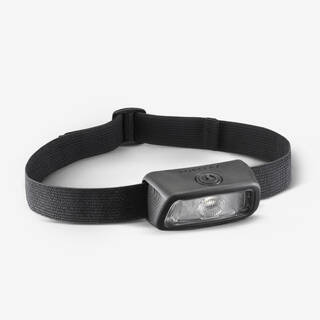
Quechua headlamps target recreational campers, weekend trekkers, and family outdoor users with simplified controls, robust construction, and accessible brightness ranges. The Quechua Onnight series (50 to 100 lumens) uses single AAA cells, weighs under 70 grams, and provides 10 to 20-hour runtime at low modes, perfect for campsite lantern replacement, tent interior lighting, or evening nature walks in Bandipur or Ranthambore buffer zones. Mid-range Quechua models (100 to 200 lumens) add red LED modes for night vision preservation, IPX4 splash resistance for light rain, and reflective rear clips for group visibility during night treks on Nag Tibba, Kedarkantha, or Sandakphu trails.
Forclaz expedition headlamps serve technical mountaineers, ultra-distance trekkers, and professional guides requiring maximum reliability, extended runtimes, and cold-weather performance. Forclaz Trek 500 and Trek 900 series deliver 200 to 400+ lumens with lithium-ion rechargeable packs, USB-C charging, and IP67 full submersion protection. Reactive lighting sensors, multiple spot/flood combinations, and battery indicators support multi-day Himalayan expeditions where resupply is impossible and headlamp failure could compromise safety. Forclaz models include helmet clips, top-strap stabilizers, and minus 20°C operational ratings, essential for winter ascents of Stok Kangri, Friendship Peak, or technical ice climbs in Gangotri.
Both sub-brands emphasize repairability and sustainability. Replacement straps, battery doors, and lens covers are available as spare parts, extending headlamp service life beyond 5 to 7 years. Quechua models use standardized AAA cells (alkaline or NiMH rechargeable) available in any Indian town, eliminating proprietary battery dependence during remote treks. Forclaz integrated lithium-ion packs accept standard USB-C charging from solar panels, power banks, or vehicle adapters, supporting off-grid expeditions in Spiti, Zanskar, or Ladakh where electrical infrastructure is absent for weeks. User manuals include lumen-to-runtime charts, cleaning protocols for saltwater or dust exposure, and storage guidelines (50 percent charge at 15 to 25°C) to maximize battery cycle life beyond 500 charge/discharge cycles.
FAQ (Frequently Asked Questions)
Q1. What lumen output do I need for night trekking in Indian Himalayas versus camping in Western Ghats?
For established Himalayan trails like Kedarkantha or Har ki Dun, 100 to 150 lumens suffices for footing visibility and marker identification within 15 to 20 meters. Technical alpine routes above 4000 meters (Stok Kangri, Friendship Peak) require 250 to 400 lumens to scan distant cairns, assess crevasse edges, or signal across ridges. Western Ghats monsoon treks through dense Shola forests need 150 to 200 lumens with wide flood beams (120°+ spread) to illuminate wet roots, moss-covered rocks, and trail junctions obscured by fog.
Q2. How do I choose between alkaline AAA, lithium primary, and rechargeable lithium-ion batteries for multi-day treks?
Alkaline AAA cells work for weekend treks below 3000 meters where temperatures stay above 10°C, offering easy replacement in any town. Lithium primary (non-rechargeable) cells deliver 30 to 50 percent longer runtime and function reliably down to minus 20°C, ideal for winter Himalayan expeditions but generate waste. Rechargeable lithium-ion packs (1200 to 2000 mAh) suit treks where you carry solar panels or power banks, eliminating disposable cell waste and providing USB-C fast charging for 7+ day expeditions in Spiti or Ladakh.
Q3. What IPX rating is necessary for monsoon trekking in Coorg, Munnar, or Meghalaya?
Minimum IPX4 handles light rain and splashing, adequate for misty mornings or brief showers. IPX6 withstands heavy monsoon downpours (50+ mm per hour) common in Western Ghats and Northeast regions, protecting against powerful water jets from any angle. IP67 or IP68 full submersion ratings (1 meter for 30 minutes) are necessary if you ford streams, navigate waterfall spray zones, or risk dropping the headlamp into puddles during night camp setups in Cherrapunji or Agumbe.
Q4. Can I use the same headlamp for trail running, camping, and mountaineering, or do I need separate models?
A single mid-range headlamp (150 to 250 lumens, 100 to 120 grams, IPX4+) handles casual camping and established trail running on Nandi Hills or Sanjay Van routes. Technical mountaineering demands higher output (300+ lumens), helmet clip compatibility, top-strap stabilizers, and cold-weather batteries (lithium primary or lithium-ion) for pre-dawn alpine starts, glacier travel, or emergency signaling. Trail runners prioritize ultra-light designs (60 to 80 grams) with bounce-free fit, while mountaineers need rugged construction and extended throw distance (70+ meters).
Q5. How do red LED modes help during night treks, and when should I use them?
Red LEDs (620 to 650 nm wavelength) preserve night-adapted vision by avoiding rhodopsin bleaching, which takes 20 to 30 minutes to regenerate after white light exposure. Use red modes for map reading, tent interior tasks, or astronomy sessions where you need to maintain dark adaptation for stargazing or wildlife observation. Red light also reduces insect attraction in Western Ghats leech zones or Northeast jungle camps, and provides discreet illumination during group treks where bright white beams disturb other trekkers' night vision.
Q6. What is reactive lighting technology, and does it actually extend battery life on long treks?
Reactive lighting uses proximity sensors to auto-adjust brightness based on reflected light from nearby surfaces. When you look at your feet (high reflection), the sensor dims to 30 to 50 lumens. When you scan distant ridges (low reflection), brightness ramps to 200+ lumens within 0.5 seconds. Field tests show 30 to 50 percent battery runtime extension during mixed-use trekking where you alternate between near-field footing checks and distant landmark identification, particularly effective on 8 to 12-hour night treks across varied terrain.
Q7. How do I prevent headlamp straps from slipping on sweaty foreheads during humid coastal or monsoon treks?
Choose headlamps with wide 20 to 25mm elastic straps and top-of-head cross-bracing (T or Y configuration) that distribute tension across the skull rather than relying solely on forehead friction. Anti-slip silicone grip strips on the rear battery housing anchor against the occipital bone, preventing downward migration during steep ascents. Moisture-wicking strap liners (perforated mesh or terry cloth) absorb sweat and maintain grip, while micro-adjustable buckles allow precise tensioning without over-tightening that causes frontal headaches after 2+ hours of wear.
Q8. What is the difference between Quechua and Forclaz headlamps for Indian trekking conditions?
Quechua headlamps (50 to 200 lumens) target weekend campers and recreational trekkers with simplified controls, AAA battery compatibility, and IPX4 splash resistance, suitable for established trails like Nag Tibba or Triund. Forclaz expedition models (200 to 400+ lumens) serve technical mountaineers with lithium-ion rechargeable packs, reactive lighting sensors, IP67 submersion ratings, helmet clips, and minus 20°C operational capability for multi-day Himalayan expeditions above 4000 meters where reliability and extended runtime are critical.
Q9. How do I maintain headlamp waterproof seals and battery contacts after monsoon treks or saltwater exposure?
After each wet trek, rinse the headlamp under fresh running water to remove mud, salt, or organic debris, then air-dry completely (24 to 48 hours) before closing battery compartments. Inspect rubber gaskets and O-rings for cracks or compression set every 50 use cycles, applying thin silicone grease if they appear dry. Clean battery contacts with isopropyl alcohol and a cotton swab to remove corrosion or salt deposits that increase electrical resistance. Store headlamps at 50 percent charge in cool, dry conditions (15 to 25°C) to maximize seal elasticity and battery cycle life beyond 500 charge/discharge cycles.
Q10. Can I attach a Quechua or Forclaz headlamp to climbing helmets or cycling helmets for multi-activity use?
Most Forclaz mountaineering headlamps include universal spring-loaded clips or Velcro cradles that attach to helmet ventilation slots or rear adjustment dials, compatible with Simond climbing helmets and standard cycling helmets. Quechua recreational models may lack dedicated clips but can be secured using elastic strap pass-throughs on helmet-compatible designs. Ensure the headlamp's tilt mechanism (0° to 90° ratchet locks) functions when helmet-mounted, as beam angle adjustment is critical during rappels, mountain biking on technical trails, or belaying in dark alpine starts.