Hybrid Cycles

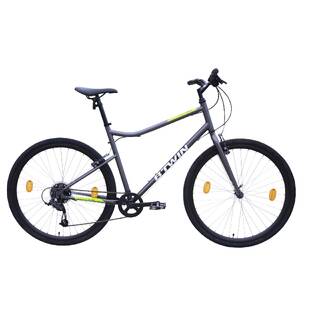
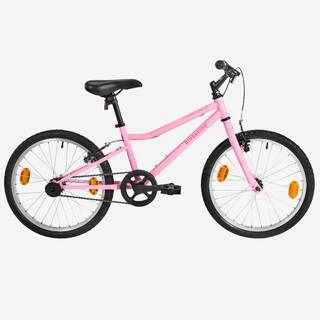
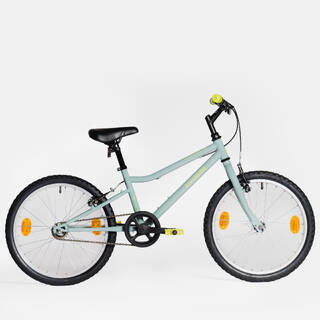
Hybrid Cycles Engineered for Indian Urban Commutes and Weekend Trail Exploration
Hybrid cycles merge the lightweight efficiency of road bike geometry with the rugged durability of mountain bike componentry. Built on 6061 T6 aluminium alloy frames, these cycles deliver a stiff yet compliant ride quality suited to potholed asphalt, gravel paths, and compacted dirt trails. Frame geometry positions riders in a relaxed upright posture, reducing cervical spine compression during extended commutes. Tire clearance accommodates 700x35c to 700x42c widths, balancing low rolling resistance on tarmac with adequate tread volume for loose aggregate surfaces. Decathlon's Riverside and Rockrider hybrid models integrate mechanical or hydraulic disc brakes, delivering consistent stopping power during monsoon downpours when rim brakes lose friction.
Indian urban cycling demands robust drivetrain configurations. Hybrid cycles feature 21-speed to 27-speed Shimano Tourney or Altus groupsets, offering gear ratios from 1:1 climbing ratios for flyover ascents to 3:1 high-cadence ratios for flat stretches. Cranksets use forged steel chainrings resistant to chain slap damage from speed breaker impacts. Double-wall alloy rims withstand radial and lateral loads from kerb strikes without catastrophic failure. Suspension forks, where fitted, provide 50mm to 80mm travel with lockout mechanisms, absorbing shock from broken concrete while maintaining pedaling efficiency on smooth roads. This versatility addresses the unpredictable surface transitions typical of Indian cycling infrastructure.
Riverside Sub-Brand Hybrid Cycles: Corrosion-Resistant Builds for Coastal and High-Humidity Zones
Riverside hybrid cycles apply anti-corrosion treatments critical for coastal cities like Mumbai, Chennai, and Kochi. Frame tubes receive electrostatic powder coating over zinc phosphate primer layers, preventing saltwater oxidation that degrades untreated aluminium. Stainless steel fasteners replace standard zinc-plated bolts, eliminating rust seizure in bottom bracket shells and headset bearings. Cable housing uses Teflon-lined inner wires, maintaining smooth shifting even when exposed to monsoon humidity that swells standard polymer housings. These material choices extend functional lifespan in environments where ferrous components typically corrode within 18 to 24 months.
Riverside models incorporate practical commuter features absent from pure sport cycles. Integrated rear racks support pannier loads up to 25kg, distributing weight over the rear axle for stable handling when carrying groceries or laptop bags. Fender mounts accept full-coverage mudguards, preventing road spray from saturating clothing during monsoon commutes. Chainguard enclosures shield trousers from chain grease, a necessity for office commuters. Kickstand plates reinforce chainstay junctions, preventing frame dimpling under repeated parking loads. These additions transform the cycle from recreational equipment into a dependable daily transport tool.
Rockrider Hybrid Cycles: Trail-Capable Geometry with Reinforced Wheel Builds
Rockrider hybrid cycles adopt slacker head tube angles (68 to 70 degrees) compared to pure road geometries, enhancing stability on descending gravel trails and rutted farm tracks. Longer wheelbases (1050mm to 1080mm) increase high-speed directional control, critical when navigating loose laterite or sand patches common on rural Indian roads. Bottom bracket drop measurements (65mm to 70mm) lower the center of gravity, improving cornering confidence on cambered surfaces. These geometric adjustments sacrifice marginal straight-line speed for substantial gains in mixed-terrain control.
Wheel specifications on Rockrider hybrids prioritize impact resistance. Double-wall rims use box-section profiles with internal widths of 19mm to 21mm, supporting tire volumes that absorb sharp-edged pothole strikes without pinch-flatting. Spoke counts reach 32 or 36 per wheel, distributing radial loads across more tension members than the 28-spoke builds common on pure road wheels. Hub flanges use larger diameters, shortening spoke lengths to increase lateral stiffness under pedaling torque. Tire tread patterns feature center slick channels for low rolling resistance, flanked by shoulder knobs that engage during cornering on loose dirt. This combination suits riders alternating between paved commutes and weekend countryside exploration.
Drivetrain and Braking Systems Calibrated for Stop-and-Go Urban Traffic
Hybrid cycle drivetrains balance gear range with maintenance simplicity. Shimano Tourney 3x7 setups provide 21 distinct ratios, adequate for most urban topographies without the complexity of 9-speed or 10-speed cassettes that require precise derailleur indexing. Front derailleur ramp profiles guide chains smoothly across chainring transitions, reducing dropped chains during hurried gear changes at traffic signals. Rear derailleur clutch mechanisms, available on higher-tier Altus groupsets, dampen chain slap on rough roads, extending chainring and cassette lifespan by reducing impact wear.
Braking systems on hybrid cycles favor mechanical disc brakes for their low-maintenance requirements. Cable-actuated calipers use tool-free reach adjustments, allowing riders to compensate for cable stretch without workshop visits. Rotor diameters of 160mm front and rear generate sufficient braking torque for loaded commuting while minimizing unsprung weight. Organic resin brake pads offer quiet operation and adequate modulation in dry conditions, though they wear faster than sintered metal pads in monsoon mud. Hydraulic disc brakes, fitted to premium Riverside models, eliminate cable friction losses, delivering consistent lever feel across temperature ranges from 5°C Himalayan mornings to 45°C summer afternoons.
Frame Sizing and Contact Point Ergonomics for Indian Rider Anthropometrics
Hybrid cycle frame sizing follows stack and reach measurements rather than traditional seat tube length. A medium frame typically offers 580mm stack (vertical distance from bottom bracket to top of head tube) and 385mm reach (horizontal distance), positioning handlebars within comfortable arm extension for riders between 165cm and 178cm tall. Standover height clearances of 75mm to 85mm allow safe dismounts in traffic, critical when navigating congested intersections. Top tube slopes accommodate riders with shorter inseam-to-height ratios, common in Indian populations, without compromising front-end stiffness.
Contact points use ergonomic profiles that reduce fatigue during extended rides. Handlebar sweeps range from 15 to 25 degrees, aligning wrists in neutral positions that prevent ulnar nerve compression. Grip diameters of 30mm to 32mm suit smaller hand sizes without requiring excessive grip force. Saddles feature central relief channels that reduce perineal pressure, maintaining blood flow during rides exceeding 60 minutes. Saddle rails use 7mm diameter chromoly or manganese alloy, resisting the permanent deformation that occurs with cheaper steel rails under rider weights above 80kg. Seatpost diameters of 27.2mm or 30.9mm allow micro-flex that absorbs high-frequency road vibration, reducing lower back strain on rough surfaces.
Maintenance Protocols and Component Longevity in Dusty and Humid Conditions
Indian cycling environments accelerate wear through abrasive dust infiltration and moisture corrosion. Chain maintenance intervals shorten to 150km to 200km in dusty conditions, requiring degreasing with citrus-based solvents followed by wet lube application that resists dust adhesion. Derailleur pulleys accumulate grit that increases friction losses, necessitating monthly disassembly and bearing cleaning. Bottom bracket cartridge bearings, when exposed to monsoon water ingress, develop pitting that causes crunching sensations during pedaling. Sealed cartridge units with labyrinth seals extend service life to 3000km to 5000km compared to 1500km for cup-and-cone bearings in wet conditions.
Brake system maintenance focuses on rotor contamination prevention. Disc rotors require cleaning with isopropyl alcohol every 300km to remove road oil residues that reduce pad bite. Pad inspection intervals occur every 500km, checking for remaining friction material depth above 1.5mm. Cable-actuated systems need housing replacement every 2000km as inner cable strands fray and housing compressions accumulate, causing mushy lever feel. Tire pressures require weekly checks, maintaining 50psi to 65psi for 700x38c tires to balance puncture resistance against rolling efficiency. Spoke tension monitoring every 1000km prevents progressive loosening that leads to wheel wobble and premature rim fatigue.
FAQ (Frequently Asked Questions)
Q1. What is a hybrid bike, and how is it different from other bikes?
A hybrid bike is a versatile blend of a road bike and a mountain bike. It’s designed for casual riding, commuting, and light off-road use. Features include: Medium-width tires for comfort and stability. Upright handlebars for a relaxed riding position. Lightweight frames for easier pedaling.
Q2. Who should buy a hybrid bike?
Hybrid bikes are perfect for: Commuters traveling on mixed terrains. Fitness enthusiasts looking for a comfortable ride. Recreational riders exploring city streets, bike paths, or light trails.
Q3. What’s the difference between a hybrid bike and a gravel bike?
Hybrid Bikes: Focus on comfort and versatility, best for paved paths and light trails. Gravel Bikes: More performance-oriented with drop handlebars and larger tire clearance, ideal for off-road and rough terrains.
Q4. What frame materials are used in hybrid bikes?
Aluminum: Lightweight and affordable, ideal for most riders. Steel: Durable and offers a smoother ride, but heavier.
Q5. Should I get a hybrid bike with suspension?
Suspension absorbs shocks, making it useful for bumpy roads or trails. Front Suspension: Great for comfort on rougher paths. No Suspension: Lighter and more efficient for smooth roads and commuting.
Q6. What type of brakes should I choose for a hybrid bike?
Disc Brakes: Offer reliable stopping power in all weather conditions. Rim Brakes: Lighter and easier to maintain but less effective in wet conditions.
Q7. Can I use a hybrid bike for long-distance rides?
Yes, hybrid bikes are comfortable for long rides. Consider adding accessories like padded seats, water bottle cages, and panniers for better support.
Q8. Is a hybrid bike good for commuting?
Absolutely. Hybrid bikes are designed for city streets, bike paths, and light trails. Add accessories like lights, a lock, and a bell for a safer commute.
Q9. Can I use a hybrid bike for off-road trails?
Hybrid bikes can handle light trails and dirt paths but are not designed for rugged mountain biking. For rougher terrains, a mountain bike is more suitable.
Q10. What frame size hybrid cycle suits a rider height of 170cm for daily commuting in Bangalore traffic?
A medium frame with 580mm stack and 385mm reach fits most riders between 165cm and 178cm. Verify standover clearance exceeds 75mm when straddling the top tube. Test ride to confirm handlebar reach allows slight elbow bend without overstretching shoulders, critical for maintaining control during sudden braking in traffic.
Q11. Can hybrid cycles handle the broken roads and speed breakers common on Indian highways during weekend rides?
Hybrid cycles with 700x38c or wider tires absorb impacts from potholes and speed breakers effectively when inflated to 50psi to 60psi. Suspension forks with 50mm to 80mm travel dampen sharp strikes, though rigid forks with compliant seatposts suffice for most urban and highway conditions. Double-wall rims with 32 or 36 spokes resist damage better than lightweight 28-spoke road wheels.
Q12. How do Riverside hybrid cycles differ from Rockrider hybrid models in terms of riding position and terrain capability?
Riverside models use more upright geometry for commuter comfort, with steeper head angles and shorter wheelbases optimized for city riding. Rockrider hybrids feature slacker head angles and longer wheelbases, improving stability on gravel and dirt trails. Rockrider builds include more aggressive tire treads and reinforced wheel specs for mixed-surface exploration beyond paved roads.
Q13. What tire width works best for hybrid cycles used on both Mumbai's potholed roads and occasional Lonavala hill climbs?
700x38c tires balance urban pothole absorption with acceptable rolling resistance for hill climbs. Tread patterns with center slicks and shoulder knobs maintain speed on asphalt while providing grip on loose gravel sections. Inflate to 55psi for city riding and reduce to 50psi for improved traction on unpaved climbs.
Q14. Do mechanical disc brakes on hybrid cycles require frequent adjustment in monsoon conditions compared to rim brakes?
Mechanical disc brakes maintain consistent performance in monsoon rain, unlike rim brakes that lose 40 percent stopping power on wet rims. Cable stretch requires reach adjustment every 800km to 1000km using tool-free barrel adjusters. Rotor contamination from road spray needs cleaning with isopropyl alcohol every 300km to preserve pad bite.
Q15. How often should I service the bottom bracket and headset bearings on a hybrid cycle used for daily 20km commutes in Delhi's dusty conditions?
Inspect bottom bracket bearings every 2000km for grinding sensations indicating dust infiltration. Sealed cartridge bearings typically last 3000km to 5000km in dusty conditions before requiring replacement. Headset bearings need repacking with marine-grade grease every 3000km to prevent notchy steering. Annual overhauls extend component life in abrasive environments.
Q16. Can I fit a rear rack and panniers to a hybrid cycle for carrying 15kg to 20kg of groceries or office equipment?
Most hybrid cycles include rear rack mounts rated for 25kg loads. Use racks with four-point attachment (two seatstay and two chainstay mounts) for stable weight distribution. Panniers should sit low and rearward to maintain front-wheel traction during braking. Verify frame has reinforced chainstay bridges to prevent flex under loaded cornering.
Q17. What gear ratio on a 21-speed hybrid cycle helps climb steep flyovers in Hyderabad without excessive leg strain?
A 1:1 gear ratio (smallest front chainring paired with largest rear cog, typically 28T front and 28T rear) provides adequate mechanical advantage for steep urban climbs. This ratio allows sustainable cadences of 60rpm to 70rpm on 8 percent to 10 percent gradients without overloading knee joints. Shimano Tourney 3x7 drivetrains offer this climbing range.
Q18. How do I prevent chain rust on a hybrid cycle parked outdoors in coastal cities like Chennai or Goa?
Apply wet lube formulated for marine environments every 150km to 200km, wiping excess to prevent dust adhesion. Store the cycle under a breathable cover that blocks direct rain but allows moisture evaporation. Clean the chain with citrus degreaser monthly, then re-lube immediately. Stainless steel chains resist corrosion better than standard nickel-plated chains in saltwater environments.
Q19. What is the expected lifespan of hybrid cycle tires used on rough Indian roads with frequent glass and metal debris?
Hybrid tires with puncture-resistant belts last 2500km to 4000km on debris-laden roads when inflated correctly. Inspect tread for embedded glass weekly, removing shards before they penetrate the casing. Tire lifespan reduces to 2000km in severe conditions with frequent sharp impacts. Replace tires when tread depth falls below 1mm or sidewall cracks appear.