Kids Hiking Shoes
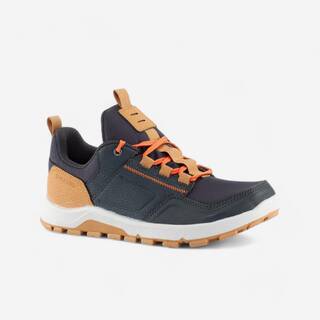
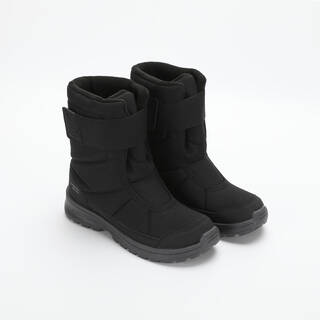

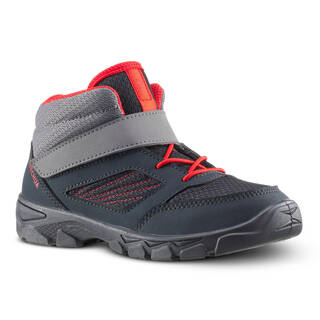
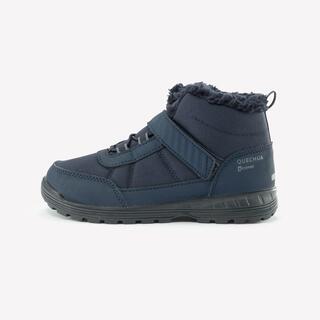
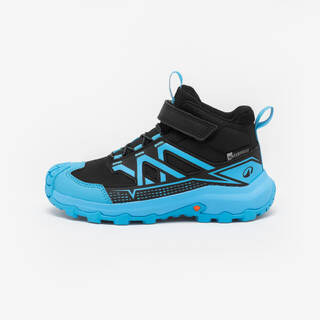
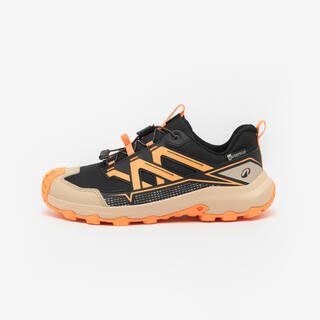

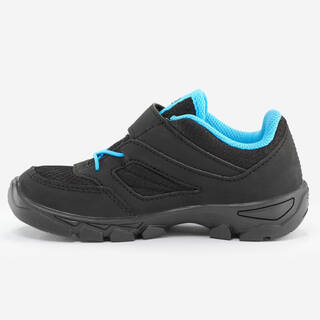
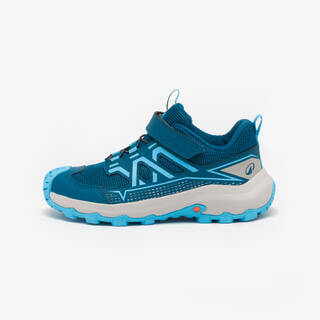
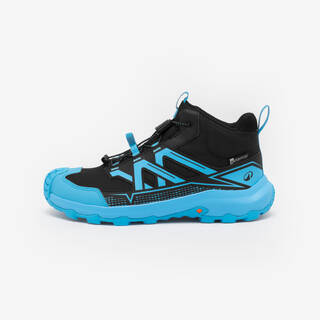
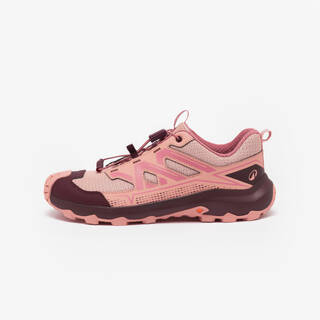
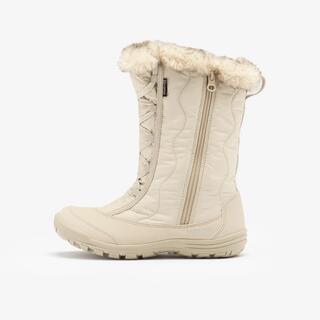
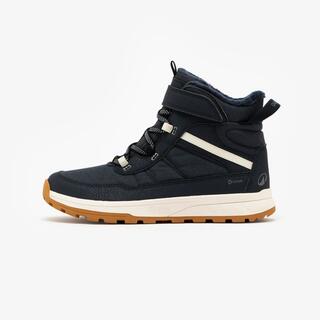
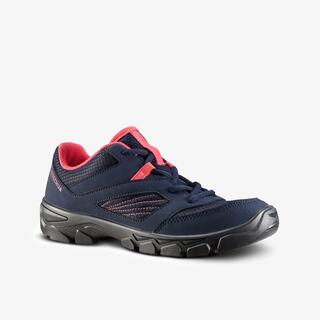
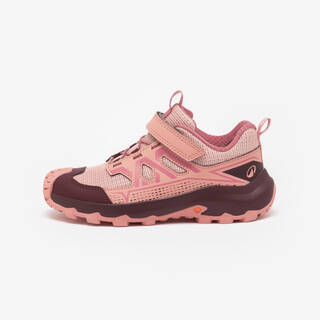
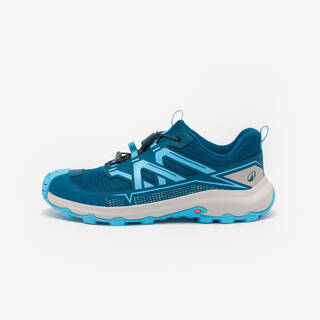
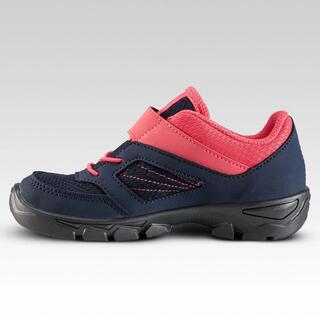

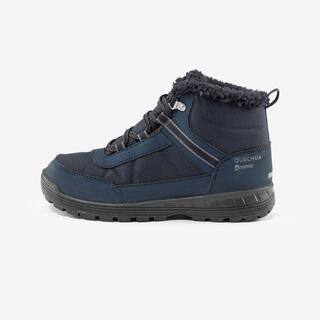
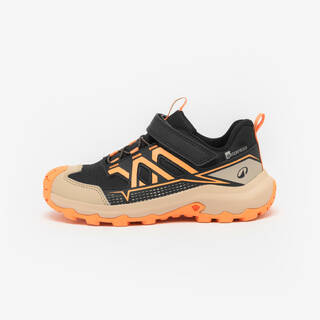
Discover the Joy of Hiking with Kids' Hiking Shoes from Decathlon
Hiking is an incredible way to bond with your little ones while instilling a love for nature and adventure. At Decathlon, we understand the importance of keeping your kids' feet comfortable and protected during outdoor excursions. That's why we offer a wide range of high-quality kids' hiking shoes designed to support their growing feet and provide the traction they need on various terrains.
Our collection of kids' hiking shoes is carefully curated to meet the diverse needs of young explorers. From lightweight and breathable options for warm-weather hikes to waterproof and insulated designs for cooler climates, we have something for every adventure. With a focus on durability, comfort, and safety, our shoes are built to withstand the rigors of the trail while keeping your child's feet happy and blister-free.
Choosing the Right Kids' Hiking Shoes
Finding the perfect pair of hiking shoes for your child is crucial for their comfort and enjoyment on the trail. At Decathlon, we offer a wide range of sizes and styles to accommodate growing feet and varying preferences.
When selecting kids' hiking shoes, consider the following factors: fit, traction, waterproofing, and breathability. A proper fit is essential to prevent blisters and ensure stability on uneven terrain. Look for shoes with adjustable lacing systems or velcro closures for a secure and customizable fit. Adequate traction is also vital for maintaining grip on slippery or rocky surfaces, ensuring your child's safety and confidence while hiking.
Expert Tips: Choosing the Right Kids' Hiking Shoes
1. Measure your child's feet regularly, as their feet can grow quickly. Proper fit is crucial for comfort and preventing blisters.
2. Consider the terrain you'll be hiking on. Trails with rocks and roots may require shoes with more aggressive tread patterns for better traction.
3. If you plan to hike in wet or muddy conditions, look for waterproof or water-resistant shoes to keep little feet dry and comfortable.
4. Breathability is essential for preventing sweaty, smelly feet. Choose shoes with mesh panels or other ventilation features for warm-weather hikes.
5. Break in new hiking shoes gradually by wearing them around the house or on short walks before hitting the trail. This helps prevent blisters and ensures a comfortable fit.
Lightweight and Breathable Options for Warm-Weather Hikes
When the temperatures rise, lightweight and breathable hiking shoes are a must-have for keeping your child's feet cool and comfortable on the trail. Decathlon's collection includes a variety of mesh and synthetic options designed to wick away moisture and promote airflow.
These shoes often feature quick-drying materials and antimicrobial treatments to prevent odors, ensuring your little hiker's feet stay fresh and dry throughout their adventure. With their flexible and responsive soles, these lightweight options provide the necessary traction and support for navigating various terrains while allowing your child's feet to move freely.
Waterproof and Insulated Options for Cooler Climates
When the weather turns cool or wet, it's essential to have a pair of waterproof and insulated hiking shoes to keep your child's feet dry and warm. Decathlon's collection includes a range of options designed to withstand the elements, ensuring your little adventurer can explore in comfort.
Our waterproof hiking shoes feature breathable yet water-resistant membranes that allow moisture to escape while preventing external water from seeping in. Insulated linings provide an extra layer of warmth, ensuring your child's feet stay toasty even in chilly conditions. With their rugged outsoles and sturdy construction, these shoes offer the necessary traction and support for navigating slippery or uneven terrain.
Expert Tips: Caring for Kids' Hiking Shoes
1. After each hike, remove any dirt, mud, or debris from the shoes using a soft brush or damp cloth.
2. Stuff the shoes with newspaper or shoe trees to help them retain their shape and promote drying.
3. If the shoes get wet, remove the insoles and allow them to air dry completely before wearing them again.
4. Use a waterproofing spray or wax to maintain the water-repellent properties of waterproof hiking shoes.
5. Replace worn-out hiking shoes when the tread becomes smooth or the uppers show signs of excessive wear, as this can compromise traction and support.
Decathlon: Your Trusted Partner for Kids' Hiking Adventures
At Decathlon, we understand the importance of providing high-quality, affordable gear for your family's outdoor adventures. Our team of experts carefully selects and tests each product in our kids' hiking shoe collection to ensure it meets our rigorous standards for durability, comfort, and performance.
With a wide range of sizes, styles, and price points, we make it easy to find the perfect pair of hiking shoes for your child's needs and budget. Our knowledgeable staff is always available to assist you in finding the right fit and answering any questions you may have about our products or hiking with kids.
Closing CTA: Explore Our Collection and Embark on Unforgettable Adventures
At Decathlon, we believe that every child deserves the opportunity to explore the great outdoors in comfort and safety. Our extensive collection of kids' hiking shoes offers a wide range of options to suit every adventure, from lightweight and breathable designs for warm-weather hikes to waterproof and insulated options for cooler climates.
With our commitment to quality, affordability, and expertise, you can trust that you're getting the best gear for your little adventurer. Browse our collection today and embark on unforgettable family hikes, creating lasting memories and instilling a love for nature in your child. With the right pair of hiking shoes from Decathlon, the trails await!
FAQ (Frequently Asked Questions)
Q1. How do I ensure a proper fit for my child's hiking shoes?
To ensure a proper fit, measure your child's feet regularly, as their feet can grow quickly. Look for shoes with adjustable lacing systems or velcro closures for a secure and customizable fit. It's also a good idea to have your child try on the shoes and walk around the store to ensure they feel comfortable and have enough room for their toes to wiggle.
Q2. What is the difference between waterproof and water-resistant hiking shoes?
Waterproof hiking shoes are designed to keep your child's feet completely dry, even in wet or muddy conditions. They feature a waterproof membrane or lining that prevents external water from seeping in. Water-resistant shoes, on the other hand, offer some protection against light rain or splashes but may not keep feet completely dry in heavy downpours or prolonged exposure to water.
Q3. How do I choose the right traction for my child's hiking shoes?
The traction needed for your child's hiking shoes depends on the terrain you'll be hiking on. Trails with rocks, roots, and uneven surfaces require shoes with more aggressive tread patterns for better grip and stability. Smoother trails may only require moderate traction. Consider the types of hikes you'll be doing and choose a tread pattern that provides the necessary traction.
Q4. Can my child wear their hiking shoes for everyday use?
While hiking shoes are designed for outdoor adventures, they can also be worn for everyday use, such as walking to school or playing at the park. However, it's important to note that the rugged soles and sturdy construction of hiking shoes may not be as comfortable for extended periods of indoor or urban use. For everyday wear, it's best to have a separate pair of lightweight, casual shoes.
Q5. How often should I replace my child's hiking shoes?
The lifespan of a pair of hiking shoes depends on several factors, including the frequency of use, the terrain, and how well they are cared for. As a general rule, it's a good idea to replace your child's hiking shoes when the tread becomes smooth or the uppers show signs of excessive wear, as this can compromise traction and support. Most experts recommend replacing hiking shoes every 300-500 miles or every 6-12 months of regular use.
Q6. Can I machine wash my child's hiking shoes?
It's generally not recommended to machine wash hiking shoes, as the agitation and heat can damage the materials and construction. Instead, use a soft brush or damp cloth to remove dirt and debris after each hike. If the shoes become heavily soiled, you can spot clean them with a mild soap and water solution, but be sure to allow them to air dry completely before wearing them again.
Q7. What are the benefits of insulated hiking shoes for kids?
Insulated hiking shoes are designed to keep your child's feet warm in cooler or cold weather conditions. They feature an insulating layer, often made of materials like fleece or synthetic fibers, that traps body heat and prevents it from escaping. This extra warmth can be especially beneficial for kids, who may have a harder time regulating their body temperature during outdoor activities.
Q8. How do I know if my child's hiking shoes are too small?
Signs that your child's hiking shoes are too small include their toes hitting the front of the shoe, the shoes feeling tight or constricting, or your child complaining of discomfort or pain after wearing them for a while. It's important to regularly check the fit and replace shoes as your child's feet grow to prevent blisters, discomfort, and potential foot problems.
Q9. Can I use the same hiking shoes for different seasons?
While it's possible to use the same hiking shoes for different seasons, it's generally recommended to have separate pairs for warm and cool weather conditions. Lightweight and breathable shoes are ideal for warm-weather hikes, allowing your child's feet to stay cool and dry. Waterproof and insulated options are better suited for cooler or wet conditions, keeping their feet dry and warm.
Q10. What are some tips for breaking in new hiking shoes for my child?
To break in new hiking shoes and prevent blisters, start by having your child wear them around the house or on short walks. Gradually increase the duration and intensity of wear to allow the shoes to conform to their feet. It's also a good idea to apply a thin layer of petroleum jelly or anti-blister balm to potential hot spots before hitting the trail. Proper break-in can help ensure a comfortable and blister-free hiking experience.