Lines
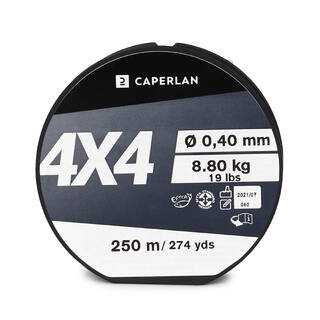
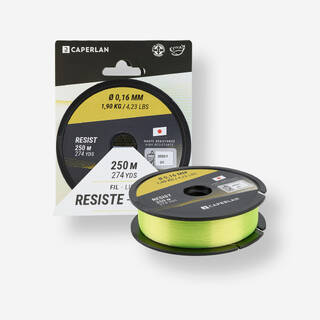
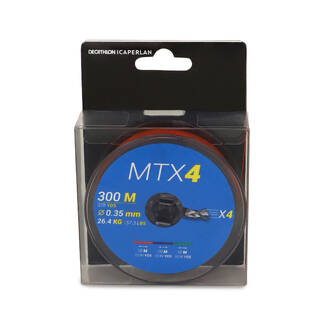
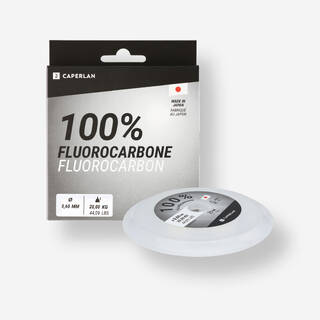
Unlock the Joy of Fishing with the Right Line
Fishing is an art that requires patience, skill, and the right equipment. Among the most crucial components of your fishing gear is the line – the thin, strong thread that connects you to your catch. At Decathlon, we understand the importance of having a reliable and high-quality fishing line that can withstand the challenges of your angling adventures.
Our extensive collection of fishing lines caters to anglers of all levels, from beginners to seasoned pros. Whether you're targeting freshwater species or venturing into the depths of the ocean, we have the perfect line to suit your needs. From monofilament to braided lines, each type offers unique advantages, ensuring you can make the most of every cast and strike.
Monofilament Lines: Versatility and Affordability
Monofilament lines are a classic choice for anglers seeking a balance of performance and value. Made from a single strand of nylon or fluorocarbon material, these lines offer excellent knot strength, abrasion resistance, and stretch – essential qualities for successful fishing.
Our monofilament line collection includes options from trusted brands like Quechua and Caperlan, ensuring you get the best bang for your buck. Whether you're targeting trout in a mountain stream or casting for bass in a lake, these lines deliver reliable performance in a wide range of conditions.
Braided Lines: Strength and Sensitivity
For anglers seeking uncompromising strength and sensitivity, braided lines are the way to go. Constructed from tightly woven strands of ultra-high molecular weight polyethylene (UHMWPE) or other advanced materials, these lines offer exceptional tensile strength and minimal stretch, allowing you to feel even the slightest nibble.
Decathlon's braided line selection includes options from top brands like Caperlan and Piscifun, ensuring you get the best in quality and performance. Whether you're battling powerful game fish or finessing delicate presentations, these lines deliver the power and precision you need to land your catch.
Fluorocarbon Lines: Invisibility and Abrasion Resistance
For anglers seeking stealth and durability, fluorocarbon lines are an excellent choice. These lines are virtually invisible underwater, making them ideal for clear water conditions where fish can easily detect traditional lines. Additionally, fluorocarbon lines offer superior abrasion resistance, ensuring your line stays intact even when fishing around rocks, logs, or other underwater obstacles.
At Decathlon, we offer a wide range of fluorocarbon lines from trusted brands like Caperlan and Piscifun. Whether you're targeting wary trout in a crystal-clear stream or battling hard-fighting saltwater species, these lines provide the invisibility and toughness you need to succeed.
Expert Tips: Choosing the Right Fishing Line
With so many options available, choosing the right fishing line can be a daunting task. Here are some expert tips to help you make an informed decision:
- Consider the type of fishing you'll be doing: Monofilament lines are versatile and affordable, making them great for general freshwater fishing. Braided lines excel in situations where strength and sensitivity are paramount, such as when targeting large game fish or fishing in heavy cover. Fluorocarbon lines are ideal for clear water conditions where invisibility is key.
- Match the line strength to your target species: Heavier lines are better suited for larger, more powerful fish, while lighter lines are perfect for delicate presentations and smaller species.
- Pay attention to line memory: Lines with low memory tend to lay straighter off the reel, reducing the risk of tangles and improving casting accuracy.
- Consider abrasion resistance: If you'll be fishing around rocks, logs, or other rough surfaces, opt for lines with excellent abrasion resistance to prevent premature breakage.
Maintaining Your Fishing Line
Proper maintenance is key to ensuring your fishing line performs at its best and lasts as long as possible. Here are some tips to keep your line in top condition:
- Avoid exposing your line to direct sunlight or extreme temperatures, as this can cause premature degradation and brittleness.
- After each fishing trip, carefully inspect your line for nicks, abrasions, or other signs of damage. Replace the line if necessary.
- Use a line conditioner or line dressing to help restore suppleness and prevent premature cracking or fraying.
- When storing your line, use a line management system or spool to prevent tangles and ensure smooth casting.
Decathlon: Your Trusted Partner for Fishing Excellence
At Decathlon, we are passionate about providing anglers with the best possible equipment and expertise. Our fishing line collection is carefully curated to offer a wide range of options that cater to various fishing styles, budgets, and skill levels.
With our commitment to affordability, variety, and quality, you can trust that you're getting the best value for your money. Our knowledgeable staff is always on hand to guide you through the selection process, ensuring you choose the perfect line for your specific needs.
Explore Our Fishing Line Collection Today
Whether you're a seasoned angler or just starting your fishing journey, Decathlon has the perfect fishing line to elevate your experience. Browse our extensive collection today and discover the line that will help you land your next trophy catch.
With our commitment to quality, affordability, and expertise, you can shop with confidence, knowing that you're getting the best value for your money. So, what are you waiting for? Unleash your passion for fishing and explore our fishing line collection today!
FAQ (Frequently Asked Questions)
Q1. What is the difference between monofilament and braided fishing lines?
Monofilament lines are made from a single strand of nylon or fluorocarbon material, offering good knot strength, abrasion resistance, and stretch. Braided lines, on the other hand, are constructed from tightly woven strands of ultra-high molecular weight polyethylene (UHMWPE) or other advanced materials, providing exceptional tensile strength and minimal stretch.
Q2. Which fishing line is best for beginners?
For beginners, monofilament lines are often the best choice. They are versatile, affordable, and offer good knot strength and abrasion resistance, making them suitable for a wide range of fishing situations. Braided and fluorocarbon lines can be more specialized and may require more experience to use effectively.
Q3. How do I determine the right line strength for my fishing needs?
The line strength you choose should be based on the size and strength of the fish you're targeting. As a general rule, heavier lines are better suited for larger, more powerful fish, while lighter lines are perfect for delicate presentations and smaller species. Consider the maximum weight of the fish you're likely to encounter and choose a line strength that can handle that weight comfortably.
Q4. What is line memory, and why is it important?
Line memory refers to the tendency of a fishing line to retain its coiled shape from being spooled. Lines with low memory tend to lay straighter off the reel, reducing the risk of tangles and improving casting accuracy. High memory lines can be more prone to coiling and tangling, which can affect your fishing experience.
Q5. How often should I replace my fishing line?
The frequency of line replacement depends on several factors, including how often you fish, the type of water you're fishing in, and the amount of wear and tear your line experiences. As a general guideline, it's recommended to replace your line at least once a year or whenever you notice signs of significant wear, such as nicks, abrasions, or discoloration.
Q6. Can I use the same fishing line for both freshwater and saltwater fishing?
While some fishing lines can be used in both freshwater and saltwater environments, it's generally recommended to use lines specifically designed for the type of water you'll be fishing in. Saltwater lines are typically more resistant to the corrosive effects of saltwater, while freshwater lines may not hold up as well in those conditions.
Q7. What is fluorocarbon fishing line, and when should I use it?
Fluorocarbon fishing lines are made from a dense, virtually invisible material that refracts light similarly to water, making them nearly invisible underwater. They are an excellent choice for clear water conditions where fish can easily detect traditional lines. Fluorocarbon lines also offer superior abrasion resistance, making them ideal for fishing around rocks, logs, or other underwater obstacles.
Q8. How do I properly store my fishing line?
Proper storage is essential to maintaining the integrity and performance of your fishing line. Avoid exposing your line to direct sunlight or extreme temperatures, as this can cause premature degradation and brittleness. Use a line management system or spool to prevent tangles and ensure smooth casting. Additionally, consider using a line conditioner or line dressing to help restore suppleness and prevent premature cracking or fraying.
Q9. Can I mix different types of fishing lines on the same reel?
While it's possible to mix different types of fishing lines on the same reel, it's generally not recommended. Each type of line has unique characteristics and properties, and mixing them can lead to inconsistent performance, tangling, and other issues. It's best to dedicate separate reels or spools for different types of lines to ensure optimal performance and avoid potential problems.
Q10. How can I ensure I'm getting the best value when purchasing fishing lines at Decathlon?
At Decathlon, we pride ourselves on offering high-quality fishing lines at affordable prices. Our extensive collection includes options from trusted brands, ensuring you get the best bang for your buck. Additionally, our knowledgeable staff is always on hand to guide you through the selection process, ensuring you choose the perfect line for your specific needs and budget.