Massagers and Sports Recovery


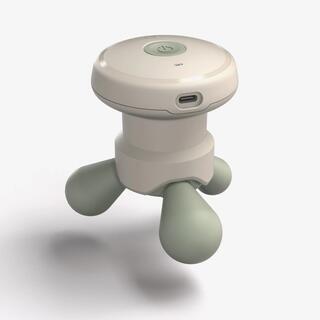
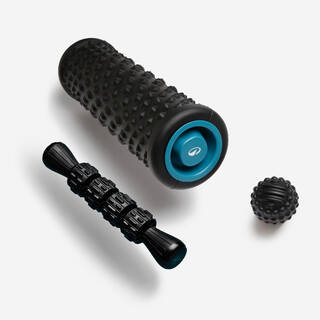
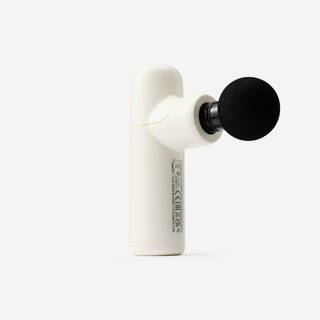
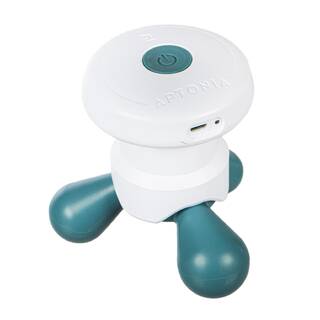
Percussion Massage Guns and Vibration Therapy Devices for Post-Workout Muscle Recovery
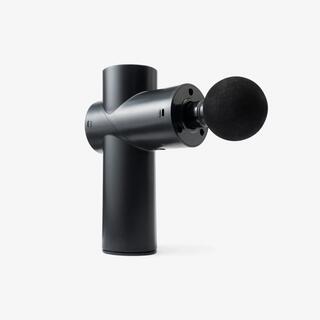
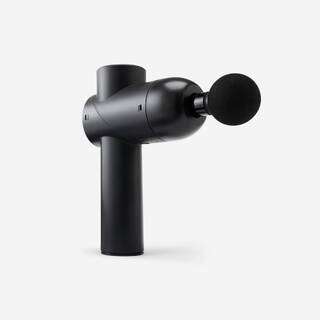
Percussion massage guns deliver rapid, concentrated force pulses at frequencies between 1,800 and 3,200 percussions per minute. These devices drive oscillating heads 10 to 16 millimeters deep into muscle tissue, targeting myofascial trigger points and disrupting adhesions formed during eccentric loading phases of squats, deadlifts, or long-distance runs on concrete roads. Amplitude depth determines penetration: 10mm suits superficial calf and forearm work, while 16mm reaches deeper into glutes, hamstrings, and latissimus dorsi after heavy compound lifts.
Torque ratings matter for dense muscle groups. Motors delivering 40 to 60 watts of stall force maintain consistent percussion depth even when pressed firmly against contracted quadriceps or trapezius bellies. Brushless DC motors generate less heat during extended 15-minute sessions, critical in humid Indian climates where device overheating degrades battery longevity. Lithium-ion cells rated at 2,500 to 3,000 milliamp-hours provide 3 to 5 hours of continuous runtime, sufficient for multi-athlete gym environments or home recovery routines spanning calves, IT bands, and spinal erectors.
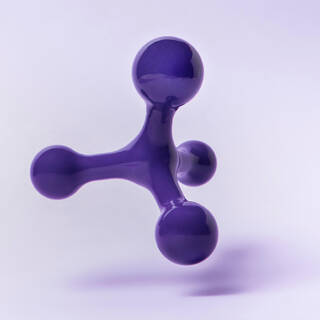
Interchangeable head attachments address specific tissue densities. Bullet heads concentrate force onto pinpoint trigger nodes in piriformis or subscapularis muscles. Flat circular heads distribute percussion across broader surface areas like quadriceps or pectorals post-bench press. Forked prong attachments straddle the cervical spine or Achilles tendon, avoiding direct bone contact while targeting paraspinal musculature. Dampening foam layers reduce surface vibration transfer, preventing hand fatigue during prolonged self-massage protocols.
Foam Rollers and Myofascial Release Tools: Density Grades and Surface Textures for Indian Athletes
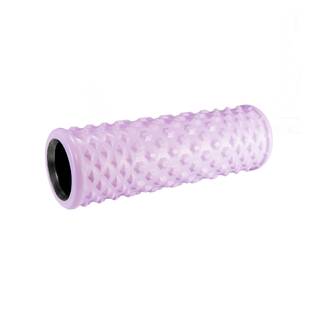
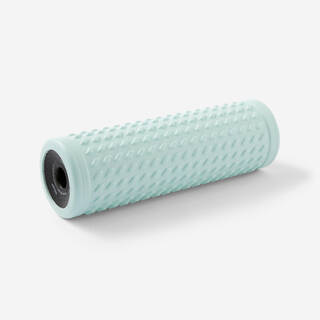
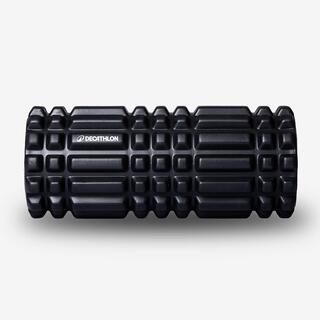
Foam roller density directly correlates with tissue compression depth and discomfort tolerance. Low-density polyethylene foam (EPE) at 30 to 50 kilograms per cubic meter suits beginners or athletes recovering from acute muscle strains, providing gentle compression without excessive pain response. Medium-density ethylene-vinyl acetate (EVA) foam at 60 to 80 kg/m³ balances pressure and comfort for regular maintenance rolling across IT bands, adductors, and thoracic spine after interval training or cricket net sessions.
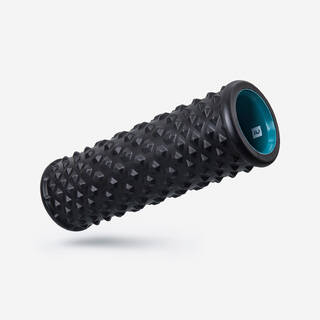
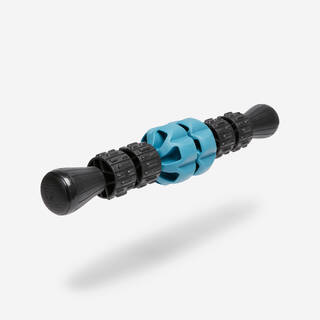
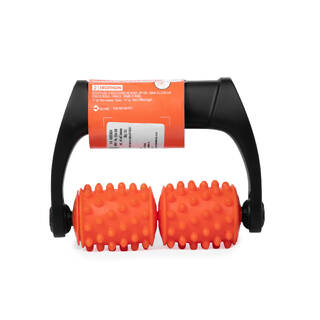
High-density polypropylene cores (90 to 120 kg/m³) resist deformation under body weight, maintaining cylindrical shape integrity even when supporting 80 to 100 kilograms during glute or hamstring rolling. Hollow-core construction reduces overall weight to 600 to 900 grams while preserving structural rigidity, essential for portability between apartment gyms and outdoor training parks. Surface texture patterns (grid, knobbed, or channeled) create localized pressure points that mimic deep tissue massage strokes, breaking up fascial adhesions formed during repetitive running gait cycles on hard tar roads.
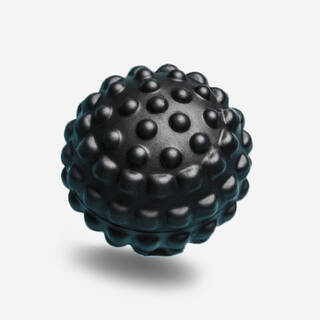
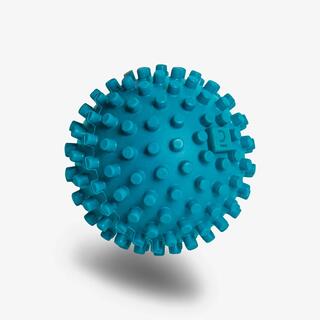
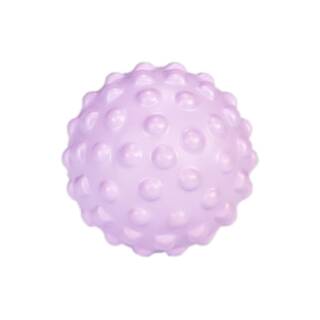
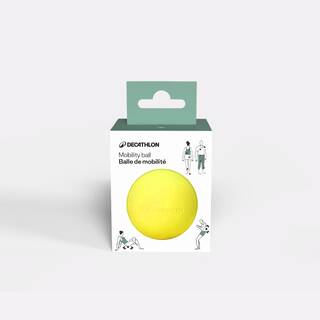
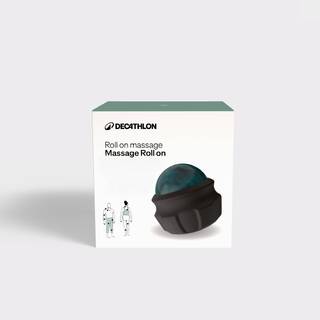
Roller length selection depends on exercise application. Standard 30-centimeter rollers fit into compact apartment storage and target isolated muscle groups like calves or forearms. Full-length 90-centimeter rollers support spinal alignment exercises, allowing simultaneous contact from sacrum to occiput during thoracic extension drills. Textured massage balls (8 to 12 centimeters diameter) access hard-to-reach areas: suboccipital muscles at skull base, plantar fascia arches, and pectoralis minor beneath clavicles. Lacrosse-style balls at 6.5 centimeters diameter deliver pinpoint pressure into hip rotator cuffs or between scapular borders.
Compression Therapy Systems: Pneumatic Sequential Compression and Graduated Pressure Garments
Pneumatic compression boots apply sequential inflation cycles to lower limbs, mimicking the skeletal muscle pump mechanism that drives venous return during active recovery. Multi-chamber systems divide legs into 4 to 6 independent zones (foot, calf, lower thigh, upper thigh), inflating progressively from distal to proximal segments. Pressure settings range from 30 to 120 millimeters of mercury (mmHg), with 60 to 80 mmHg optimal for flushing metabolic waste products (lactate, creatine kinase) accumulated after high-volume squat sessions or marathon training blocks on Indian concrete surfaces.
Cycle duration and hold times dictate lymphatic drainage efficiency. Standard protocols run 20 to 30-minute sessions with 10-second inflation phases and 5-second deflation intervals, creating pulsatile flow that prevents venous pooling in dependent limbs. Advanced systems incorporate gradient pressure profiles: 80 mmHg at ankles tapering to 40 mmHg at thigh cuffs, replicating physiological pressure gradients that counteract gravitational blood pooling during prolonged standing or post-exercise rest periods.
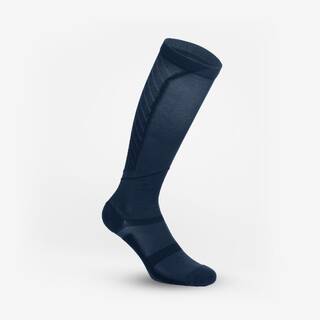
Graduated compression sleeves and tights utilize elastic knit fabrics engineered to specific pressure gradients. Medical-grade compression at 20 to 30 mmHg (Class I) supports venous return without restricting arterial inflow, suitable for recovery wear during travel or overnight sleep. Fabric blends combining nylon (70 to 80 percent) with elastane (20 to 30 percent) maintain consistent compression across knee flexion and hip extension ranges. Flatlock stitching prevents pressure point chafing during 8 to 12-hour wear durations, critical in humid monsoon conditions where moisture accumulation exacerbates skin irritation.
Cryotherapy and Heat Therapy Modalities: Ice Compression Wraps and Thermoregulation Packs
Cryotherapy reduces tissue temperature to 10 to 15 degrees Celsius, constricting blood vessels and slowing cellular metabolism to limit secondary inflammatory damage after acute ankle sprains or muscle contusions. Gel-based cold packs maintain therapeutic temperatures for 15 to 20 minutes when pre-chilled to minus 5 degrees Celsius, sufficient duration to achieve analgesic effects without risking cold-induced tissue damage. Compression wraps integrate elastic bandages with cold pack pockets, applying 20 to 30 mmHg pressure that reduces interstitial edema formation while maintaining ice contact across curved joint surfaces like knees or shoulders.
Contrast therapy alternates between cold (10 to 15°C) and heat (40 to 45°C) immersion cycles, creating vasodilation and vasoconstriction oscillations that accelerate metabolic waste clearance. Standard protocols run 3-minute cold phases followed by 1-minute heat phases, repeated for 15 to 20 minutes total. Portable contrast packs incorporate phase-change materials that transition between solid and liquid states at predetermined temperatures, eliminating the need for ice baths or heating pads in apartment settings lacking dedicated hydrotherapy facilities.
Heat therapy dilates blood vessels and increases tissue extensibility, preparing muscles for stretching protocols or reducing chronic stiffness in lumbar paraspinals or hip flexors. Microwavable heat packs filled with flaxseed or rice retain temperatures between 50 and 55°C for 20 to 30 minutes, delivering moist heat that penetrates deeper than dry heating pads. Far-infrared heating wraps emit wavelengths between 5 and 12 micrometers, penetrating 3 to 5 centimeters into subcutaneous tissue to stimulate mitochondrial activity and collagen remodeling in chronic tendinopathies like patellar tendinitis or Achilles tendinosis.
Electrotherapy and TENS Units: Neuromuscular Electrical Stimulation for Recovery and Pain Modulation
Transcutaneous electrical nerve stimulation (TENS) devices deliver low-voltage electrical currents through adhesive electrode pads, activating A-beta sensory fibers that inhibit pain signal transmission via gate control mechanisms in spinal dorsal horn neurons. Pulse frequencies between 80 and 120 hertz produce paresthesia (tingling sensations) that mask acute pain from delayed-onset muscle soreness or post-workout joint inflammation. Pulse widths of 50 to 200 microseconds determine current penetration depth: shorter durations target superficial cutaneous nerves, while longer pulses recruit deeper motor neurons.
Neuromuscular electrical stimulation (NMES) applies higher-intensity currents (20 to 80 milliamps) that exceed motor threshold, producing visible muscle contractions. Frequencies between 30 and 50 hertz generate tetanic contractions that mimic voluntary muscle activation, useful for maintaining quadriceps strength during immobilization after ACL reconstruction or meniscus repair. Duty cycles (contraction time divided by total cycle time) typically run 1:3 to 1:5 ratios (5 seconds on, 15 to 25 seconds off) to prevent premature fatigue during 20 to 30-minute stimulation sessions.
Electrode placement follows motor point maps: quadriceps electrodes position 5 centimeters above patella and 10 centimeters below inguinal ligament to target vastus medialis and rectus femoris bellies. Hamstring pads place midway between ischial tuberosity and popliteal fossa, capturing biceps femoris and semitendinosus motor points. Dual-channel units enable simultaneous stimulation of agonist-antagonist pairs (quadriceps and hamstrings), maintaining balanced muscle activation patterns that prevent compensatory movement dysfunctions during rehabilitation progressions.
Stretching Aids and Flexibility Tools: Resistance Bands, Yoga Blocks, and Proprioceptive Devices
Resistance bands provide variable tension across joint range of motion, facilitating proprioceptive neuromuscular facilitation (PNF) stretching protocols. Latex bands color-coded by resistance (2 to 20 kilograms equivalent force) enable progressive overload during contract-relax stretching: athlete contracts muscle against band resistance for 6 seconds, then relaxes into deeper stretch for 20 to 30 seconds. This autogenic inhibition activates Golgi tendon organs, temporarily reducing muscle spindle sensitivity and allowing increased hip flexion or shoulder external rotation ranges.
Yoga blocks (EVA foam or cork construction) provide stable elevation platforms for modified stretching positions. Standard dimensions (23 x 15 x 10 centimeters) offer three height options when rotated, accommodating varying flexibility levels during seated forward folds or supported bridge poses. Cork blocks (density 200 to 250 kg/m³) resist compression under body weight, maintaining structural integrity during supported shoulder stands or restorative inversions. Non-slip surfaces prevent block migration on sweat-dampened apartment floors during extended 45 to 60-minute recovery sessions.
Stretching straps with multiple loop configurations enable isolated hamstring, calf, or shoulder stretches without requiring partner assistance. Webbed nylon straps (2.5 to 5 centimeters wide) distribute tension across broader foot or ankle surfaces, preventing localized pressure discomfort during 60 to 90-second static holds. Adjustable buckle systems lock strap length, maintaining consistent tension during unilateral stretches that address asymmetrical flexibility deficits common in racket sport athletes or runners with leg-length discrepancies.
FAQ (Frequently Asked Questions)
Q1. What percussion depth and frequency should I select on a massage gun for post-run calf recovery versus post-squat glute work?
For calves after road running, use 10 to 12mm amplitude at 2,000 to 2,400 percussions per minute with a flat head attachment to address superficial gastrocnemius and soleus trigger points. For glutes after heavy squats, increase to 14 to 16mm depth at 1,800 to 2,200 percussions per minute with a bullet head to penetrate deeper into gluteus medius and piriformis layers. Spend 60 to 90 seconds per muscle group, moving slowly across fiber directions.
Q2. How do I choose foam roller density if I experience significant discomfort during IT band rolling?
Start with low-density EPE foam (30 to 50 kg/m³) or medium-density EVA (60 to 80 kg/m³) to build tissue tolerance over 2 to 3 weeks. Progress to high-density polypropylene (90 to 120 kg/m³) only after you can tolerate 60 seconds of continuous rolling without breath-holding or compensatory movement patterns. Combine rolling with active hip abduction exercises to address underlying tensor fasciae latae tightness driving IT band tension.
Q3. What compression pressure setting is safe for pneumatic boots if I have no prior circulation issues but train 6 days per week?
Use 60 to 80 mmHg sequential compression for 20 to 30 minutes post-training, sufficient to enhance venous return without risking arterial occlusion. Avoid exceeding 100 mmHg unless under physiotherapist guidance, as excessive pressure can paradoxically impair lymphatic drainage. Run sessions 2 to 4 hours after training when acute inflammation has stabilized, not immediately post-workout when tissues are maximally engorged.
Q4. Can I use a TENS unit during active training sessions or only during rest periods?
TENS units are designed for pain modulation during rest or light activity, not during active training. Electrical stimulation interferes with voluntary motor control and proprioceptive feedback required for safe exercise execution. Use TENS post-workout for 20 to 30 minutes at 80 to 120 Hz to manage delayed-onset muscle soreness, then remove electrodes before subsequent training sessions.
Q5. How long should I apply ice compression wraps after a mild ankle sprain sustained during badminton?
Apply ice compression at 10 to 15°C for 15 to 20 minutes every 2 to 3 hours during the first 48 to 72 hours post-injury. Maintain 20 to 30 mmHg compression between icing sessions using elastic wrap or compression sleeve to control edema formation. After 72 hours, transition to contrast therapy (3 minutes cold, 1 minute heat) if swelling has stabilized and no acute pain persists during non-weight-bearing ankle circles.
Q6. What resistance band color or thickness do I need for effective PNF hamstring stretching if I can touch my toes with straight legs?
Select a medium-resistance band (8 to 12 kilograms equivalent force, often red or green color coding) that allows 6-second isometric contraction against band tension without compensatory hip flexor activation. If you already demonstrate good flexibility, the band provides resistance during the contract phase of PNF protocols rather than assisting the stretch itself. Perform 3 to 4 contract-relax cycles per session, holding relaxation phases for 20 to 30 seconds.
Q7. Do massage guns help with muscle soreness from high-altitude trekking in Himachal or Ladakh regions?
Yes, percussion therapy addresses muscle soreness from eccentric loading during steep descents and prolonged isometric contractions during uphill climbs. Focus on quadriceps, tibialis anterior, and calf muscles using 12 to 14mm amplitude at 2,000 percussions per minute. At altitudes above 3,000 meters, shorter 45 to 60-second sessions per muscle group prevent excessive metabolic demand in oxygen-limited environments. Combine with hydration and gradual acclimatization protocols.
Q8. Can I use heat therapy on my lower back immediately after deadlift training or should I wait?
Wait 4 to 6 hours post-deadlift before applying heat therapy to allow acute inflammatory response to stabilize. Immediate heat application can increase tissue metabolic demand and edema formation in freshly fatigued lumbar erectors. Use ice or contrast therapy in the first 2 to 3 hours if significant stiffness develops, then transition to heat (50 to 55°C for 20 minutes) later that evening or the following morning to reduce chronic stiffness.
Q9. What is the difference between a standard foam roller and a vibrating foam roller for recovery?
Vibrating rollers add oscillating frequencies (20 to 60 Hz) that enhance mechanoreceptor stimulation and may reduce rolling discomfort through gate control pain modulation. Standard foam rollers rely solely on sustained pressure and tissue deformation to release myofascial restrictions. Vibrating models benefit athletes with low pain tolerance or those targeting dense tissue like IT bands, but require battery charging and cost more than passive foam rollers of equivalent density.
Q10. How often should I replace foam rollers or massage balls used daily for recovery work?
Replace low to medium-density foam rollers every 12 to 18 months with daily use, as repeated compression degrades cellular structure and reduces effective pressure delivery. High-density polypropylene rollers last 24 to 36 months before noticeable deformation occurs. Massage balls (rubber or cork) maintain integrity for 18 to 24 months. Visible surface cracking, permanent indentations, or loss of rebound indicate replacement is needed to maintain consistent therapeutic pressure.