Men Running Shoes

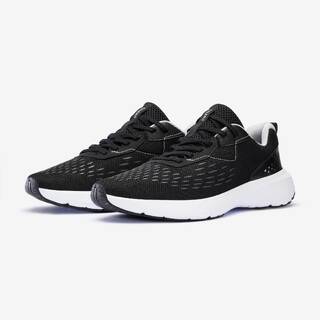
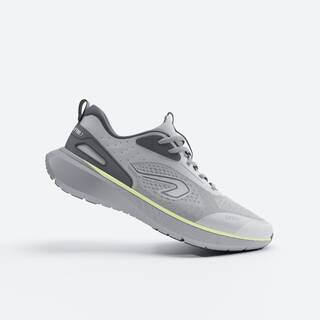
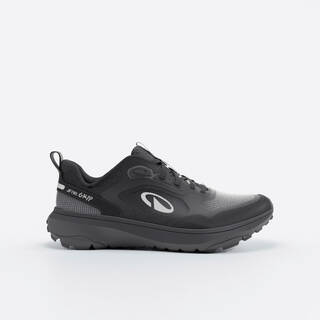
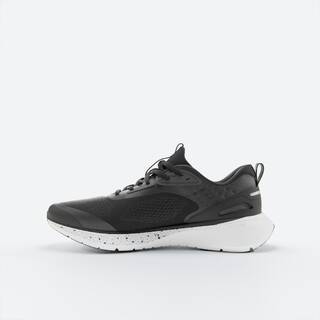

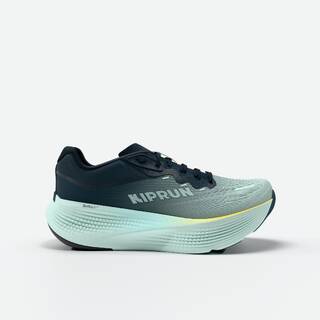
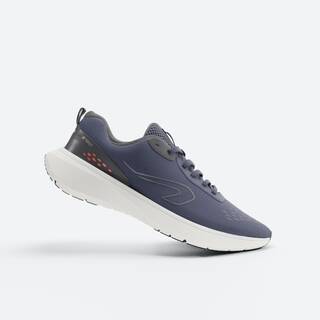
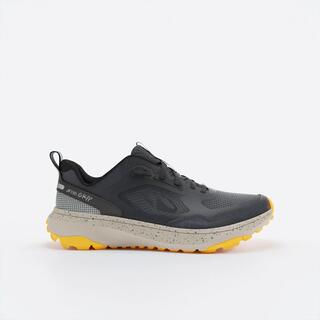
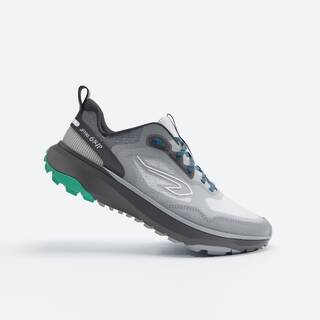
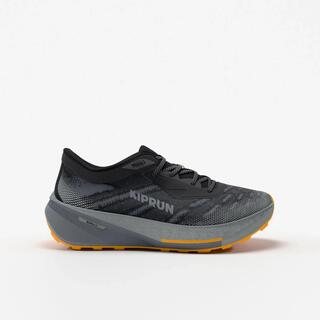
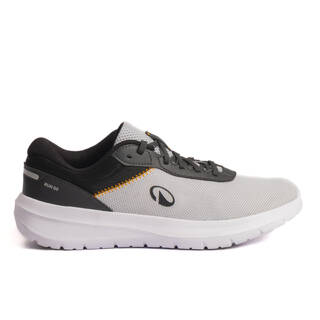
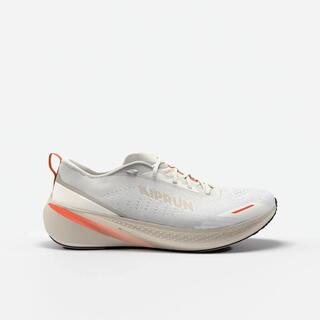
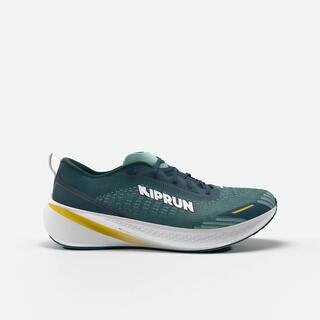
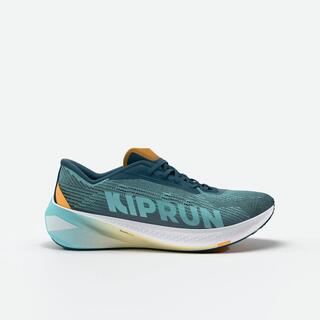
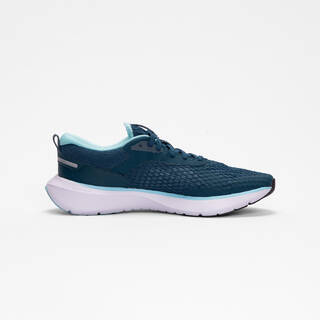
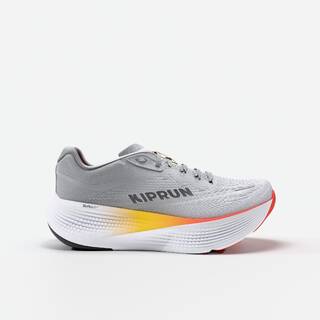
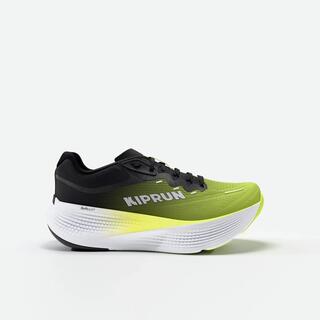

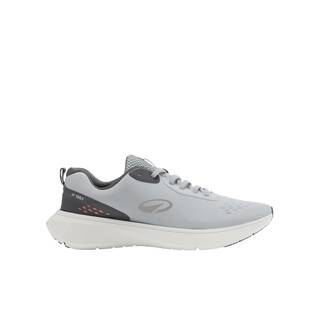
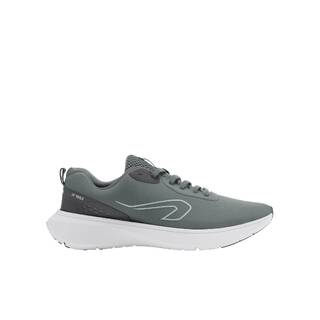
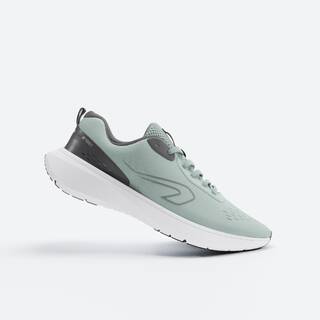
Men Running Shoes Built for Indian Roads and Marathon Goals
Men running shoes at Decathlon India are engineered for the specific demands of tarred asphalt roads, humid coastal runs, and long-distance training blocks. Whether you clock 5K recovery jogs or full marathon race days, the right footwear absorbs heel impact, supports midfoot propulsion, and prevents metatarsal fatigue across 800-plus kilometers of road pounding. Decathlon running shoes men's range spans three core sub-brands. Kiprun delivers technical performance with carbon plate racing tech and marathon-grade cushioning. Jogflow focuses on high-stack impact reduction for everyday road runners. Kalenji offers lightweight entry-level designs for track intervals and tempo runs.
Running shoes for men must address pronation patterns, arch height, and toe-box width suited to Indian foot anatomy. Neutral runners benefit from balanced midsole geometry with 8mm to 10mm heel-to-toe drop. Overpronators need medial post motion support to control inward ankle roll during heel strike. Lightweight runners under 70kg can opt for responsive foam platforms with minimal stack height. Heavier runners or those logging 50-plus weekly kilometers require dual-density midsole constructions with Kalensole foam bases and MFOAM top layers for progressive energy return without bottoming out.
Kiprun Marathon Running Shoes with Carbon Plate Technology
Kiprun running shoes men's lineup includes the Kipstorm Elite carbon plate racer, designed for sub-3:30 marathon finishers and competitive half-marathon runners. The full-length carbon fiber plate sits between dual-foam midsole layers. Lower Kalensole foam provides 35% compression resistance under heel impact. Upper MFOAM layer delivers 70% energy return during toe-off propulsion. Total stack height reaches 38mm in the heel, 32mm in the forefoot, creating a 6mm drop that promotes forward lean and faster cadence turnover.
Marathon running shoes for men in the Kiprun range also feature the Kiprace Road model with 10mm drop and engineered mesh uppers. Perforated mesh panels across the midfoot reduce weight to 240 grams per shoe in size UK 9. Rubber outsole uses 3mm lug depth with high-abrasion carbon-infused compound on lateral heel strike zones. This extends durability beyond 800 kilometers on Indian asphalt roads. Internal heel counters lock the calcaneus bone during late stance phase, preventing Achilles tendon strain on long Sunday runs exceeding 25 kilometers.
Jogflow High Cushion Road Running Shoes for Impact Absorption
Jogflow running shoes Decathlon range prioritizes shock absorption over speed. The Kipride Max cushion model features 42mm heel stack height with triple-density EVA foam construction. Bottom layer uses firm 60-shore durometer foam to prevent ankle instability. Middle layer incorporates softer 45-shore foam for initial impact damping. Top contact layer adds 5mm of memory foam that molds to individual foot contours after 50 kilometers of break-in mileage.
Cushioned running shoes for men in this category suit heavier runners above 85kg or those recovering from plantar fasciitis and shin splints. The Jogflow 500 model includes a 12mm heel-to-toe drop, encouraging heel-strike running mechanics common among recreational joggers. Outsole rubber extends across the entire footprint with 4mm lug depth, providing wet-road traction during monsoon training months. Breathable mesh running shoes construction uses double-layer jacquard weave that channels sweat vapor outward while blocking road dust ingress.
Trail Running Shoes Men Decathlon for Off-Road and Hill Training
Trail running shoes men Decathlon selection addresses loose gravel paths, forest trails, and hill repeat workouts. The Kiprun Trail MT features aggressive 5mm rubber lugs in directional tread patterns. Forefoot lugs angle backward for uphill traction. Heel lugs slant forward to prevent downhill skidding on steep descents. Midsole uses single-density Kalensole foam with 20% firmer compression than road models, maintaining stability on uneven terrain.
Trail-specific constructions include reinforced toe caps with thermoplastic polyurethane overlays that protect against rock strikes. Gaiter attachment loops at the ankle collar prevent trail debris from entering the shoe during technical descents. Arch support running shoes for trail use incorporate TPU shanks embedded in the midsole, reducing midfoot torsion when landing on angled tree roots or loose stones. Total shoe weight reaches 310 grams per shoe in size UK 9, balancing protection with agility for 15K to 25K trail runs.
Lightweight Running Shoes for Men and Track Interval Training
Lightweight running shoes for men prioritize minimal weight and ground feel for speed workouts. Kalenji mens running shoes include the Kiprun Fast model at 190 grams per shoe in UK 9. Single-layer mesh uppers eliminate structural overlays, reducing material bulk. Midsole stack height drops to 24mm in the heel, 20mm in the forefoot, creating a 4mm drop that mimics barefoot running biomechanics.
These designs suit track intervals, tempo runs, and race day efforts for runners targeting sub-40-minute 10K times. Thin EVA foam midsoles compress fully under body weight, providing direct tactile feedback from the running surface. Outsole rubber covers only high-wear zones under the lateral heel and medial forefoot, cutting 30 grams compared to full-coverage designs. Best running shoes for men focused on speed work sacrifice long-term cushioning durability for race-day responsiveness and sub-200-gram weight targets.
Kipcore and Kalenji Entry-Level Running Shoes for Beginners
Kipcore running shoes serve beginner runners building base mileage from zero to 30 weekly kilometers. The Kipcore 500 model uses standard EVA foam midsoles with 10mm drop and 32mm heel stack height. Neutral pronation geometry suits runners without diagnosed gait abnormalities. Mesh uppers feature welded synthetic overlays across the midfoot, providing structure without break-in discomfort. Rubber outsole uses 3.5mm lug depth with blown rubber under the forefoot for flexibility during toe-off.
Kalenji running shoes men's range includes the Run Support model with medial post motion control. Dual-density midsole adds firmer gray foam along the inner arch, countering overpronation common in new runners with collapsed arches. This prevents excessive inward ankle roll during heel strike, reducing knee valgus stress. Total shoe weight reaches 280 grams per shoe in UK 9. Best running shoes for men starting their running journey balance affordability with essential biomechanical support, avoiding advanced features like carbon plates or maximal cushioning that beginners cannot fully utilize.
Road Running Shoes Men for Asphalt Training and City Routes
Road running shoes men category focuses on durability and consistent cushioning across 600 to 1,000 kilometers of asphalt mileage. Decathlon mens running shoes for road use feature high-abrasion rubber compounds with 15% carbon black infusion. This extends outsole life on coarse Indian road surfaces that accelerate wear compared to synthetic tracks. Midsole foams use compression-set resistant formulations that retain 85% of initial cushioning properties after 500 kilometers.
Long distance running shoes for men include the Kiprun Long 2 with segmented crash pad geometry. Independent heel pods allow natural foot pronation during initial ground contact. Forefoot flex grooves align with metatarsal heads, reducing bending stiffness during toe-off. Breathable mesh running shoes uppers use laser-cut perforations in high-heat zones across the forefoot and lateral midfoot. This enhances airflow during humid summer runs when ambient temperatures exceed 32 degrees Celsius and road surface temps reach 50 degrees.
Choosing Men Running Shoes by Foot Type and Pronation Pattern
Selecting the right men running shoes starts with understanding your pronation pattern. Neutral pronators land on the lateral heel and roll inward 10 to 15 degrees before toe-off. They need balanced cushioning without medial post corrections. Overpronators roll inward beyond 15 degrees, requiring motion support shoes with firmer medial midsole wedges. Supinators land on the outer heel and maintain lateral contact, needing cushioned neutral shoes with flexible midsoles.
Arch height determines required midsole support. Low arches flatten under body weight, benefiting from arch support running shoes with TPU stability plates. High arches maintain rigid structure, needing extra cushioning to compensate for reduced natural shock absorption. Medium arches suit standard neutral designs. Toe-box width matters for Indian feet, which often measure 10mm wider across the metatarsal heads compared to European lasts. Decathlon running shoes men's models use Asian-specific lasts with 4mm additional forefoot width in sizes UK 8 to UK 11.
Running Shoe Replacement Cycles and Midsole Lifespan Indicators
Running shoes require replacement every 600 to 800 kilometers depending on runner weight, gait mechanics, and running surface. Midsole foam compression is the primary wear indicator. Press your thumb into the midsole under the heel. Fresh foam rebounds immediately. Worn foam stays compressed for 2-plus seconds. Visible creasing across the midsole sidewalls indicates structural breakdown. Outsole rubber wear alone does not signal replacement need since midsole degradation occurs first.
Heavier runners above 85kg compress midsole foams faster, requiring replacement closer to 600 kilometers. Lighter runners under 65kg can extend lifespan toward 900 kilometers. Trail running accelerates wear due to uneven impact forces. Road running on smooth asphalt provides the longest midsole life. Track running on synthetic surfaces falls between trail and road durability. Rotating between two pairs of running shoes extends total lifespan by allowing midsole foams 48 hours to fully recover compression between runs.
FAQ (Frequently Asked Questions)
Q1. How often should my men running shoes be replaced?
It's recommended to replace them every 500-700 Kilometers or when you notice significant wear and tear.
Q2. Are these shoes appropriate for people who have certain foot conditions, such as high arches or overpronation?
Yes, they are available in personalized support models and are designed to suit specific foot types and conditions.
Q3. Should I choose a neutral or stability running shoe?
If you have a neutral gait and don't experience overpronation or supination, a neutral running shoe is a great choice. However, if you overpronate (your feet roll inward) or supinate (your feet roll outward), a stability or motion control shoe can provide additional support and help prevent injuries.
Q4. What's the difference between road and trail running shoes?
Road running shoes are designed for running on paved surfaces, such as roads, sidewalks, and tracks. They typically have a more flexible and responsive midsole, as well as a durable outsole with good traction. Trail running shoes, on the other hand, are built for off-road terrain and feature aggressive lugs for better grip, as well as reinforced uppers for protection against rocks and debris.
Q5. How do I ensure a proper fit?
To ensure a proper fit, try on running shoes at the end of the day when your feet are slightly swollen. Leave about a thumb's width of space between your longest toe and the front of the shoe. The heel should fit snugly without slipping, and the midfoot should feel secure without being too tight.
Q6. Can I use the same running shoes for other activities?
While running shoes are designed specifically for running, they can be used for other low-impact activities, such as walking or light gym workouts. However, for high-impact activities like basketball or tennis, it's recommended to use shoes designed specifically for those sports to ensure proper support and protection.
Q7. Which Decathlon running shoes are best for men?
Best running shoes for men depend on your running goals and biomechanics. Kiprun Kipstorm Elite suits competitive marathoners needing carbon plate propulsion. Jogflow Kipride Max works for heavier runners requiring maximum cushioning. Kiprun Fast serves speed-focused runners doing track intervals. Kalenji Run Support helps beginners with overpronation issues.
Q8. How do I choose the right men's running shoes for my foot type?
Identify your pronation pattern first. Neutral pronators need balanced cushioning like Kiprun Road models. Overpronators require motion support shoes like Kalenji Run Support with medial posts. Check arch height by wetting your foot and stepping on paper. Low arches need arch support running shoes with stability plates. High arches benefit from extra cushioning in neutral designs.
Q9. What is the difference between Kiprun and Kalenji running shoes?
Kiprun running shoes men's range targets experienced runners with technical features like carbon plates, advanced foam compounds, and race-day geometries. Kalenji mens running shoes serve entry-level runners and casual joggers with simpler EVA foam midsoles, higher drops, and beginner-friendly cushioning. Kiprun prioritizes performance. Kalenji focuses on accessibility and comfort for new runners building base mileage.
Q10. Are Decathlon running shoes good for marathon running?
Yes. Marathon running shoes for men like Kiprun Kipstorm Elite feature carbon fiber plates and dual-foam midsoles designed for 42.2-kilometer race distances. Kiprun Long 2 provides high-mileage durability for weekly long runs exceeding 25 kilometers. These models include compression-resistant Kalensole foam that maintains cushioning properties beyond 800 kilometers of training and racing.
Q11. What is the difference between road running and trail running shoes?
Road running shoes men category uses smoother outsoles with 3mm to 4mm lug depth for asphalt traction and lighter weight. Trail running shoes men Decathlon models feature aggressive 5mm lugs for loose gravel grip, reinforced toe caps against rock strikes, and firmer midsoles for stability on uneven terrain. Trail shoes weigh 50 to 80 grams more per pair due to protective elements.
Q12. How often should you replace your running shoes?
Replace running shoes every 600 to 800 kilometers depending on your weight and running surface. Heavier runners above 85kg need replacement closer to 600 kilometers. Lighter runners under 65kg can extend to 900 kilometers. Check midsole compression by pressing your thumb into the heel foam. If it stays compressed for over 2 seconds, the cushioning has degraded and requires replacement.
Q13. Which Decathlon shoes are best for beginner runners?
Kipcore running shoes and Kalenji mens running shoes serve beginners building weekly mileage from zero to 30 kilometers. Kipcore 500 offers neutral cushioning with 10mm drop for natural heel-strike mechanics. Kalenji Run Support adds medial post motion control for overpronators. Both models balance essential support with straightforward designs that avoid overwhelming new runners with advanced features.
Q14. What are the best cushioned running shoes for men?
Cushioned running shoes for men include Jogflow Kipride Max with 42mm heel stack height and triple-density EVA foam construction. This model suits heavier runners or those recovering from impact injuries like plantar fasciitis. Kiprun Long 2 provides balanced cushioning for long-distance training with compression-resistant Kalensole foam that maintains shock absorption beyond 500 kilometers.
Q15. Which shoes are best for runners?
Best shoes depend on running type and experience level. Competitive runners need lightweight racing flats like Kiprun Fast or carbon plate models like Kipstorm Elite. Recreational road runners benefit from cushioned daily trainers like Jogflow 500. Trail runners require aggressive traction from Kiprun Trail MT. Beginners should start with supportive models like Kipcore 500 or Kalenji Run Support based on pronation pattern.
Q16. Do Decathlon running shoes provide arch support?
Yes. Arch support running shoes in the Decathlon range include Kalenji Run Support with medial posts and TPU stability plates. Kiprun Trail models feature embedded TPU shanks that reduce midfoot torsion on uneven terrain. Neutral models like Kiprun Road provide standard arch contours without corrective elements, suiting runners with medium to high arches who do not need motion control features.