Outdoor Army Military Camo Print Umbrellas, Shelters & Bushcraft





Military-Grade Ripstop Polyester and Waterproof Coatings for Monsoon Bushcraft Shelters
Tactical shelter fabrics engineered for Indian monsoon conditions rely on ripstop polyester construction rated between 210D and 420D denier. Higher denier counts provide superior tear resistance when anchored to tree trunks or rocky outcrops during high-wind events. Hydrostatic head ratings between 2000mm and 5000mm PU coating determine water column resistance, critical for sustained downpours across Western Ghats or Northeast hill terrain. Seam-sealed construction with taped joints prevents moisture ingress at stress points where fabric panels intersect.
Camo print patterns serve dual purposes beyond visual concealment. Woodland digital patterns and MultiCam derivatives reduce solar heat absorption compared to solid dark fabrics, keeping internal shelter temperatures 3 to 5 degrees Celsius cooler during midday sun exposure. Reinforced corner grommets and webbing loops accommodate paracord rigging systems, allowing modular pitch configurations from A-frame to lean-to setups. UV-resistant dye treatments maintain pattern integrity through extended Himalayan altitude exposure where UV index exceeds 11.
Quechua Tarp Systems and Modular Bushcraft Shelter Engineering
Quechua tactical tarps deliver packable shelter solutions weighing between 600 grams and 1.2 kilograms for 3x3 meter coverage areas. Aluminum alloy stake pegs (7075-T6 grade) provide superior ground penetration in compacted laterite soils common to Deccan Plateau regions. Guy line adjustment systems using cord locks enable precise tension control, essential for maintaining taut fabric geometry that sheds rain efficiently and prevents pooling.
Modular tarp designs incorporate multiple tie-out points spaced at 50-centimeter intervals along perimeter edges. This grid system supports asymmetric pitch angles for diverting monsoon wind-driven rain while maintaining ventilation gaps that reduce internal condensation. Stuff sack compression allows compact packing to 25x15 centimeter volumes, fitting into external rucksack pockets or hydration bladder compartments. Reinforced ridgeline channels accommodate structural poles or branch supports for elevated center height clearance exceeding 180 centimeters.
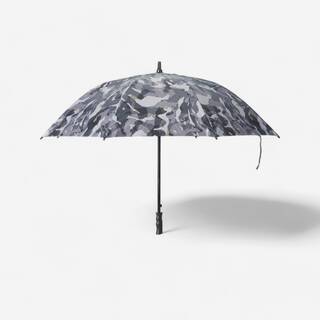
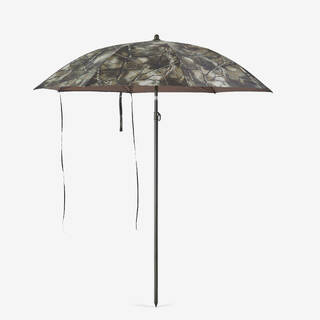
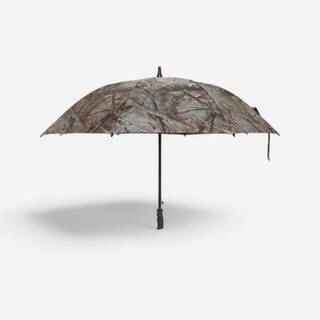
Tactical Umbrella Canopy Engineering for Wind Tunnel Stability and Rapid Deployment
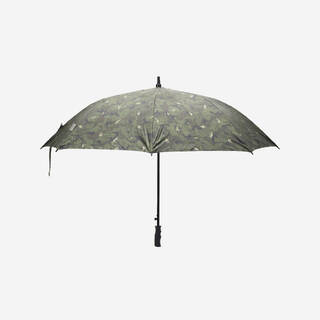
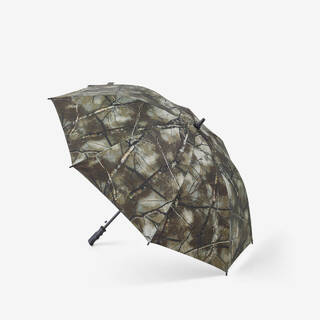
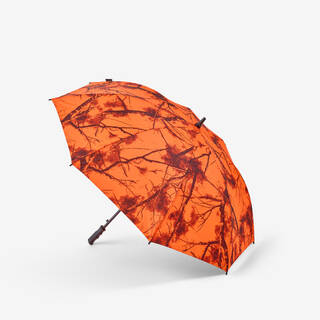
Military-pattern umbrellas engineered for field mobility utilize fiberglass rib construction rather than traditional steel frames. Fiberglass flexes under gust loads exceeding 40 km/h without permanent deformation, returning to original canopy shape after wind events. Rib counts between 8 and 10 segments distribute stress loads evenly across canopy fabric, preventing localized failure points. Automatic open mechanisms deploy full canopy coverage in under 2 seconds, critical for sudden monsoon squalls.
Canopy diameters ranging from 100 to 130 centimeters balance coverage area against packability for rucksack carry. Teflon-coated polyester canopy fabric achieves water shedding angles below 15 degrees, forcing droplets to roll off edges rather than saturating fabric weave. Rubberized grip handles with wrist lanyards prevent accidental drops during stream crossings or steep descent navigation. Compact folding mechanisms reduce collapsed length to 30 centimeters, fitting inside side pockets of tactical daypacks or vehicle door compartments.
Bushcraft Ground Sheets and Thermal Insulation Barriers for Hard Soil Camping
Ground sheet materials rated between 150D and 300D ripstop nylon provide abrasion resistance against sharp laterite fragments and granite gravel common to Indian campsites. Polyurethane backing layers achieve waterproof ratings of 3000mm hydrostatic head, creating moisture barriers between sleeping systems and damp soil. Reinforced corner tabs with metal grommets anchor sheets securely using 20-centimeter steel stakes, preventing wind lift during overnight gusts.
Reflective aluminum-coated undersides on premium ground sheets redirect radiant body heat back toward sleeping bags, reducing thermal loss through conductive ground contact. This becomes critical during winter Himalayan treks where ground temperatures drop below 5 degrees Celsius. Dimensions between 200x140 centimeters and 240x180 centimeters accommodate single to double sleeping pad layouts with perimeter margins that fold upward, creating splash guards against rain runoff. Packaged weight under 400 grams maintains ultralight backpacking standards for multi-day expeditions.
Camouflage Pattern Selection for Regional Terrain Matching and Heat Management
Woodland camo patterns featuring olive, brown, and tan disrupt visual outlines in deciduous forest environments across Uttarakhand and Himachal Pradesh. Digital pixelated patterns perform better in rocky alpine zones above 3500 meters where lichen-covered boulders dominate landscapes. Desert tan and khaki variants suit Rajasthan and Gujarat arid regions, blending with sandy substrate and scrub vegetation.
Pattern scale affects concealment effectiveness at varying distances. Macro patterns with 10 to 15 centimeter color blocks work for stationary camp setups viewed from 50 meters or greater. Micro patterns with 3 to 5 centimeter elements suit mobile applications where observers approach within 20 meters. Beyond concealment, lighter camo tones reflect more solar radiation, keeping shelter interiors 4 to 6 degrees cooler than solid dark green or black fabrics during afternoon heat peaks. This thermal advantage matters during pre-monsoon May and June when ground temperatures exceed 45 degrees Celsius in central Indian forests.
Paracord Rigging Systems and Structural Load Distribution for Tactical Shelters
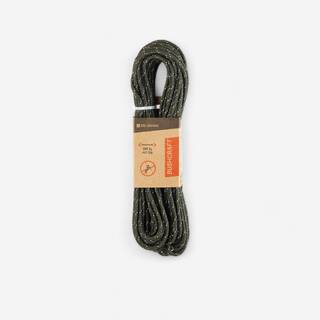
Type III paracord rated for 250-kilogram tensile strength forms the backbone of bushcraft shelter rigging. Seven-strand inner core construction provides elasticity that absorbs shock loads when wind gusts stress anchor points. Reflective tracer strands woven into outer sheaths improve nighttime visibility, preventing trip hazards around camp perimeters. Pre-cut lengths between 3 and 5 meters per guy line allow standard tarp pitch configurations without excess cordage weight.
Prusik knot systems enable adjustable tension without requiring specialized hardware. This matters when adapting shelter geometry to uneven terrain or shifting wind directions during multi-day camps. Aluminum cord locks and line tensioners provide quick-adjust alternatives, useful during rapid weather changes. Anchor point selection determines structural integrity. Living trees with trunk diameters exceeding 15 centimeters handle guy line loads safely. When trees are absent, buried deadman anchors using logs or rock-filled stuff sacks create secure tie-off points in sandy or loose soil conditions typical of riverbank campsites.
FAQ (Frequently Asked Questions)
Q1. What materials are used in the construction of your camo umbrellas and shelters?
Our camo umbrellas and shelters are crafted using high-quality, durable materials that are designed to withstand the rigors of outdoor use. The umbrellas feature reinforced frames and water-resistant canopies, while the shelters are made from lightweight yet sturdy fabrics that provide excellent weather protection and breathability.
Q2. How well do the camo patterns blend into different environments?
Our camo patterns are carefully designed to mimic the natural surroundings of various environments, ensuring optimal camouflage and discretion. From dense forests to arid deserts, urban landscapes to open plains, our collection offers a range of camo patterns that seamlessly blend into their respective settings.
Q3. Are the camo umbrellas and shelters easy to set up and pack down?
Yes, our camo umbrellas and shelters are designed with ease of use in mind. The umbrellas feature simple, intuitive mechanisms for opening and closing, while the shelters are engineered for quick and straightforward setup and breakdown, making them ideal for outdoor adventures and on-the-go use.
Q4. Can the camo umbrellas and shelters accommodate multiple people or gear?
Absolutely! Our collection includes a variety of sizes and capacities to suit different group sizes and gear requirements. From compact solo shelters to spacious multi-person options, and from compact umbrellas to larger models, you'll find the perfect solution to meet your specific needs.
Q5. How durable and weather-resistant are these products?
Durability and weather resistance are top priorities in the design of our camo umbrellas and shelters. They are constructed using high-quality, water-resistant materials and reinforced components to withstand harsh weather conditions, including rain, wind, and UV exposure. With proper care and maintenance, these products are built to last and provide reliable protection for years to come.
Q6. Can the camo umbrellas and shelters be used for activities other than bushcraft or military purposes?
Absolutely! While our camo umbrellas and shelters are designed with bushcraft and military enthusiasts in mind, their versatility and functionality make them suitable for a wide range of outdoor activities. Whether you're camping, hiking, fishing, or simply seeking a discreet and practical solution for urban environments, these products offer reliable protection and camouflage.
Q7. Do you offer any accessories or complementary products for the camo umbrellas and shelters?
Yes, we offer a range of accessories and complementary products to enhance your outdoor experience with our camo umbrellas and shelters. These may include ground sheets, storage bags, repair kits, and other essential items to ensure your gear remains in top condition and ready for any adventure.
Q8. What is the warranty or return policy for these products?
At Decathlon, we stand behind the quality of our products. Our camo umbrellas and shelters are covered by a comprehensive warranty against manufacturing defects and workmanship issues. Additionally, we offer a hassle-free return policy, allowing you to shop with confidence and peace of mind.
Q9. Can I purchase these products online or do I need to visit a physical store?
You can conveniently purchase our camo umbrellas and shelters through our online store, ensuring a seamless and hassle-free shopping experience from the comfort of your home or on-the-go. However, if you prefer to see and touch the products in person, you can visit any of our Decathlon retail locations, where our knowledgeable staff will be happy to assist you.
Q10. What denier rating should I choose for a tarp that will handle monsoon camping in Kerala or Karnataka forests?
Select ripstop polyester between 210D and 300D with a minimum 3000mm hydrostatic head PU coating. This combination resists punctures from broken branches while shedding sustained rainfall typical of Western Ghats monsoons. Seam-sealed construction at panel joints prevents water seepage during multi-hour downpours.
Q11. How do I prevent condensation buildup inside a tactical tarp shelter during humid nights?
Pitch your tarp with ventilation gaps of 15 to 20 centimeters between ground level and fabric edge, allowing air circulation. Avoid fully enclosed configurations unless facing heavy rain. Position the shelter opening perpendicular to prevailing wind direction to create cross-ventilation that evacuates moisture-laden air.
Q12. Can military-pattern umbrellas withstand the sudden wind gusts common during Bangalore and Pune afternoon thunderstorms?
Umbrellas with fiberglass rib construction flex under gusts up to 40 km/h without frame failure. Look for 8 to 10 rib designs that distribute wind loads evenly. Automatic open mechanisms allow rapid deployment when storm fronts approach suddenly, typical of pre-monsoon convective events.
Q13. What is the difference between woodland camo and digital camo for Himalayan trekking shelters?
Woodland patterns with organic shapes blend better in dense forest below 3000 meters. Digital pixelated camo performs better in rocky alpine zones where lichen and granite dominate. Digital patterns also reflect slightly more solar heat, keeping shelters cooler during high-altitude sun exposure.
Q14. How much paracord do I need to properly rig a 3x3 meter bushcraft tarp in uneven forest terrain?
Carry at least 20 meters of Type III paracord rated for 250-kilogram tensile strength. This allows four corner guy lines at 3 meters each, two ridgeline supports at 4 meters, and reserve length for adjustments. Pre-cut lengths reduce setup time and prevent excess weight.
Q15. Do ground sheets with aluminum-coated undersides actually reduce heat loss on cold Ladakh or Spiti Valley nights?
Yes. Reflective aluminum layers redirect radiant body heat back toward your sleeping system, reducing conductive thermal loss through frozen ground. This becomes measurable when ground temperatures drop below 5 degrees Celsius, common at altitudes above 3500 meters during September to November trekking seasons.
Q16. What stake length and material work best for anchoring tarps in rocky Deccan Plateau campsites?
Use 20 to 25 centimeter aluminum alloy stakes (7075-T6 grade) with V-profile cross-sections. The pointed tip penetrates compacted laterite soils, while the V-shape resists pullout under tension. Carry 6 to 8 stakes for a standard tarp, plus 2 spares for rocky ground where bending may occur.
Q17. How do I pack a tactical tarp to minimize rucksack volume for multi-day Sahyadri or Nilgiri treks?
Fold the tarp lengthwise into thirds, then roll tightly from one end while pressing out air pockets. Secure with elastic straps or stuff into a compression sack rated for the tarp's packed dimensions (typically 25x15 centimeters). Store in an external pocket for quick access during sudden rain.
Q18. Can I use a military-pattern umbrella as an emergency rain cover for my backpack during unexpected downpours?
Umbrellas with 120 to 130 centimeter canopy diameters provide adequate coverage for 50 to 60 liter rucksacks when angled properly. However, wind gusts above 30 km/h make this unstable. For sustained rain, deploy your tarp as a pack cover or use a dedicated waterproof pack liner.
Q19. What maintenance steps extend the lifespan of ripstop polyester tarps used in high-UV Himalayan conditions?
Rinse tarps with fresh water after each trip to remove dust and salt residue. Air-dry completely before packing to prevent mildew growth. Store in a cool, dry location away from direct sunlight. Reapply DWR (durable water repellent) spray annually if water no longer beads on the fabric surface.