Pillow


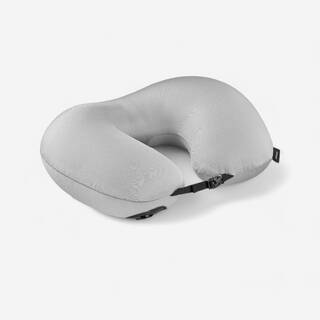
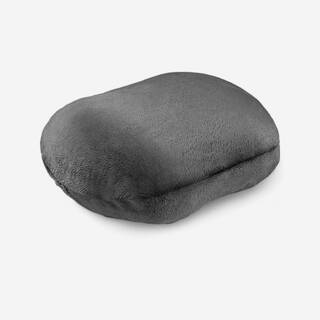

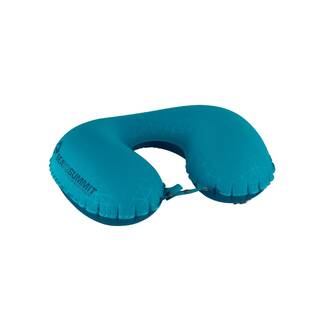
Technical Pillow Engineering for Outdoor Recovery and Sleep Optimization
Decathlon pillows integrate closed-cell foam and hollow-fiber polyester fills designed to balance compressibility, loft retention, and thermal regulation across high-altitude camping, humid coastal treks, and apartment recovery routines. Quechua and Forclaz pillows utilize synthetic insulation with fill power ratings between 350 and 450 cubic inches per ounce, delivering consistent loft even after repeated compression cycles during multi-day Himalayan expeditions or Western Ghats monsoon treks. Core construction features include baffle-box stitching that prevents fill migration, ripstop polyester shells rated at 30D to 50D denier for puncture resistance against tent floors and rocky campsites, and water-repellent DWR coatings that shed condensation in high-humidity environments.
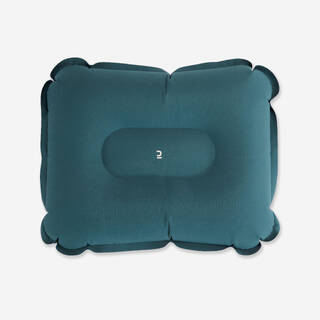
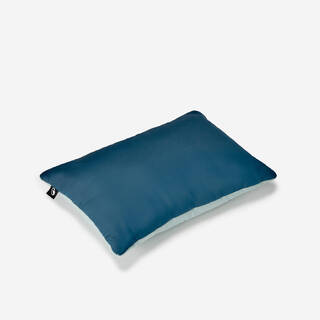
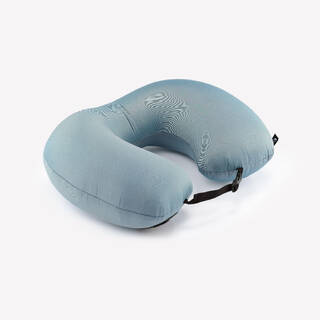
Pillow dimensions follow ergonomic neck support profiles, with standard rectangular formats (40cm x 30cm) and contoured cervical designs that maintain neutral spinal alignment during side, back, and stomach sleeping positions. Inflatable models incorporate TPU-laminated nylon bladders with multi-valve systems, allowing precise firmness adjustment from soft (2 PSI) to firm (6 PSI) based on individual comfort thresholds and sleeping surface hardness. Packed volumes range from 200 cubic centimeters for ultralight backpacking pillows to 800 cubic centimeters for car camping models, with compression stuff sacks that reduce transport bulk by 60 to 70 percent. Weight specifications span 80 grams for minimalist inflatable designs to 350 grams for hybrid foam-fill constructions, directly impacting load distribution in 50-liter to 70-liter trekking backpacks.
Quechua and Forclaz Pillow Technologies for Indian Trekking and Camping Conditions
Quechua camping pillows address India's extreme temperature swings, from sub-zero Ladakh nights to 35-degree Celsius Rajasthan desert camps. Synthetic microfiber fills resist moisture absorption, maintaining loft integrity even when exposed to 85 percent relative humidity during Kerala monsoon camping or Goa coastal bivouacs. Surface fabrics incorporate brushed polyester knits with 150 GSM weights, providing soft-touch comfort without sacrificing durability against abrasive tent interiors and dusty ground tarps. Pillow cores feature open-cell foam layers with compression set resistance, recovering 95 percent of original thickness after 10,000 compression cycles, ensuring multi-season reliability for weekend warriors and expedition trekkers.
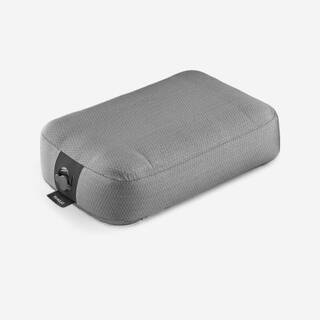
Forclaz ultralight pillows target gram-conscious backpackers tackling Himachal Pradesh alpine routes and Uttarakhand glacier treks. Inflatable bladder construction uses 20D ripstop nylon with TPU lamination, achieving waterproof ratings of 3,000mm hydrostatic head while maintaining pack weights under 100 grams. Valve systems incorporate one-way inflation mechanisms that prevent air loss during adjustments, plus rapid deflation ports for sub-30-second packing. Hybrid models combine inflatable cores with removable fleece covers, allowing temperature modulation by adding or removing insulation layers based on altitude and season. Attachment loops enable secure fastening to sleeping bag hoods or tent vestibule anchor points, preventing pillow migration on sloped campsites or uneven ground surfaces.
Cervical Support Geometry and Sleep Surface Compatibility for Recovery Athletes
Pillow loft heights directly influence cervical spine alignment, with Decathlon models offering 8cm to 14cm thickness profiles calibrated for different body weights and sleeping positions. Side sleepers require higher lofts (12cm to 14cm) to fill the shoulder-to-head gap, maintaining neutral neck angles between 10 and 15 degrees. Back sleepers benefit from medium lofts (9cm to 11cm) that support the natural cervical curve without hyperextending the neck, while stomach sleepers need minimal lofts (8cm or less) to prevent excessive neck rotation. Memory foam pillows incorporate viscoelastic polyurethane with density ratings between 40 kg/m³ and 60 kg/m³, conforming to head contours within 3 to 5 seconds of contact while distributing pressure across 30 to 40 percent more surface area than traditional polyester fills.
Sleeping pad compatibility requires matching pillow base widths to pad dimensions, preventing edge roll-off during sleep position changes. Standard camping pads (50cm to 60cm wide) pair with rectangular pillows, while ultralight inflatable pads (40cm to 45cm wide) demand compact pillow footprints under 35cm width. Non-slip silicone grip dots on pillow undersides increase friction coefficients by 200 to 300 percent against nylon sleeping pad surfaces, reducing nighttime displacement. Temperature regulation features include phase-change material coatings that absorb excess body heat above 32 degrees Celsius and release stored thermal energy when ambient temperatures drop below 28 degrees, maintaining microclimate stability across 4-degree temperature bands.
Synthetic Fill Performance vs Inflatable Bladder Systems for Expedition Use
Synthetic polyester fills deliver consistent performance across humidity ranges from 20 percent (Rajasthan desert) to 95 percent (Meghalaya rainforests), unlike down insulation that loses 40 to 50 percent loft when exposed to moisture. Hollow-fiber construction creates air pockets within individual filaments, trapping warm air while allowing vapor transmission rates of 3,000 to 5,000 grams per square meter per 24 hours. Fill weights between 200 and 400 grams provide sufficient loft for year-round use, with higher weights (350g to 400g) suited for winter Himalayan camps and lower weights (200g to 250g) optimized for summer plains camping. Synthetic fills retain 85 to 90 percent of original loft after 500 wash cycles, supporting multi-year ownership without performance degradation.
Inflatable pillow bladders eliminate bulk, compressing to pocket-sized volumes (150 cubic centimeters) for ultralight backpackers targeting sub-8-kilogram base weights on long-distance trails. TPU lamination provides puncture resistance against sharp tent stakes and rocky ground, with tear propagation resistance 3 times higher than uncoated nylon. Inflation requires 3 to 5 breaths for standard models (400ml to 600ml volume) and 8 to 12 breaths for oversized designs (900ml to 1,200ml volume), with firmness adjustable via incremental air release. Hybrid constructions layer 2cm to 3cm foam toppers over inflatable cores, combining the packability of air bladders with the surface comfort of traditional fills. Valve durability withstands 2,000 to 3,000 inflation cycles, ensuring reliability across 100-plus camping nights before seal degradation.
Maintenance Protocols and Durability Standards for Multi-Season Camping Pillows
Pillow longevity depends on proper cleaning and storage practices tailored to fill type and shell material. Synthetic-fill pillows tolerate machine washing at 30 degrees Celsius with mild detergent, using gentle cycles to prevent baffle seam stress and fill clumping. Air drying on flat surfaces maintains loft distribution, while tumble drying on low heat (40 degrees Celsius maximum) with tennis balls restores fluffiness by breaking up compressed fiber clusters. Inflatable models require spot cleaning with damp cloths and isopropyl alcohol for valve disinfection, avoiding full submersion that can compromise lamination adhesives. Storage in loosely packed mesh bags allows airflow, preventing mildew growth during India's 4-month monsoon season when humidity exceeds 80 percent for extended periods.
Durability testing protocols simulate 500 compression cycles at 50 percent loft reduction, replicating 2 years of weekend camping use. Shell fabrics undergo abrasion resistance testing per ASTM D4966 standards, with passing grades requiring zero visible wear after 10,000 rub cycles against 400-grit sandpaper. Seam strength testing applies 15-kilogram loads to baffle stitching, ensuring no separation under typical head weights (4kg to 6kg) plus dynamic forces from sleep position changes. UV resistance treatments protect polyester shells against 200 hours of direct sunlight exposure, equivalent to 50 days of daytime outdoor storage without color fading or fabric weakening. Warranty coverage spans 2 years for structural defects, including seam failures, zipper malfunctions, and premature loft loss exceeding 20 percent of original specifications.
Pillow Selection Framework for Backpacking vs Car Camping vs Indoor Recovery
Backpacking pillows prioritize weight-to-comfort ratios, with ultralight models (80g to 150g) sacrificing plushness for packability on multi-day treks where every gram impacts fatigue accumulation over 15km to 25km daily distances. Inflatable designs dominate this category, offering 10:1 to 15:1 packed-to-inflated volume ratios that fit inside backpack compression straps or hip belt pockets. Car camping eliminates weight constraints, allowing 300-gram to 500-gram synthetic-fill pillows with luxury dimensions (50cm x 35cm) and 12cm to 15cm lofts that replicate home bedding comfort. These models include removable cotton blend covers (180 GSM to 220 GSM) with zippered closures for easy laundering, plus antimicrobial treatments that inhibit odor-causing bacteria during extended camping trips.
Indoor recovery pillows for post-workout rest and travel use feature memory foam cores with medium-firm densities (50 kg/m³ to 55 kg/m³) that support neck alignment during 20-minute to 60-minute recovery sessions after high-intensity training. Compact travel formats (30cm x 25cm) fit inside gym duffel bags and airplane carry-ons, with compression straps reducing volume by 40 percent. Cooling gel layers embedded in foam surfaces dissipate heat buildup, maintaining contact temperatures 2 to 3 degrees Celsius below ambient during extended use in non-air-conditioned environments. Multi-use designs incorporate snap-button systems that convert flat pillows into lumbar supports for long-distance bus travel across Indian highways, addressing lower back fatigue during 8-hour to 12-hour journeys between cities.
FAQ (Frequently Asked Questions)
Q1. What is the best pillow for side sleepers?
Side sleepers typically require a thicker, firmer pillow to fill the gap between their shoulder and the mattress, providing proper neck and spine alignment. Memory foam or high-loft pillows are often recommended for side sleepers.
Q2. How often should I replace my pillow?
Most experts recommend replacing your pillow every 1-2 years, or sooner if it becomes lumpy, flat, or loses its supportive qualities. Regular fluffing and rotation can help extend the life of your pillow.
Q3. Are memory foam pillows suitable for hot sleepers?
Some memory foam pillows can trap heat, which may be uncomfortable for hot sleepers. Look for memory foam pillows with cooling gel or ventilated designs to promote better airflow and temperature regulation.
Q4. What are the benefits of a bamboo pillow?
Bamboo pillows are naturally hypoallergenic, moisture-wicking, and breathable, making them a great choice for those with allergies or hot sleepers. They are also eco-friendly and sustainable.
Q5. Can pillows cause neck pain?
Yes, using an unsuitable pillow that doesn't properly support your neck and spine can lead to neck pain, stiffness, and discomfort. Choosing the right pillow for your sleeping position is crucial to prevent neck issues.
Q6. How do I clean my pillow?
Most pillows can be machine washed and dried, but be sure to check the care label for specific instructions. It's also recommended to use a gentle, mild detergent and avoid fabric softeners or bleach, which can damage the pillow's materials.
Q7. What is the difference between a contour and a standard pillow?
A contour pillow is designed with a curved or shaped surface to better support the natural curvature of the neck and spine. Standard pillows are typically flat or evenly filled.
Q8. Can pillows cause allergies?
Some pillow materials, such as feathers or synthetic fibers, can trap dust mites, mold, and other allergens, potentially triggering allergic reactions. Hypoallergenic options like microfiber, bamboo, or memory foam pillows can help reduce allergy symptoms.
Q9. How do I choose the right pillow firmness?
Pillow firmness is a personal preference, but generally, side sleepers prefer a firmer pillow, while back and stomach sleepers may prefer a softer or medium firmness. Consider your sleeping position and comfort level when selecting the right firmness.
Q10. Can pillows be adjusted for different sleeping positions?
Some pillows, like shredded memory foam or adjustable pillows, allow you to add or remove filling to customize the loft and firmness to suit your sleeping position and preferences.
Q11. What pillow loft height should I choose for side sleeping during Himalayan treks?
Side sleepers need 12cm to 14cm loft heights to fill the shoulder-to-head gap and maintain neutral cervical spine alignment. Quechua inflatable pillows allow firmness adjustments between 2 PSI and 6 PSI, letting you fine-tune support based on sleeping pad thickness and personal comfort preferences. Higher lofts prevent neck strain during multi-night expeditions above 3,000 meters altitude.
Q12. How do synthetic-fill pillows perform in monsoon humidity compared to inflatable models?
Synthetic polyester fills retain 85 to 90 percent loft in humidity levels up to 95 percent, making them ideal for Kerala and Goa coastal camping during monsoon months. Inflatable TPU bladders resist moisture absorption entirely but require proper valve drying to prevent mildew. Forclaz hybrid models combine both technologies, offering moisture resistance with enhanced surface comfort.
Q13. Can I machine wash Decathlon camping pillows without damaging the fill?
Synthetic-fill pillows tolerate machine washing at 30 degrees Celsius on gentle cycles with mild detergent. Air dry flat or tumble dry on low heat (40 degrees maximum) with tennis balls to restore loft. Inflatable models require spot cleaning only, using damp cloths and avoiding full submersion that can compromise TPU lamination adhesives.
Q14. What packed volume should I target for 5-day backpacking trips in Himachal Pradesh?
Ultralight inflatable pillows compress to 150 to 250 cubic centimeters, fitting inside backpack side pockets or hip belt compartments without consuming main pack volume. Models weighing 80 to 120 grams provide adequate comfort while maintaining sub-10-kilogram base weights for sustained trekking across alpine terrain. Hybrid foam-inflatable designs increase volume to 400 cubic centimeters but offer superior neck support.
Q15. How do I prevent my pillow from sliding off the sleeping pad during night movements?
Look for pillows with silicone grip dots or textured undersides that increase friction against nylon sleeping pad surfaces by 200 to 300 percent. Some Quechua models include attachment loops that clip to sleeping bag hoods or pad anchor points. Alternatively, place the pillow inside a fleece jacket laid across the pad to create a non-slip barrier.
Q16. What is the difference between Quechua and Forclaz pillow designs for camping?
Quechua pillows target general camping and car camping with synthetic fills, higher lofts (10cm to 14cm), and comfort-focused designs weighing 250 to 400 grams. Forclaz specializes in ultralight backpacking pillows under 150 grams, using inflatable bladders and 20D ripstop shells for maximum packability. Both lines handle India's temperature extremes and humidity ranges effectively.
Q17. Do memory foam pillows work for post-gym recovery and travel use?
Memory foam pillows with 50 kg/m³ to 60 kg/m³ density ratings conform to neck contours within 3 to 5 seconds, supporting cervical alignment during 20-minute to 60-minute recovery sessions. Compact travel formats (30cm x 25cm) fit gym bags and airplane carry-ons. Cooling gel layers dissipate heat, maintaining contact temperatures 2 to 3 degrees below ambient in non-air-conditioned spaces.
Q18. How long do inflatable pillow valves last with regular camping use?
Quality TPU valves withstand 2,000 to 3,000 inflation cycles, equivalent to 100-plus camping nights before seal degradation. One-way inflation mechanisms prevent air loss during firmness adjustments, while rapid deflation ports enable sub-30-second packing. Regular valve cleaning with isopropyl alcohol extends lifespan by preventing dirt buildup that compromises seal integrity.
Q19. Can I use the same pillow for summer desert camping and winter Himalayan expeditions?
Hybrid pillows with removable fleece covers allow temperature modulation by adding insulation for winter use (sub-zero nights) and removing it for summer desert camps (30-degree-plus temperatures). Synthetic fills maintain consistent loft across temperature ranges from minus 10 to plus 35 degrees Celsius. Inflatable models offer year-round versatility through firmness adjustments that compensate for different sleeping pad insulation levels.
Q20. What pillow dimensions fit ultralight inflatable sleeping pads under 45cm width?
Choose compact rectangular pillows with base widths under 35cm to prevent edge roll-off on narrow ultralight pads. Forclaz ultralight models measure 30cm x 25cm when inflated, providing adequate head support without overhanging pad edges. Contoured cervical designs with tapered bases (28cm to 32cm) maximize surface contact while maintaining stability during sleep position changes on 40cm to 45cm wide pads.