Liner


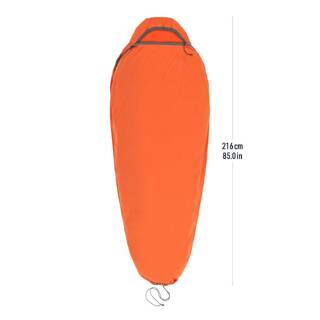
Buy Liner Online at Decathlon India | Sleeping Bag Liner for Camping & Trekking
A sleeping bag liner adds warmth, hygiene, and comfort to your camping setup. It acts as a protective layer inside your sleeping bag, keeping it clean from sweat, dirt, and body oils during multi-day treks or weekend camping trips. Decathlon India offers liners from Quechua and Forclaz, designed for Indian trekkers who face varying temperatures across the Himalayas, Western Ghats, and desert campsites. These liners are lightweight, pack down small, and fit easily into any backpack without adding bulk.
Liners serve multiple purposes beyond just cleanliness. They can add several degrees of warmth to your sleeping bag during cold nights at high altitude, or they can be used alone as a lightweight sleep solution during summer treks when temperatures stay mild. The fabric choices range from soft cotton blends for breathability in humid conditions to synthetic microfiber for quick drying after monsoon dampness. Whether you are a beginner camper exploring local trails or a regular trekker heading to base camps, a liner extends the life of your sleeping bag and adapts to changing weather conditions across India's diverse terrain.
Why You Need a Sleeping Bag Liner for Indian Camping Conditions
Indian camping conditions demand practical gear that handles sweat, dust, and temperature swings. A liner keeps your sleeping bag interior fresh even after days without access to washing facilities. During monsoon treks, moisture from humid air and body perspiration can make sleeping bags feel damp and uncomfortable. A quick-drying liner wicks away moisture and dries faster than the sleeping bag itself, ensuring you stay comfortable night after night.
Temperature regulation is another key benefit. High-altitude campsites in regions like Ladakh, Spiti, or Uttarakhand can drop to near freezing at night, even during summer months. Adding a liner can boost your sleeping bag's warmth rating by three to five degrees Celsius, providing extra insulation without carrying a heavier sleeping bag. For lowland camping in places like Coorg, Lonavala, or Rishikesh during warmer months, using just the liner alone keeps you covered without overheating. This flexibility makes liners essential for trekkers who camp across different seasons and elevations.
Types of Liners and Which One to Choose
Cotton liners offer natural breathability and softness against the skin. They work well for summer camping in moderate climates where temperatures stay above 15 degrees Celsius. Cotton absorbs moisture, making it comfortable in humid conditions, but takes longer to dry if it gets wet. These liners are ideal for car camping or base camp setups where weight and pack size are less critical.
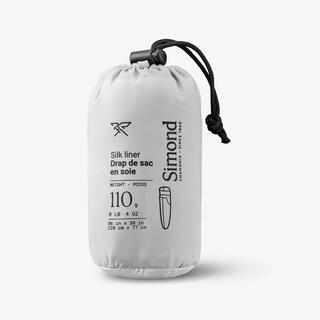
Synthetic microfiber liners are lighter, pack smaller, and dry much faster than cotton. They resist moisture buildup and work better in unpredictable weather. Microfiber liners are the practical choice for multi-day treks where you need to minimize backpack weight and ensure quick drying after damp nights. Silk liners, though less common, offer the best warmth-to-weight ratio and pack down to the size of a fist, but they require more careful handling and washing. For most Indian trekkers, a synthetic liner balances durability, weight, and performance across varied conditions.
How to Choose the Right Liner for Your Camping Needs
Start by considering the type of camping you do most often. Weekend campers who stay at established sites with vehicle access can prioritize comfort and choose a cotton liner for its soft feel and breathability. Backpackers and trekkers who carry all their gear need to focus on weight and pack size, making synthetic microfiber the better option. Check the packed dimensions to ensure the liner fits into your backpack without taking up too much space.
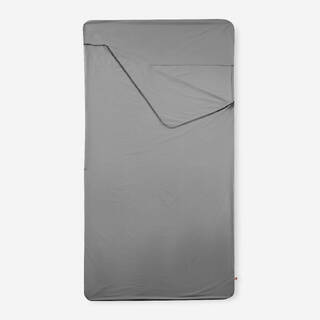
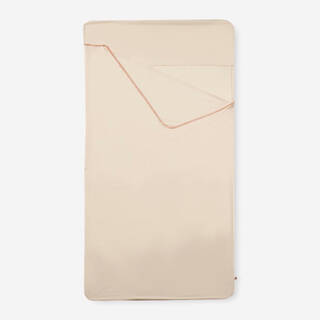
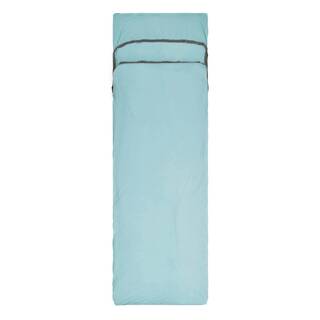
Think about the temperature range of your trips. If you camp mostly during summer or in lowland areas, a lightweight liner used alone provides enough coverage. For high-altitude treks or winter camping, look for liners with added insulation or thermal properties that boost your sleeping bag's warmth. Also consider the shape: mummy-style liners fit snugly inside mummy sleeping bags and reduce cold air pockets, while rectangular liners offer more room to move and work well with wider sleeping bags. Match the liner shape to your sleeping bag design for the best fit and performance.
Comfort and Hygiene Benefits for Multi-Day Treks
Keeping your sleeping bag clean during long treks is challenging. A liner acts as a washable barrier that protects the sleeping bag from sweat, dirt, and oils. After a trek, you can wash the liner easily at home, while the sleeping bag itself requires less frequent and more careful cleaning. This extends the lifespan of your sleeping bag and maintains its insulation properties over many seasons of use.
Liners also improve comfort by adding a soft layer between you and the sleeping bag fabric. Some sleeping bag shells can feel slippery or rough against bare skin, especially synthetic models. A cotton or microfiber liner provides a more pleasant sleeping surface and reduces the sensation of being confined inside the bag. For group camping or when sharing gear, using a personal liner ensures hygiene and gives each person their own clean sleep space.
Care and Maintenance Tips for Sleeping Bag Liners
Wash your liner after every multi-day trek or camping trip to remove sweat, dirt, and body oils. Cotton liners can be machine washed in cold or warm water with mild detergent, then air dried or tumble dried on low heat. Synthetic microfiber liners dry faster and can be hand washed in a bucket if you are on the trail, then hung to dry within a few hours. Avoid using fabric softeners, as they can reduce the moisture-wicking properties of synthetic fabrics.
Store your liner loosely in a breathable storage bag or hang it in a dry closet. Do not keep it compressed in a stuff sack for long periods, as this can damage the fabric fibers over time. Before packing for a trip, check the liner for any tears or worn seams and repair them with a simple stitch or fabric patch. Proper care ensures your liner remains functional and comfortable for many years of camping and trekking adventures across India.
FAQ (Frequently Asked Questions)
Q1. Can I use a sleeping bag liner alone during summer camping in India?
Yes, a liner works well on its own during warm weather camping when temperatures stay above 15 to 18 degrees Celsius. Cotton and microfiber liners provide enough coverage for summer nights in lowland areas like Coorg, Rishikesh, or coastal campsites. They are lightweight, breathable, and much easier to pack than a full sleeping bag.
Q2. How much warmth does a liner add to my sleeping bag?
A liner typically adds three to five degrees Celsius of extra warmth to your sleeping bag. This boost helps during cold nights at high altitude or unexpected temperature drops. The exact warmth gain depends on the liner material, with synthetic and silk liners generally providing better insulation than cotton.
Q3. Which liner material is best for monsoon trekking?
Synthetic microfiber liners are the best choice for monsoon treks because they dry quickly and resist moisture buildup. Cotton liners absorb sweat and humidity, taking much longer to dry in damp conditions. A quick-drying liner ensures you stay comfortable even when camping in high-humidity environments during the rainy season.
Q4. How do I choose the right liner shape for my sleeping bag?
Match the liner shape to your sleeping bag design. Mummy-style liners fit snugly inside mummy sleeping bags and reduce cold air gaps, making them ideal for high-altitude camping. Rectangular liners offer more room and work well with wider sleeping bags for casual camping. Check the dimensions to ensure a proper fit without excess fabric bunching inside.
Q5. How often should I wash my sleeping bag liner?
Wash your liner after every multi-day trek or camping trip to remove sweat, dirt, and oils. For weekend trips, you can wash it every two to three uses depending on conditions. Regular washing keeps the liner hygienic and maintains its moisture-wicking properties, especially for synthetic fabrics that need to stay clean to perform well.
Q6. Are sleeping bag liners necessary for beginners?
Liners are highly recommended for beginners because they add hygiene, comfort, and versatility to your camping setup. They protect your sleeping bag investment, adapt to different temperatures, and are easy to wash and maintain. Starting with a liner helps you camp more comfortably while learning what gear works best for your trekking style and preferred destinations.