Sleeves

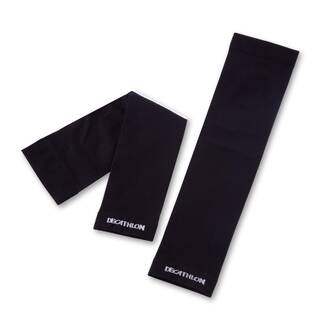
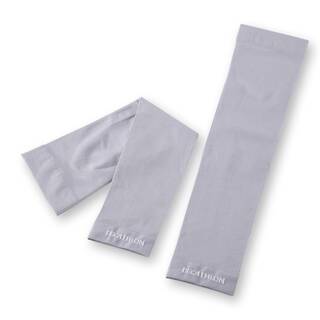
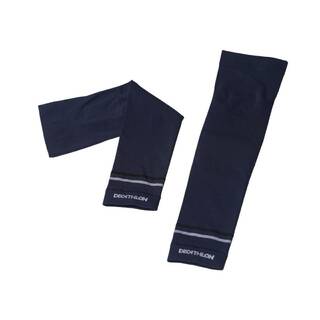

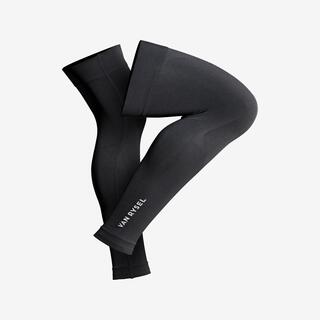

Compression Sleeves for Arms and Calves: Graduated Pressure Engineering for Indian Athletes
Compression sleeves deliver targeted graduated pressure measured in mmHg (millimeters of mercury), typically ranging from 15 to 25 mmHg at the extremities, tapering toward the core. This pressure gradient assists venous return, helping deoxygenated blood flow back toward the heart during prolonged runs on concrete roads or extended cycling sessions. In high-humidity monsoon conditions where sweat accumulation can trigger skin chafing, compression fabrics using circular knit construction reduce friction points while maintaining consistent pressure distribution across muscle groups.
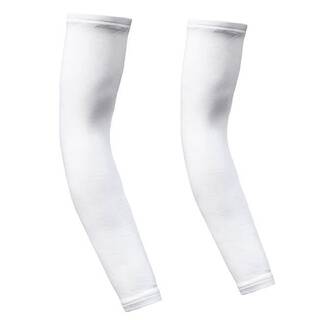
Arm sleeves serve dual functions for runners, cyclists, and outdoor athletes. They provide UV protection rated between UPF 30 and UPF 50+, critical for long-distance road cycling through exposed rural highways or high-altitude Himalayan treks where solar radiation intensity increases approximately 10 percent per 1000 meters of elevation gain. Calf sleeves target the gastrocnemius and soleus muscles, offering mechanical support during repetitive loading cycles. A properly fitted calf sleeve should measure snugly at the widest part of the calf (typically 35 to 45 cm circumference for adult athletes) without restricting arterial inflow or causing numbness.
Material composition directly impacts durability and moisture management. Premium compression sleeves blend 70 to 80 percent polyamide (nylon) with 20 to 30 percent elastane (spandex), ensuring elastic recovery after repeated wash cycles. Polyamide fibers exhibit high tensile strength and abrasion resistance, essential for athletes training on dusty trails or rough terrain. Elastane provides the necessary stretch and recoil properties to maintain consistent compression over time. Cheaper blends using excessive cotton content (above 40 percent) absorb sweat, lose elasticity rapidly, and fail to deliver sustained graduated pressure.
Kalenji and Kiprun Compression Sleeves: Sub-Brand Differentiation for Running and Trail Disciplines
Kalenji compression sleeves target recreational runners and fitness enthusiasts training on urban roads and park loops. These sleeves typically feature moderate compression levels (15 to 20 mmHg), seamless tubular construction to eliminate vertical seams, and reflective logos for low-light visibility during early morning or evening runs. The fabric weight ranges from 180 to 200 GSM, balancing compression efficacy with breathability. Kalenji arm sleeves integrate silicone gripper bands at the bicep to prevent downward migration during arm swing cycles, a common issue when sweat reduces fabric-to-skin friction.
Kiprun compression sleeves cater to performance-oriented runners tackling half marathons, trail races, and ultra-distance events. These sleeves employ higher compression gradients (20 to 25 mmHg) and reinforced elastic zones targeting specific muscle bellies. Kiprun calf sleeves often incorporate zoned mesh panels along the shin and Achilles region, enhancing ventilation without compromising structural support. The fabric blend shifts toward higher polyamide ratios (75 to 80 percent) for improved moisture wicking during sustained efforts exceeding 90 minutes. Trail-specific models add antimicrobial treatments to combat bacterial growth in humid, muddy conditions common during monsoon trail running events.
Sizing Precision and Fit Protocols: Circumference Measurements for Optimal Compression Delivery
Compression sleeves function only when sized correctly according to limb circumference, not generic small/medium/large categories. For calf sleeves, measure the widest part of the calf muscle (typically 10 to 15 cm below the knee joint) using a flexible tape measure while standing. A measurement of 32 to 36 cm typically corresponds to size S, 36 to 40 cm to size M, 40 to 44 cm to size L, and 44 to 48 cm to size XL. Sleeves should feel snug upon initial wear, requiring slight effort to pull on, but should not cause skin blanching, tingling, or numbness after 10 minutes of wear.
Arm sleeves require bicep and forearm circumference measurements. Measure the bicep at its widest point (mid-upper arm) and the forearm approximately 5 cm below the elbow crease. A properly fitted arm sleeve should stay in place during dynamic arm movements without requiring constant adjustment. If the sleeve rolls down during running or cycling, it indicates insufficient compression or incorrect sizing. Conversely, if the sleeve leaves deep indentations in the skin or causes hand swelling, it indicates excessive compression that may impede lymphatic drainage.
Indian athletes with muscular calves or larger forearm girths often require custom sizing considerations. Standard European sizing charts may not accommodate the broader calf profiles common among athletes with higher muscle mass. When measurements fall between two sizes, opt for the larger size to avoid compromising circulation. Compression efficacy decreases by approximately 30 to 40 percent once the fabric stretches beyond its elastic limit, so a slightly looser fit that maintains structural integrity outperforms an overstretched sleeve delivering inconsistent pressure.
Thermal Regulation and Moisture Transport: Fabric Architecture for Humid and Arid Indian Climates
Compression sleeves must manage two opposing thermal demands. During monsoon training sessions with ambient humidity exceeding 80 percent, sweat evaporation rates plummet, causing skin temperature to rise. Sleeves engineered with open-knit structures or perforated zones along the posterior calf or inner forearm accelerate moisture vapor transmission, preventing sweat pooling. Moisture vapor transmission rates (MVTR) for high-performance compression fabrics should exceed 8000 g/m²/24hr, allowing perspiration to escape while maintaining compression integrity.
In arid northern plains or high-altitude desert regions where daytime temperatures exceed 40°C but humidity drops below 20 percent, compression sleeves provide a microclimate layer that reduces direct solar heat absorption. Light-colored sleeves (white, light gray, or pastel tones) reflect more solar radiation than dark colors, reducing skin surface temperature by 3 to 5°C. This thermal benefit becomes critical during midday cycling sessions or trail runs where shade coverage is minimal. However, light fabrics show dirt and dust accumulation more readily, requiring more frequent washing cycles.
Cold-weather compression sleeves for winter training in northern hill stations or early morning runs incorporate brushed inner linings or fleece-backed fabrics. These thermal variants add 20 to 40 GSM to the base fabric weight, providing insulation without sacrificing compression. The brushed fibers trap a thin air layer against the skin, reducing convective heat loss during temperatures below 15°C. Athletes transitioning between indoor and outdoor training environments benefit from modular layering, using compression sleeves as a base layer under windproof shells or removing them as core temperature rises.
Durability Metrics and Maintenance Protocols: Preserving Elastic Recovery Over Training Cycles
Compression sleeves degrade through two primary mechanisms: elastic fiber fatigue and fabric abrasion. Elastane fibers lose approximately 5 to 10 percent of their recovery force after every 50 wash cycles, depending on water temperature and detergent chemistry. Washing sleeves in water exceeding 40°C accelerates elastane breakdown, reducing compression levels below therapeutic thresholds within 6 months of regular use. Cold water washing (below 30°C) with pH-neutral detergents extends elastic lifespan by 30 to 40 percent.
Abrasion resistance depends on polyamide denier and knit density. Sleeves constructed from 40-denier polyamide yarns exhibit higher abrasion resistance than 20-denier variants, critical for trail runners encountering brush, rocks, or rough terrain. Pilling (surface fiber balls) indicates fabric degradation but does not necessarily compromise compression efficacy unless the underlying knit structure loosens. Athletes should replace compression sleeves when the fabric stretches visibly during wear or when the gripper bands lose adhesion, typically after 100 to 150 training sessions or 12 to 18 months of consistent use.
Air drying preserves elastic integrity better than machine drying. High heat from tumble dryers (above 60°C) causes elastane fibers to crystallize and lose elasticity permanently. Hanging sleeves in shaded, ventilated areas prevents UV-induced polymer degradation while allowing complete moisture evaporation. Avoid wringing or twisting wet sleeves, as torsional stress concentrates along seam lines and can cause premature failure. Store sleeves flat or loosely rolled rather than tightly folded to prevent creasing that weakens elastic zones.
Biomechanical Support and Recovery Applications: Compression Physiology for Training and Post-Effort Use
Compression sleeves influence venous hemodynamics and proprioceptive feedback. The graduated pressure profile (higher distally, lower proximally) counteracts gravitational pooling of blood in the lower legs during prolonged standing or repetitive impact activities. Studies measuring venous flow velocity using Doppler ultrasound show that 20 to 25 mmHg compression can increase venous return by 20 to 30 percent compared to unsupported limbs. This enhanced circulation may help reduce the accumulation of metabolic byproducts like lactate and hydrogen ions in working muscles.
Proprioception refers to the body's spatial awareness of limb position and movement. Compression fabric provides continuous tactile input to mechanoreceptors in the skin and underlying fascia, potentially enhancing motor control and coordination. Runners wearing calf sleeves report improved awareness of foot strike patterns and ground contact timing, though individual responses vary. This sensory feedback may contribute to slight improvements in running economy (oxygen consumption per kilometer) during submaximal efforts, though the effect size remains modest (1 to 3 percent improvement).
Post-training recovery protocols often include compression wear for 2 to 4 hours after intense sessions. The mechanical pressure helps limit tissue swelling (edema) by reducing capillary filtration and enhancing lymphatic drainage. Athletes completing high-volume track workouts, long trail runs, or intense cycling intervals may experience reduced muscle soreness and perceived fatigue when using compression sleeves during the immediate recovery window. However, compression does not accelerate muscle protein synthesis or repair damaged muscle fibers directly. Its primary benefit lies in managing inflammation and fluid dynamics rather than altering cellular repair mechanisms.
FAQ (Frequently Asked Questions)
Q1. What are the benefits of wearing compression sleeves?
Compression sleeves offer several benefits, including improved circulation, reduced muscle fatigue, and faster recovery. They apply gentle pressure to the muscles, which can enhance performance and reduce the risk of injury during physical activity.
Q2. How do I choose the right size for compression sleeves?
Proper fit is crucial for compression sleeves to be effective. Measure the circumference of your arm at the widest point and refer to the size chart provided by the manufacturer. Compression sleeves should fit snugly but not restrict circulation.
Q3. What is the difference between sun-protective sleeves and regular sleeves?
Sun-protective sleeves are designed with fabrics that have built-in UV protection, typically with a UPF (Ultraviolet Protection Factor) rating. They help shield your arms from harmful UV rays, reducing the risk of sunburn and skin damage.
Q4. Can I wear arm warmers for activities other than cycling or running?
Absolutely! Arm warmers are versatile accessories that can be worn for various activities, including hiking, outdoor workouts, or even casual wear. They provide warmth and insulation without the bulk of a jacket or sweater.
Q5. How do I care for my sleeves to ensure longevity?
Proper care is essential for maintaining the performance and durability of your sleeves. Follow the manufacturer's care instructions, which typically involve washing in cold water, avoiding fabric softeners, and air-drying. Avoid excessive heat or bleaching agents.
Q6. Can I wear sleeves for indoor activities or workouts?
Yes, sleeves can be worn for indoor activities and workouts as well. Compression sleeves can provide support and improve circulation during strength training or high-intensity workouts, while arm warmers can offer warmth and insulation in cooler indoor environments.
Q7. Are sleeves only for athletes or can anyone wear them?
Sleeves are not just for athletes! Anyone can benefit from wearing sleeves, whether for physical activities, outdoor adventures, or simply for added comfort and protection. They are versatile accessories that can enhance various aspects of your lifestyle.
Q8. How often should I replace my compression sleeves?
The lifespan of compression sleeves can vary depending on the frequency of use and care. As a general guideline, it's recommended to replace them every 6 to 12 months, or sooner if you notice a significant loss of compression or signs of wear and tear.
Q9. Can I wear sleeves under or over other clothing?
Yes, sleeves can be worn under or over other clothing, depending on your preference and the activity. Compression sleeves are often worn directly on the skin for maximum effectiveness, while arm warmers and sun-protective sleeves can be worn over base layers or short sleeves.
Q10. Do you offer sleeves in different colors and designs?
Absolutely! At Decathlon, we understand the importance of style and personal preference. Our collection of sleeves includes a variety of colors and designs, allowing you to find options that not only meet your functional needs but also complement your personal style.
Q11. What compression level in mmHg should I choose for running on concrete roads in Indian cities?
For recreational running on concrete or asphalt, choose compression sleeves rated between 15 and 20 mmHg. This moderate compression assists venous return without restricting arterial blood flow during dynamic movement. Athletes training for marathons or running high weekly mileage (above 60 km per week) may benefit from 20 to 25 mmHg compression to manage cumulative impact stress on the lower legs.
Q12. How do I measure my calf size correctly for compression sleeve sizing?
Stand upright and measure the widest part of your calf muscle using a flexible tape measure, typically 10 to 15 cm below the knee joint. Take the measurement in the morning before swelling occurs from daily activity. If your measurement falls between two sizes, select the larger size to avoid compromising circulation. A properly fitted sleeve should feel snug but not cause skin indentation or numbness after 10 minutes of wear.
Q13. Can I wear compression arm sleeves during monsoon cycling to prevent sun exposure and manage sweat?
Yes, compression arm sleeves with UPF 40 to 50+ ratings block harmful UV radiation during long rides, even under overcast monsoon skies where UV rays penetrate clouds. Choose sleeves with open-knit zones or perforated panels along the forearm to enhance moisture vapor transmission when humidity exceeds 80 percent. The compression fabric wicks sweat away from skin faster than bare arms, reducing chafing and heat accumulation.
Q14. What is the difference between Kalenji and Kiprun compression sleeves for running?
Kalenji sleeves target recreational runners with moderate compression (15 to 20 mmHg), seamless construction, and fabric weights around 180 to 200 GSM suitable for urban road running. Kiprun sleeves cater to performance athletes with higher compression gradients (20 to 25 mmHg), zoned mesh ventilation, and reinforced elastic targeting specific muscle groups for trail running and ultra-distance events. Kiprun models use higher polyamide ratios (75 to 80 percent) for improved durability and moisture management during extended efforts.
Q15. How long do compression sleeves maintain their elastic support with regular training use?
Quality compression sleeves retain therapeutic compression levels for 100 to 150 training sessions or 12 to 18 months with proper care. Elastane fibers lose approximately 5 to 10 percent of recovery force after every 50 wash cycles. Washing in cold water (below 30°C), air drying instead of machine drying, and avoiding excessive wringing extends elastic lifespan by 30 to 40 percent. Replace sleeves when fabric stretches visibly during wear or gripper bands lose adhesion.
Q16. Should I wear compression calf sleeves during training runs or only for recovery after running?
You can wear compression calf sleeves during training runs to enhance venous return and provide proprioceptive feedback, or post-run for 2 to 4 hours to manage inflammation and fluid accumulation. During runs, 15 to 20 mmHg compression assists circulation without restricting movement. Post-run compression (20 to 25 mmHg) helps limit tissue swelling and may reduce muscle soreness, though it does not directly accelerate cellular repair mechanisms.
Q17. Do compression sleeves prevent calf muscle cramps during long-distance running in hot weather?
Compression sleeves do not prevent cramps caused by dehydration, electrolyte imbalances, or neuromuscular fatigue. They assist venous return and provide mechanical support to muscles, which may help delay the onset of fatigue-related cramping during prolonged efforts. To address cramps in hot weather, focus on adequate hydration, sodium intake (500 to 700 mg per hour), and pacing strategies that match your fitness level and heat acclimatization status.
Q18. Can I use the same compression sleeves for running, cycling, and gym workouts?
Yes, compression sleeves designed for running typically suit cycling and gym training as well, since the compression gradient and fabric properties remain consistent across activities. Calf sleeves work for cycling, running, and lower-body strength training. Arm sleeves suit cycling, outdoor runs requiring UV protection, and upper-body gym sessions. Ensure the sleeves stay in place during dynamic movements. If they roll or slip, the compression level or size may be incorrect for your limb circumference.
Q19. What fabric blend offers the best durability for compression sleeves used in dusty trail conditions?
Look for sleeves with 70 to 80 percent polyamide (nylon) and 20 to 30 percent elastane (spandex). Polyamide provides high tensile strength and abrasion resistance against rocks, brush, and dust. Choose sleeves constructed from 40-denier polyamide yarns rather than 20-denier variants for enhanced durability in rugged trail environments. Avoid blends with excessive cotton content (above 40 percent), as cotton absorbs moisture, loses elasticity rapidly, and fails to deliver sustained compression.
Q20. How should I wash compression sleeves to preserve their elastic compression over time?
Wash compression sleeves in cold water (below 30°C) using pH-neutral detergents without fabric softeners, which coat elastane fibers and reduce stretch recovery. Air dry in shaded, ventilated areas rather than using a tumble dryer, as heat above 60°C causes elastane crystallization and permanent elasticity loss. Avoid wringing or twisting wet sleeves. Store them flat or loosely rolled to prevent creasing that weakens elastic zones. Proper care extends compression efficacy by 30 to 40 percent compared to hot washing and machine drying.