Snow Boots and Snow Shoes

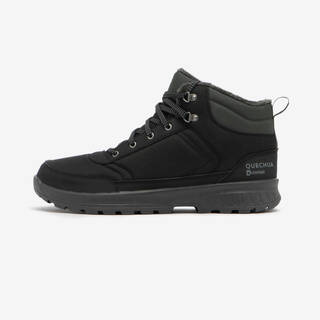
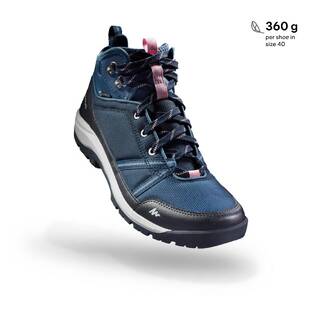
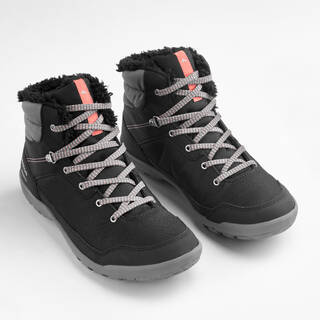

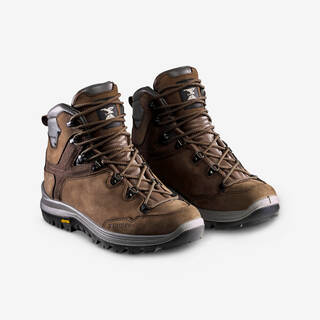
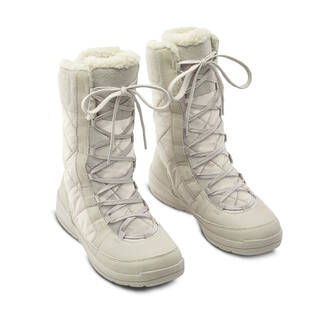
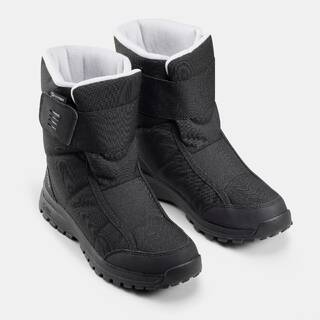
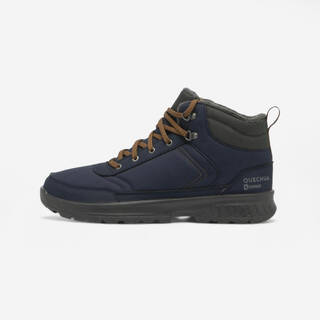
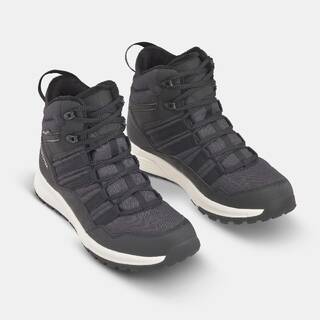
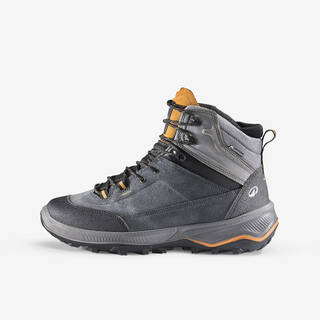

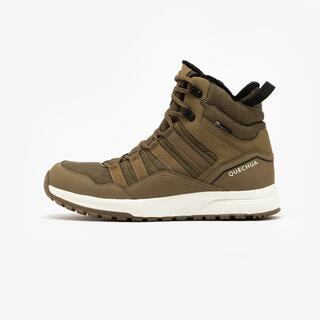
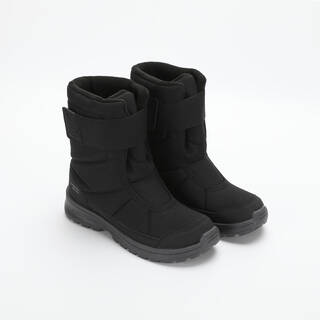
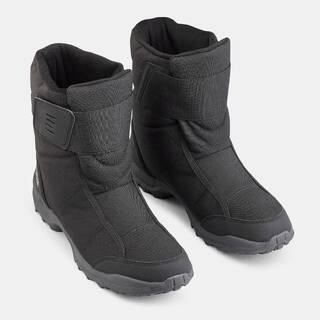
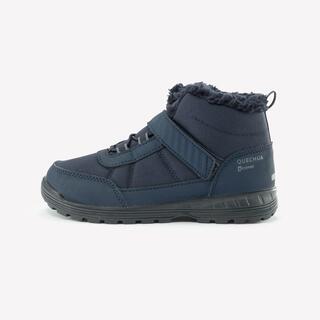
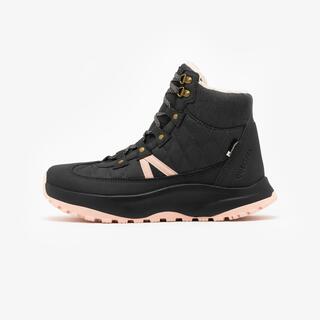

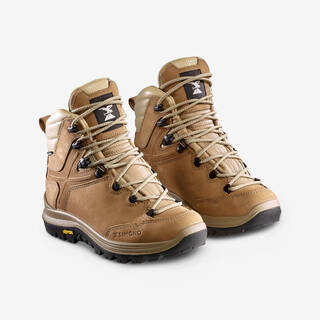
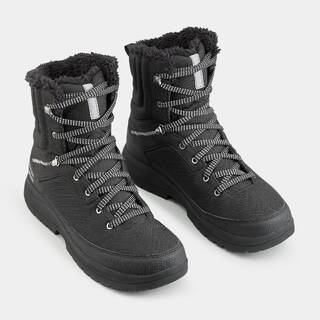
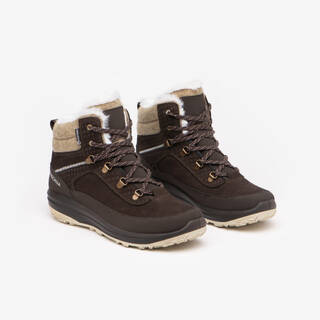
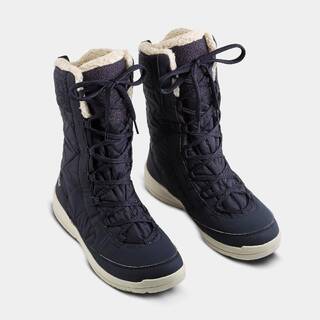
Insulated Snow Boots Engineered for Himalayan Cold and High-Altitude Moisture Management
Snow boots built for Indian Himalayan expeditions demand three critical engineering layers: thermal insulation measured in grams per square meter, waterproof membrane hydrostatic head ratings, and traction lug geometry optimized for packed snow versus ice. Quechua snow boots deploy 200g to 400g synthetic Thinsulate-equivalent insulation, maintaining core foot temperature down to negative 15 degrees Celsius during multi-hour treks across Rohtang Pass, Auli, or Gulmarg snowfields. The waterproof barrier relies on polyurethane-coated nylon with hydrostatic head ratings between 5,000mm and 10,000mm, blocking slush penetration during thaw cycles common in late-season Manali or Solang Valley conditions.
Outsole lug depth separates recreational snow walking from technical alpine use. Boots designed for groomed resort paths feature 4mm to 5mm multidirectional lugs with soft rubber compounds (Shore A durometer 50 to 60) that maintain pliability in freezing temperatures. Technical mountaineering snow boots escalate to 7mm aggressive chevron lugs with embedded carbon particles for ice bite, critical when traversing frozen stream crossings or early-morning hardpack on Kedarnath trails. Midsole construction alternates between dual-density EVA foam for shock absorption on rocky underlayers and rigid TPU shanks that prevent midfoot collapse under loaded backpack weight during extended Himalayan base camp approaches.
Internal bootie construction determines moisture evacuation efficiency during high-exertion climbs. Sealed neoprene inner booties with taped seams create a secondary waterproof chamber, while moisture-wicking polyester linings pull perspiration away from skin during steep ascents where metabolic heat spikes. Gusseted tongue designs with elastic snow cuffs prevent powder infiltration during deep snow post-holing, a common scenario in untracked Spiti Valley or Zanskar winter routes. Reinforced toe caps using thermoplastic polyurethane overlays absorb repeated crampon strikes and protect against submerged rock impacts in snow-covered boulder fields.
Snow Shoes for Weight Distribution and Flotation Across Powder Snow and Consolidated Snowpack
Snowshoes function as surface area multipliers, distributing body weight plus gear load across expanded footprints to prevent sinking in unconsolidated powder. Frame dimensions dictate flotation capacity: compact 21-inch models support up to 70kg user weight in firm spring snow, while 25-inch and 30-inch expedition frames handle 90kg to 120kg loads with backpacks across fresh Himalayan powder exceeding 30cm depth. Aluminum 6061 tubular frames offer superior strength-to-weight ratios compared to composite polymer frames, critical when navigating wind-loaded slopes or traversing crevasse-prone glacier margins in Ladakh high-altitude zones.
Binding systems must accommodate insulated snow boot volumes while maintaining precise heel lift and lateral stability. Rotating toe pivot bindings allow natural gait mechanics, with torsion deck flexibility that adapts to uneven terrain contours during descents. Ratchet strap closures with TPU over-molding resist ice buildup and maintain tension across temperature fluctuations between sunny south-facing slopes and shaded north aspects. Heel lifts (climbing bars) reduce calf strain on sustained ascents by decreasing ankle dorsiflexion angles, essential during multi-hour climbs to alpine lakes like Hemkund Sahib or Brahmatal in winter conditions.
Crampon systems integrated into snowshoe decks provide traction on hardpack and ice. Front-pointing stainless steel teeth (typically 2 to 4 aggressive spikes) penetrate frozen crust layers, while perimeter traction rails with carbide tips grip during traverses across wind-scoured ridgelines. Decking material choices balance weight against durability: coated nylon decks withstand abrasion from sharp ice crystals and UV degradation at high altitude, while maintaining flexibility in subzero temperatures. Tail traction bars prevent backward slippage on steep descents, distributing braking forces across the rear third of the snowshoe platform.
Thermal Insulation Technologies and Moisture Barrier Systems for Extended Cold Exposure
Insulation performance in snow boots hinges on trapped air volume and moisture resistance under compression. Synthetic microfiber insulation (200g to 400g fill weight) maintains loft even when damp, unlike down which collapses when wet from snow melt or perspiration. Quechua employs hollow-core polyester fibers that create dead air pockets while resisting moisture absorption, critical during multi-day treks where boot drying opportunities are limited. Insulation placement focuses on the forefoot and toe box, where metabolic heat generation is lowest and frostbite risk peaks during stationary periods like belaying or photographing summit panoramas.
Waterproof breathable membranes must balance liquid water exclusion with water vapor transmission. Polyurethane-coated fabrics with hydrostatic head ratings above 5,000mm block external moisture while allowing internal perspiration to escape, preventing the clammy microclimate that accelerates heat loss. Membrane placement between outer shell and insulation layer creates a moisture management gradient: outer shell repels snow and slush, membrane blocks liquid penetration, and inner lining wicks vapor outward. Taped seams eliminate needle holes as moisture entry points, using heat-sealed polyurethane tape over every stitch line in high-flex zones like the vamp and collar.
Thermal bridging occurs when conductive materials create cold spots that bypass insulation. Snow boot construction minimizes this through suspended footbeds that isolate the plantar surface from ground contact, and insulated midsoles using closed-cell EVA foam that resists conductive heat loss to frozen substrates. Removable liner systems allow separate drying of inner boots, extending warmth retention across multi-day expeditions. Reflective aluminum foil layers laminated to insulation facings redirect radiant body heat back toward the foot, measurably improving thermal efficiency in static conditions like winter camping or summit waits.
Fit Geometry and Sizing Protocols for Layered Sock Systems and Circulation Preservation
Proper snow boot fit requires 1.5cm to 2cm of toe clearance when standing, allowing space for thick insulating socks (typically 3mm to 5mm cushioned merino wool or synthetic blends) without compressing toes against the front wall during descents. Compression restricts capillary blood flow, the primary heat delivery mechanism to extremities, causing rapid cooling even with adequate insulation. Volume accommodation differs from length: wide last constructions (E or EE width ratings) prevent lateral toe compression in users with broader forefeet, while adjustable lacing systems with multiple eyelet zones allow independent tension control across the instep and ankle collar.
Heel pocket geometry determines blister prevention and energy transfer efficiency. A snug heel cup with minimal lift (under 5mm vertical movement during stride) prevents friction hotspots that develop into blisters during long approaches. Achilles notch cutouts reduce pressure on the tendon insertion point, critical during steep descents where ankle dorsiflexion increases. Gusseted tongues with bellows construction prevent pressure points from lace tightening while blocking snow entry, a dual-function design essential in deep powder conditions where standard tongue designs allow infiltration.
Ankle support height correlates with terrain technicality and load carriage. Mid-height boots (15cm to 18cm collar height) provide adequate support for groomed trails and moderate slopes with daypacks under 10kg. High-cut mountaineering boots (20cm to 25cm) stabilize the ankle joint during side-hill traverses with expedition loads exceeding 15kg, reducing inversion injury risk on uneven snowpack. Padded collar foam (typically 8mm to 12mm closed-cell EVA) cushions the malleolus bones while maintaining structure, and internal neoprene cuffs seal against snow infiltration without restricting circulation.
Maintenance Protocols for Waterproofing Longevity and Insulation Performance Retention
Waterproof membrane integrity degrades through abrasion, UV exposure, and contamination from body oils or dirt particles. Post-trek cleaning requires removing loose dirt with a soft brush, then washing with pH-neutral soap (avoid detergents containing fabric softeners that clog membrane pores) and lukewarm water. Air drying at room temperature preserves adhesive bonds in laminated constructions, while direct heat sources (radiators, campfires) cause delamination and membrane failure. Periodic reapplication of DWR (durable water repellent) treatments restores the outer shell's ability to shed water before saturation reaches the membrane layer.
Insulation loft recovery after compression storage requires loosening laces and stuffing boots with crumpled newspaper to maintain shape during off-season storage. Storing boots in compressed states (stacked under weight or in tight spaces) permanently crushes synthetic fibers, reducing trapped air volume and thermal efficiency. Removable liners should be extracted and stored separately to allow full expansion. Mold prevention in humid climates demands storage in breathable cotton bags with silica gel desiccant packets, avoiding sealed plastic containers that trap residual moisture.
Outsole traction compound hardens with age and UV exposure, reducing grip on ice and hardpack. Inspecting lug depth annually and replacing boots when tread wears below 3mm maintains safety margins on technical terrain. Delamination between midsole and outsole layers, visible as separation gaps, indicates adhesive failure requiring professional resoling or replacement. Checking crampon compatibility before each season ensures binding systems remain secure, as repeated freeze-thaw cycles can stress mounting points and hardware.
Selecting Snow Footwear for Indian Himalayan Conditions Versus Alpine Resort Environments
Indian Himalayan winter conditions present unique challenges absent in European alpine resorts: extreme diurnal temperature swings (negative 10°C at dawn, plus 5°C at midday), high solar radiation at altitude increasing UV exposure, and variable snowpack quality ranging from powder to sun crust within single-day excursions. Quechua snow boots engineered for these conditions prioritize breathability alongside insulation, using moisture-wicking linings that handle perspiration spikes during steep ascents in direct sun, then retain warmth during shaded descents where temperatures plummet.
Resort walking versus backcountry trekking demands different traction profiles. Groomed paths at Auli or Gulmarg ski areas permit lighter boots with moderate 4mm lugs and softer rubber compounds optimized for packed snow. Untracked routes to destinations like Kuari Pass or Har Ki Dun require aggressive 7mm lugs with harder rubber (Shore A 65 to 70) that resists abrasion from hidden rocks and maintains edge grip on ice lenses within the snowpack. Snowshoe selection follows similar logic: recreational 21-inch models suffice for marked winter trails, while 25-inch to 30-inch expedition frames become necessary for off-trail exploration in deep Spiti or Zanskar powder.
Altitude physiology affects footwear selection through reduced oxygen availability and increased dehydration rates. At elevations above 3,500 meters (common in Ladakh and Kinnaur winter treks), metabolic heat production decreases while extremity circulation diminishes. This necessitates upgrading to higher insulation ratings (300g to 400g) compared to equivalent temperatures at lower elevations. Simultaneously, increased respiratory water loss and reduced fluid intake elevate perspiration salt concentrations, accelerating corrosion of metal hardware and requiring more frequent post-trek rinsing to preserve boot longevity.
FAQ (Frequently Asked Questions)
Q1. What insulation rating do I need for snow boots used in Manali or Gulmarg winter conditions?
For Manali and Gulmarg winter use (temperatures ranging from negative 5°C to negative 15°C), select boots with 200g to 300g synthetic insulation. This range maintains warmth during 4 to 6 hour treks without overheating during steep ascents. If you plan extended stationary periods like photography or camping, upgrade to 400g insulation to compensate for reduced metabolic heat generation.
Q2. How do I choose between 21-inch and 25-inch snowshoes for Himalayan trekking?
Select 21-inch snowshoes if your total weight (body plus gear) stays under 70kg and you will trek on consolidated or spring snow. Choose 25-inch models for loads between 70kg and 90kg or when encountering fresh powder exceeding 25cm depth. For expedition loads above 90kg or deep Spiti/Zanskar powder, 30-inch frames prevent excessive sinking and reduce leg fatigue.
Q3. Can I use the same snow boots for both resort walking and technical mountaineering in Ladakh?
Resort walking boots with 4mm lugs and flexible midsoles lack the ankle support and aggressive traction needed for technical Ladakh routes. Technical mountaineering boots feature 7mm lugs, rigid TPU shanks, and high-cut ankle collars (20cm plus) essential for side-hill traverses and crampon compatibility. Use resort boots for groomed areas like Auli, and dedicated mountaineering boots for untracked high-altitude terrain.
Q4. What waterproof rating should snow boots have for multi-day Himalayan treks?
Multi-day Himalayan treks require boots with hydrostatic head ratings of at least 5,000mm to handle repeated exposure to wet snow and stream crossings. Boots rated at 10,000mm provide additional security during thaw conditions or unexpected rain at lower elevations. Ensure boots also feature taped seams and gusseted tongues to prevent moisture infiltration through stitching and lace gaps.
Q5. How much toe space should I have in snow boots when wearing thick winter socks?
Maintain 1.5cm to 2cm of space between your longest toe and the boot front when standing in your thickest winter socks (typically 3mm to 5mm cushioned). This clearance prevents toe compression during descents, which restricts blood flow and causes rapid cooling. Test fit by kicking the floor gently; your toes should not hit the front wall.
Q6. Do Quechua snow boots work with aftermarket crampons for glacier travel?
Most Quechua technical mountaineering snow boots feature reinforced toe and heel welts compatible with strap-on crampons. Verify the boot has a rigid midsole (minimal flex) and a pronounced heel lip for secure crampon attachment. Recreational snow boots with flexible soles are not crampon-compatible and should not be used on glaciated terrain where secure traction is critical.
Q7. How do I prevent my snow boots from developing odor after humid Himalayan treks?
Remove insoles and liners immediately after each trek and air dry separately at room temperature. Stuff boots with crumpled newspaper to absorb residual moisture and maintain shape. For persistent odor, wash removable components with pH-neutral soap, then treat with antibacterial spray designed for technical footwear. Store boots in breathable bags with silica gel packets to prevent mold growth.
Q8. What is the functional difference between snowshoe crampon systems and boot crampons?
Snowshoe crampons (2 to 4 front spikes plus perimeter rails) provide traction while maintaining flotation on consolidated snow and hardpack. Boot crampons (10 to 12 points) are designed for steep ice and technical climbing without snowshoes. Use snowshoe crampons for winter trekking on variable terrain; switch to boot crampons only for steep ice sections where flotation is unnecessary and precise foot placement is critical.
Q9. Can I wear snow boots in regular monsoon or winter conditions outside snow environments?
Snow boots function in non-snow cold conditions but are overbuilt for regular use. The heavy insulation (200g plus) causes overheating during normal activity, and aggressive lug patterns wear quickly on pavement. For monsoon or general winter use below freezing without snow, select waterproof hiking boots with lighter insulation (100g to 150g) and moderate tread patterns designed for mixed terrain durability.
Q10. How often should I reapply waterproof treatment to snow boots used in Himalayan conditions?
Reapply DWR treatment after every 5 to 7 days of active use in wet snow conditions, or when you notice water no longer beads on the outer shell. High-altitude UV exposure accelerates DWR breakdown, requiring more frequent treatment than lowland use. Clean boots thoroughly before reapplication to ensure the treatment bonds properly to the fabric surface rather than sealing in dirt.