Socks








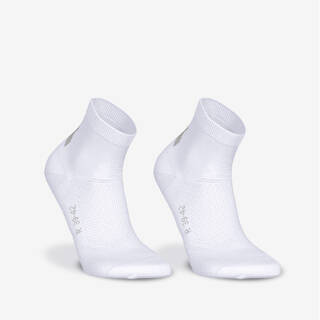


Technical Architecture of Performance Sports Socks for Indian Athletic Conditions
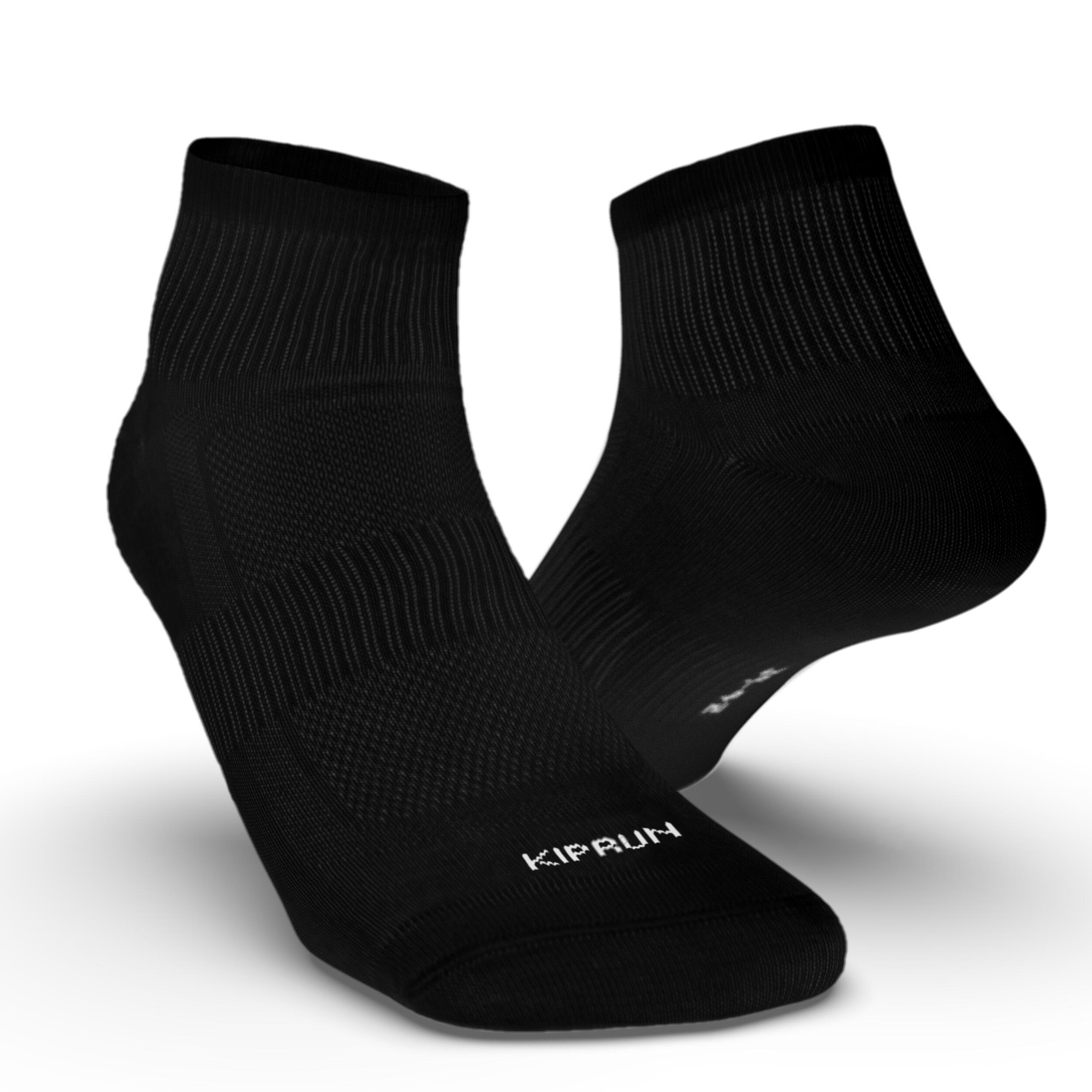
Sports socks function as the critical interface layer between foot biomechanics and footwear construction. Indian athletes face unique thermal and moisture challenges: concrete surfaces generate high ground reaction forces (2 to 3 times body weight during running), monsoon humidity saturates fabric quickly, and indoor gym floors demand anti-slip grip. High-performance sports socks integrate targeted cushioning zones, moisture-wicking synthetic blends, and anatomical left-right construction to manage these stresses. Decathlon's sports sock range spans multiple disciplines, from Kalenji running socks with arch compression bands to Kipsta football socks with reinforced shin protection.
Material composition dictates durability and comfort. Cotton blends (60-70% cotton, 30-40% polyester/elastane) offer softness for casual training but retain moisture in high-sweat conditions. Synthetic-dominant constructions (polyamide, polypropylene, or coolmax polyester at 70-85% ratios) evacuate perspiration faster, critical for long-distance running or multi-hour badminton sessions. Elastane percentages between 5-15% provide compression without restricting circulation. Flat-toe seam construction eliminates pressure points across the metatarsal heads, reducing blister formation during repetitive stride cycles. Heel tab height (ranging from 2cm low-cut to 15cm mid-calf) affects Achilles tendon contact and calf muscle support during explosive lateral movements in tennis or football.
Cushioning Density Mapping and Impact Attenuation Engineering
Cushioning placement follows biomechanical load distribution patterns. Heel strike zones receive terry-loop pile cushioning (3-5mm thickness) to dampen initial ground contact forces. Forefoot metatarsal pads use lower-density cushioning (2-3mm) to maintain ground feel and proprioceptive feedback during push-off phases. Midfoot arch zones employ compression knit structures rather than bulk padding, stabilizing the longitudinal arch without adding unnecessary volume inside the shoe toebox. This zoned approach prevents the foot from sliding forward during downhill trekking or sudden basketball stops.
Indian concrete and tar surfaces generate higher impact loads compared to synthetic tracks or grass fields. Sports socks with reinforced heel and toe caps (using double-layer knit or nylon reinforcement threads) extend wear life by 40-60% in abrasive conditions. Kalenji trail running socks incorporate additional cushioning under the lateral forefoot and fifth metatarsal, protecting against rocky terrain impacts common in Himalayan or Western Ghats trails. Domyos gym training socks use thinner profiles (1-2mm cushioning) to maximize floor contact and balance stability during deadlifts or single-leg exercises.
Moisture Management Systems and Anti-Microbial Fabric Technologies
Sweat evacuation capacity determines comfort over extended training durations. Synthetic fibers with hydrophobic surface treatments push moisture away from skin through capillary action, transferring it to outer fabric layers where evaporation occurs. Mesh ventilation panels positioned over the dorsal foot (top of foot) increase airflow by 30-50% compared to solid knit constructions. This becomes critical during Mumbai's 85-90% humidity monsoon months, where cotton-heavy socks remain saturated and cause maceration (skin softening and breakdown).
Anti-microbial treatments using silver ion technology or zinc-based compounds inhibit bacterial growth that causes odor. These treatments survive 30-50 wash cycles before efficacy declines. Nabaiji swimming and aqua gym socks use chlorine-resistant polyamide blends that maintain elasticity after repeated pool exposure. For multi-day trekking in Ladakh or Spiti, Quechua hiking socks feature merino wool blends (20-40% merino content) that naturally resist odor buildup and regulate temperature across 5°C to 30°C ambient ranges. The wool's crimped fiber structure traps insulating air pockets during cold high-altitude mornings while wicking moisture during afternoon sun exposure.
Compression Gradients and Circulatory Support Mechanics
Graduated compression socks apply measured pressure (typically 15-20 mmHg at the ankle, decreasing to 8-12 mmHg at the calf) to enhance venous return and reduce muscle oscillation during repetitive impact. This compression profile helps attenuate vibrations associated with delayed-onset muscle soreness (DOMS) after long runs or cycling sessions. Kiprun compression running socks use elastane ratios above 12% to maintain consistent pressure across calf circumferences ranging from 28cm to 42cm. The compression band positioned around the midfoot arch acts as an external support structure, reducing strain on the plantar fascia during the loading phase of gait.
Compression levels must match activity intensity. Light compression (8-15 mmHg) suits recovery wear or low-impact walking. Moderate compression (15-20 mmHg) benefits marathon training and trail running where sustained ground contact occurs over 2-4 hour durations. Excessive compression (above 25 mmHg) can restrict arterial blood flow and cause numbness, particularly in athletes with larger calf muscle mass. Decathlon's range includes non-compression options for sports requiring maximum ankle mobility, such as badminton or table tennis, where rapid directional changes demand unrestricted joint articulation.
Height Profiles and Sport-Specific Functional Requirements
Sock height directly impacts protection coverage and thermal regulation. Invisible no-show socks (2-3cm height) suit gym training and indoor court sports, minimizing fabric bulk inside low-cut sneakers or badminton shoes. Quarter-length socks (8-10cm) protect the Achilles tendon from heel counter friction in running shoes while allowing calf ventilation. Crew-length socks (15-18cm) provide shin coverage for football and field hockey, where shin guards sit directly against the sock fabric. Knee-high compression socks (35-40cm) extend support up the gastrocnemius and soleus muscles for ultra-distance running or post-workout recovery.
Kipsta football socks integrate cushioned shin zones and elastic calf bands to secure shin guards without additional tape. The extended length prevents skin abrasion when sliding on artificial turf surfaces. Artengo tennis socks use mid-calf heights with reinforced lateral ankle padding to protect against the repetitive side-to-side shuffling motions that stress the ankle joint complex. Forclaz trekking socks reach above the boot collar line (20-25cm height) to prevent debris entry and reduce friction from rigid leather or synthetic boot uppers during multi-day Himalayan expeditions carrying 12-18kg backpack loads.
Durability Engineering and Maintenance Protocols for Extended Lifespan
Abrasion resistance depends on fiber denier (thickness) and knit density. Sports socks using 200-240 denier polyamide in high-wear zones (heel, toe, ball of foot) withstand 80-120 wear cycles before developing holes. Lower denier fabrics (100-150D) prioritize lightweight comfort but sacrifice longevity. Reinforcement stitching patterns, such as Y-heel construction or reciprocated toe closures, distribute tensile stress across wider fabric areas, preventing premature seam failure.
Proper care extends functional lifespan significantly. Machine washing at 30-40°C preserves elastane stretch properties, while temperatures above 60°C degrade elastic fibers and cause permanent loosening. Air drying maintains compression integrity, whereas tumble drying at high heat can shrink synthetic blends by 8-12%. Avoid fabric softeners, which coat moisture-wicking fibers and reduce capillary action efficiency by 20-30%. For merino wool blend socks, use pH-neutral detergents to prevent fiber felting. Rotating between 4-6 pairs of sports socks allows each pair 48-72 hours recovery time for elastic fibers to return to original dimensions, maximizing overall durability across training cycles.
FAQ (Frequently Asked Questions)
Q1. What materials are Decathlon's sports socks made of?
Our sports socks are made from a variety of high-performance materials, including moisture-wicking synthetic fabrics like polyester and nylon, as well as natural fibers like merino wool and cotton. The specific materials used depend on the intended activity and desired properties, such as breathability, cushioning, or compression.
Q2. Are Decathlon's sports socks suitable for people with sensitive skin?
Yes, we offer sports socks made from hypoallergenic and skin-friendly materials, such as merino wool and bamboo fibers. These socks are gentle on sensitive skin and can help reduce irritation and discomfort.
Q3. How do I determine the right sock size for me?
To find the right sock size, refer to the size chart provided on our website or product packaging. Typically, sock sizes correspond to your shoe size, but it's always best to try them on for the most accurate fit. If you're between sizes, we recommend going with the larger size for optimal comfort and performance.
Q4. Can I wear Decathlon's sports socks for everyday use?
Absolutely! While our sports socks are designed with athletic activities in mind, many of our styles are versatile enough for everyday wear. The moisture-wicking and cushioning properties can provide comfort and support during casual activities or even while running errands.
Q5. How often should I replace my sports socks?
The lifespan of sports socks depends on several factors, including the frequency and intensity of use, as well as proper care and maintenance. As a general guideline, we recommend replacing your socks every 6 to 12 months, or sooner if you notice signs of wear, such as thinning, loss of cushioning, or stretched-out fabric.
Q6. Do Decathlon's sports socks come in different compression levels?
Yes, we offer sports socks with varying levels of compression, ranging from light to firm compression. Compression socks can provide improved blood circulation, reduced muscle fatigue, and enhanced recovery. Be sure to consult our product descriptions or speak with our knowledgeable staff to find the right compression level for your needs.
Q7. Can I machine wash Decathlon's sports socks?
Yes, most of our sports socks are machine washable. However, we recommend washing them in cold water and avoiding fabric softeners or bleach, as these can damage the moisture-wicking properties and elasticity of the fabrics. Always refer to the care instructions on the product packaging for specific washing guidelines.
Q8. Do Decathlon's sports socks come with any special features for blister prevention?
Yes, many of our sports socks incorporate features specifically designed to prevent blisters. These can include seamless construction, reinforced heel and toe areas, friction-reducing fabrics, and moisture-wicking technologies that keep your feet dry and comfortable. Check the product descriptions for details on blister prevention features.
Q9. Can I return or exchange Decathlon's sports socks if they don't fit properly?
Absolutely! At Decathlon, we want you to be completely satisfied with your purchase. If the sports socks you've purchased don't fit properly or meet your expectations, you can return or exchange them within a reasonable timeframe, subject to our return and exchange policy. Please refer to our website or speak with our customer service team for more details.
Q10. Does Decathlon offer any warranties or guarantees on their sports socks?
Yes, we stand behind the quality of our products and offer warranties or guarantees on many of our sports socks. The specific terms and conditions may vary depending on the product, but our goal is to ensure your satisfaction and provide a hassle-free experience. Please consult the product information or speak with our knowledgeable staff for more details on warranties and guarantees.
Q11. What sock height works best for running on Indian concrete roads and park trails?
Quarter-length socks (8-10cm) provide optimal Achilles protection from shoe heel counters while maintaining calf ventilation in humid conditions. For trail running in rocky terrain like Lonavala or Nandi Hills, crew-length socks (15-18cm) add shin coverage against brush and debris. Invisible socks suit treadmill running but lack ankle support for outdoor uneven surfaces.
Q12. How do I choose between cotton blend and synthetic sports socks for gym training?
Synthetic-dominant socks (70-85% polyamide or polypropylene) evacuate sweat faster during high-intensity interval training or heavy lifting sessions. Cotton blends (60-70% cotton) offer initial softness but retain moisture, causing discomfort during 60-90 minute workouts. For air-conditioned gym environments, cotton works adequately. For outdoor fitness or CrossFit-style training in heat, synthetic constructions prevent saturation.
Q13. Do compression socks actually help reduce calf soreness after long runs?
Graduated compression (15-20 mmHg) helps attenuate muscle oscillation during repetitive impact, which may reduce delayed-onset muscle soreness markers. The compression band around the midfoot arch also supports the plantar fascia during loading phases. Compression benefits become more noticeable during runs exceeding 90 minutes or in recovery periods post-workout, rather than during short training sessions under 5km.
Q14. What cushioning thickness should I look for in badminton or tennis socks?
Court sports require minimal cushioning (1-2mm) to maintain ground feel and lateral stability during quick directional changes. Excessive padding reduces proprioceptive feedback and can cause ankle instability. Look for targeted cushioning only in the ball of foot and heel strike zones, with breathable mesh panels across the dorsal foot for ventilation during multi-game matches.
Q15. How many pairs of sports socks do I need for training 5 days per week?
Maintain at least 6-8 pairs to allow 48-72 hours recovery time for elastic fibers between wears. This rotation prevents permanent stretching of elastane and maintains compression integrity. Washing after every use is essential for hygiene, so having sufficient pairs ensures you always have clean, dry socks ready while others are in the laundry cycle.
Q16. Can I use the same socks for running and football training?
Football socks require crew or knee-high lengths (15-40cm) to accommodate shin guards and provide shin protection during tackles. Running socks use quarter-length designs (8-10cm) optimized for forward motion biomechanics. The cushioning zones differ: football socks reinforce the shin and lateral ankle, while running socks focus on heel strike and forefoot push-off areas. Using sport-specific designs improves both protection and performance.
Q17. What causes sports socks to lose compression and become loose after washing?
Elastane fibers degrade when exposed to high heat (above 60°C wash temperatures or tumble drying) or chlorine bleach. Fabric softeners coat synthetic fibers and reduce elastic recovery. Wash at 30-40°C, air dry, and use standard detergent without additives. Proper care maintains compression properties through 50-80 wash cycles before noticeable loosening occurs.
Q18. Do anti-blister sports socks actually prevent blisters during long treks?
Flat-toe seam construction and moisture-wicking fabrics reduce the two primary blister causes: friction and moisture. Socks cannot eliminate blisters entirely if footwear fit is poor or lacing is incorrect. For multi-day Himalayan treks, merino wool blends (20-40% merino) regulate moisture better than pure synthetics, and double-layer constructions allow fabric layers to move against each other rather than against skin, reducing shear forces.
Q19. Should I size up or down if my foot measurement falls between two sock sizes?
Size up for thicker cushioned socks to prevent toe compression inside your footwear. Size down for compression socks to maintain proper pressure gradients (15-20 mmHg). Most sports socks use shoe size ranges (e.g., UK 6-8, UK 9-11) rather than precise measurements. If between ranges, consider your shoe fit: tight-fitting racing shoes pair better with smaller sock sizes, while roomy trainers accommodate larger sizes.
Q20. What is the difference between Kalenji running socks and Kipsta football socks?
Kalenji running socks use quarter-length designs (8-10cm) with zoned cushioning under the heel and forefoot, optimized for forward repetitive motion and concrete impact attenuation. Kipsta football socks extend to knee-high lengths (35-40cm) with reinforced shin zones and elastic calf bands to secure shin guards, designed for multi-directional movements and turf abrasion resistance. The fabric weights and cushioning densities differ to match each sport's biomechanical demands.