Tennis Skirts


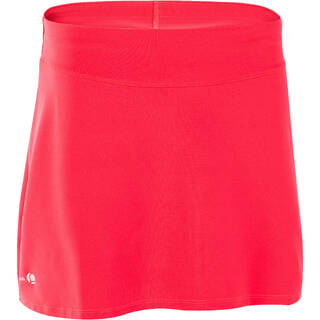
Engineered Mobility Architecture for Court Performance
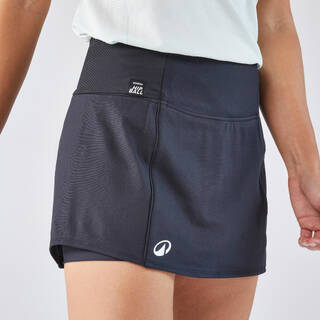
Tennis skirts built for Indian hard court conditions integrate four-way stretch fabrics with elastane percentages ranging from 8% to 15%, enabling explosive lateral movements and baseline recovery sprints without fabric binding. The construction prioritizes freedom through circular knit patterns that eliminate vertical seam restrictions during split-step positioning and wide forehand reaches. Integrated compression shorts underneath provide quadriceps support during serve motion and prevent ride-up during rapid directional changes. Waistband designs incorporate flat elastic construction with silicone gripper tape, distributing tension across 4 to 6 cm widths to prevent rolling during overhead smashes.
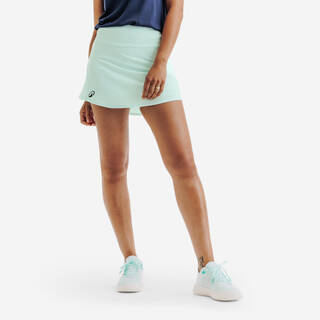
Fabric weight specifications matter for Indian court temperatures. Lightweight tournament skirts use 100 to 120 GSM polyester blends for maximum airflow during peak summer sessions exceeding 38°C. Training skirts deploy 140 to 160 GSM fabrics with brushed interior surfaces for year-round versatility. The hemline engineering includes laser-cut finishes or flatlock stitching to reduce chafing during extended baseline rallies. Skirt lengths typically measure 32 to 38 cm from waistband to hem, balancing coverage with unrestricted leg extension during serve follow-through and net approaches.
Moisture Management Systems for High-Humidity Match Play
Indian tennis conditions demand advanced sweat evacuation. Fabrics incorporate hydrophilic fiber treatments that pull moisture away from skin contact zones, spreading perspiration across exterior surfaces for accelerated evaporation. This capillary action prevents the 200 to 300 ml of sweat generated per hour during competitive singles matches from pooling at the lower back or hip zones. Mesh ventilation panels positioned at side seams and rear yoke areas create airflow channels, reducing core temperature by 1 to 2°C during prolonged three-set matches.
Monsoon season play requires quick-dry performance. Polyester microfiber constructions with denier counts between 75D and 100D achieve dry times of 45 to 90 minutes after heavy perspiration or rain exposure. Anti-microbial treatments using silver ion technology inhibit bacterial growth that causes odor during multi-hour training blocks. The waistband interior often features moisture-wicking jersey knit linings that prevent elastic saturation, maintaining consistent fit tension throughout matches lasting 90 minutes or longer.
Integrated Storage Solutions for Ball Management
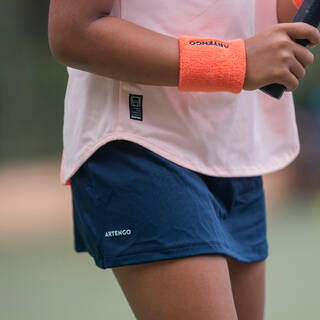
Tournament-grade tennis skirts incorporate ball pockets engineered to secure standard 6.54 to 6.86 cm diameter tennis balls without adding bulk or disrupting swing mechanics. Pocket placement at the hip or lower back positions keeps ball weight close to the body's center of gravity, preventing momentum shifts during groundstroke preparation. Elastic openings with 3 to 4 cm diameters allow single-handed ball retrieval in under one second between first and second serves.
Dual-pocket configurations enable carrying two balls simultaneously during service games, eliminating trips to the baseline between points. Pocket depth measurements of 12 to 15 cm prevent balls from bouncing out during sprint movements to the net. Some designs use interior mesh linings within pockets to reduce friction against skin and allow air circulation, preventing heat buildup in the 35 to 40°C temperatures common on Indian hard courts during afternoon sessions. The pocket construction uses reinforced bartack stitching at stress points to withstand 500-plus ball insertions and removals per season.
Artengo Technical Skirt Range for Competitive Players
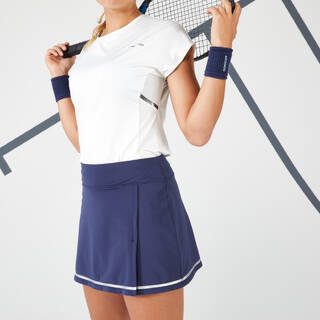
Artengo develops tennis skirts with competition-specific features for club and tournament athletes. The range includes pleated designs that enhance visual dynamics during movement while maintaining aerodynamic profiles. Pleats are heat-set into fabrics to retain shape through 30-plus wash cycles without losing definition. Advanced models incorporate compression short liners with silicone leg grippers that stay positioned during slide recoveries on hard court surfaces.
Fabric technologies in Artengo skirts address Indian court abrasion. Reinforced seat panels use double-layer construction or ripstop weaves to resist wear from baseline sliding common on synthetic hard courts. Colorfast dyeing processes maintain vibrancy through extended UV exposure during outdoor training, preventing the fading that occurs after 40 to 60 hours of direct sunlight. Waistband constructions include internal drawcords for micro-adjustments, accommodating the 2 to 4 cm waist fluctuations that occur during tournament weeks.
Fit Profiles and Sizing for Indian Body Proportions
Tennis skirt sizing accounts for hip-to-waist ratios and inseam lengths specific to Indian athletes. Size charts provide measurements in centimeters for waist circumference (60 to 90 cm range) and hip circumference (85 to 110 cm range), enabling precise fit selection. The skirt rise, measured from crotch seam to waistband top, typically spans 23 to 28 cm to ensure adequate coverage during deep knee bends in return-of-serve positions.
Compression short inseams within skirts range from 8 to 15 cm, with longer inseams providing additional quadriceps coverage for players preferring more modest fits. Elastane content in waistbands allows for 3 to 5 cm of stretch accommodation, maintaining comfort during the core rotation involved in two-handed backhands. Skirt flare measurements, the difference between waist and hem circumference, range from 15 to 25 cm to allow full range of motion without excess fabric interfering with racket swing paths. Petite and tall sizing options adjust overall skirt length by 4 to 6 cm increments to match varying leg proportions.
Care Protocols for Fabric Longevity in Tropical Climates
Proper maintenance extends tennis skirt performance through 100-plus wearing cycles. Post-match rinsing in cold water within 30 minutes removes salt deposits from perspiration that degrade elastane fibers. Machine washing at 30°C using pH-neutral detergents preserves fabric stretch recovery and prevents the 10 to 15% elasticity loss that occurs with harsh alkaline cleaners. Avoiding fabric softeners maintains the moisture-wicking treatments applied during manufacturing.
Air drying in shaded areas prevents UV degradation of synthetic fibers and maintains color saturation. Direct sunlight exposure during drying accelerates photo-oxidation, reducing fabric tensile strength by 20 to 30% over repeated cycles. Storing skirts in breathable cotton bags rather than sealed plastic prevents mildew growth in humid Indian climates where relative humidity exceeds 70% during monsoon months. Rotating between multiple skirts during tournament weeks allows fabrics to fully recover their original shape, as elastane fibers require 24 to 48 hours to regain maximum stretch capacity after compression.
FAQ (Frequently Asked Questions)
Q1. What skirt length works best for Indian club-level tennis tournaments?
Skirts measuring 34 to 36 cm from waistband to hem provide optimal balance for Indian club play. This length ensures adequate coverage during deep lunges and baseline slides while allowing unrestricted leg movement during serve motion and net volleys. Shorter 32 cm lengths suit advanced players prioritizing maximum mobility, while 38 cm lengths offer additional coverage for training sessions.
Q2. How do integrated compression shorts prevent discomfort during three-set matches?
Compression shorts use 4-way stretch fabrics with 12 to 18% elastane content that move with quadriceps and hamstring contractions during lateral court coverage. Flatlock seam construction eliminates pressure points, while silicone leg grippers prevent ride-up during the 200-plus directional changes occurring in competitive matches. The compression provides muscle stabilization without restricting blood flow during extended rallies.
Q3. Which fabric weight suits year-round play in Delhi or Mumbai climates?
A 140 to 150 GSM polyester blend handles both summer heat and cooler winter morning sessions. This mid-weight construction provides durability for frequent play while maintaining breathability during 35°C-plus afternoon temperatures. Lighter 100 to 120 GSM options work for peak summer months, while 160 to 180 GSM fabrics suit air-conditioned indoor court environments.
Q4. Do tennis skirts require special washing to maintain ball pocket elasticity?
Ball pocket elastic maintains function through cold water washing at 30°C and air drying away from direct heat. High-temperature washing above 40°C degrades elastic fibers, reducing pocket grip by 20 to 30% after 10 to 15 cycles. Turning skirts inside out before washing protects pocket stitching from agitation damage. Replacing skirts after 80 to 100 washes ensures consistent ball retention during service games.
Q5. How does pleated design affect movement during baseline rallies?
Pleats create fabric expansion zones that accommodate hip rotation and leg extension without pulling at the waistband. Heat-set pleats maintain structure through dynamic movements, providing 15 to 20% more fabric give compared to flat-front designs. This construction prevents the binding sensation during wide forehand reaches while maintaining a streamlined silhouette during neutral rally positioning.
Q6. What waistband width prevents rolling during overhead serves?
Waistbands measuring 5 to 6 cm wide with internal silicone gripper strips distribute tension across a larger surface area, preventing the rolling that occurs with narrow 2 to 3 cm elastics. Wider bands maintain position during the core extension involved in serve motion and overhead smashes. Internal drawcords allow micro-adjustments for the 1 to 2 cm waist changes that occur during tournament play.
Q7. Can tennis skirts withstand the abrasion from hard court sliding?
Skirts with reinforced seat panels using double-layer polyester or ripstop construction resist abrasion from hard court contact during baseline slides. Fabric denier counts of 100D or higher in high-wear zones provide durability through 50-plus slide recoveries per season. Regular inspection of seam integrity after intense training blocks prevents small tears from expanding during match play.
Q8. How do moisture-wicking treatments perform in 80% humidity monsoon conditions?
Hydrophilic fiber treatments maintain sweat evacuation effectiveness even when ambient humidity exceeds 75%, though evaporation rates slow by 30 to 40% compared to dry conditions. The capillary action still pulls moisture away from skin, preventing the discomfort of saturated fabric against the body. Quick-dry polyester constructions achieve 70 to 80% dryness within 60 minutes even in high-humidity environments.
Q9. What inseam length in compression shorts suits different playing styles?
Aggressive baseline players benefit from 12 to 15 cm inseams that provide quadriceps coverage during deep knee bends and slide recoveries. Serve-and-volley players often prefer 8 to 10 cm inseams for maximum leg mobility during net approaches. The inseam choice also depends on personal coverage preferences, with longer lengths offering additional modesty during dynamic court movements.
Q10. How does Artengo sizing compare to international tennis apparel brands?
Artengo sizing follows European measurements with adjustments for Indian body proportions, typically running true to size based on waist and hip circumference charts. Comparing actual body measurements in centimeters against the size guide ensures accurate fit. The integrated compression shorts add structure that prevents the loose fit sometimes experienced with international brands designed for different hip-to-waist ratios.