Women Sports Bras & Underwear







High-Impact Support Engineering: Compression Ratings and Encapsulation Architecture for Indian Training Intensity
Sports bras for Indian athletes demand precise compression engineering matched to activity impact levels. Low-impact designs (yoga, Pilates, walking) utilize 180 to 200 GSM single-layer compression knits with minimal seam construction, delivering gentle stabilization without restricting diaphragmatic breathing during floor work. Medium-impact bras (circuit training, cycling, badminwork) integrate dual-layer compression panels at 220 to 240 GSM, combining outer power mesh with inner moisture-wicking jersey to manage sweat saturation during high-humidity monsoon gym sessions. High-impact constructions (running, HIIT, box jumps) employ encapsulation cup architecture with individual molded foam inserts, reinforced underband elastic (25 to 30mm width), and adjustable hook-and-eye back closures rated for vertical ground reaction forces up to three times body weight during plyometric landings on concrete studio floors.
Decathlon's Domyos and Kalenji lines engineer sports bras with biomechanical motion control targeting the Cooper's ligaments, the fibrous connective tissue supporting breast tissue during dynamic movement. High-impact models feature compression ratings between 15 to 20 mmHg (millimeters of mercury) at the chest wall, scientifically validated to reduce vertical breast displacement by 50 to 60 percent compared to standard leisure bras. Racerback and cross-back strap geometries distribute load across the trapezius and rhomboid muscles, preventing shoulder strap migration during overhead kettlebell presses or burpee sequences. Indian athletes training in non-air-conditioned spaces benefit from laser-cut ventilation zones at the sternum and underband, accelerating evaporative cooling when ambient temperatures exceed 32 degrees Celsius and relative humidity climbs above 70 percent during pre-monsoon heat waves.
Fabric Technology and Moisture Management: Polyester-Elastane Blends, Wicking Rates, and Anti-Microbial Treatments
Material selection dictates thermal comfort and durability across training cycles. Entry-level sports bras utilize 85 to 90 percent polyester with 10 to 15 percent elastane, delivering four-way stretch and shape retention through 50-plus wash cycles at 30 degrees Celsius. Mid-tier constructions incorporate brushed polyester interlock knits at 160 to 180 GSM, featuring hydrophobic fiber treatments that wick perspiration at rates exceeding 0.5 grams per square centimeter per hour, critical for maintaining core temperature regulation during 60-minute spinning classes or extended treadmill intervals. Premium models integrate Coolmax or similar hollow-core polyester fibers, increasing surface area for moisture dispersion by 20 to 25 percent compared to solid-core yarns, enabling rapid evaporation even when sweat output reaches 1.5 to 2 liters per hour during high-intensity cardio sessions.
Anti-microbial silver ion or zinc pyrithione treatments embedded in yarn production inhibit bacterial colonization responsible for odor development in humid storage conditions common to Indian apartment gym bags. Flatlock or bonded seam construction eliminates raised stitching that causes friction burns during repetitive shoulder abduction in overhead presses or lat pulldowns. Removable foam cup inserts allow customization of modesty coverage and shape definition, while perforated foam variants enhance airflow in tropical coastal climates where year-round temperatures hover between 28 and 35 degrees Celsius. Elastane content between 12 and 18 percent ensures compression recovery, preventing fabric sagging after repeated stretch cycles during dynamic movements like mountain climbers or jump squats on rubberized gym flooring.
Fit Profiling and Sizing Architecture: Band Width, Cup Depth, and Strap Adjustability for Indian Body Proportions
Correct sports bra fit requires precise band-to-cup ratio engineering. The underband should sit parallel to the floor, anchoring firmly against the ribcage without riding up during arm elevation or torso rotation. Band widths range from 35mm on small-frame designs to 50mm on plus-size constructions, distributing compression load to prevent tissue indentation during extended wear. Indian sizing charts account for regional body proportion variations, with band measurements spanning 28 to 40 inches (71 to 102 cm) and cup volumes from A through DD, accommodating the demographic diversity across northern plains, southern coastal, and northeastern highland populations.
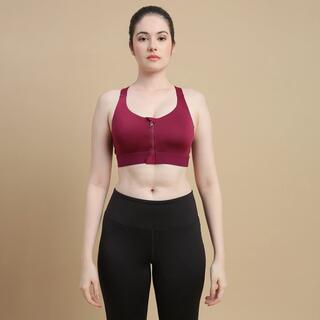
Adjustable strap systems allow incremental length modification in 1 to 2 cm intervals, critical for achieving optimal lift without shoulder impingement during overhead dumbbell work or pull-up progressions. Front-zip closures simplify donning and doffing for athletes with limited shoulder mobility or post-workout fatigue, while traditional pull-over designs offer seamless aesthetics for layering under technical running shirts or mesh training tanks. The underband should provide 70 to 80 percent of total support, with shoulder straps contributing only 20 to 30 percent, preventing excessive trapezius loading that causes neck tension during prolonged cardio sessions. Compression should feel firm but allow full inhalation capacity, maintaining diaphragmatic excursion necessary for aerobic efficiency during steady-state runs or interval training on apartment treadmills.
Activity-Specific Design Variants: Yoga Bralettes, Running Encapsulation, and Cross-Training Hybrid Models
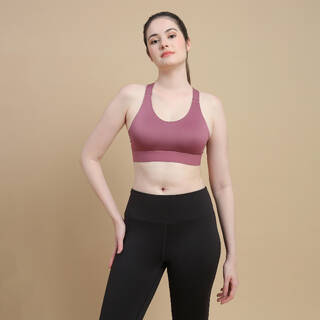
Yoga and low-impact bralettes prioritize freedom of movement over maximum compression. These designs feature wire-free construction, single-layer stretch knits at 140 to 160 GSM, and wide elastic underbands that prevent roll-up during inverted poses like downward dog or shoulder stand. Strappy back details (crisscross or ladder configurations) allow visibility of decorative elements while maintaining modesty during forward folds and backbends on studio mats. Removable padding offers optional nipple coverage without adding bulk that restricts spinal flexion during seated twists or supine stretches.
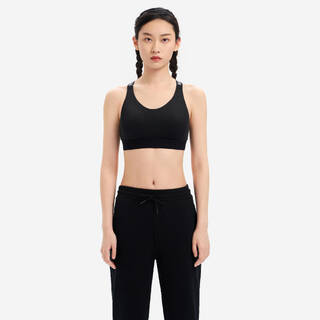
Running-specific sports bras integrate encapsulation cup technology with molded foam or gel inserts that isolate each breast, minimizing independent motion during heel-strike impact phases. Reinforced underband elastic (30 to 35mm width) anchors against the ribcage, while racerback or Y-back strap geometries prevent lateral strap slippage during arm swing mechanics. Reflective logos or trim enhance visibility for early-morning road runners navigating poorly lit Indian urban streets before sunrise. Cross-training hybrid models balance compression with breathability, using mesh panel inserts at high-sweat zones (underband, between cups, upper back) to manage thermal load during mixed-modality workouts combining kettlebell circuits, rowing intervals, and bodyweight calisthenics in non-climate-controlled apartment fitness spaces.
Durability Standards and Care Protocols: Elastane Degradation, Wash Cycle Limits, and Storage Best Practices
Sports bra longevity depends on elastane fiber integrity and proper maintenance protocols. Quality constructions maintain compression efficacy through 50 to 75 wash cycles when laundered in cold water (below 30 degrees Celsius) with pH-neutral detergents, avoiding fabric softeners that coat fibers and reduce moisture-wicking performance. Elastane degrades under prolonged exposure to chlorine (swimming pool water), high heat (tumble drying above 60 degrees Celsius), and UV radiation (direct sunlight drying), losing 15 to 20 percent of stretch recovery after 40 to 50 hours of cumulative exposure. Indian athletes should air-dry sports bras in shaded, well-ventilated areas to preserve elastic rebound and prevent mildew growth in high-humidity coastal or monsoon climates.
Rotation protocols extend garment lifespan. Owning three to five sports bras allows 48-hour rest periods between wears, permitting elastane fibers to fully recover their original length after stretch deformation during training sessions. Hook-and-eye closures should fasten on the loosest setting when new, allowing adjustment to tighter settings as elastic relaxes over time, maintaining consistent underband tension throughout the product lifecycle. Signs of replacement necessity include visible elastic thinning, permanent strap elongation (inability to shorten sufficiently), underband roll-up during movement, or cup fabric pilling that indicates fiber breakdown. Premium models from Domyos and Kalenji lines typically deliver 12 to 18 months of performance integrity under four to five training sessions per week, while entry-level constructions may require replacement after 8 to 10 months of equivalent usage intensity.
Layering Integration and Thermal Regulation: Base Layer Compatibility and Seasonal Adaptation for Indian Climates
Sports bras function as foundational base layers in Indian training environments spanning tropical coastal humidity to Himalayan foothill cold. Summer training (March through June, ambient temperatures 35 to 42 degrees Celsius) demands maximum ventilation, favoring strappy back designs with laser-cut perforations and minimal fabric coverage to accelerate sweat evaporation during outdoor boot camps or park calisthenics. Monsoon periods (July through September, 80 to 95 percent relative humidity) require hydrophobic fabric treatments and quick-dry polyester blends that prevent moisture retention, as saturated garments increase skin friction and chafing risk during extended cardio sessions on indoor equipment.
Winter training in northern plains (December through February, morning temperatures 8 to 15 degrees Celsius) benefits from higher GSM constructions (200 to 220 GSM) that provide modest insulation without bulk, allowing layering under thermal compression shirts or windproof running jackets. Sports bras with seamless construction and tagless labels eliminate irritation points when worn under multiple garment layers during cold-weather trail runs or outdoor CrossFit workouts. Color selection impacts thermal load, with light hues (white, pastels, silver) reflecting solar radiation during midday outdoor training, while dark tones (black, navy, charcoal) absorb heat but offer superior concealment of sweat marks in group fitness classes or gym environments where aesthetic confidence influences training intensity and adherence.
FAQ (Frequently Asked Questions)
Q1. What impact level sports bra do I need for running on Indian concrete roads and treadmills?
Running generates ground reaction forces between two and three times body weight during heel strike, requiring high-impact sports bras with encapsulation cup architecture and compression ratings of 15 to 20 mmHg. Look for reinforced underbands (30mm or wider), adjustable straps, and molded foam inserts that isolate breast tissue during vertical displacement cycles. Domyos and Kalenji high-impact models provide biomechanical motion control validated for repetitive impact activities on hard surfaces common to Indian urban running environments.
Q2. How do I determine correct sports bra band size and cup fit for Indian body proportions?
Measure your underbust circumference in centimeters directly below breast tissue, ensuring the tape sits parallel to the floor. Indian sizing typically ranges from 28 to 40 inches (71 to 102 cm) for band width. The underband should feel snug but allow two-finger insertion between fabric and skin, providing 70 to 80 percent of total support without restricting full inhalation. Cup depth should fully encapsulate breast tissue without spillage at the top or sides during arm elevation and torso rotation movements.
Q3. Can I wear the same sports bra for yoga, gym training, and running workouts?
Activity-specific designs optimize performance and comfort. Yoga requires low-impact bralettes with minimal compression (140 to 160 GSM single-layer knits) allowing unrestricted spinal flexion and shoulder mobility. Running demands high-impact encapsulation with reinforced underbands and compression ratings above 15 mmHg to control vertical breast displacement during repetitive impact. Cross-training hybrid models with medium compression (220 to 240 GSM dual-layer construction) balance support and breathability for mixed-modality gym workouts combining strength circuits and moderate cardio intervals.
Q4. How do I prevent sports bra odor buildup in humid Indian monsoon and coastal climates?
Rinse sports bras in cold water immediately after training to remove sweat salts and bacteria before they colonize fabric fibers. Wash within 24 hours using pH-neutral detergents in cold water (below 30 degrees Celsius), avoiding fabric softeners that coat moisture-wicking treatments. Air-dry in shaded, well-ventilated areas rather than direct sunlight, which degrades elastane and anti-microbial treatments. Sports bras with silver ion or zinc pyrithione embedded treatments inhibit bacterial growth in high-humidity storage conditions common to apartment gym bags and closets.
Q5. What GSM fabric weight works best for indoor gym training in non-air-conditioned spaces?
Non-climate-controlled gyms in Indian urban areas (ambient temperatures 28 to 35 degrees Celsius, humidity 60 to 80 percent) require 160 to 180 GSM polyester-elastane blends with hydrophobic treatments and laser-cut ventilation zones. This weight balances structural support with breathability, enabling sweat evaporation rates above 0.5 grams per square centimeter per hour during circuit training or spinning classes. Avoid heavy cotton blends above 200 GSM that retain moisture and increase core temperature during extended cardio sessions.
Q6. How many sports bras should I own for four to five training sessions per week?
Maintain a rotation of three to five sports bras to allow 48-hour rest periods between wears, permitting elastane fibers to fully recover stretch properties after training deformation. This rotation protocol extends garment lifespan by 30 to 40 percent compared to daily consecutive use, maintaining compression efficacy through 50 to 75 wash cycles. Assign specific bras to impact levels (one to two high-impact for running, one to two medium-impact for gym work, one low-impact for yoga or recovery days) to optimize performance across varied training modalities.
Q7. Do front-zip sports bras provide the same support as pull-over racerback designs?
Front-zip closures offer equivalent support when engineered with reinforced underband elastic (30mm or wider) and internal compression panels that anchor against the ribcage. Zippers simplify donning and doffing for athletes with limited shoulder mobility or post-workout fatigue, while eliminating overhead pull-over strain on rotator cuff muscles. Ensure zipper mechanisms feature internal fabric guards to prevent skin pinching and external zipper tape reinforcement to maintain closure integrity through 50-plus wash cycles and repeated open-close cycles.
Q8. What are signs my sports bra needs replacement after extended training use?
Replace sports bras when underband elastic shows visible thinning or permanent elongation (inability to shorten straps sufficiently on adjustable models), when cups exhibit fabric pilling indicating fiber breakdown, or when compression no longer prevents noticeable breast movement during jumping or running motions. Elastic loses 15 to 20 percent of recovery capacity after 50 to 75 wash cycles or 12 to 18 months of regular training use (four to five sessions weekly). Underband roll-up during movement or strap migration off shoulders during overhead exercises also indicate compromised structural integrity requiring replacement.
Q9. Can I machine wash sports bras with other gym clothes or should I hand wash separately?
Machine wash sports bras in mesh laundry bags on gentle cycles using cold water (below 30 degrees Celsius) to prevent hook-and-eye closures from snagging other garments and to minimize agitation stress on elastane fibers. Separate light and dark colors to prevent dye transfer. Avoid washing with items featuring zippers or Velcro that can catch and tear mesh panels or strappy back details. Hand washing in cold water with pH-neutral soap offers gentler treatment that extends elastane lifespan by reducing mechanical stress, particularly beneficial for premium models with intricate strap geometries or delicate laser-cut ventilation zones.
Q10. Do Domyos and Kalenji sports bras differ in design focus or technical specifications?
Domyos sports bras prioritize gym and studio training with emphasis on cross-training versatility, featuring medium to high compression (220 to 240 GSM) suitable for circuit workouts, strength training, and indoor cardio equipment. Kalenji designs focus on running biomechanics with encapsulation cup architecture, reinforced underbands, and moisture management optimized for outdoor cardio and repetitive impact activities. Both lines utilize polyester-elastane blends with anti-microbial treatments and flatlock seam construction, with Kalenji models often incorporating reflective elements for low-light road running visibility on Indian urban streets.