Goalkeeper Gloves
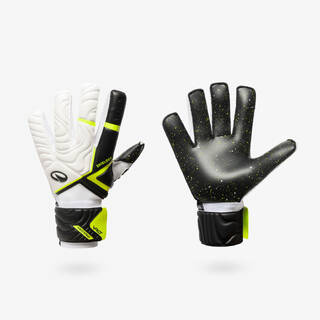
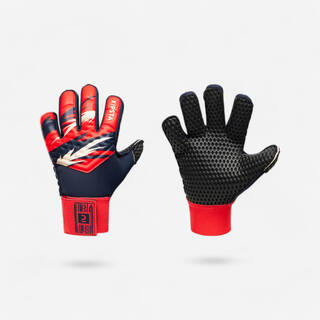

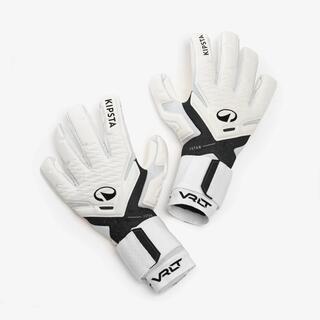


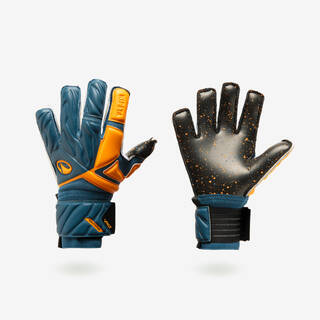

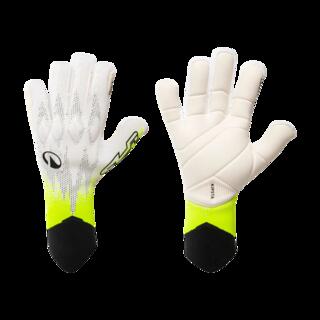
Engineered Palm Latex Compounds for Wet Ball Grip and Impact Absorption
Goalkeeper gloves function as the final mechanical barrier between a struck ball and the goal line. Palm latex composition dictates grip coefficient under wet conditions and shock attenuation during high-velocity saves. Decathlon goalkeeper gloves utilize 3mm to 4mm German latex foam grades that maintain tackiness even when saturated by monsoon rain or turf irrigation spray. The cellular structure of these foams compresses on impact, converting kinetic energy into controlled deformation rather than transmitting shock directly to finger joints and wrist ligaments.
Latex durability correlates directly with foam density and abrasion resistance. Softer 3mm contact latex delivers superior grip on wet synthetic turf and natural grass but wears faster on abrasive artificial turf with silica sand infill. Harder 4mm compound latex extends lifespan on rough surfaces while sacrificing marginal wet-grip performance. Indian goalkeepers training on municipal concrete-backed artificial pitches require hybrid palm constructions that balance contact softness with backing reinforcement to resist premature tearing during dive landings on uneven seams.
Finger Protection Systems and Hyperextension Resistance Mechanisms
Finger spines prevent hyperextension injuries when a goalkeeper's hand deflects a shot traveling at speeds exceeding 80 km/h. Removable polypropylene or flexible TPU finger saves insert into dedicated channels along the posterior surface of each digit, creating a rigid backstop that limits backward bending beyond the anatomical safe zone of approximately 30 degrees. Kipsta goalkeeper gloves integrate these spines across models designed for competitive match play, allowing keepers to remove them during training sessions focused on ball handling rather than shot stopping.
Finger save technology adds 15 to 20 grams per glove but reduces acute ligament strain during reflex saves. The spines flex minimally under normal catching motions but lock rigid when backward force exceeds threshold limits. Goalkeepers transitioning from youth to adult competition benefit most from finger protection during the adaptation period when shot power increases but hand strength and ligament conditioning lag behind. Indian academy keepers facing repetitive high-intensity shooting drills on hard turf surfaces should prioritize gloves with full-finger spine coverage to manage cumulative stress loads across training cycles.
Wrist Closure Systems: Strap Tension, Bandage Wraps, and Forearm Stability
Wrist closure architecture determines glove retention during explosive lateral dives and overhead punches. Three primary systems dominate goalkeeper glove engineering: single elastic strap with hook-and-loop fastening, dual-strap configurations that cross the dorsal wrist, and full bandage wraps extending 8 to 10 cm up the forearm. Single straps offer rapid on-off transitions suitable for training rotations but provide minimal wrist joint stabilization. Dual straps increase dorsal compression and prevent glove rotation during one-handed deflections, critical when a keeper's hand contacts the ball at oblique angles rather than square impact.
Bandage wrap closures deliver maximum forearm lockdown and distribute impact forces across a larger surface area, reducing localized pressure on the carpal bones. Kipsta models with extended bandage systems suit goalkeepers with previous wrist injuries or those facing repetitive high-load scenarios like penalty shootouts and corner kick defenses. The wrap's elastic tension must balance secure retention with unimpeded blood flow. Indian keepers training in high-humidity coastal conditions should verify that neoprene or elastic wrap materials include perforated ventilation zones to prevent sweat pooling and skin maceration during extended match play.
Cut Profiles: Negative, Rolled, Flat Palm, and Hybrid Constructions for Fit Precision
Glove cut determines how latex conforms to hand geometry and influences tactile feedback during ball contact. Negative cut construction stitches seams inside the glove, placing latex directly against skin for maximum surface contact and tight fit. This profile suits goalkeepers with narrow hands and long fingers who prioritize ball feel over padded comfort. Rolled finger cuts wrap latex around the fingertips, creating a snug tube that enhances grip coverage on the sides of digits during angled deflections. Flat palm cuts position seams on the glove's exterior, offering a looser fit with more internal volume for keepers with wider hands or those who prefer additional finger mobility.
Hybrid cuts combine construction methods across different glove zones. A common configuration pairs negative cut thumbs and index fingers for precision catching with rolled middle and ring fingers for extended grip surface during diving saves. Kipsta goalkeeper gloves utilize hybrid engineering to balance anatomical fit with functional grip zones. Indian goalkeepers should measure hand circumference at the knuckle line and finger length from wrist crease to middle fingertip, then cross-reference sizing charts that account for cut-specific fit tolerances. A properly fitted glove leaves 3 to 5 mm of space at the fingertip when fingers are fully extended, preventing latex bunching during flexion while maintaining secure palm contact.
Backhand Materials: Breathable Mesh, Latex Punch Zones, and Embossed Reinforcements
Backhand construction serves dual functions: thermal regulation through moisture evacuation and structural reinforcement for punching clearances. Embossed latex punch zones on the knuckle area provide a firm, slightly textured surface for directing high balls away from the goal mouth during crowded penalty area situations. The embossing pattern increases surface friction against the ball while the thicker latex resists deformation, allowing keepers to generate controlled power without hyperextending fingers. Breathable mesh panels integrated into the backhand and finger gussets accelerate sweat evaporation, critical during Indian summer tournaments where ambient temperatures exceed 35°C and relative humidity approaches 80 percent.
Backhand ventilation directly impacts grip longevity. Excessive palm sweat migrates through the glove's porous structure and saturates latex foam, reducing tackiness and accelerating bacterial growth that degrades cellular integrity. Kipsta models incorporate perforated neoprene or engineered mesh across the dorsal hand surface, creating convective airflow channels that pull moisture away from the palm interface. Goalkeepers training on artificial turf under direct sunlight should prioritize gloves with maximum backhand ventilation to maintain consistent grip performance across 90-minute match durations and extended tournament schedules with minimal recovery time between fixtures.
Maintenance Protocols: Latex Reactivation, Storage Conditions, and Lifespan Extension
Goalkeeper glove latex requires specific care protocols to maintain grip coefficient and structural integrity. After each use, rinse gloves in lukewarm water (below 30°C) to remove dirt, grass particles, and turf rubber that embed in the foam's cellular matrix. Avoid hot water, which accelerates latex polymer breakdown and reduces foam elasticity. Gently squeeze excess water without wringing or twisting, then air dry at room temperature away from direct sunlight and heat sources. UV radiation degrades latex molecular bonds, causing surface hardening and grip loss within 10 to 15 exposure hours.
Store gloves flat or hanging with palms facing each other to prevent foam compression and shape deformation. Apply a light mist of water to the palms before each use to reactivate the latex's natural tackiness. Dry latex exhibits reduced grip until surface moisture rehydrates the foam cells. Glove lifespan depends on usage frequency, surface abrasiveness, and storage conditions. Training gloves used three times weekly on natural grass typically maintain peak performance for 15 to 20 sessions before grip degradation becomes noticeable. Match gloves reserved for competitive play and stored properly can deliver 25 to 30 high-quality outings. Indian goalkeepers should rotate between training and match pairs to extend overall glove inventory lifespan and ensure consistent performance during critical fixtures.
FAQ (Frequently Asked Questions)
Q1. What latex thickness should I choose for playing on artificial turf versus natural grass in India?
Choose 4mm latex with reinforced backing for artificial turf common in Indian municipal grounds, as the abrasive silica sand infill accelerates foam wear. Natural grass pitches allow 3mm softer latex that maximizes wet-grip tackiness during monsoon matches. Hybrid constructions with 3.5mm contact foam and textile backing balance durability and grip across mixed surface training schedules.
Q2. How do I determine the correct glove size if I am between two measurements on the sizing chart?
Measure your hand circumference at the widest knuckle point and finger length from wrist crease to middle fingertip. If measurements fall between sizes, select the larger size for negative cut gloves (tight fit) and the smaller size for flat palm cuts (looser fit). Properly fitted gloves leave 3 to 5 mm fingertip space when fingers are fully extended, preventing latex bunching during flexion.
Q3. Do finger save spines restrict my hand movement when catching or throwing the ball?
Finger spines allow normal forward flexion for catching and throwing but prevent hyperextension beyond 30 degrees during shot deflections. The polypropylene or TPU inserts flex minimally under controlled motions but lock rigid when backward force exceeds safe anatomical limits. Most Kipsta models feature removable spines, allowing you to train without them for ball handling drills and insert them for shot-stopping sessions.
Q4. How often should I replace goalkeeper gloves used for training three times per week?
Training gloves used three times weekly on natural grass maintain peak grip for 15 to 20 sessions before foam degradation becomes noticeable. Artificial turf accelerates wear, reducing lifespan to 10 to 15 sessions. Rotate between dedicated training and match gloves to extend inventory lifespan. Replace gloves when palm latex shows visible tearing, grip becomes inconsistent when wet, or foam loses rebound compression.
Q5. Can I wash goalkeeper gloves in a washing machine to remove dirt and odor?
Never machine wash goalkeeper gloves. Agitation and heat destroy latex cellular structure and degrade adhesive bonds. Hand rinse gloves in lukewarm water (below 30°C) after each use, gently squeezing to remove embedded dirt and grass. Air dry at room temperature away from direct sunlight. For odor control, apply a light antibacterial spray designed for sports equipment and ensure gloves dry completely between uses.
Q6. What wrist closure type provides the best support for preventing wrist injuries during dives?
Bandage wrap closures extending 8 to 10 cm up the forearm provide maximum wrist stabilization and distribute impact forces across a larger surface area during dive landings. Dual-strap systems offer moderate support with faster on-off transitions. Single elastic straps suit training scenarios but provide minimal joint stabilization. Goalkeepers with previous wrist injuries or those facing high-load match schedules should prioritize bandage wrap constructions.
Q7. Why do my gloves lose grip even after I rinse them properly after training?
Grip loss despite proper rinsing indicates latex polymer degradation from UV exposure, excessive heat during drying, or accumulated turf rubber embedded deep in foam cells. Store gloves away from direct sunlight and heat sources. Lightly mist palms with water before each use to reactivate surface tackiness. If grip remains poor when wet, the latex has reached end of functional lifespan and requires replacement.
Q8. Are negative cut gloves better than flat palm cuts for shot stopping and reflex saves?
Negative cut gloves place latex directly against skin for maximum tactile feedback and tight fit, enhancing ball feel during reflex saves. Flat palm cuts offer looser fit with more internal volume, suiting goalkeepers with wider hands. Neither cut is objectively superior. Choice depends on hand geometry and personal preference. Hybrid cuts combine construction methods to balance anatomical fit with functional grip zones across different hand areas.
Q9. How do I prevent my gloves from developing a strong odor after monsoon season training?
Rinse gloves immediately after each wet session to remove sweat and bacteria. Squeeze out excess water gently and air dry completely in a ventilated area before storage. Apply antibacterial spray designed for sports gear to inhibit microbial growth. Store gloves in a breathable mesh bag rather than sealed plastic. During monsoon season, rotate between two pairs to ensure each set dries thoroughly between uses, preventing bacterial colonization in damp foam.
Q10. What is the difference between Kipsta training gloves and match gloves in terms of construction?
Kipsta training gloves typically use harder 4mm latex with reinforced backing to withstand repetitive abrasion during high-volume practice sessions. Match gloves feature softer 3mm to 3.5mm contact latex optimized for maximum wet-grip performance during competitive play. Match models often include finger save spines and extended bandage wraps for enhanced protection. Training gloves prioritize durability over peak grip, while match gloves maximize performance for critical fixtures.