
Water Polo
Water Polo
Filters


PriceTo
299
1,249
Gender
- Boys (7)
- Girls (7)
- Men (5)
- Women (5)
- Baby boys (1)
- Baby girls (1)
Category
- Water polo ball (7)
Size
- One size (7)
Sport
- Water polo (7)
- Aqua fitness (3)
Brand
- Watko (5)
- Decathlon (2)
Color
More Filters
- Onlyonline (2)
Explore All Water Polo Collections

- exclude out of stock
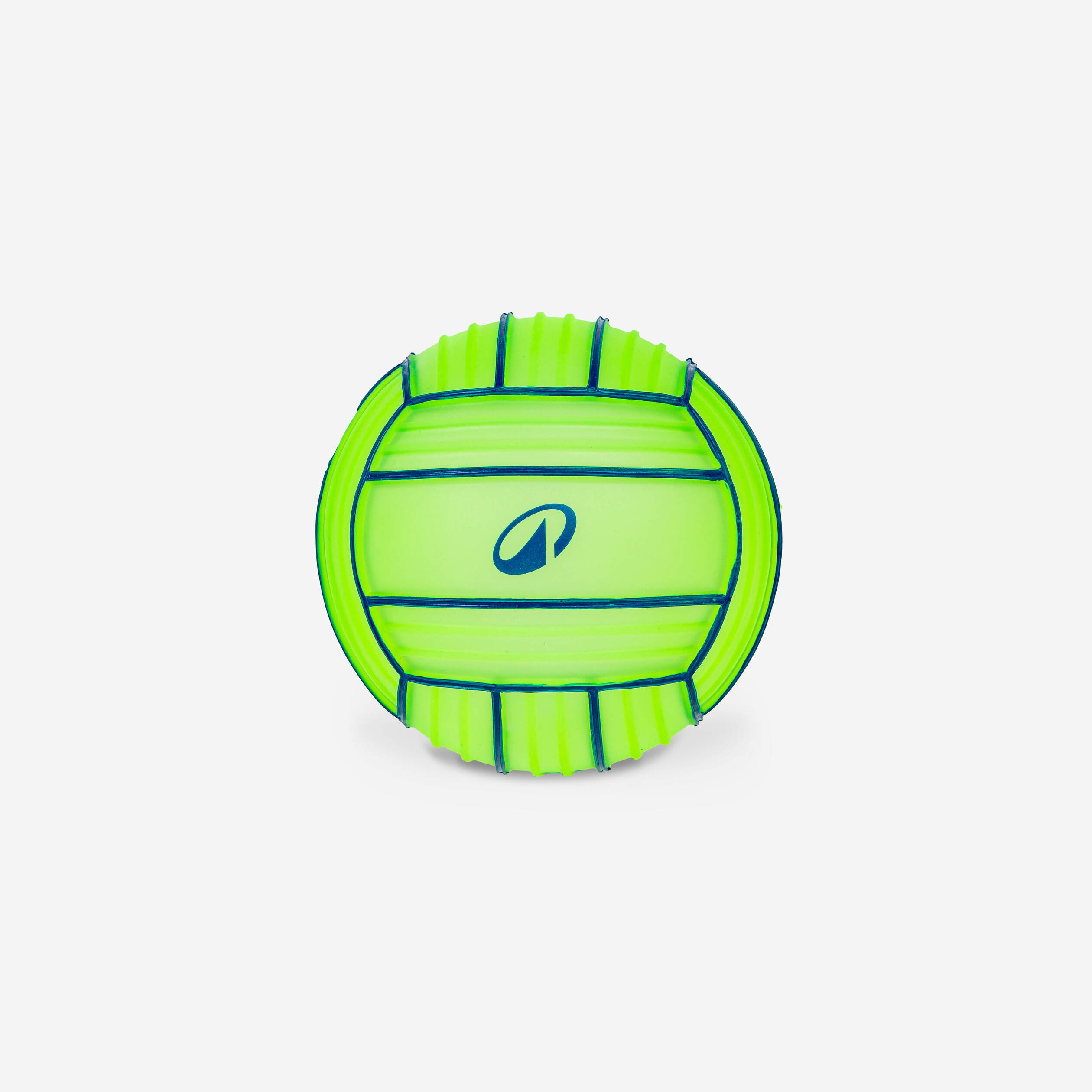
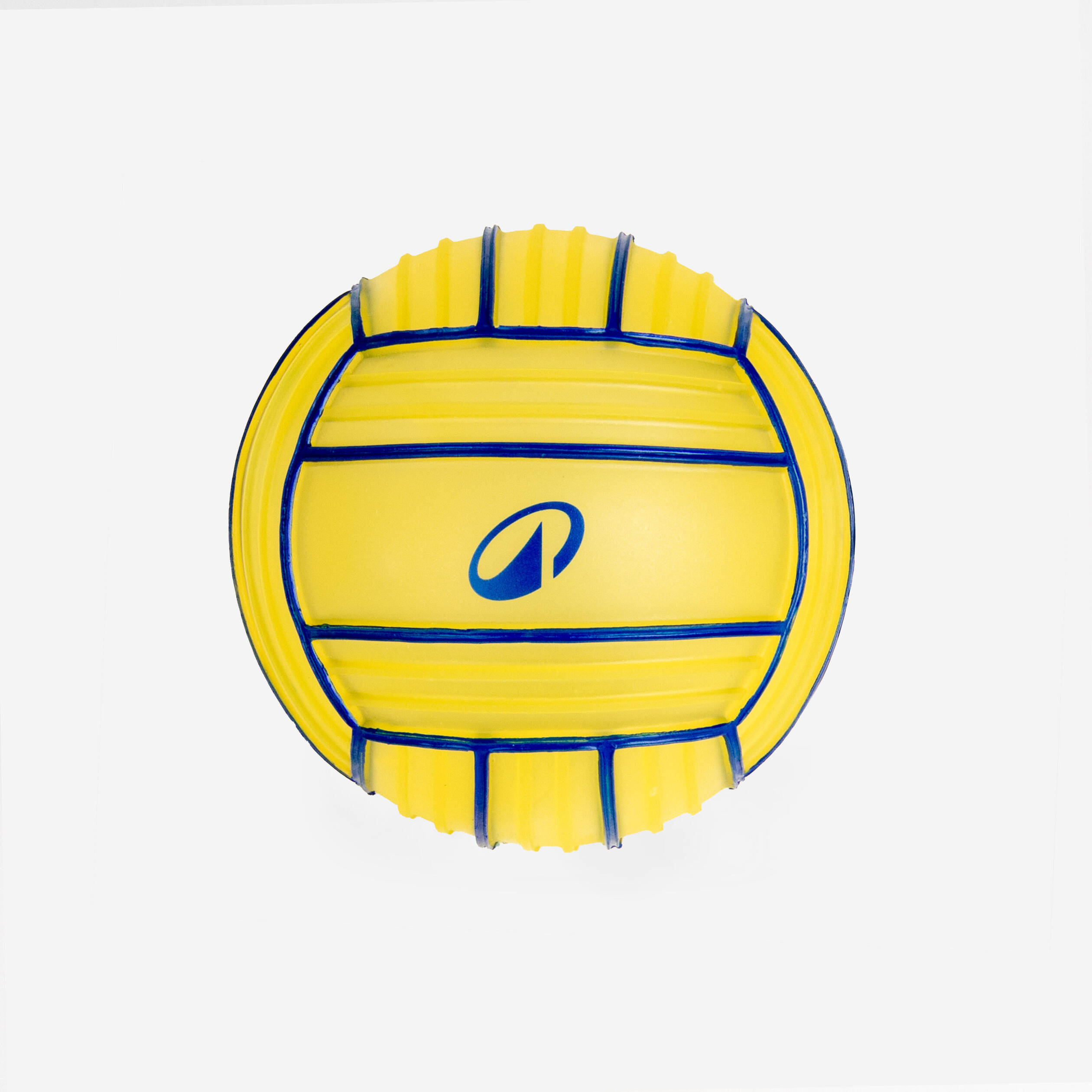
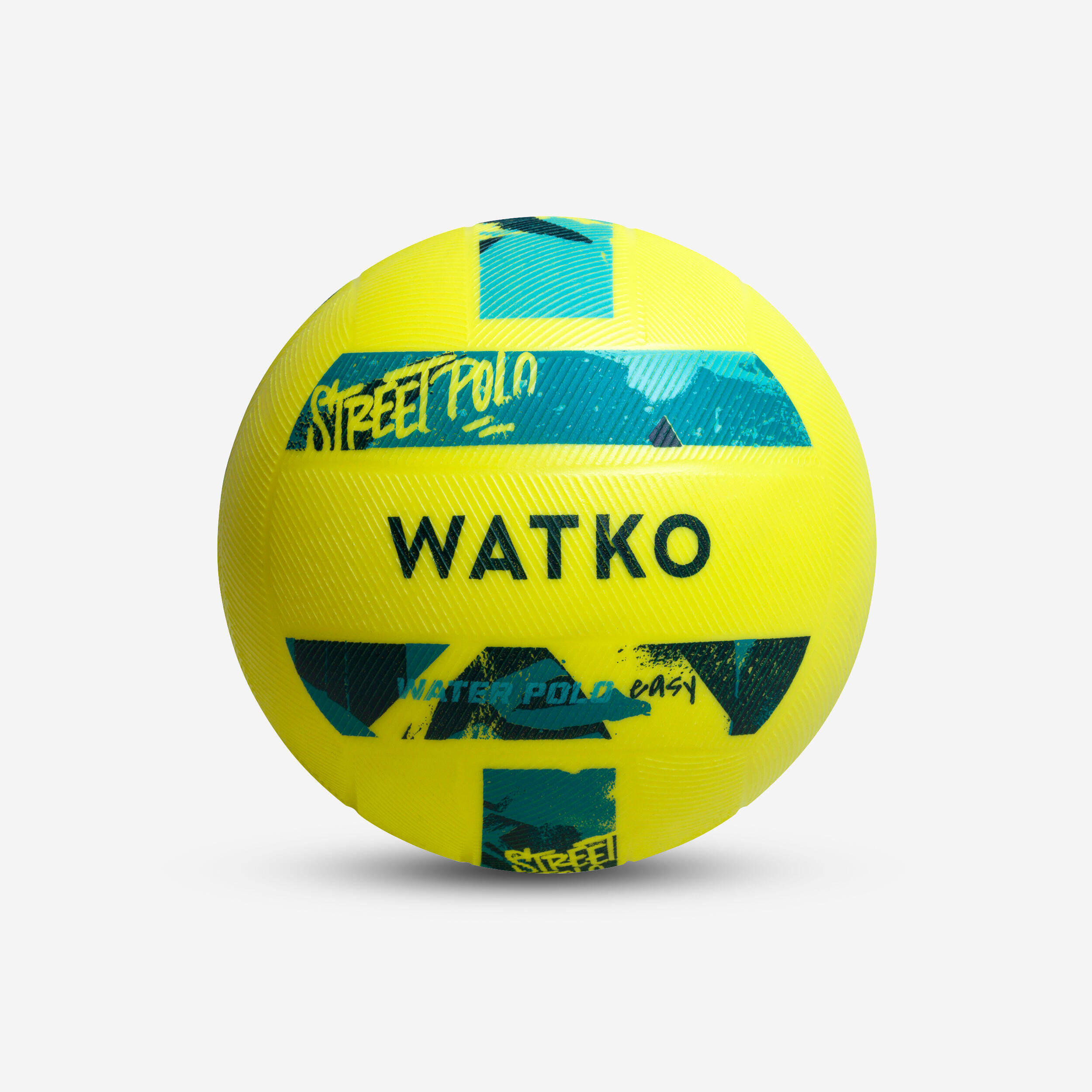
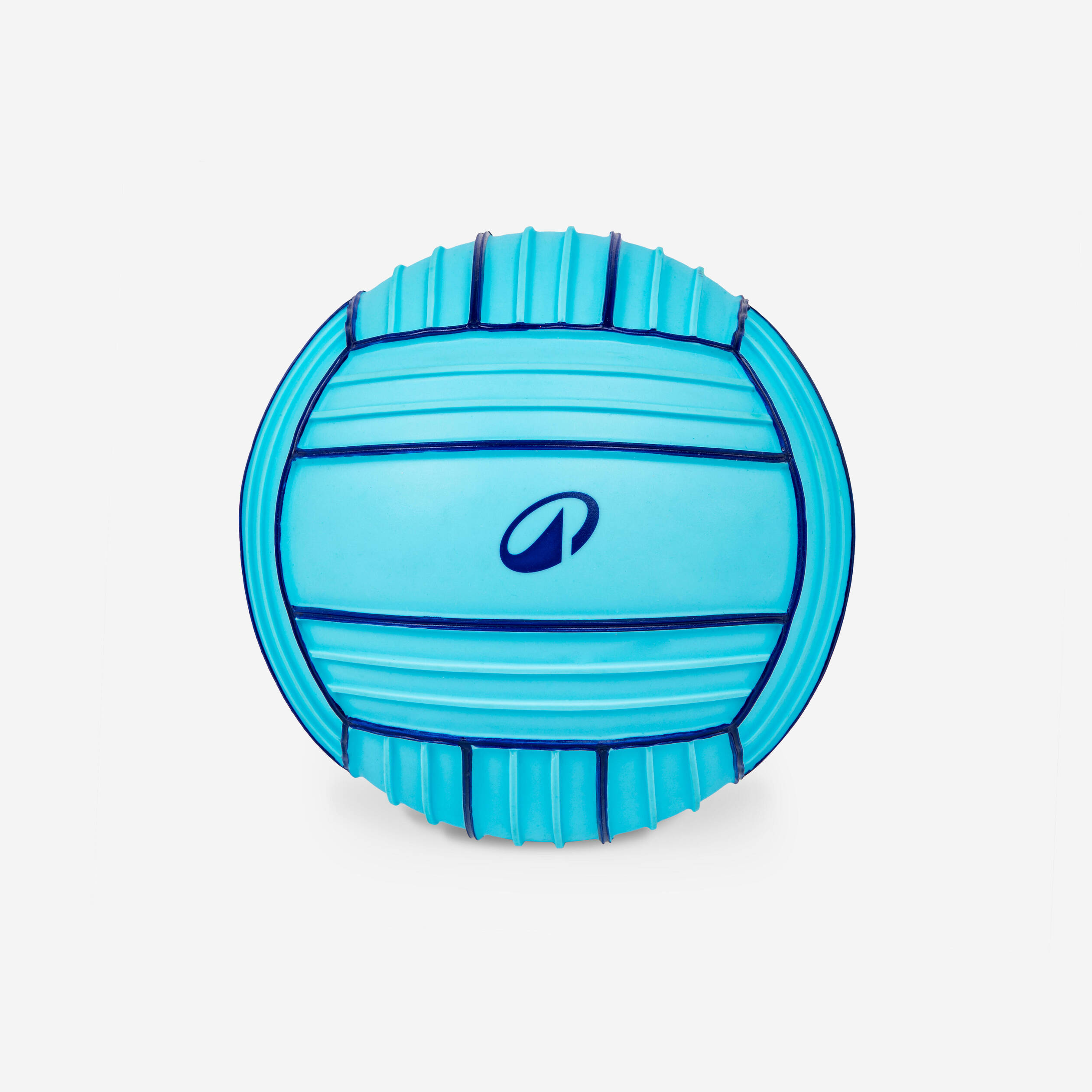


Know about Water Polo
Water polo is a dynamic and physically demanding team sport that takes place in a swimming pool. It combines elements of swimming, soccer, and basketball, making it a unique and exhilarating athletic endeavor. Played by two teams of seven players each, including a goalkeeper, water polo requires exceptional endurance, strength, and strategy. The objective of the game is to score goals by throwing a ball into the opposing team's net while also defending one's own goal. Players must tread water for extended periods, using their legs to stay afloat while passing, shooting, and maneuvering the ball. This constant effort, combined with the fast-paced nature of the game, makes water polo one of the most physically demanding sports in the world.
Water polo is not just about physical prowess; it also demands a high level of teamwork and tactical acumen. Players must communicate effectively, both above and below the water, to coordinate their movements and outmaneuver the opposition. The sport is known for its intense physicality, with players frequently jockeying for position, engaging in underwater battles, and enduring strenuous swimming sprints. Water polo competitions are a thrilling spectacle for spectators, showcasing the incredible skill and endurance of athletes as they navigate the water, engage in strategic battles, and strive to score goals in the face of formidable opposition.
Pool essentials to carry when you play water polo: Pool shoes, Towel, Water Proof Pool Pouch, Ear Plugs, Robes
1. Early Origins (Late 19th Century)
The origins of water polo can be traced back to the late 19th century in England and Scotland. It was initially developed as a form of water rugby, with players riding on inflatable or cork floats. The game was played in lakes and rivers, making it a far cry from the modern pool-based version.
2. The Establishment of Rules (Late 19th Century)
In 1870, the London Swimming Club developed the first set of rules for water polo, bringing structure and organization to the sport. This marked the beginning of the transition from a rough water rugby game to a more recognizable form of water polo.
3. International Expansion (Early 20th Century)
Water polo's popularity grew rapidly, leading to the formation of national and international governing bodies. The sport's first international competition took place at the 1900 Paris Olympics. It was an exhibition event, and the British team emerged victorious.
4. Pool Play (Early to Mid-20th Century)
The transition from natural water bodies to swimming pools as the primary playing environment occurred during the early to mid-20th century. This change allowed for more controlled and standardized competition, further popularizing the sport.
5. Modern Water Polo (Late 20th Century - Present)
Water polo has evolved into a highly competitive and regulated sport with international championships such as the Olympics, World Championships, and World Cup. It is known for its rigorous physical demands, tactical gameplay, and skilled athletes.
The Water Polo Ball: Evolution
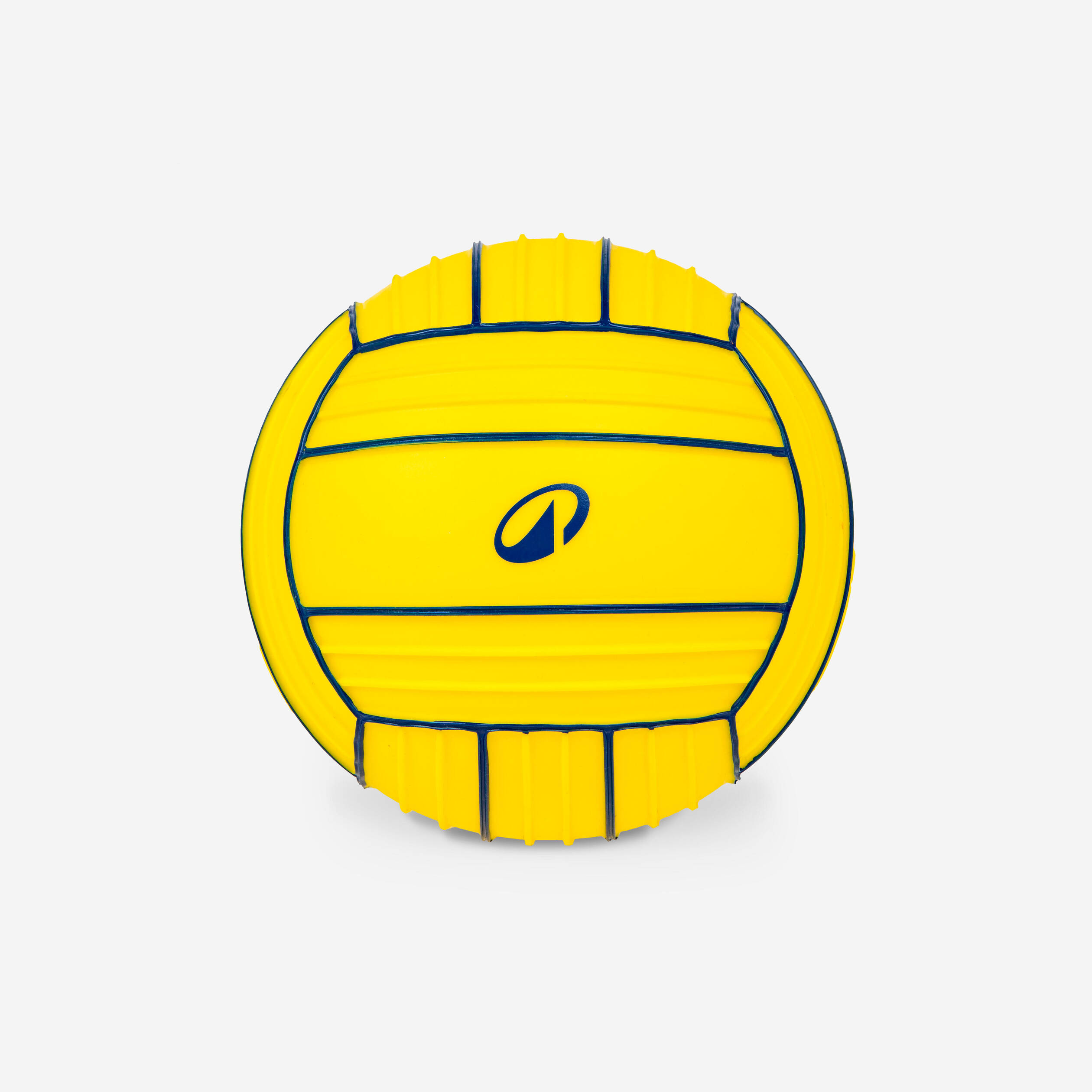
The water polo ball is an essential component of the game, designed to float on the water and facilitate precise throws and passes. Here's a brief overview of its evolution:
1. Early Ball Variations (19th Century)
In the sport's early years, various objects were used as balls, including soccer balls and rubber bladders encased in leather. These early balls had limited buoyancy, making them less suitable for water polo.
2. Development of the Modern Ball (20th Century)
The modern water polo ball was developed in the 20th century. It is made of waterproof material, typically rubber or synthetic material, which allows it to float on the water's surface. The ball's size, weight, and grip have been standardized to ensure fair and consistent gameplay.
3. Ongoing Improvements (Present Day)
Today, water polo balls are designed with advanced materials and technology to enhance grip, durability, and water resistance. They are specifically engineered to meet the rigorous demands of the sport.
FAQ (Frequently Asked Questions)
Q1. How many players are there in a water polo team?
In water polo, each team typically consists of seven players in the pool at a time, including one goalkeeper.
Q2. Can players touch the bottom of the pool during the game?
No, players are not allowed to touch the bottom of the pool unless they are the goalkeeper.
Q3. How long is a standard water polo game?
A standard water polo game consists of four quarters, each lasting 7 minutes.
Q4. What are the basic rules of water polo?
Some basic rules include no holding, sinking, or pulling opponents underwater, and the ball must be passed or shot within 30 seconds.