Scooters
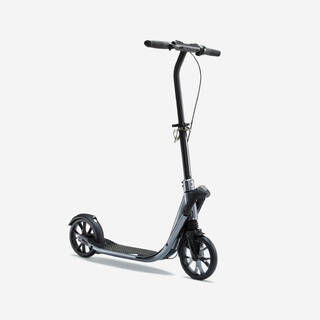
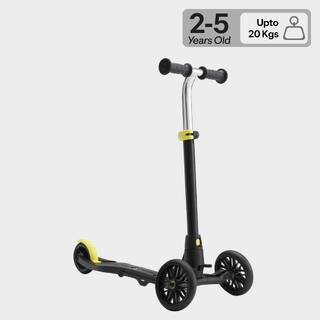
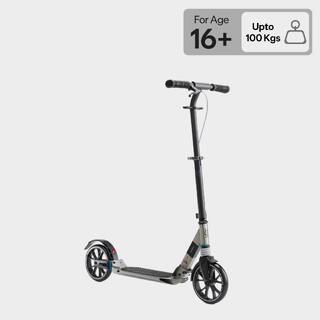
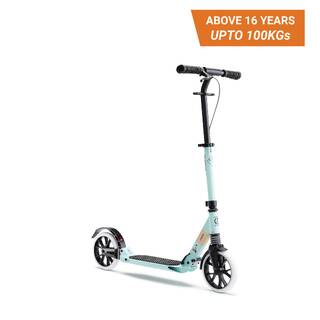
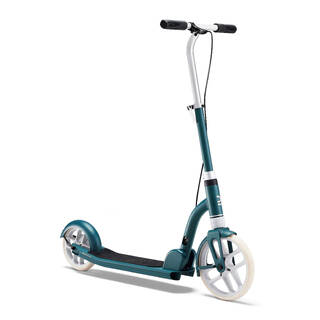



Urban Mobility Engineering: Frame Geometry, Deck Width, and Weight Distribution for Indian Pavements
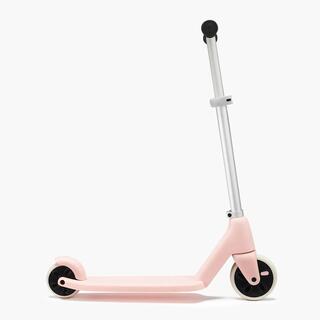
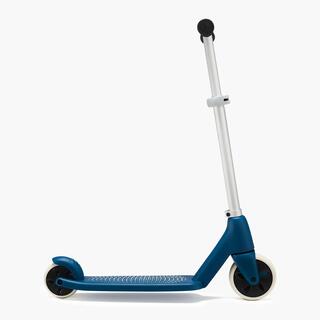
Scooters designed for Indian urban environments require specific frame geometry to handle uneven concrete slabs, broken asphalt patches, and sudden elevation changes at pedestrian crossings. Deck width between 100mm and 140mm provides optimal foot placement stability while navigating crowded market lanes and narrow footpaths. Wider decks (130-140mm) distribute rider weight more evenly across the platform, reducing fatigue during extended commutes through commercial districts. Narrower performance decks (100-110mm) enable tighter cornering radius and faster directional changes in congested spaces.
Frame construction separates into two primary categories: welded aluminium alloy frames (6061 T6 grade) and reinforced steel frames with powder-coated corrosion resistance. Aluminium frames reduce overall weight to 3.5-5.5 kg, critical for carrying scooters up apartment staircases or loading into car boots. Steel frames increase durability under repeated impact loads from pothole strikes and kerb drops, extending service life in high-wear urban conditions. Headtube angles between 68 and 72 degrees determine steering responsiveness, with steeper angles (71-72 degrees) providing quicker handlebar reaction for navigating traffic gaps.
Weight distribution between front and rear wheels affects stability during acceleration and braking. Rear-biased weight placement (55-60% over rear wheel) improves traction during push-off phases and reduces front wheel lift during aggressive acceleration. Front-biased designs (52-55% forward) enhance braking control and prevent rear wheel skidding on smooth tile surfaces common in metro stations and shopping complexes. Deck height from ground (typically 75-95mm) influences push efficiency, with lower decks requiring less energy per stride but offering reduced clearance over speed bumps.
Wheel Specifications: Polyurethane Durometer Ratings, Core Materials, and Rolling Resistance on Tar Surfaces
Wheel diameter and polyurethane durometer ratings directly control speed retention and shock absorption across Indian road surfaces. Standard wheel sizes range from 145mm to 230mm diameter, with larger wheels (200-230mm) maintaining momentum over rough patches and requiring fewer push strokes per kilometre. Smaller wheels (145-175mm) accelerate faster from standstill positions and fit compact folding mechanisms for public transport compatibility. Polyurethane durometer measured on Shore A scale determines hardness: 78A-82A compounds absorb vibrations from brick paving and gravel patches, while 85A-88A formulations reduce rolling resistance on smooth asphalt for higher top speeds.
Wheel core construction uses either solid polyurethane, spoked plastic hubs, or aluminium alloy cores. Aluminium cores reduce rotational mass while maintaining structural integrity under lateral cornering forces. Spoked plastic cores (typically polypropylene or nylon composites) provide flex absorption during impact events, extending wheel lifespan when hitting expansion joints or drainage grates. Solid polyurethane wheels eliminate core separation failures but increase overall weight and reduce vibration damping. Wheel width between 24mm and 30mm affects contact patch area: wider profiles (28-30mm) distribute load forces and improve wet surface grip during monsoon months.
Bearing precision rated by ABEC standards (ABEC 5, 7, or 9) controls rolling friction and speed consistency. ABEC 7 bearings balance manufacturing tolerances with contamination resistance for Indian dust conditions, maintaining smooth rotation without frequent maintenance intervals. Sealed cartridge bearings with rubber shields prevent fine particulate ingress from construction zones and unpaved sections. Bearing lubrication using lithium-based greases withstands thermal expansion during summer months when pavement temperatures exceed 50 degrees Celsius, preventing premature wear and maintaining consistent roll speeds across daily commutes.
Folding Mechanisms and Portability Systems: Latch Designs, Hinge Durability, and Multi-Modal Transport Integration
Folding systems enable seamless transitions between riding and carrying modes, essential for combining scooter travel with metro trains, buses, and auto-rickshaws. Single-action folding mechanisms using spring-loaded latches collapse frames in under 3 seconds, allowing rapid boarding during peak commute windows. Dual-latch systems provide redundant security against accidental unfolding during transport but require both hands for operation. Vertical folding designs (handlebars fold down to deck level) create compact profiles measuring 80-100cm in length, fitting under office desks and apartment entryways without obstructing walkways.
Hinge construction quality determines long-term reliability under repeated folding cycles. Reinforced steel hinges with hardened pins withstand 10,000+ fold cycles without developing play or looseness in the joint. Aluminium hinges reduce weight but require larger diameter pins to maintain equivalent strength ratings. Locking mechanisms must resist vibration-induced loosening during rides over railway crossings and speed breakers. Positive engagement latches with audible click confirmation prevent partial folding failures that compromise structural integrity during use.
Carrying handles integrated into frame tubes or deck platforms distribute weight across palm surfaces, reducing hand fatigue during extended carrying periods through crowded stations. Shoulder straps (when included) transfer load to larger muscle groups, enabling hands-free transport while navigating stairs or escalators. Folded dimensions under 110cm length and 40cm width meet Indian Railways luggage size restrictions for non-ticketed items, avoiding additional baggage fees during intercity travel. Quick-release handlebar clamps allow height adjustment between 85cm and 105cm, accommodating multiple family members without tools.
Braking Systems and Speed Control: Rear Fender Brakes, Hand-Operated Calipers, and Wet Surface Modulation
Rear fender brakes operate through foot pressure applied to flexible steel or reinforced polymer fenders mounted over rear wheels. Friction contact between fender and polyurethane tire generates stopping force, with modulation controlled by applied pressure intensity. Fender brakes require no cable routing or hand lever operation, simplifying frame design and reducing maintenance points. Effective stopping distances on dry concrete range from 2 to 3.5 meters when traveling at 15 km/h, increasing to 4-6 meters on wet tile surfaces common during monsoon season. Fender wear rates depend on usage frequency: daily commuters require fender replacement every 8-12 months under normal braking patterns.
Hand-operated caliper brakes mounted on front wheels provide superior modulation and shorter stopping distances compared to rear fender systems. Cable-actuated calipers transfer handlebar lever force through steel cables to brake pads that contact wheel rims or dedicated brake tracks. Dual-pad designs (one pad each side of wheel) balance braking forces and prevent wheel deflection during emergency stops. Brake pad compounds using rubber or cork composites maintain friction coefficients above 0.6 in wet conditions, critical for navigating rain-slicked marble floors in commercial buildings. Cable housing with sealed ends prevents moisture ingress that causes cable corrosion and sticky lever operation.
Brake adjustment mechanisms compensate for pad wear and cable stretch over time. Barrel adjusters at handlebar levers enable on-the-fly tension corrections without tools, maintaining consistent lever throw distance. Some systems incorporate spring-return mechanisms that automatically center brake pads after release, preventing drag friction that reduces coasting efficiency. Brake testing on Indian road conditions should verify stopping capability on oil-contaminated surfaces near fuel stations and food stalls, where reduced traction demands increased braking distance awareness. Regular inspection of brake pad thickness (minimum 2mm remaining material) prevents metal-on-metal contact that damages wheel surfaces.
Oxelo Brand Engineering: Recreational Models, Commuter Specifications, and Youth Development Platforms
Oxelo represents Decathlon's dedicated scooter engineering division, developing platforms across recreational, urban commuting, and youth progression categories. Recreational models prioritize stability and comfort for park use and neighbourhood exploration, featuring wider decks (120-140mm) and larger diameter wheels (200mm+) that smooth out surface irregularities. Reinforced frame construction supports rider weights up to 100kg, accommodating adult users and enabling shared family use. Adjustable handlebar systems with tool-free clamps allow height customization between 85cm and 100cm, fitting riders from 120cm to 185cm tall without compromising ergonomic positioning.
Commuter-focused designs optimize portability and speed retention for daily urban travel. Lightweight aluminium frames under 4.5kg reduce carrying fatigue during multi-modal journeys combining scooter segments with public transport. Quick-fold mechanisms collapse frames in under 5 seconds, meeting the pace demands of crowded metro platforms during rush hours. Integrated kickstands prevent scooters from falling when parked on sloped surfaces or uneven ground. Reflective decals and mounting points for battery lights enhance visibility during early morning or evening commutes through poorly lit residential streets.
Youth development models introduce children to scooter mechanics through age-appropriate sizing and progressive feature sets. Three-wheel configurations (two front wheels, one rear) provide enhanced stability for riders aged 2-5 years learning balance and steering coordination. Lean-to-steer mechanisms teach weight transfer principles before transitioning to two-wheel platforms. Deck heights between 60mm and 75mm accommodate shorter leg lengths and reduce push effort for developing muscles. Handlebar grips with smaller diameter profiles (18-22mm) fit children's hand sizes, improving control confidence. Graduated wheel sizes (120mm for beginners, 145mm for intermediate riders) match skill progression without requiring complete equipment replacement.
Maintenance Protocols and Durability Management: Bearing Service, Wheel Rotation, and Frame Inspection Cycles
Bearing maintenance intervals depend on usage intensity and environmental exposure. Weekly cleaning removes accumulated dust and grit from bearing seals using compressed air or soft brushes, preventing abrasive particle ingress that accelerates wear. Monthly bearing inspection involves spinning wheels freely and listening for grinding sounds or rough rotation indicating contamination or inadequate lubrication. Bearing replacement becomes necessary when wheels no longer spin freely for more than 3 full rotations after manual impulse, signaling increased internal friction. Sealed cartridge bearings simplify replacement: press-fit removal tools extract old bearings without damaging wheel cores, and new bearings seat with even pressure applied around outer races.
Wheel rotation extends service life by distributing wear patterns evenly across polyurethane surfaces. Front and rear wheel positions experience different load profiles: front wheels encounter more directional scrubbing forces during turns, while rear wheels absorb greater vertical impact loads during push-off phases. Swapping wheel positions every 200-300 kilometres balances wear rates and delays the onset of flat spots or uneven tread patterns. Wheel replacement indicators include visible core exposure, polyurethane chunks missing from contact surfaces, or diameter reduction exceeding 10mm from original specifications. Matching replacement wheels by durometer rating and diameter maintains consistent handling characteristics.
Frame inspection focuses on stress points around headtube welds, folding hinge pins, and deck-to-downtube junctions. Hairline cracks in welds indicate fatigue failure progression and require immediate retirement of the scooter to prevent catastrophic structural collapse. Hinge pin play exceeding 2mm lateral movement signals worn bushings or elongated pin holes, compromising fold security. Loose handlebar clamps require retightening to specified torque values (typically 8-10 Nm for aluminium clamps) to prevent rotation during use. Deck surface grip tape replacement maintains traction control: adhesive-backed grip tape sheets cut to deck dimensions restore friction when original surfaces become polished smooth from repeated foot contact. Proper storage in dry indoor locations prevents aluminium oxidation and steel frame rust that weakens structural integrity over monsoon seasons.
FAQ (Frequently Asked Questions)
Q1. What wheel size works best for daily commuting on Indian city roads with frequent potholes and uneven surfaces?
Wheels between 200mm and 230mm diameter maintain momentum over broken asphalt patches and require fewer push strokes per kilometre compared to smaller wheels. Larger diameter wheels roll over obstacles up to 25mm height without sudden deceleration, critical for navigating expansion joints and drainage grates common on urban roads. Pair large wheels with polyurethane durometer ratings between 78A and 82A for adequate shock absorption during pothole impacts while maintaining reasonable rolling speed on smooth sections.
Q2. How do I choose between aluminium and steel frame scooters for carrying up apartment stairs daily?
Aluminium frames (6061 T6 alloy) weigh between 3.5kg and 5kg, reducing carrying fatigue during repeated stair climbs compared to steel frames that typically weigh 5.5kg to 7kg. Steel frames offer superior impact resistance when accidentally dropped on concrete landings or hit against metal railings. If your commute involves carrying the scooter more than 3 floors daily, prioritize aluminium construction. For ground-floor storage with occasional carrying, steel frames provide longer service life under rough handling conditions.
Q3. Can adults use scooters designed for commuting, and what weight capacity should I verify?
Adult commuter scooters support rider weights between 90kg and 100kg when properly constructed with reinforced deck platforms and heavy-gauge frame tubing. Verify maximum load ratings stamped on the deck or headtube before purchase. Handlebar height adjustment range must extend to at least 95cm for riders above 170cm tall to maintain upright posture and prevent lower back strain during extended rides. Deck width above 120mm provides adequate foot placement space for adult shoe sizes.
Q4. How often do scooter wheels need replacement under daily 5-kilometre commute usage?
Polyurethane wheels degrade based on surface abrasiveness and rider weight. Daily 5km commutes on mixed concrete and asphalt surfaces typically require wheel replacement every 8 to 12 months when using 82A-85A durometer wheels. Softer compounds (78A-80A) wear faster but provide better shock absorption, requiring replacement every 6 to 9 months. Inspect wheels monthly for flat spots, core exposure, or diameter reduction exceeding 10mm from original size. Rotating front and rear wheel positions every 200km extends overall service life by balancing wear patterns.
Q5. What folding mechanism type works best for quick boarding on crowded metro trains during rush hour?
Single-action spring-loaded latches collapse scooters in under 3 seconds using one hand, essential for rapid boarding when train doors open for limited time windows. Vertical folding designs (handlebars fold to deck level) create compact 85-95cm lengths that fit through turnstiles and crowded aisles without hitting other passengers. Ensure the latch includes audible click confirmation to verify complete engagement before carrying. Dual-latch systems provide extra security but require both hands and 5-8 seconds for operation, less suitable for time-critical boarding situations.
Q6. Do rear fender brakes work effectively on wet marble floors inside shopping malls and office buildings?
Rear fender brakes lose approximately 30-40% stopping power on wet smooth surfaces compared to dry concrete due to reduced friction coefficients between fender material and wet polyurethane tires. Stopping distances increase from 2-3 meters to 4-6 meters when traveling at 15 km/h on wet tiles. Reduce speed to below 10 km/h when entering air-conditioned buildings with polished floors during monsoon season. Hand-operated caliper brakes on front wheels provide superior wet surface modulation through adjustable lever pressure and maintain more consistent friction coefficients across varying surface conditions.
Q7. What handlebar height range accommodates both teenagers and adults in the same family?
Adjustable handlebars with 85cm to 105cm height range fit riders from approximately 140cm to 185cm tall. Tool-free quick-release clamps enable height changes in under 10 seconds without carrying hex keys or wrenches. Proper handlebar height positions grips at hip bone level when standing upright on the deck, maintaining neutral spine alignment and reducing shoulder fatigue. Verify the clamp mechanism locks securely at multiple height positions without gradual slippage during rides over rough surfaces. Telescoping handlebar posts with laser-etched height markings simplify returning to preferred positions for different family members.
Q8. How do I maintain scooter bearings in high-dust construction zones near my office?
Sealed cartridge bearings with rubber shields on both sides prevent fine dust ingress better than single-shielded or open bearings common in basic models. Clean bearing seals weekly using compressed air directed at angles away from seal edges to avoid forcing particles past shields. Apply lithium-based grease around seal perimeters monthly to create additional contamination barriers. When wheels no longer spin freely for 3+ rotations after manual impulse, bearing replacement becomes necessary regardless of time interval. Avoid pressure washing scooters, as high-pressure water jets force moisture and contaminants past bearing seals into internal races.
Q9. What deck width provides stable foot placement for shoe sizes above UK 10 without feeling cramped?
Deck widths between 130mm and 140mm accommodate larger shoe sizes (UK 10-12 / EU 44-46) with comfortable foot positioning at slight angles rather than purely parallel placement. Wider decks distribute rider weight more evenly and reduce pressure concentration on ball-of-foot contact points during extended standing periods. Deck length above 50cm allows repositioning feet between forward and rear stances to vary muscle engagement and reduce fatigue on commutes exceeding 20 minutes. Textured grip surfaces or applied grip tape maintain traction control even when deck width increases, preventing foot slippage during acceleration or braking.
Q10. Can scooters handle speed breakers and railway crossing bumps without damaging the frame or wheels?
Approach speed breakers below 8 km/h and lift the front wheel slightly by shifting weight rearward just before contact to reduce impact shock transmitted through the headtube. Wheels with 78A-82A durometer ratings absorb vertical impacts better than harder 85A+ compounds but wear faster on smooth surfaces. Reinforced deck-to-downtube welds and gusseted headtube junctions distribute impact forces across larger frame areas, preventing stress concentration failures. Inspect frame welds and hinge pins every 2-3 months if your route includes multiple daily speed breaker crossings, watching for hairline cracks or increased play in folding mechanisms that indicate cumulative fatigue damage.