Headband, neckband and beanies






Thermal Regulation and Moisture Transport in Headbands, Neckbands, and Beanies for Indian Climates
Headbands, neckbands, and beanies serve as critical thermal interface layers that regulate core body temperature during high-output athletic activity. In Indian conditions ranging from sub-zero Himalayan dawn starts to 40°C+ summer training blocks, these accessories must balance three competing demands: sweat evacuation, wind protection, and thermal insulation. Decathlon designs these products using fabric weights from 80 GSM ultralight microfiber headbands for humid coastal runs to 220 GSM fleece-lined beanies for high-altitude trekking. The material selection directly impacts moisture wicking speed, with polyester-elastane blends achieving evaporation rates 3 to 4 times faster than cotton alternatives.
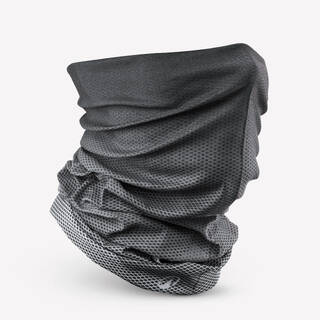
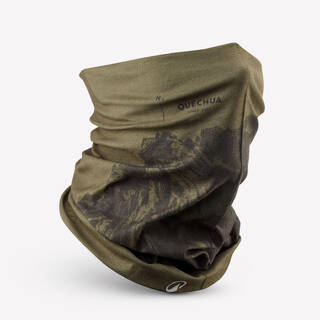
Neckbands function as multi-position thermal buffers. Worn as neck gaiters during cold morning rides, they prevent convective heat loss from the carotid artery zone. Pulled up as face masks during dusty trail runs or Delhi winter pollution spikes, they filter particulate matter while maintaining breathability. Quechua neckbands use tubular seamless construction (eliminating pressure points) with 4-way stretch fabrics containing 10 to 15 percent elastane for secure positioning without constriction. The tubular diameter typically measures 24 to 26 cm unstretched, accommodating head circumferences from 54 to 60 cm when worn as headwear.
Headbands address the specific challenge of sweat channeling during high-intensity intervals. The human scalp produces concentrated sweat output during exertion, and without absorption barriers, this liquid flows directly into eyes (causing stinging) or saturates eyewear. Performance headbands use terry loop pile interiors (similar to towel construction) with pile heights of 2 to 3 mm that create capillary wicking channels. Width matters for coverage: narrow 4 cm racing headbands suit low-sweat winter efforts, while 6 to 8 cm training headbands provide full forehead coverage during monsoon humidity or gym sessions. Kalenji and Kiprun headbands integrate silicone grip strips on inner surfaces to prevent migration during head movement.
Beanie Construction: Fleece Weights, Cuff Designs, and Wind Resistance for Mountain and Urban Training
Beanies for athletic use differ fundamentally from casual winter hats through their balance of insulation and breathability. Decathlon structures these into three thermal categories based on fabric weight and construction. Lightweight beanies (100 to 140 GSM microfleece) suit high-output activities like trail running or cycling where metabolic heat generation is high but wind chill requires ear protection. Mid-weight beanies (160 to 200 GSM) use brushed inner fleece for static activities like belaying, winter football, or early morning yoga in unheated spaces. Heavy expedition beanies (220+ GSM) incorporate double-layer construction with windproof outer shells and high-loft fleece interiors for Himalayan treks or high-altitude camping.
Cuff design controls heat retention and fit security. Single-fold cuffs (2 to 3 cm) provide basic ear coverage and work well under climbing helmets or cycling caps. Double-fold cuffs (4 to 5 cm total depth) create an insulating air pocket over ears and can be adjusted for forehead coverage during rest breaks. Quechua mountain beanies often use rib-knit cuffs with higher elastane content (15 to 20 percent) to maintain compression without causing headband pressure headaches during multi-hour wear. The crown shape matters for helmet compatibility: shallow-profile beanies (18 to 20 cm total height) fit under ski helmets or climbing helmets, while relaxed-fit beanies (22 to 25 cm) accommodate high-volume hairstyles or dreadlocks.
Wind resistance becomes critical above 3000 meters or during winter cycling at speeds exceeding 25 km/h. Standard knit beanies allow air penetration through the fabric matrix, causing convective cooling that negates insulation value. Forclaz windproof beanies integrate a thin polyamide membrane (0.1 to 0.2 mm thickness) laminated between fleece layers, blocking wind while maintaining moisture vapor transmission. This construction reduces perceived temperature by 5 to 8°C compared to unprotected exposure. For urban runners facing Delhi or Bangalore winter mornings (10 to 15°C), a lightweight beanie prevents excessive heat loss during warm-up phases without causing overheating once core temperature rises.
Headband Width, Grip Technology, and Sweat Absorption Capacity for Running and Racket Sports
Headband width selection depends on sweat volume, hair coverage, and activity intensity. Narrow racing headbands (3 to 4 cm) minimize weight (typically 15 to 20 grams) and suit competitive runners in dry, cool conditions where sweat output remains moderate. Standard training headbands (5 to 6 cm) handle moderate to high sweat rates during tempo runs, interval sessions, or gym circuits. Wide headbands (7 to 9 cm) provide maximum absorption for heavy sweaters, hot yoga practitioners, or athletes training in enclosed, humid environments like indoor badminton courts during monsoon season.
Material composition directly affects absorption capacity and drying speed. Pure cotton headbands absorb 15 to 20 times their weight in moisture but dry slowly and become heavy when saturated. Polyester-cotton blends (60/40 or 70/30 ratios) balance absorption with faster evaporation, suitable for 60 to 90 minute training sessions. High-performance headbands use hydrophilic polyester yarns with modified fiber cross-sections (grooved or channeled profiles) that wick moisture through capillary action while maintaining low fabric weight. Kiprun headbands often use terry loop construction on the interior (touching forehead) with smooth technical fabric exteriors for reduced wind resistance.
Grip technology prevents headband migration during dynamic movement. Basic elastic bands rely solely on circumferential tension, which loosens as fabrics stretch from moisture absorption or repeated washing. Advanced designs integrate silicone print patterns (dots, waves, or continuous strips) on inner surfaces that create friction against skin and hair without adhesive residue. The silicone pattern coverage typically spans 30 to 50 percent of the inner surface area. For racket sports requiring explosive lateral movements (badminton, tennis, squash), wider contact area and higher elastane content (12 to 18 percent) ensure the headband stays positioned during lunges, overheads, and rapid direction changes. Artengo and Perfly headbands use this construction specifically for court sports where sweat management affects grip and vision.
Neckband Versatility: Seamless Tube Construction, UPF Ratings, and Multi-Position Wear Modes
Seamless tubular neckbands eliminate the chafing and pressure points inherent in sewn constructions. Manufactured on circular knitting machines, these tubes have zero side seams, creating uniform stretch in all directions. The tube diameter (typically 24 to 26 cm flat width, 48 to 52 cm circumference) allows multiple wearing configurations: neck gaiter for cold protection, headband for sweat management, face mask for dust or pollution, wrist band for quick sweat wiping, or balaclava when pulled over the head under a helmet. This versatility makes neckbands essential for multi-day Himalayan treks where pack weight matters and a single 40-gram accessory replaces multiple items.
Fabric weight determines seasonal suitability and breathability. Ultralight neckbands (80 to 100 GSM) use single-layer microfiber polyester for hot-weather sun protection during desert rides in Rajasthan or Ladakh plateau crossings. Mid-weight options (120 to 150 GSM) incorporate brushed interiors for cool-season trail running or early morning cycling in hill stations. Winter neckbands (180 to 220 GSM) use fleece or merino wool blends for sub-zero temperature protection during Rohtang Pass rides or Kedarnath winter treks. The fabric must balance thermal retention with moisture vapor transmission to prevent condensation buildup from exhaled breath when worn as a face covering.
UPF (Ultraviolet Protection Factor) ratings matter for high-altitude or extended outdoor exposure. Standard polyester fabrics provide UPF 15 to 25 through fiber density alone. Quechua and Forclaz neckbands often achieve UPF 50+ through tighter knit constructions (reducing pore size between fibers) or chemical UV absorbers integrated during dyeing. This protection level blocks 98 percent of UVA and UVB radiation, critical for preventing sunburn on exposed neck and face areas during multi-hour rides or summit push days above treeline where UV intensity increases 10 to 12 percent per 1000 meters of elevation gain. Reflective logo prints on neckbands also enhance visibility during dawn or dusk road running, addressing low-light safety concerns on Indian highways with mixed vehicle traffic.
Care, Durability, and Performance Retention: Washing Protocols and Fabric Longevity
Proper care extends the functional lifespan of headbands, neckbands, and beanies while maintaining their technical properties. Polyester and polyamide-based products tolerate machine washing at 30 to 40°C without fabric degradation. However, high heat (above 60°C) or tumble drying can damage elastane fibers, reducing stretch recovery and causing the accessory to lose grip tension. Air drying preserves elasticity and prevents shrinkage. For products with silicone grip elements, avoid fabric softeners, which coat fibers and reduce the friction coefficient that keeps the accessory positioned.
Sweat, sunscreen, and body oils gradually accumulate in fabric structures, reducing wicking performance. Headbands used for intense training should be washed after every 2 to 3 uses to prevent bacterial buildup (which causes odor) and maintain capillary wicking channels. Neckbands exposed to dust or pollution require rinsing after each use to clear particulate matter from fiber interstices. Beanies worn over clean hair in cold conditions can go 5 to 7 wears between washes. Using sport-specific detergents (designed for technical fabrics) helps maintain hydrophilic treatments on synthetic fibers.
Durability benchmarks for Decathlon accessories typically target 100 to 150 wash cycles before noticeable performance decline. Seam integrity (for non-seamless products) and elastic recovery are the primary failure modes. Quechua beanies use reinforced stitching at stress points (cuff fold lines) with polyester thread that matches the fabric's stretch properties. Headband elastic bands should maintain at least 80 percent of original tension after 50 washes. Proper storage (flat or loosely rolled, away from direct sunlight) prevents UV degradation of elastane and maintains fabric shape. For multi-day trips, carrying two headbands or neckbands allows rotation while one dries, essential during monsoon trekking when humidity prevents overnight drying.
Selecting Headwear by Activity: Sport-Specific Requirements from Trail Running to Winter Cycling
Trail running in Indian conditions demands headwear that handles high sweat output while providing sun protection. Kalenji and Kiprun headbands with 5 to 6 cm widths and terry loop interiors absorb forehead sweat during climbs, preventing eye stinging on technical descents. For exposed ridge runs or Sahyadri monsoon trails, neckbands worn as headbands offer full scalp coverage and can be dipped in streams for evaporative cooling. The lightweight construction (20 to 30 grams) adds negligible pack weight for ultra-distance efforts.
Road cycling requires wind protection without overheating. Thin beanies (100 to 120 GSM) worn under helmets block cold air penetration through helmet vents during winter morning rides when temperatures drop to 8 to 12°C. The beanie must have a low-profile fit to avoid interfering with helmet retention systems. For summer rides, ultralight neckbands protect the neck from sunburn and can be soaked at rest stops for cooling. Reflective elements on these accessories enhance visibility during early morning or evening commutes on highways.
Gym training and indoor sports generate high metabolic heat in enclosed spaces. Wide headbands (6 to 8 cm) manage sweat during heavy compound lifts, CrossFit sessions, or indoor badminton matches. The absorption capacity prevents sweat from dripping onto equipment or court surfaces (creating slip hazards). For yoga or Pilates in air-conditioned studios, lightweight beanies provide warmth during floor work and savasana without causing overheating during standing sequences. Racket sports players often prefer thin, elastic headbands that stay secure during explosive movements without adding bulk or weight that could affect head positioning during serves or smashes.
FAQ (Frequently Asked Questions)
Q1. What materials are used in Decathlon's headbands, neck bands, and beanies?
Our accessories are made from a variety of high-quality materials, including wool, acrylic, fleece, and moisture-wicking fabrics. We carefully select materials that are not only comfortable and insulating but also durable and easy to care for.
Q2. Are Decathlon's headbands, neck bands, and beanies suitable for outdoor activities?
Absolutely! Our accessories are designed to withstand the elements and provide warmth and protection during outdoor activities like hiking, skiing, or simply running errands on a chilly day. Many of our products feature moisture-wicking properties to keep you dry and comfortable.
Q3. Can I machine-wash my headband, neck band, or beanie?
Yes, most of our accessories can be machine-washed on a gentle cycle using mild detergent. However, it's always best to check the care label for specific washing instructions to ensure proper care and longevity.
Q4. Do Decathlon's headbands, neck bands, and beanies come in different sizes?
Yes, we offer a range of sizes to ensure a comfortable and secure fit for everyone. Our headbands and neck bands often feature stretchy or adjustable designs, while our beanies come in different size options based on head circumference measurements.
Q5. Can I return or exchange a headband, neck band, or beanie if it doesn't fit properly?
Absolutely! At Decathlon, we want you to be completely satisfied with your purchase. If an item doesn't fit as expected, you can return or exchange it according to our return policy. Our friendly staff will be happy to assist you.
Q6. Do Decathlon's headbands, neck bands, and beanies come in different colors and styles?
Yes, we offer a wide variety of colors and styles to suit different preferences and occasions. From bold and vibrant hues to classic and understated designs, our collection has something for everyone, whether you're looking for a stylish accessory or a functional piece for outdoor activities.
Q7. Can I purchase Decathlon's headbands, neck bands, and beanies online?
Absolutely! Our entire collection of headbands, neck bands, and beanies is available for purchase on our website, decathlon.in. You can browse through our selection, read product descriptions and reviews, and place your order with just a few clicks.
Q8. Do Decathlon's headbands, neck bands, and beanies come with any warranties or guarantees?
Yes, all of our products are backed by Decathlon's commitment to quality and customer satisfaction. If you encounter any issues with your purchase, our friendly customer service team will be happy to assist you and ensure a resolution.
Q9. Can I find Decathlon's headbands, neck bands, and beanies in physical stores?
Yes, in addition to our online store, you can find our collection of headbands, neck bands, and beanies at Decathlon retail stores across India. Our knowledgeable staff will be happy to assist you in finding the perfect accessory and ensuring a proper fit.
Q10. Do Decathlon's headbands, neck bands, and beanies come in different sizes for children?
Yes, we offer a range of sizes specifically designed for children, ensuring a comfortable and secure fit for little ones. Our children's collection features fun colors and designs that are both practical and stylish.
Q11. What is the difference between a headband and a neckband in terms of functionality?
Headbands are designed specifically for sweat absorption across the forehead, using terry loop pile or high-absorption fabrics to prevent moisture from reaching eyes during activity. Neckbands are tubular, seamless accessories that serve multiple functions: worn around the neck for thermal protection, pulled up as a face mask for dust or pollution filtering, used as a headband for sweat management, or converted to a wrist band. Neckbands offer versatility through their tube construction, while headbands provide superior sweat channeling through their specialized absorbent materials and contoured fit.
Q12. Which fabric weight beanie should I choose for Himalayan trekking in winter?
For winter Himalayan treks with temperatures ranging from minus 5°C to minus 15°C, select beanies in the 200 to 240 GSM range with double-layer construction and windproof membranes. Quechua and Forclaz expedition beanies in this weight category provide adequate insulation for static activities like camp setup or photography stops. For high-output climbing or approach marches, a mid-weight 160 to 180 GSM beanie prevents overheating while still protecting ears and forehead from wind chill. Carry both weights for temperature regulation across varying activity levels.
Q13. Do headbands work effectively during monsoon season running in high humidity?
Headbands remain functional during monsoon running but require specific material selection. Polyester-cotton blends (70/30 ratio) or hydrophilic polyester constructions maintain wicking performance even in 80 to 90 percent humidity conditions, though evaporation rates slow compared to dry weather. Wide headbands (6 to 8 cm) provide greater absorption capacity for the increased sweat volume generated in humid heat. For extended monsoon runs exceeding 90 minutes, carrying a second headband allows mid-run switching when the first becomes saturated, maintaining eye protection and comfort.
Q14. How do I prevent my beanie from causing headaches during long training sessions?
Headband pressure headaches result from excessive circumferential tension, particularly around the temporal region. Select beanies with relaxed-fit crowns and rib-knit cuffs containing 15 to 20 percent elastane, which provide secure ear coverage without excessive compression. Ensure the beanie sits above your eyebrows rather than pulled down to mid-forehead, reducing pressure on the frontal bone. For multi-hour wear during trekking or winter sports, choose beanies with fold-up cuffs that allow tension adjustment, and periodically lift the beanie briefly to restore circulation and relieve pressure points.
Q15. Can neckbands filter pollution effectively during Delhi or Bangalore winter morning runs?
Standard neckbands provide basic particulate filtration for large dust particles but do not filter fine PM2.5 or PM10 pollution particles effectively. The fabric weave (even in tight-knit constructions) has pore sizes larger than fine particulate matter. Neckbands worn as face coverings reduce inhalation of dust, pollen, and vehicle exhaust fumes, offering more protection than running unmasked. For serious pollution events (AQI above 200), dedicated sports masks with PM2.5 filters provide superior protection. Neckbands work well for moderate pollution days or dusty trail conditions where large particle filtration suffices.
Q16. What is the ideal headband width for badminton and tennis players?
Racket sports players should select headbands in the 4 to 6 cm width range with high elastane content (12 to 18 percent) and silicone grip strips. This width provides adequate sweat absorption without adding bulk that could interfere with head positioning during serves or overheads. Artengo and Perfly headbands designed for court sports use this specification, balancing absorption capacity with secure positioning during explosive lateral movements and jumping. Narrower headbands (3 to 4 cm) may migrate during intense rallies, while wider options (7+ cm) can feel restrictive and trap excessive heat in enclosed court environments.
Q17. How many times can I wash a Decathlon headband before it loses elasticity?
Decathlon headbands typically maintain functional elasticity for 100 to 150 wash cycles when washed at 30 to 40°C and air dried. Elastane fibers degrade faster with high heat (above 60°C), tumble drying, or fabric softener exposure. After 50 washes, expect approximately 80 percent retention of original grip tension. Signs of elasticity loss include the headband sliding during activity, reduced compression feel, or visible stretching when laid flat. Proper care (cold wash, air dry, no softeners) maximizes lifespan. For athletes training 5 to 6 days weekly, this translates to 15 to 20 months of regular use before replacement.
Q18. Are seamless neckbands better than sewn constructions for long-distance cycling?
Seamless tubular neckbands eliminate chafing and pressure points that occur with sewn side seams, making them superior for long-distance cycling where the neckband contacts skin for 4 to 8 hours continuously. The circular knit construction provides uniform stretch in all directions, maintaining consistent positioning without creating hot spots or irritation zones. Sewn neckbands can develop seam abrasion on the neck or behind ears during extended wear, particularly when combined with helmet strap contact. For brevets, multi-day tours, or ultra-endurance events, seamless Quechua or Forclaz neckbands offer significantly better comfort and durability.
Q19. What beanie features should I look for if I wear it under a climbing or cycling helmet?
Helmet-compatible beanies require low-profile construction with total heights of 18 to 20 cm (measured from cuff to crown) and thin fabric weights (100 to 140 GSM). The crown should have a close fit without excess material that bunches under the helmet shell. Look for single-fold cuffs (2 to 3 cm) that provide ear coverage without adding bulk at the sides where helmet retention systems sit. Avoid beanies with pom-poms, thick seams at the crown, or heavy fleece linings that interfere with helmet fit and compromise safety by preventing proper helmet positioning on the head.
Q20. How do I choose between cotton and synthetic headbands for gym workouts?
Synthetic polyester or polyester-blend headbands outperform pure cotton for gym workouts due to faster moisture wicking and drying speeds. Cotton absorbs 15 to 20 times its weight in sweat but becomes heavy and saturated during intense sessions, losing effectiveness after 20 to 30 minutes. Polyester blends (with 10 to 15 percent elastane) wick moisture away from skin through capillary action, maintaining absorption capacity throughout 60 to 90 minute training blocks. For heavy compound lifts or high-intensity interval training in enclosed, humid gym environments, synthetic Domyos or Nyamba headbands provide superior sweat management and maintain grip tension better than cotton alternatives.