Pool Shoes
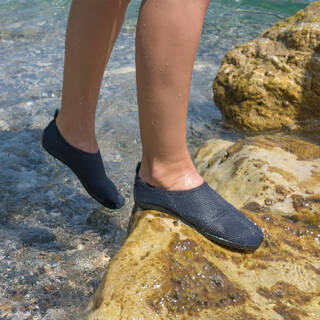
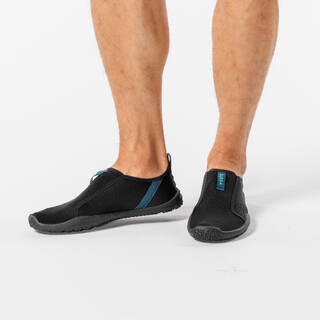
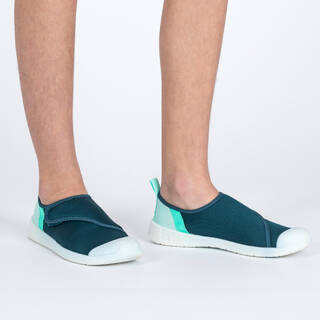
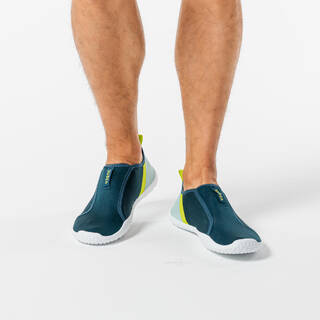
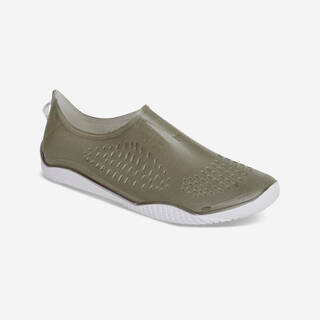
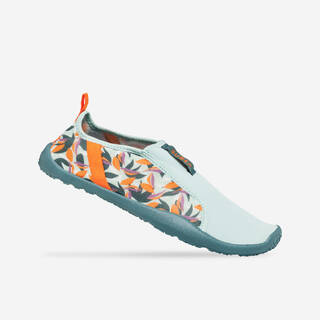
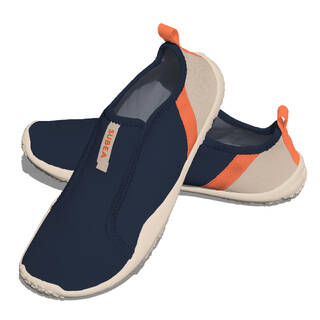
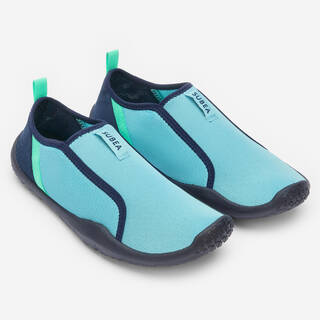
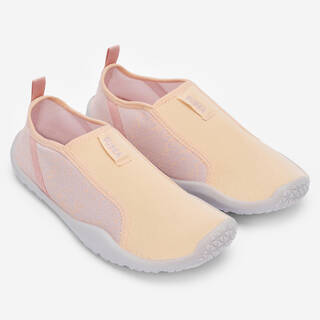

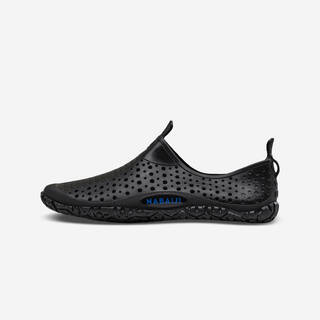
Quick-Dry Mesh and Neoprene Construction for Indian Coastal and River Conditions
Water shoes engineered for Indian aquatic environments demand materials that evacuate water instantly while protecting feet from sharp coral, rocky riverbeds, and hot beach sand. Decathlon's Subea and Nabaiji water shoes use open-mesh polyester uppers with 2mm to 3mm neoprene reinforcements at the toe box and heel counter. This combination allows water to drain through lateral perforations within seconds while maintaining structural integrity against abrasive surfaces. The mesh weave density sits between 80 and 100 GSM, light enough to prevent waterlogging yet tight enough to block sand particles from entering during beach volleyball or coastal trekking.
Neoprene panels serve dual functions. They cushion against impact when wading through rocky streams in the Western Ghats or navigating uneven riverbed stones in Rishikesh rapids. The closed-cell foam structure of neoprene also provides thermal insulation during early morning swims in cooler hill station lakes or high-altitude water crossings. Elastane content in the upper (typically 10 to 15 percent) ensures a snug, sock-like fit that stays secure during vigorous water sports without requiring constant readjustment. Flatlock stitching along seams prevents chafing during extended wear, critical for multi-hour kayaking sessions or beach clean-up drives where feet remain submerged intermittently.
Non-Marking Rubber Outsoles with Multi-Directional Lug Patterns for Wet Surface Traction
Wet surface traction separates functional water shoes from basic beach slippers. Decathlon water shoes feature non-marking rubber outsoles with lug depths ranging from 2mm to 4mm, arranged in hexagonal or chevron patterns. These geometries channel water away from the contact patch, maintaining friction on algae-covered rocks, wet boat decks, and submerged pool tiles. The rubber compound itself incorporates silica additives that enhance grip on slick surfaces without leaving scuff marks on yacht decks or indoor pool surrounds.
Lug orientation matters. Multidirectional patterns provide equal traction during forward propulsion (swimming pool entries), lateral movements (stand-up paddleboarding), and backward steps (exiting river currents). The outsole thickness typically measures 4mm to 6mm, balancing ground feel for navigating underwater obstacles with puncture resistance against sea urchin spines or broken shells. Flex grooves cut across the forefoot allow natural toe splay during amphibious transitions from water to sand, reducing fatigue during beach cricket matches or coastal trail runs where athletes alternate between wet and dry terrain every few hundred meters.
Adjustable Elastic Lacing and Hook-and-Loop Closures for Secure Foot Lockdown
Water shoes must stay attached during turbulent conditions. Elastic toggle lacing systems with cord-lock stoppers allow micro-adjustments without tying knots that loosen when wet. The elastic cord (typically 3mm diameter) runs through reinforced eyelets and cinches at the midfoot, preventing the shoe from sliding off during strong wave action or when feet swell slightly after prolonged immersion. Hook-and-loop (Velcro) straps at the ankle or instep provide secondary retention, wrapping around the foot's circumference to distribute pressure evenly.
This dual-closure approach addresses the challenge of variable foot volume. Feet expand in warm coastal waters and contract in cold mountain streams. Elastic systems accommodate this fluctuation automatically, maintaining consistent lockdown without manual re-tightening. The hook-and-loop material used in Decathlon water shoes resists salt and chlorine degradation, maintaining grip strength through 50-plus swim sessions or beach outings. Quick-release tabs allow single-handed removal, useful when transitioning from water activities to dry land or when assisting children in removing their footwear after swimming lessons.
Subea and Nabaiji Water Shoe Ranges for Snorkeling, Kayaking, and Beach Sports
Subea water shoes target snorkeling and scuba diving applications. Models in this range incorporate thicker neoprene (3mm to 5mm) at the sole for thermal protection when walking on cold boat decks or wading through tide pools. The toe cap extends higher to shield against fin strap friction during long snorkel sessions in the Andaman Islands or Lakshadweep atolls. Drainage ports position at the arch and heel, creating negative pressure zones that expel water with each step. These shoes pair with open-heel diving fins, fitting snugly enough to prevent sand intrusion but flexible enough to accommodate fin pockets.
Nabaiji water shoes prioritize pool and beach sports. Lighter mesh construction (under 100 grams per shoe) reduces drag during aqua aerobics or beach volleyball. The outsole pattern features smaller, denser lugs (1.5mm to 2mm) optimized for pool tile grip rather than rocky terrain. Chlorine-resistant polyester (600 denier) withstands daily pool exposure without color fading or fiber breakdown. These models often include antimicrobial treatments in the footbed to control odor during humid monsoon storage. The collapsed heel design allows them to function as slip-on sandals for quick poolside transitions, appealing to swimmers who train multiple sessions per day and need rapid on-off capability.
Sizing Considerations for Barefoot Fit and Sock Compatibility in Aquatic Footwear
Water shoes follow a barefoot fit philosophy. Most users size down by half compared to regular athletic shoes because the neoprene and mesh uppers stretch when wet, and excess space allows water pockets to form that create drag and blisters. A proper fit should feel snug across the midfoot with toes just touching the front interior when standing. During aquatic activity, the materials expand slightly (neoprene can stretch 15 to 20 percent when saturated), creating the ideal amount of room. Trying shoes on with dry feet and walking around for five minutes simulates the fit after initial water entry.
Some users prefer wearing thin neoprene socks (1mm to 1.5mm) for additional warmth during monsoon sea swims or early morning lake paddles. In these cases, sizing up by half accommodates the sock layer without compromising lockdown. The elastic lacing systems adjust to both scenarios, making the same shoe viable for barefoot summer use and socked winter sessions. Toe box width matters for Indian foot morphology, which often features broader forefeet. Decathlon water shoes incorporate a wider last (the foot-shaped mold) compared to European brands, reducing pinching during extended wear. Heel cup depth also affects fit. Shallow cups suit low-volume feet, while deeper counters secure high-arched feet during dynamic water sports.
Maintenance Protocols for Salt Water, Chlorine Exposure, and Monsoon Storage
Salt and chlorine degrade water shoe materials faster than UV exposure or abrasion. After each ocean swim or pool session, rinse shoes thoroughly under fresh running water for 60 seconds, ensuring water flushes through all drainage ports and mesh openings. This removes salt crystals that attract moisture and accelerate fabric breakdown. For chlorine exposure, a mild soap solution (pH-neutral) applied with a soft brush every five uses prevents chemical buildup in neoprene pores. Avoid hot water (above 40°C), which can delaminate glued seams and shrink neoprene panels.
Drying technique impacts longevity. Never place water shoes in direct sunlight for extended periods, as UV radiation degrades rubber compounds and fades colors. Instead, air-dry in a shaded, well-ventilated area with the tongue pulled open to expose interior surfaces. Stuffing shoes with newspaper accelerates moisture absorption from footbeds. During monsoon storage, avoid sealed plastic bags that trap humidity and encourage mold growth. Store in a mesh laundry bag or hang by the heel loop in a dry closet. Periodic inspections for loose stitching or worn lug edges allow timely repairs before small issues compromise performance. Shoes stored properly retain full functionality through 100-plus aquatic outings across multiple seasons.
FAQ (Frequently Asked Questions)
Q1. What is the difference between water shoes and regular sports sandals for beach activities?
Water shoes provide full foot enclosure with drainage mesh and secure lacing systems that prevent sand entry and stay attached during wave action. Regular sports sandals expose the foot to sharp shells and hot sand, and open straps allow debris intrusion. Water shoes also offer better toe protection against submerged rocks and superior grip on wet, algae-covered surfaces due to specialized rubber outsoles with multidirectional lug patterns.
Q2. Can I use the same water shoes for both swimming pool activities and rocky beach trekking?
Nabaiji water shoes optimized for pools feature thinner soles (4mm) and smaller lugs suited for tile grip, making them less protective on sharp rocks. Subea models with thicker neoprene (3mm to 5mm) and deeper lugs (3mm to 4mm) handle rocky terrain better but feel bulkier in pools. For users who frequently alternate between environments, mid-range models with 2mm to 3mm neoprene and moderate lug depth (2.5mm to 3mm) provide acceptable performance in both conditions.
Q3. How should water shoes fit compared to my regular running shoe size?
Size down by half compared to running shoes. Water shoes use a barefoot fit philosophy where neoprene and mesh stretch 15 to 20 percent when wet. A snug dry fit with toes just touching the front becomes ideal once submerged. If wearing 1mm to 1.5mm neoprene socks for cold water, size up by half instead to accommodate the additional layer without losing midfoot lockdown.
Q4. Do water shoes provide enough protection for walking on hot beach sand in summer?
Yes, the 4mm to 6mm rubber outsole thickness insulates feet from sand temperatures reaching 60°C during peak afternoon hours. Neoprene panels at the toe and heel add thermal barriers. However, prolonged standing (over 10 minutes) on extremely hot sand may still transfer heat. For maximum protection during beach sports tournaments, choose models with thicker soles (6mm) and full neoprene footbeds rather than minimal mesh-only constructions.
Q5. How do I prevent water shoes from developing odor during monsoon season?
Rinse shoes with fresh water after each use and air-dry completely in a ventilated area before storage. Antimicrobial footbed treatments in Nabaiji models help, but moisture trapped in neoprene during humid monsoons encourages bacterial growth. Store in mesh bags rather than sealed containers, and periodically spray interior surfaces with a 50:50 water and white vinegar solution. Avoid wearing the same pair on consecutive days to allow full drying between uses.
Q6. Are Subea water shoes suitable for river trekking in the Western Ghats during monsoon?
Yes, Subea models with 3mm to 5mm neoprene and 3mm to 4mm lug depth provide adequate protection and traction for monsoon river crossings. The closed-cell neoprene insulates against cold mountain streams, while multidirectional lug patterns grip moss-covered stones. Elastic toggle lacing maintains secure fit even when feet swell from prolonged immersion. For extended treks (over 5 kilometers), consider models with reinforced toe caps to withstand repeated impacts against submerged rocks.
Q7. Can children use adult water shoes if sized correctly, or do they need specific junior models?
Junior-specific models feature narrower heel cups, shallower toe boxes, and softer neoprene (2mm) suited to children's developing feet and lower body weight. Adult models sized down may have excess volume around the heel, causing blisters during active play. Junior versions also incorporate brighter colors and reflective elements for visibility during supervised beach or pool sessions. For children above 12 years with adult-sized feet, standard models work if the fit passes the snug midfoot and minimal toe-touch tests.
Q8. What maintenance is required after using water shoes in salt water versus chlorinated pools?
Salt water requires immediate freshwater rinsing to dissolve crystals that attract moisture and corrode metal eyelets. Chlorine exposure needs periodic mild soap cleaning (every five uses) to remove chemical residue from neoprene pores. Both environments demand air-drying in shade rather than direct sun. Salt water accelerates rubber degradation if not rinsed, while chlorine primarily affects color fastness and elastane stretch. Shoes used exclusively in pools typically last 20 percent longer than those used in ocean environments.
Q9. Do water shoes work with open-heel diving fins for snorkeling trips?
Subea water shoes with 3mm to 5mm neoprene soles fit into open-heel fin pockets, providing thermal protection and deck grip between snorkel sites. The toe cap should not extend too high, or it will interfere with fin strap positioning. Models designed for diving have lower-profile uppers and reinforced heel counters that withstand fin strap pressure. Pool-oriented Nabaiji shoes with thin mesh uppers lack the structural rigidity needed for fin compatibility and may tear under strap tension.
Q10. How long do water shoes typically last with regular use in Indian coastal conditions?
With proper maintenance (freshwater rinsing, shade drying, periodic soap cleaning), water shoes last 100 to 150 aquatic outings. Indian coastal conditions with high salt content, UV intensity, and abrasive sand accelerate wear compared to pool-only use. Outsole lug wear becomes noticeable after 80 sessions, reducing wet traction by 20 to 30 percent. Neoprene compression and mesh tears typically appear after 120 outings. Users who alternate between two pairs and follow maintenance protocols extend per-shoe lifespan to 18 to 24 months of seasonal use.