Women Winter jackets and parkas



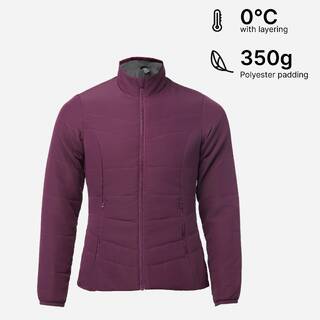
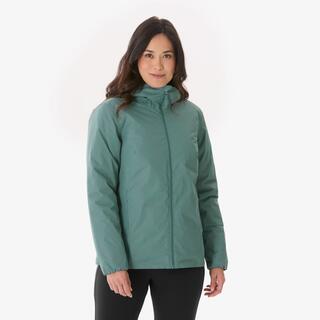
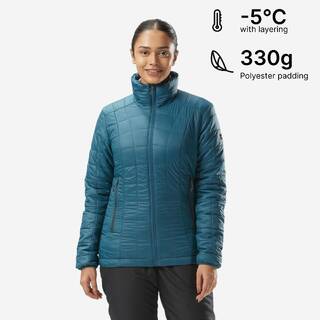


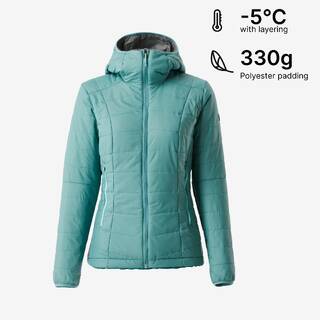
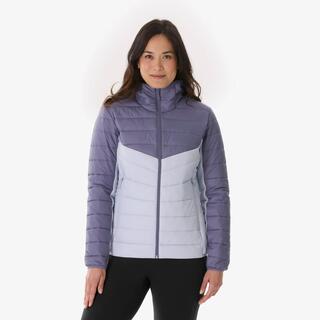

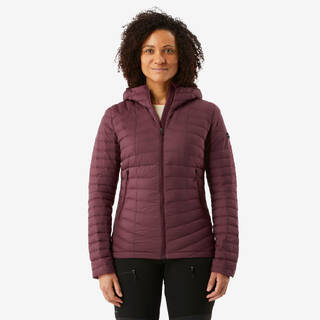
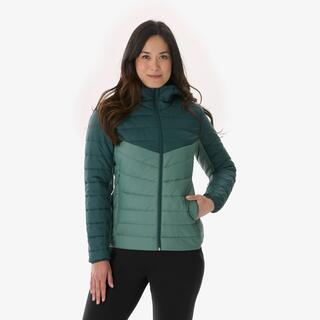
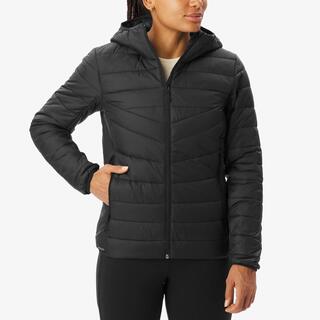
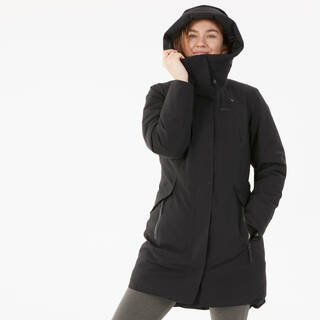
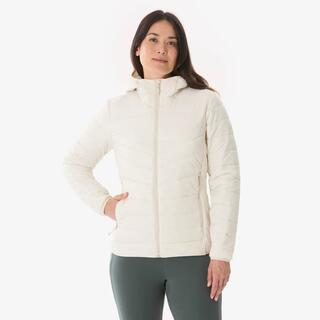


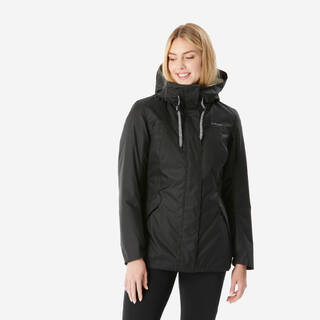

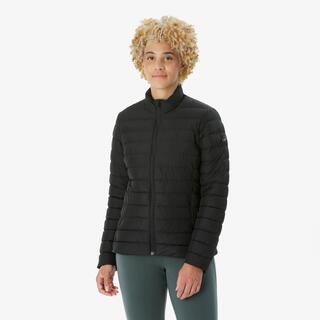
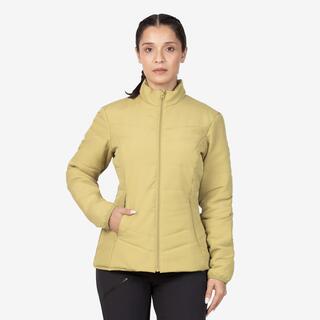
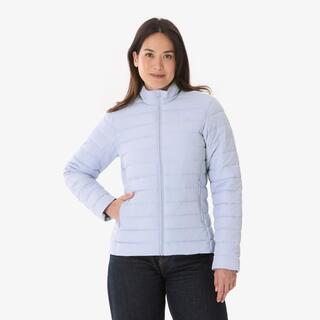

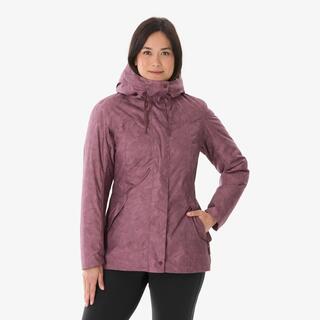
High-Loft Synthetic Insulation vs Down Fill: Choosing the Right Core Warmth Technology for Indian Winters
Women's winter jackets and parkas engineered for Indian mountain conditions rely on two primary insulation architectures: high-loft synthetic polyester fibers and natural down clusters. Synthetic insulation, typically constructed from continuous polyester filaments ranging from 80 to 200 GSM, retains thermal efficiency even when exposed to high-humidity Himalayan fog or unexpected monsoon drizzle. These fibers maintain loft structure after repeated compression cycles, making them ideal for trekkers who pack gear into 40-liter backpacks for multi-day expeditions across Himachal Pradesh or Uttarakhand trails.
Down-filled parkas use duck or goose down clusters measured by fill power ratings, commonly ranging from 550 to 800 fill power. Higher fill power indicates larger down clusters that trap more air per gram of insulation weight. A 650 fill power jacket with 120 grams of down delivers equivalent warmth to a 180 GSM synthetic jacket but compresses into a smaller pack volume. However, down loses insulating capacity when wet, requiring DWR (Durable Water Repellent) shell treatments rated to withstand 1,500mm hydrostatic head pressure or higher for Ladakh's dry cold versus Manali's damp chill.
Quechua winter jackets integrate both technologies through hybrid construction: synthetic insulation in high-moisture zones like underarms and lower back panels, with down fill concentrated in the torso core where compression is minimal. This zonal insulation mapping prevents cold bridging at seam lines while maintaining breathability during uphill ascents where metabolic heat output increases by 300 to 400 percent compared to flat terrain walking. For urban Delhi or Bangalore winter commutes, synthetic-fill jackets in the 100 to 140 GSM range provide sufficient warmth without overheating during metro station transitions or indoor office environments.
Shell Fabric Engineering: Ripstop Polyester Denier, DWR Coatings, and Wind Tunnel Stability Ratings
The outer shell fabric of a winter parka determines durability against abrasion, wind penetration resistance, and water shedding performance. Most Decathlon women's winter jackets use ripstop polyester woven in denier ratings from 20D (ultralight alpine shells) to 70D (heavy-duty expedition parkas). Ripstop weave construction integrates thicker reinforcement threads at 5mm to 8mm intervals, creating a grid pattern that arrests tear propagation when snagged on rocky outcrops or tree branches during forest trail navigation.
DWR coatings applied to shell fabrics cause water droplets to bead and roll off rather than saturating the weave. Factory-applied DWR treatments typically last 20 to 30 wash cycles before requiring reapplication with aftermarket spray treatments. For sustained rainfall exposure during Kashmir treks or Sikkim expeditions, jackets with polyurethane (PU) or polyvinyl chloride (PVC) laminate backings rated to 3,000mm to 10,000mm hydrostatic head provide waterproof protection. A 5,000mm rating withstands moderate rain for 4 to 6 hours, while 10,000mm ratings handle heavy downpours during multi-day Himalayan crossings.
Wind tunnel testing measures fabric resistance to air penetration, critical for high-altitude passes where wind speeds exceed 40 to 60 km/h. Tightly woven shells with thread counts above 200 threads per inch block wind effectively, but reduce breathability. Quechua parkas balance wind resistance with moisture vapor transmission rates (MVTR) of 5,000 to 10,000 grams per square meter per 24 hours, allowing perspiration vapor to escape during aerobic activity while blocking external wind chill. Adjustable hem drawcords, elasticated cuffs, and storm flaps over front zippers create mechanical wind barriers that complement fabric performance.
Anatomical Fit Profiles: Articulated Sleeves, Drop-Tail Hems, and Layering Clearance for Base and Mid Layers
Women's winter jackets require precise fit engineering to accommodate layering systems without restricting shoulder mobility or creating pressure points. Articulated sleeve patterns use curved seam lines that match the natural forward bend of arms during trekking pole use or ice axe swings. This pre-curved construction, typically adding 15 to 20 degrees of forward bias to sleeve angle, eliminates fabric bunching at the elbow and reduces shoulder strain during 8 to 10 hour trekking days.
Drop-tail hem designs extend the rear hem length by 5 to 8 centimeters compared to the front hem, providing lower back coverage when wearing a loaded backpack or bending forward during steep ascents. This asymmetric cut prevents cold air infiltration at the waist-hip junction where base layers often ride up during dynamic movement. Quechua parkas designed for alpine mountaineering incorporate drop-tail hems that extend to mid-thigh length, offering additional protection during seated belays or bivouac setups in exposed high-altitude camps.
Layering clearance determines whether a jacket accommodates thermal base layers (140 to 180 GSM merino wool or synthetic blends) plus a mid-layer fleece (200 to 300 GSM) without compressing insulation loft. Jackets sized for layering systems add 8 to 12 centimeters to chest circumference and 4 to 6 centimeters to sleeve length compared to standalone shell sizing. Forclaz expedition parkas include adjustable internal drawcords at the waist that cinch over bulky mid-layers, preventing heat loss through convective air circulation while maintaining freedom of movement during technical climbing or scrambling sections.
Hood Architecture and Collar Systems: Wire-Reinforced Peaks, Fleece Chin Guards, and Helmet Compatibility
Hood design critically impacts peripheral vision, weather protection, and compatibility with climbing helmets or beanies. Wire-reinforced hood peaks use semi-rigid polyethylene or spring steel inserts that maintain a forward projection of 8 to 12 centimeters, shielding the face from driving rain or snow while preserving downward sightlines for foot placement on technical terrain. These peaks retain shape after repeated stuffing into pack compartments, unlike unstructured hoods that collapse against the forehead during windy conditions.
Fleece-lined chin guards and collar systems prevent zipper hardware from contacting bare skin during full-zip closure. Soft-brushed polyester fleece with pile heights of 2 to 3 millimeters creates a thermal buffer zone at the neck, reducing heat loss through the carotid artery region where blood flow near the skin surface causes rapid core temperature drops. Quechua winter jackets integrate chin guards that extend 6 to 8 centimeters above the zipper terminus, fully enclosing the lower face during blizzard conditions or high-speed descents where wind chill amplifies perceived cold.
Helmet-compatible hoods expand to accommodate climbing helmets with circumferences up to 62 centimeters, secured via rear elastic drawcords and side adjustment tabs. This expanded volume, typically 15 to 20 percent larger than standard hoods, prevents the hood from pulling backward off the head when turning to check rope systems or assess route conditions. For non-technical winter use in urban environments or low-altitude hill stations, standard hoods with single rear drawcord adjustment provide adequate coverage over wool beanies or fleece headbands without excess fabric bulk.
Pocket Configuration and Cargo Management: Internal Security Pockets, Handwarmer Placement, and Pack-Compatible Access
Functional pocket systems in winter parkas balance cargo capacity with pack waist belt compatibility and hand warming utility. Handwarmer pockets positioned 8 to 12 centimeters below the natural hand rest position allow comfortable access while wearing a loaded backpack with a hip belt. These pockets typically feature fleece linings in 150 to 200 GSM weights that provide passive hand warming without requiring chemical heat packs or battery-powered heating elements.
Internal security pockets with water-resistant zippers protect smartphones, GPS devices, and documents from moisture infiltration during stream crossings or unexpected weather changes. Positioned at chest height on the inner left panel, these pockets keep electronics close to body heat, preventing lithium-ion battery performance degradation that occurs when devices drop below 10 degrees Celsius. Quechua expedition parkas include internal mesh pockets sized for 1-liter water bottles, allowing hydration access without removing the pack or exposing bottles to freezing temperatures that cause hydration tube blockages.
External cargo pockets with storm flaps and dual-slider zippers enable access while wearing climbing harnesses or backpack hip belts. Napoleon chest pockets, positioned above the waist belt line, remain accessible when pack straps compress lower torso pockets. Forclaz mountaineering jackets integrate sleeve pockets on the left forearm for quick-access items like energy gels, sunscreen, or lip balm, eliminating the need to remove gloves or open main body pockets during active climbing or skiing phases.
Packability and Compression: Stuff Sack Integration, Loft Recovery Cycles, and Multi-Season Storage Protocols
Packability metrics determine whether a winter jacket functions as an emergency layer in a summit pack or requires dedicated storage as a base camp garment. Lightweight synthetic-fill jackets in the 80 to 120 GSM range compress into integrated stuff sacks measuring 20 by 30 centimeters, occupying approximately 4 to 5 liters of pack volume. Down-filled parkas with 650+ fill power compress to 60 to 70 percent of synthetic equivalent volumes, making them preferable for multi-day treks where pack weight and volume directly impact fatigue accumulation over 15 to 20 kilometer daily distances.
Loft recovery describes insulation's ability to regain full thickness after compression. High-quality synthetic insulation recovers 90 to 95 percent of original loft within 30 minutes of unpacking, while lower-grade polyester batting may permanently lose 10 to 15 percent loft after 20 to 30 compression cycles. Down insulation typically recovers full loft within 2 to 4 hours when hung in dry conditions, but requires periodic tumble drying with tennis balls to break up clumped clusters that form during long-term storage or humid conditions.
Off-season storage protocols significantly impact insulation longevity. Jackets stored in compressed stuff sacks for more than 2 to 3 months experience permanent loft degradation as polyester fibers develop compression set or down clusters lose elasticity. Quechua recommends storing winter jackets on wide hangers in cool, dry spaces with relative humidity below 60 percent, allowing insulation to maintain full loft between seasons. For expedition-grade parkas used infrequently, storage in large mesh bags that permit air circulation while preventing dust accumulation extends usable lifespan to 8 to 10 years with proper care protocols.
FAQ (Frequently Asked Questions)
Q1. What is the difference between down and synthetic insulation?
Down insulation is made from the soft, fluffy undercoating of waterfowl, providing exceptional warmth and compressibility. Synthetic insulation, on the other hand, is made from polyester or other synthetic fibers designed to mimic the loft and warmth of down. While down is generally more lightweight and compressible, synthetic insulation performs better in wet conditions and is a great option for those with allergies or ethical concerns.
Q2. How do I determine the right insulation level for my winter jacket?
The insulation level you need depends on the typical weather conditions and activities you'll be engaging in. For mild winter conditions or light activity, a lightly insulated jacket may suffice. For colder temperatures or outdoor activities, a heavily insulated jacket with a higher warmth rating is recommended. Consider the expected temperature range, wind chill, and your personal tolerance to cold when selecting the insulation level.
Q3. What is the difference between waterproof and water-resistant jackets?
Waterproof jackets are designed to completely block water from penetrating the fabric, keeping you dry in heavy rain or snow. They typically feature a waterproof membrane or coating and sealed seams. Water-resistant jackets, on the other hand, offer limited protection against light rain or moisture but may eventually become saturated in prolonged exposure to wet conditions.
Q4. How do I ensure a proper fit for my winter jacket?
A properly fitting winter jacket should allow for layering underneath while still providing a snug, comfortable fit. The jacket should not be too tight, as this can restrict movement and reduce insulation efficiency. Look for jackets with adjustable features like drawcords, cuffs, and hoods to customize the fit. It's also a good idea to try on jackets with the layers you plan to wear underneath.
Q5. Can I machine wash my winter jacket?
Many winter jackets are machine washable, but it's essential to follow the manufacturer's care instructions carefully. Down and synthetic insulation require special care to maintain their loft and insulating properties. In general, it's recommended to use a gentle cycle with mild detergent and avoid fabric softeners, which can compromise the jacket's water-repellent finish. Always check the care label for specific instructions.
Q6. How do I restore the water-repellent finish on my winter jacket?
Over time, the water-repellent finish on winter jackets can wear off, causing the fabric to absorb moisture more easily. To restore the water-repellent finish, you can use a waterproofing spray or wash-in treatment designed specifically for outdoor apparel. Follow the product instructions carefully and reapply the treatment as needed to maintain optimal water resistance.
Q7. What are some eco-friendly and ethical options in Decathlon's winter jacket collection?
At Decathlon, we offer a range of eco-friendly and ethically produced winter jackets. Many of our jackets are made from recycled materials, such as recycled polyester or down sourced from responsible suppliers. We also prioritize fair labor practices and work closely with our suppliers to ensure our products are manufactured under ethical conditions. Look for jackets with eco-friendly certifications or labels to make a more sustainable choice.
Q8. How do I properly store my winter jacket during the off-season?
Proper storage is crucial to maintaining the insulation and overall condition of your winter jacket. Store your jacket in a breathable garment bag or stuff sack to prevent compression and maintain the loft of the insulation. Avoid storing the jacket in plastic bags or airtight containers, as this can cause moisture buildup and potential mildew growth. Additionally, ensure the jacket is clean and dry before storing it.
Q9. Can I use my winter jacket for outdoor activities like hiking or skiing?
Absolutely! Many of our winter jackets are designed with outdoor activities in mind. Look for jackets with features like breathable fabrics, stretch panels, and articulated designs for unrestricted movement. Waterproof and windproof jackets are ideal for activities like hiking, skiing, or snowboarding, providing protection against the elements while allowing for optimal mobility.
Q10. What GSM insulation weight do I need for Shimla or Manali winter conditions versus Ladakh high-altitude cold?
For Shimla or Manali where temperatures range from 0 to 10 degrees Celsius with moderate humidity, synthetic jackets in the 120 to 160 GSM range or 550 to 650 fill power down parkas provide adequate warmth. Ladakh's dry cold dropping to minus 15 to minus 25 degrees Celsius requires 180 to 220 GSM synthetic insulation or 700 to 800 fill power down with windproof shells rated above 5,000mm hydrostatic head. Layer a 200 GSM fleece mid-layer under either jacket type for extreme cold camps above 4,500 meters elevation.
Q11. How do I maintain DWR water repellency after multiple washes during monsoon trekking seasons?
DWR coatings degrade after 20 to 30 wash cycles or when exposed to dirt and body oils that clog fabric pores. Restore water repellency by washing the jacket in technical gear detergent without fabric softeners, then tumble drying on medium heat for 20 minutes to reactivate existing DWR. If water no longer beads on the surface, apply spray-on or wash-in DWR treatment following manufacturer instructions, typically requiring 24 hours curing time before the next use.
Q12. Can I use a winter parka for both Himalayan treks and daily Delhi winter commutes without overheating?
Expedition-weight parkas with 180+ GSM insulation cause overheating during low-intensity urban activities where ambient temperatures stay above 5 degrees Celsius. Choose a versatile synthetic jacket in the 100 to 140 GSM range with pit zip vents for temperature regulation. Pit zips allow rapid heat dumping during metro commutes or market walks, while full-zip closure provides warmth during early morning or late evening outdoor exposure in urban winter conditions.
Q13. What is the difference between Quechua and Forclaz winter jackets for women?
Quechua winter jackets target recreational hikers and casual mountain users with balanced insulation (100 to 160 GSM), standard waterproof ratings (3,000 to 5,000mm), and comfort-focused fits suitable for day hikes or weekend camping trips. Forclaz parkas serve technical mountaineers and expedition trekkers with higher insulation weights (160 to 220 GSM), advanced waterproof-breathable membranes (8,000 to 10,000mm), helmet-compatible hoods, and reinforced high-wear zones for multi-day alpine routes and high-altitude camps above 4,000 meters.
Q14. How do I choose between a hip-length jacket and a thigh-length parka for winter trekking?
Hip-length jackets ending at the waist-hip junction offer better mobility for technical climbing, scrambling, or activities requiring high leg lift like steep ascents or boulder hopping. Thigh-length parkas provide superior core warmth and protection during static activities like belaying, photography stops, or camp setups in exposed windy conditions. For general Himalayan trekking mixing movement and rest periods, mid-thigh length parkas balance coverage and mobility without interfering with backpack hip belts or harness leg loops.
Q15. Will synthetic insulation or down perform better during unexpected rain in Himachal Pradesh or Uttarakhand?
Synthetic polyester insulation retains 80 to 90 percent of thermal efficiency when wet, making it superior for regions with unpredictable rainfall or high humidity like monsoon-season treks. Down insulation loses 60 to 70 percent of warmth when saturated and requires 8 to 12 hours to dry in field conditions. For treks during September to November or March to May when afternoon showers occur frequently, choose synthetic-fill jackets or down parkas with waterproof shells rated above 5,000mm hydrostatic head and fully taped seams.
Q16. What size should I order if I plan to layer a 200 GSM fleece and a base layer underneath?
Order one size larger than your standard jacket size to accommodate layering systems without compressing insulation loft. A size medium jacket designed for standalone wear becomes restrictive when layering a 200 GSM fleece plus a 160 GSM base layer, reducing shoulder mobility and creating pressure points at the armpit and elbow. Check product specifications for chest circumference measurements and ensure 10 to 12 centimeters of additional room compared to your fleece chest measurement for unrestricted movement during active trekking.
Q17. How long does a Quechua winter jacket maintain insulation performance with regular use?
With proper care including storage on hangers rather than compressed in stuff sacks and washing only when visibly soiled (typically 3 to 5 times per season), Quechua synthetic jackets maintain 85 to 90 percent of original insulation performance for 4 to 6 years of regular use. Down-filled parkas last 6 to 8 years with similar care plus annual tumble drying to restore loft. Insulation degradation accelerates with prolonged compression, exposure to campfire smoke or cooking oils, and storage in damp conditions where mildew breaks down fibers.
Q18. Do women's winter jackets have different insulation distribution compared to unisex or men's models?
Women-specific winter jackets feature enhanced insulation in the torso core and reduced insulation in the sleeves to match female thermoregulation patterns where core heat retention is prioritized over extremity warmth. Sleeve lengths are proportionally shorter, shoulder widths narrower by 4 to 6 centimeters, and hip sections slightly wider to accommodate anatomical differences. Quechua women's parkas also position handwarmer pockets 2 to 3 centimeters higher to align with shorter torso lengths, improving ergonomic access during active use.
Q19. Can I repair small tears in the shell fabric or should I replace the entire jacket?
Small punctures or tears up to 2 centimeters can be field-repaired using adhesive ripstop repair patches that restore waterproofing and prevent tear propagation. Clean the damaged area with isopropyl alcohol, apply the patch with firm pressure, and allow 24 hours curing time before use. For tears along seam lines or damage exceeding 3 centimeters, professional repair services can install fabric patches and re-seal seams. Replace jackets only when insulation compression becomes permanent, DWR treatments no longer restore, or multiple repairs compromise structural integrity.