Badminton Racket Covers & Bags



Perfly Badminton Racket Covers: Engineered Protection Against Impact and Thermal Stress
Perfly racket covers are built around high-density EVA foam padding that absorbs shock loads during transport. The foam core measures 8 to 12mm thick, forming a protective shell that cushions graphite frames from lateral impacts and compression forces when stacked in car boots or gym lockers. This padding density is critical for Indian players who commute on two-wheelers or public transport, where rackets face repeated vibration and sudden jolts.
Thermal insulation is equally vital. Indian summer temperatures inside closed vehicles can exceed 60°C, softening factory-applied string tension and degrading synthetic gut elasticity. Perfly covers use reflective polyester outer shells (150 to 180 denier) with aluminium-coated linings that deflect radiant heat. This construction keeps internal temperatures 10 to 15°C lower than ambient cabin heat, preserving string bed tension and preventing frame warping in high-modulus graphite rackets.
Moisture management is integrated through micro-perforated ventilation panels positioned along the spine and toe sections. These perforations allow post-match sweat vapour to escape while blocking dust ingress during monsoon humidity. The result is a dry storage environment that prevents grip slippage and bacterial growth on synthetic leather handles, particularly important for players training in non-air-conditioned indoor courts across tier-2 and tier-3 cities.
Single Racket Sleeves vs Multi-Racket Bags: Matching Storage Capacity to Training Volume
Single racket sleeves are designed for recreational players who train once or twice weekly. These sleeves measure 68 to 70cm in length, accommodating standard 675mm racket frames with a 5cm buffer for string cone clearance. The slim profile (8 to 10cm width) fits inside backpack side pockets or hangs from carabiner loops, ideal for players commuting on scooters or metro trains where bulky gear creates handling issues.
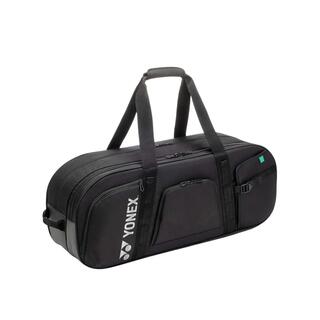
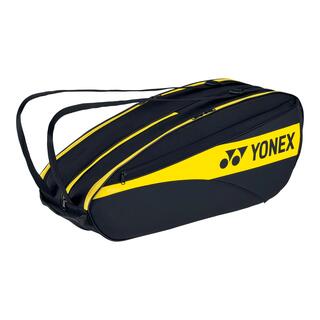
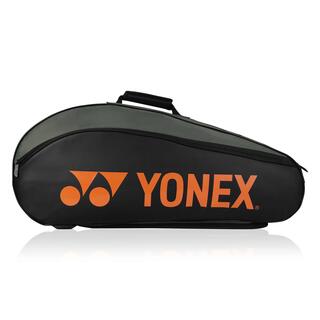
Three-racket bags introduce compartmentalised storage with divider panels that prevent frame-on-frame contact. Each compartment is lined with soft tricot fabric that protects glossy paint finishes from scratching. These bags also feature external accessory pockets sized for shuttlecock tubes (standard 77mm diameter), grip rolls, and sweatbands. The shoulder strap attachment points use reinforced bar-tack stitching rated for 15kg loads, distributing weight across the shoulder girdle during long walks from parking areas to indoor courts.
Six-racket tournament bags are built for advanced players and coaches managing multiple rackets with varied string tensions. These bags measure 75 to 78cm in length and 25 to 30cm in width, with rigid base panels constructed from 3mm polypropylene sheets. This rigidity prevents bottom-loaded rackets from flexing under the weight of upper layers. Separate shoe compartments with ventilation mesh isolate court footwear from racket storage, preventing odour transfer and maintaining a hygienic gear environment during multi-day tournaments.
Material Engineering: Ripstop Polyester, YKK Zippers, and Load-Bearing Webbing
Ripstop polyester fabric (150D to 210D) forms the structural backbone of Perfly racket bags. The ripstop weave integrates reinforcement threads at 5 to 8mm intervals, creating a grid pattern that halts tear propagation if the fabric snags on sharp edges. This is crucial for Indian players navigating crowded courts with exposed metal benches and concrete flooring. The polyester is treated with a durable water repellent (DWR) coating that causes water droplets to bead and roll off, protecting gear during sudden monsoon downpours when walking between parked vehicles and court entrances.
YKK zippers are specified across all Perfly bags, featuring self-lubricating polyacetal resin teeth that resist jamming from dust and grit. The zipper sliders use locking mechanisms that prevent accidental opening when bags are inverted or tossed into overhead storage racks. Zipper tape is stitched with chain-stitch construction (12 to 14 stitches per inch), distributing tensile loads along the seam rather than concentrating stress at single stitch points. This stitching method extends zipper lifespan to 5,000+ open/close cycles, matching the durability expectations of players training 4 to 5 times weekly.
Load-bearing webbing on shoulder straps is woven from 25mm-wide polypropylene threads with a tensile strength exceeding 200kg. The webbing is doubled and box-stitched at attachment points, creating a four-layer reinforcement zone that prevents tearing under sudden weight shifts. Shoulder pads use 10mm-thick open-cell foam with a 30 to 40 Shore A durometer rating, soft enough to compress against the shoulder but firm enough to distribute pressure across a 10cm contact patch. This reduces localised pressure points that cause discomfort during 15 to 20-minute walks from residential colonies to nearby sports complexes.
Thermal Racket Bags: Foil Insulation and Expanded Polystyrene Core Technology
Thermal racket bags integrate a three-layer insulation system: an outer polyester shell, a middle layer of 5mm expanded polystyrene (EPS) foam, and an inner aluminium foil lining. The EPS foam has a closed-cell structure with air pockets that trap heat transfer, while the foil reflects up to 90% of infrared radiation. This combination is engineered for players storing rackets in parked cars during midday summer sessions, where dashboard temperatures can reach 70°C and radiate heat into adjacent storage areas.
The insulation system maintains internal bag temperatures within a 25 to 30°C range even when external ambient temperatures exceed 45°C. This thermal stability is critical for preserving synthetic gut string tension, which can drop by 2 to 3 pounds per square inch (psi) when exposed to prolonged heat above 50°C. For advanced players using high-tension setups (26 to 30 lbs), this temperature control prevents the need for frequent re-stringing and maintains consistent shuttle repulsion characteristics across training sessions.
Thermal bags also feature heat-sealed seams rather than traditional stitching along the insulation layer. Heat sealing eliminates needle punctures that create thermal bridges, points where external heat can bypass the insulation and penetrate the interior. The sealed construction is tested to maintain thermal integrity after 200+ compression cycles, simulating repeated packing and unpacking over a full competitive season. This durability standard ensures that insulation performance does not degrade after six months of regular use.
Backpack-Style Racket Bags: Ergonomic Load Distribution for Multi-Modal Commutes
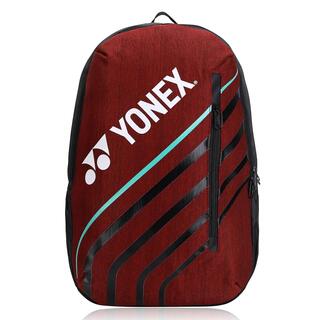
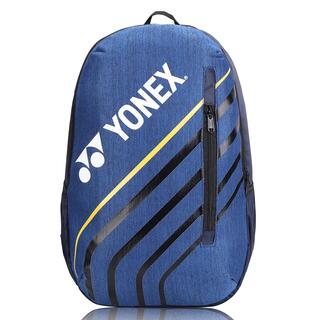
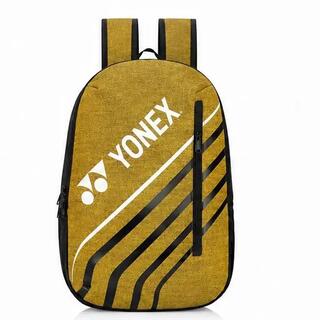
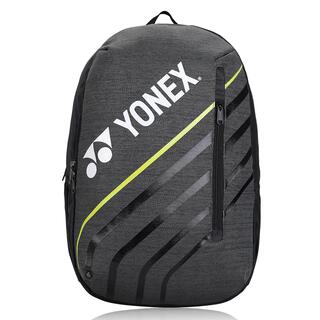
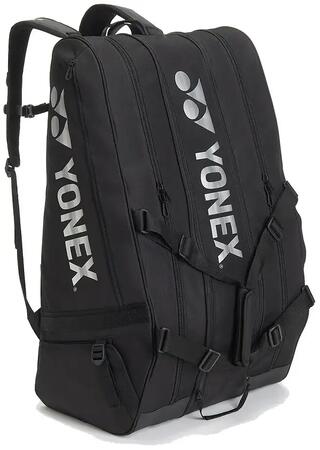
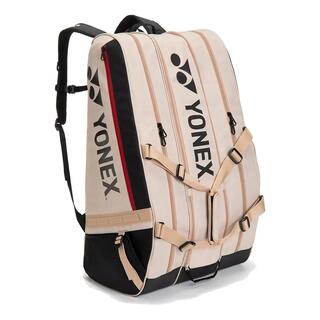
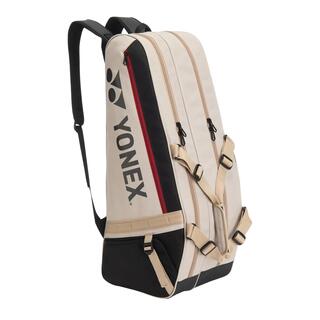
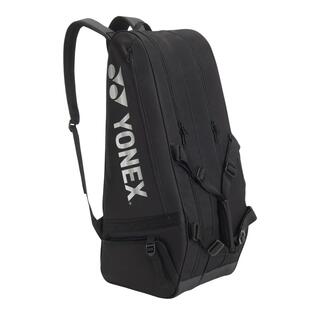
Backpack-style racket bags shift weight distribution from a single shoulder to both shoulders and the lumbar spine, reducing asymmetric loading that causes postural fatigue. The dual-strap system uses S-curved shoulder pads that follow the natural contour of the trapezius muscle, spreading load across a 12 to 15cm contact area. This design is particularly beneficial for players commuting on bicycles or walking up stairwells in apartment complexes, where hands-free carrying is essential for safety and balance.
The back panel is constructed with air-mesh fabric stretched over a 10mm EVA foam pad, creating ventilation channels that allow airflow between the bag and the wearer's back. These channels reduce sweat accumulation during hot-weather commutes, preventing the damp-back discomfort common with solid-back bags. The mesh is treated with antimicrobial silver ion coating that inhibits bacterial growth, maintaining freshness even after weeks of daily use in humid coastal cities like Mumbai or Chennai.
Load stabilisation is achieved through a sternum strap and waist belt system. The sternum strap connects the two shoulder straps across the chest, preventing them from sliding off the shoulders during rapid movements like running to catch a bus. The waist belt transfers 30 to 40% of the bag's weight to the hip girdle, reducing shoulder and neck strain. Both straps use quick-release buckles with a 50kg breaking strength, allowing rapid removal in crowded metro trains or when entering court facilities with strict bag-check protocols.
Accessory Organisation: Internal Pockets, Elastic Loops, and Shoe Compartment Ventilation
Internal organisation systems in Perfly bags include zippered mesh pockets sized for small accessories like grip powder tins (50mm diameter), wristbands, and spare grommets. The mesh construction allows visual identification of contents without opening the pocket, speeding up pre-match preparation. Elastic loops sewn into the main compartment secure grip rolls and prevent them from unraveling during transport, keeping adhesive surfaces clean and ready for immediate application.
Shoe compartments are isolated from the main racket storage area through a full-height divider panel with ventilation grommets. These grommets (8 to 10mm diameter) are spaced at 50mm intervals along the divider, promoting airflow that expels moisture from post-match footwear. The compartment floor uses a perforated EVA mat that elevates shoes 10mm above the base, allowing air circulation underneath and preventing mildew formation on rubber outsoles. This ventilation is critical in India's monsoon season, when court shoes can remain damp for 12 to 18 hours after indoor play.
External bottle pockets are designed with elastic top bands that secure 750ml water bottles during movement. The pockets use a tapered design (90mm top diameter narrowing to 70mm base), creating a friction fit that prevents bottles from ejecting during rapid acceleration or sudden stops on two-wheelers. The pocket fabric is laminated with a waterproof polyurethane coating on the interior, containing any leakage from improperly sealed bottle caps and protecting racket compartments from moisture ingress.
FAQ (Frequently Asked Questions)
Q1. Why do I need a specialized badminton bag instead of a regular gym bag?
Specialized badminton bags are specifically shaped to accommodate the length and shape of badminton rackets without bending or straining the shafts. They also feature customized compartments, such as thermal linings for string protection and isolated shoe pockets, which regular duffel bags lack.
Q2. What is the purpose of a thermal-lined compartment?
Thermal-lined compartments (often featuring a silver foil-like interior) insulate your rackets against extreme temperature changes. Heat can cause racket strings to lose tension rapidly or become brittle, so thermal protection is crucial if you leave your bag in a hot car or play in varying climates.
Q3. Can I fit my badminton shoes in a badminton backpack?
Many specialized badminton backpacks feature a separate bottom or front compartment specifically designed for shoes. However, space can be tight depending on the model, so if you have larger shoes or carry thick towels, a larger kitbag might be a more comfortable option.
Q4. What do sizes like "3-racket" or "6-racket" bag mean?
These size descriptors indicate the maximum capacity of the bag if it were filled entirely with rackets. In practice, a "6-racket" bag usually holds 2-3 rackets in one compartment, leaving the other compartment completely free for your clothes, shoes, shuttlecocks, and water bottles.
Q5. Are racket covers necessary if I already have a kitbag?
If your kitbag has a dedicated, padded, or thermal-lined racket compartment, individual soft covers are usually unnecessary and can take up extra bulk. However, if you are putting your racket into a general-use backpack, a single cover is highly recommended to protect the frame and strings.
Q6. Can I use these bags for tennis or squash rackets?
While some larger kitbags can physically fit tennis or squash rackets, badminton bags are generally slimmer and tailored for the specific dimensions and lightweight nature of badminton gear. Tennis rackets have much wider heads and thicker frames, which may stretch or damage the zippers of bags specifically designed for badminton
Q7. How do I keep my badminton bag from smelling bad?
The best way to prevent odors is to never leave sweaty clothes, wet towels, or damp shoes in the bag overnight. Empty the bag after every session, leave the zippers open to allow airflow, and consider using deodorizing inserts or pouches in the shoe compartment
Q8. What is the difference between a single racket cover and a full racket bag for badminton?
A single racket cover is a slim sleeve with 8 to 12mm foam padding, designed to protect one racket during short commutes or storage in backpacks. A full racket bag holds three to six rackets in separate compartments, includes external pockets for shuttlecocks and accessories, and features reinforced shoulder straps for carrying heavier loads. Full bags also offer shoe compartments and thermal insulation options not available in basic sleeves.
Q9. How does thermal insulation in racket bags protect strings from Indian summer heat?
Thermal bags use a three-layer system with expanded polystyrene foam and aluminium foil lining that reflects up to 90% of infrared radiation. This keeps internal temperatures 10 to 15°C lower than ambient heat, preventing synthetic gut strings from losing 2 to 3 psi of tension when bags are stored in hot cars. The insulation maintains string bed consistency and reduces the need for frequent re-stringing during summer months.
Q10. Can a three-racket bag fit shuttlecock tubes and grip accessories?
Yes, three-racket bags include external zippered pockets sized for standard 77mm diameter shuttlecock tubes and internal elastic loops that secure grip rolls. These pockets keep accessories organised and prevent them from shifting during transport. Some models also feature mesh dividers inside the main compartment to separate small items like wristbands and grip powder tins from racket storage areas.
Q11. What material specifications should I look for in a durable badminton racket bag?
Look for ripstop polyester fabric rated at 150D to 210D with reinforcement threads at 5 to 8mm intervals to prevent tear propagation. YKK zippers with polyacetal resin teeth resist jamming from dust, while load-bearing webbing should have a tensile strength exceeding 200kg. Shoulder straps need 10mm-thick foam padding and box-stitch reinforcement at attachment points for long-term durability under daily use.
Q12. How do backpack-style racket bags reduce shoulder strain during commutes?
Backpack-style bags distribute weight across both shoulders and the lumbar spine using S-curved shoulder pads that spread load over a 12 to 15cm contact area. A sternum strap prevents shoulder slippage, while an optional waist belt transfers 30 to 40% of the weight to the hip girdle. This dual-strap system reduces asymmetric loading and postural fatigue during long walks or bicycle commutes to courts.
Q13. Do racket bags have ventilation to prevent moisture buildup after matches?
Yes, quality racket bags feature micro-perforated ventilation panels along the spine and separate shoe compartments with ventilation grommets spaced at 50mm intervals. These design elements allow post-match sweat vapour to escape while blocking dust ingress. Shoe compartments also use perforated EVA mats that elevate footwear 10mm above the base, promoting airflow and preventing mildew during monsoon humidity.
Q14. What is the ideal racket bag size for tournament players carrying multiple rackets?
Tournament players should choose six-racket bags measuring 75 to 78cm in length and 25 to 30cm in width. These bags feature rigid 3mm polypropylene base panels that prevent bottom-loaded rackets from flexing under upper layer weight. Compartmentalised dividers lined with tricot fabric protect glossy finishes, while reinforced shoulder straps rated for 15kg loads handle the weight of multiple rackets, shoes, and accessories during all-day events.
Q15. How does ripstop polyester fabric protect racket bags from tears and snags?
Ripstop polyester integrates reinforcement threads at 5 to 8mm intervals, creating a grid pattern that halts tear propagation if the fabric catches on sharp edges like metal benches or concrete corners. The crosshatch weave distributes stress across multiple threads rather than a single point. This construction is treated with durable water repellent coating that causes monsoon rain to bead off, protecting gear during outdoor commutes between parking areas and court entrances.
Q16. Are Perfly racket bags suitable for carrying on two-wheelers in Indian traffic?
Yes, Perfly bags are designed for two-wheeler commutes with slim profiles that do not interfere with rider balance and reinforced stitching that withstands vibration and jolts. Backpack-style models offer hands-free carrying essential for safe motorcycle operation, while single racket sleeves fit inside scooter under-seat storage. The high-density EVA foam padding absorbs shock loads from road bumps, protecting graphite frames during daily urban commutes.
Q17. What maintenance is required to extend the lifespan of a badminton racket bag?
Wipe down the exterior polyester shell with a damp cloth after each use to remove dust and sweat residue. Allow shoe compartments to air dry fully before closing zippers to prevent mildew growth on ventilation mesh. Inspect YKK zipper teeth for debris and clean with a soft brush if jamming occurs. Store bags in a cool, dry place away from direct sunlight to prevent UV degradation of webbing and foam padding over time.