Badminton Grips


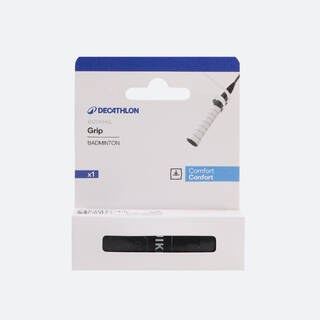
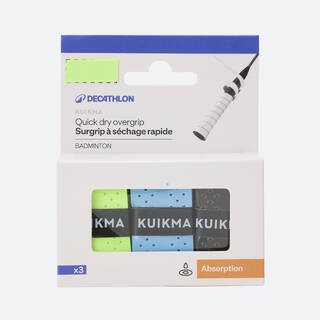
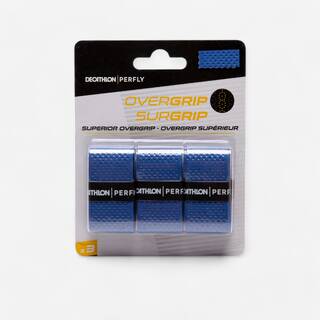
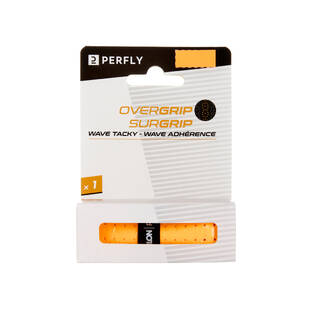
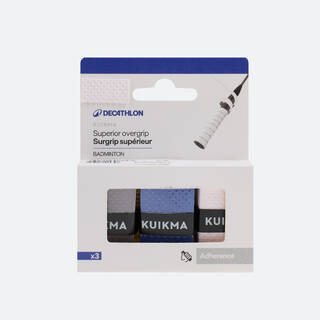
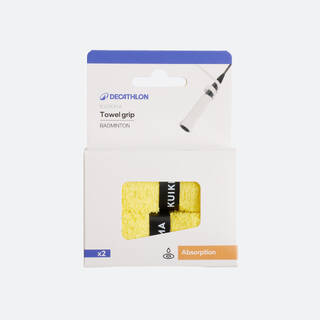
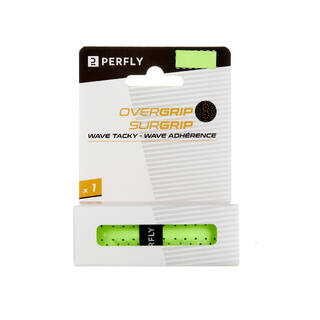
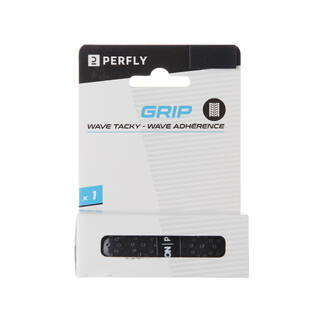
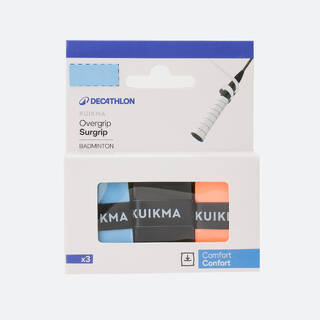
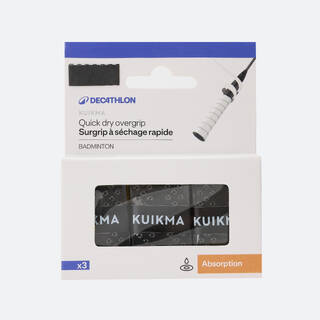
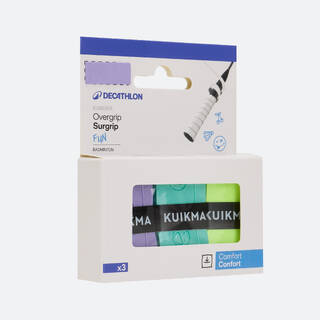
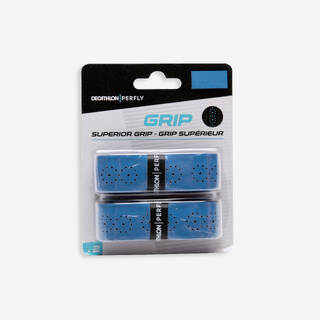
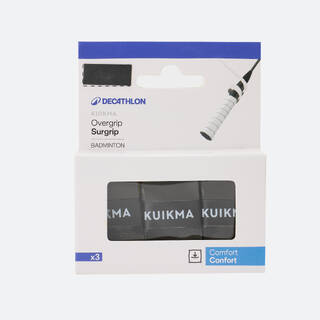
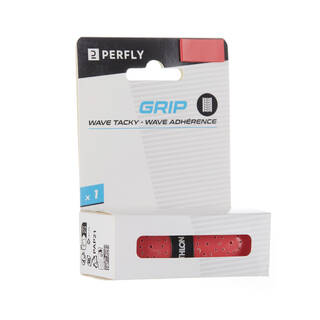
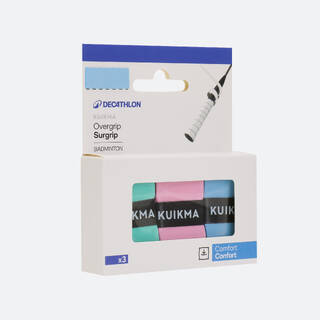
Perfly Badminton Grips: Engineered for High-Humidity Sweat Control and Precision Racket Handling
Badminton grips serve as the critical interface between your palm and the racket handle, directly influencing shot precision, wrist torque transfer, and fatigue management during extended rallies. Perfly badminton grips are engineered with polyurethane (PU) and synthetic elastomer compounds that deliver superior moisture absorption in India's high-humidity coastal and monsoon climates. A standard replacement grip measures 1.6 to 1.8mm in thickness, adding minimal bulk while enhancing tackiness and preventing rotational slippage during aggressive smashes and net drops. Overgrips, typically 0.5 to 0.75mm thick, provide a temporary moisture barrier and can be layered for customized handle diameter adjustments.
Grip surface textures vary from micro-perforated honeycomb patterns that channel sweat away from contact zones to embossed wave profiles that increase friction coefficients under wet conditions. Perfly replacement grips use closed-cell foam cores that resist compression fatigue over 300+ playing hours, maintaining consistent cushioning even after repeated palm strikes. The adhesive backing employs pressure-sensitive acrylic compounds that bond securely to wooden, graphite, and carbon composite handles without leaving residue during removal. Indian club players competing in non-air-conditioned indoor halls benefit from grips with hydrophilic surface treatments that actively wick perspiration, reducing the need for frequent towel breaks and maintaining uninterrupted rally flow.
Replacement Grips vs Overgrips: Structural Differences and Application Protocols for Indian Court Conditions
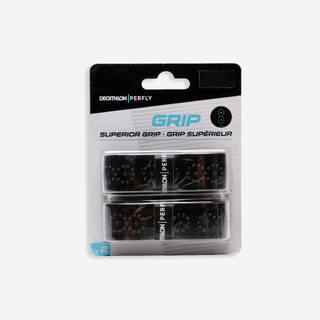
Replacement grips (also called base grips) are designed to completely replace the factory-installed handle covering, providing foundational cushioning and structural padding. These grips typically measure 1.6 to 1.9mm thick and feature dual-layer construction: a compressible polyurethane foam base bonded to a textured synthetic leather or elastomer top surface. Replacement grips are installed directly onto the bare wooden or composite handle after removing the original grip, secured with finishing tape at the butt cap. They offer superior shock absorption for players who generate high racket head speeds exceeding 350 km/h during smashes, dampening vibrations that travel through the handle into the wrist and forearm.
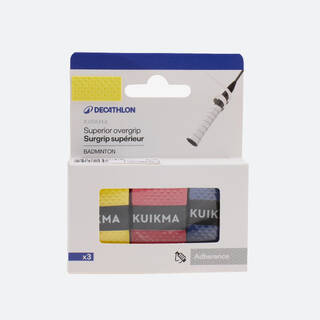
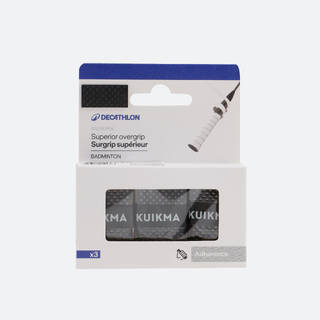
Overgrips are thin (0.5 to 0.75mm), lightweight wraps applied over the existing replacement grip or factory grip to enhance tackiness and absorb surface moisture. Perfly overgrips use microfiber-blended synthetic materials with perforated ventilation channels that accelerate evaporation in humid conditions. Overgrips are consumable accessories, typically replaced every 8 to 12 playing hours as surface texture degrades and absorption capacity diminishes. Indian players training in outdoor academies with dust exposure benefit from frequent overgrip replacement, as particulate matter embeds into surface pores and reduces friction. Overgrips also allow quick handle diameter customization: adding one overgrip increases circumference by approximately 2mm, accommodating players with larger palm widths or those preferring thicker handles for enhanced leverage during backhand clears.
Grip Thickness and Handle Circumference: Biomechanical Impact on Wrist Pronation and Shot Control
Handle circumference directly influences wrist pronation range, finger wrap security, and the ability to execute deceptive wrist flicks during net play. Standard badminton handles measure G4 (82mm circumference) or G5 (79mm circumference) in international sizing. Adding a 1.7mm replacement grip increases circumference by approximately 5mm, while each 0.6mm overgrip adds roughly 2mm. Players with smaller hand spans (palm width under 75mm) typically prefer G5 handles with minimal grip buildup, allowing full finger closure and maximizing wrist articulation for sharp net tumbles and reverse slices.
Thicker grip configurations (G4 base plus dual overgrips) suit players with larger palms or those employing power-dominant playing styles that prioritize racket stability over wrist flexibility. Increased handle diameter distributes impact forces across a broader palm surface area, reducing localized pressure points during repetitive smashing. However, excessive thickness beyond 90mm circumference can restrict the rapid supination and pronation cycles required for deceptive shot variations. Indian junior players transitioning from recreational to competitive play should experiment with grip thickness incrementally, adding or removing a single overgrip layer to identify the optimal balance between control precision and power transfer efficiency. Coaches recommend measuring bare handle circumference with a fabric tape at the widest point of the beveled octagonal cross-section before selecting replacement grip thickness.
Tackiness vs Cushioning Trade-Offs: Material Science Behind PU Foam and Synthetic Elastomer Grip Compounds
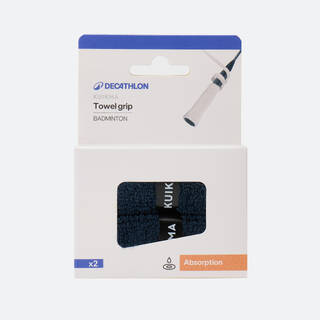
Grip performance characteristics exist along a spectrum between maximum tackiness (high friction, minimal cushioning) and maximum shock absorption (soft foam, moderate friction). Perfly towel grips use cotton-blend terry cloth surfaces with looped fiber structures that mechanically interlock with palm skin texture, delivering extreme tackiness even when saturated with sweat. These grips sacrifice cushioning, compressing to less than 1mm under load, and are favored by aggressive net players who prioritize instantaneous racket response over vibration dampening. The trade-off: increased impact transmission to the wrist joint during defensive blocks and drives.
Conversely, high-cushion replacement grips employ 2mm thick polyurethane foam cores with Shore A durometer ratings between 30 and 50, providing substantial shock attenuation. These grips reduce peak impact forces by 15 to 20 percent compared to thin towel grips, beneficial for players recovering from wrist tendonitis or those engaging in extended training sessions exceeding 90 minutes. Surface tackiness is achieved through embossed wave patterns and hydrophilic coatings rather than mechanical fiber interlocking. Indian players competing in multi-match tournament formats (best-of-three games across four rounds) often switch to cushioned grips for later matches to combat cumulative fatigue, accepting slightly reduced tackiness in exchange for joint protection and sustained grip endurance through final-game rallies.
Grip Installation Technique and Tension Control: Preventing Handle Slippage and Ensuring Uniform Compression
Proper grip installation begins with complete removal of the old grip and adhesive residue using isopropyl alcohol to expose the bare handle surface. Replacement grips feature a tapered leading edge that aligns with the handle's top bevel (the flat surface facing upward when holding the racket in a forehand grip). Starting at the butt cap, wrap the grip in a clockwise spiral (for right-handed players) with 2 to 3mm overlap between each revolution, maintaining consistent tension to avoid bunching or gaps. Excessive wrapping tension compresses the foam core unevenly, creating hard spots that reduce cushioning effectiveness, while insufficient tension allows the grip to rotate under torque during off-center impacts.
The final wrap should terminate 5 to 8mm below the throat junction, secured with the included finishing tape wrapped in the opposite direction to lock the grip terminus. Overgrip installation follows the same spiral pattern but requires lighter tension since the thin material tears easily under excessive stretch. Perfly overgrips include a self-adhesive starting tab that anchors to the butt cap without additional tape. Indian players in humid climates should avoid installing grips immediately before play, allowing 15 to 20 minutes for adhesive curing to prevent premature peeling. Grips installed in air-conditioned environments may require re-tensioning after exposure to outdoor heat, as foam expansion can create loose spots. Competitive players carry pre-wrapped backup rackets to tournament venues, eliminating mid-match grip adjustments.
Grip Maintenance and Replacement Cycles: Extending Lifespan in Dusty Indoor Halls and Monsoon Humidity
Grip degradation accelerates in India's variable environmental conditions, with dust accumulation, UV exposure, and moisture saturation reducing surface friction and foam resilience. Overgrips should be replaced every 8 to 12 playing hours or when surface texture becomes smooth and glossy, indicating that absorbent fibers have collapsed and oil from palm skin has saturated the material. Replacement grips last 200 to 300 playing hours before foam compression exceeds 30 percent of original thickness, at which point shock absorption diminishes and the grip feels hard under impact. Visual indicators of replacement necessity include visible cracking along the beveled edges, adhesive separation causing the grip to rotate during play, and permanent discoloration from embedded sweat salts.
To extend grip lifespan, wipe handles with a damp microfiber cloth after each session to remove sweat salts and dust particles before they bond to the surface. Avoid storing rackets in direct sunlight or car trunks where temperatures exceed 50°C, as heat accelerates foam oxidation and adhesive breakdown. Players training in non-air-conditioned academies with concrete dust should apply a thin overgrip layer even on new replacement grips, treating the overgrip as a sacrificial barrier that protects the underlying base grip from particulate abrasion. Perfly grip packs include multiple units, allowing players to maintain a rotation schedule: install a fresh overgrip every three sessions, and replace the base grip every six months for athletes training 12+ hours weekly. Proper maintenance preserves grip performance and prevents the gradual handle diameter increase that occurs when players continuously layer new overgrips without removing old, compressed layers.
FAQ (Frequently Asked Questions)
Q1. How often should I replace my badminton grip?
The lifespan of a badminton grip can vary depending on factors such as usage frequency, playing style, and maintenance. As a general rule, it's recommended to replace your grip every 6 to 12 months or when you notice signs of wear, such as fraying, peeling, or loss of tackiness.
Q2. Can I use any grip on any badminton racket?
While most badminton grips are designed to fit standard racket handles, it's essential to check the compatibility of the grip with your specific racket. Some grips may be too thick or too thin for certain racket models, which can affect your grip and control. Always refer to the product specifications or consult with our experts to ensure a proper fit.
Q3. How do I properly install a new badminton grip?
Installing a new badminton grip correctly is crucial for optimal performance and grip. Start by removing any old grip or residue from the racket handle. Then, align the new grip with the butt end of the handle and begin wrapping it tightly and evenly around the handle, ensuring no gaps or overlaps. Once installed, use a grip solvent or hairdryer to activate the adhesive and secure the grip in place.
Q4. What's the difference between towel grips and PU grips?
Towel grips are made from absorbent towel material and excel at wicking away sweat, providing a secure, non-slip grip during intense matches. PU (polyurethane) grips, on the other hand, offer a tacky feel and excellent shock absorption, making them a popular choice for players who prefer a firm grip and want to reduce vibrations.
Q5. Can I use an overgrip on top of my existing grip?
Yes, overgrips are designed to be worn over your existing grip. They provide an extra layer of cushioning and can help extend the lifespan of your main grip. However, it's important not to apply too many overgrips, as this can make the grip excessively thick and uncomfortable to hold.
Q6. How do I clean and maintain my badminton grip?
Regular cleaning and maintenance are essential for prolonging the life of your badminton grip. Use a damp cloth to wipe away dirt, sweat, and debris from the grip after each use. Avoid exposing the grip to excessive heat or direct sunlight, as this can cause premature degradation. If the grip becomes excessively worn or loses its tackiness, it's time to replace it.
Q7. Can I use a badminton grip on other racket sports?
While badminton grips are designed specifically for badminton rackets, some players may find them suitable for other racket sports with similar grip requirements, such as squash or racquetball. However, it's important to consider the specific demands and playing styles of each sport when choosing a grip.
Q8. Do you offer custom grip options or personalization?
At Decathlon, we currently do not offer custom grip options or personalization services for badminton grips. However, our extensive collection features a wide range of grips from various brands and materials, allowing you to find the perfect fit for your preferences and playing style.
Q9. What is the difference between a replacement grip and an overgrip for badminton rackets?
A replacement grip is a thick (1.6 to 1.9mm) base layer installed directly onto the bare handle, providing primary cushioning and shock absorption. An overgrip is a thin (0.5 to 0.75mm) wrap applied over the replacement grip to enhance tackiness and absorb surface sweat. Replacement grips last 200 to 300 playing hours, while overgrips are consumable items replaced every 8 to 12 hours as moisture absorption capacity declines.
Q10. How often should I replace my badminton overgrip in humid Indian conditions?
In high-humidity coastal or monsoon climates, replace overgrips every 8 to 10 playing hours or when the surface becomes smooth and loses tackiness. Players training in non-air-conditioned indoor halls with heavy perspiration may need replacement every 6 to 8 hours. Visual cues include glossy surface appearance, reduced friction during wrist rotation, and visible sweat salt discoloration that cannot be wiped clean.
Q11. Which grip thickness is better for players with small hands or junior badminton athletes?
Players with palm widths under 75mm or junior athletes typically perform best with G5 handles (79mm circumference) using a single thin replacement grip (1.6mm) and one overgrip layer. This configuration allows full finger closure around the handle, maximizing wrist articulation range for deceptive net shots and rapid pronation during forehand drives. Excessive thickness restricts wrist flexibility and reduces shot variation capability.
Q12. Do towel grips work better than synthetic grips for sweaty hands during long matches?
Towel grips use cotton-blend terry cloth with looped fibers that maintain friction even when saturated, making them effective for players with heavy perspiration. However, they provide minimal cushioning (under 1mm compression) and transmit more impact vibration to the wrist. Synthetic PU grips with perforated surfaces and hydrophilic coatings offer a balanced compromise, delivering adequate sweat absorption while maintaining 1.8 to 2mm shock-dampening foam cores for extended match comfort.
Q13. Can I install a badminton grip myself, or should I get it done at a shop?
Grip installation is straightforward with proper technique: remove old grip residue with isopropyl alcohol, align the tapered edge with the top bevel, and wrap in a clockwise spiral with 2 to 3mm overlap at consistent tension. Finish 5 to 8mm below the throat and secure with the included tape. Self-installation allows immediate replacement during training and costs nothing beyond the grip itself. Most players master the technique after two or three practice installations.
Q14. How does grip thickness affect my ability to execute wrist-based deceptive shots?
Thinner grips (G5 handle with single 1.6mm replacement grip) allow greater wrist pronation and supination range, enabling sharp angle changes for cross-court net kills and reverse slices. Thicker configurations (G4 plus dual overgrips exceeding 88mm circumference) restrict wrist articulation but enhance racket stability for power smashes. Advanced players requiring deceptive shot variations should minimize grip buildup, while power-dominant players benefit from increased handle diameter for impact force distribution.
Q15. Why does my grip feel slippery even after installing a new overgrip?
Slipperiness despite new grip installation typically results from oil and sweat salt residue on the underlying replacement grip. Remove the overgrip and clean the base grip with a damp cloth and mild detergent, allowing 30 minutes to dry completely before reinstalling the overgrip. If slipperiness persists, the replacement grip has likely exceeded its 300-hour lifespan and requires full replacement. Grips installed in humid conditions also need 15 to 20 minutes for adhesive curing before use.
Q16. Are Perfly badminton grips suitable for competitive tournament play or only for recreational use?
Perfly grips meet international competition standards, with replacement grips offering 1.8mm polyurethane foam cores and overgrips featuring micro-perforated moisture channels used by club and state-level players. The material composition (synthetic elastomer surfaces with hydrophilic coatings) delivers tackiness and shock absorption comparable to premium brands. Tournament players should carry multiple pre-installed overgrips for mid-match replacement if sweat saturation reduces friction during extended three-game finals.
Q17. How do I prevent my badminton grip from peeling at the edges during aggressive play?
Edge peeling occurs when wrapping tension is insufficient or when the finishing tape is applied in the same direction as the grip spiral. Ensure 2 to 3mm overlap between wrap revolutions and maintain consistent moderate tension without overstretching. Secure the terminus with finishing tape wrapped in the opposite direction (counterclockwise for right-handed installations) to lock the edge. Allow 15 minutes for adhesive curing before play, and avoid installing grips in temperatures below 15°C where adhesive bonding is compromised.
Q18. Can adding multiple overgrip layers damage my badminton racket handle or affect balance?
Layering more than two overgrips increases handle circumference beyond 90mm, which can restrict wrist mobility, but does not structurally damage the handle. However, excessive buildup shifts the racket's balance point toward the handle (making it more head-light), reducing swing weight and smash power. Each overgrip adds approximately 3 to 4 grams of weight to the handle. Remove old compressed overgrips before adding new layers to maintain optimal balance and prevent the spongy feel caused by degraded foam accumulation.