Climbing Cords & Ropes


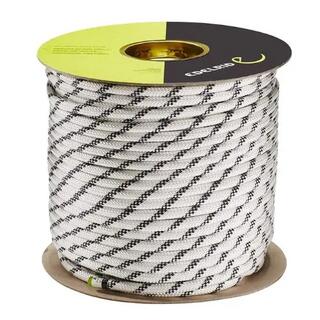
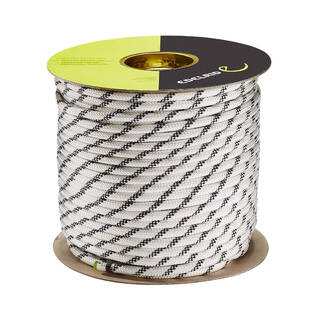
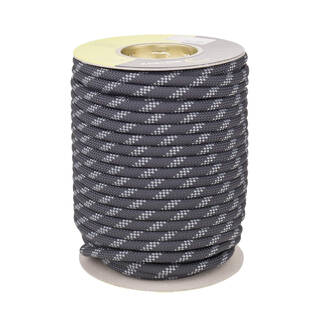
Climb Higher with Decathlon's Climbing Cords and Ropes
Scaling new heights requires the right gear, and when it comes to climbing, few pieces of equipment are as essential as a reliable cord or rope. At Decathlon, we understand the importance of having top-quality climbing ropes that you can trust with your life. Our extensive collection offers a wide range of options to suit every climber's needs, from beginners to seasoned pros.
Whether you're tackling indoor climbing walls, navigating rocky crags, or embarking on multi-pitch adventures, our climbing cords and ropes are designed to provide the utmost safety, durability, and performance. With options ranging from dynamic ropes for lead climbing and top-roping to static ropes for caving and hauling, we've got you covered for any vertical pursuit.
Safety First: Uncompromising Quality
At Decathlon, safety is our top priority. We rigorously test and certify all our climbing ropes to ensure they meet or exceed the highest industry standards. Our ropes are meticulously crafted from premium materials, such as high-tenacity nylon or Kernmantle construction, to deliver exceptional strength, abrasion resistance, and longevity.
Whether you're a beginner or an experienced climber, you can have peace of mind knowing that our climbing cords and ropes are designed to withstand the toughest conditions and provide reliable protection when you need it most.
Dynamic Ropes: Catch Falls with Confidence
For lead climbing, top-roping, and other scenarios where fall protection is crucial, our dynamic ropes are the ideal choice. These ropes are engineered to stretch and absorb the impact of a fall, minimizing the force on the climber and anchors.
With a variety of diameters, lengths, and dry treatments available, you can find the perfect dynamic rope to suit your climbing style, weight, and the type of terrain you'll be tackling. Whether you prefer a thicker rope for added durability or a thinner cord for lighter weight and better handling, our selection has you covered.
Static Ropes: Unwavering Strength for Hauling and Rigging
When it comes to hauling gear, setting up anchors, or caving expeditions, static ropes are the go-to choice. These ropes are designed to have minimal stretch, ensuring a stable and reliable anchor system or hauling setup.
Our static ropes are crafted from high-quality materials and undergo rigorous testing to ensure they can withstand immense loads without compromising their integrity. Whether you need a lightweight cord for caving or a heavy-duty rope for hauling, our collection offers a wide range of options to meet your specific needs.
Expert Tips: Choosing the Right Climbing Rope
With so many options available, selecting the right climbing rope can be a daunting task. Here are some expert tips to help you make an informed decision:
- Consider the type of climbing you'll be doing: dynamic ropes for lead climbing and top-roping, static ropes for hauling and caving.
- Factor in the rope's diameter: thicker ropes are more durable but heavier, while thinner ropes are lighter but may wear out faster.
- Evaluate the rope's length: longer ropes are suitable for multi-pitch climbs, while shorter ropes are better for single-pitch routes or indoor climbing.
- Check the rope's dry treatment: dry-treated ropes resist water absorption and are ideal for wet or humid conditions.
- Consider the rope's handling characteristics: some ropes are designed for better grip or reduced kinking.
Proper Care and Maintenance
To ensure your climbing ropes last as long as possible, proper care and maintenance are essential. Here are some tips to help extend the lifespan of your ropes:
- Inspect your ropes regularly for signs of wear, cuts, or damage, and retire them if necessary.
- Store your ropes in a cool, dry place, away from direct sunlight and chemicals.
- Avoid stepping on or dragging your ropes over rough surfaces.
- Clean your ropes periodically with a mild soap and water solution to remove dirt and grime.
- Coil or flake your ropes neatly after use to prevent kinking or twisting.
Accessories for Enhanced Performance
To complement your climbing cords and ropes, Decathlon offers a wide range of accessories to enhance your climbing experience. From rope bags and tarp for easy transportation and organization, to belay devices and carabiners for secure belaying, we have everything you need to climb with confidence.
Our collection also includes chalk bags, chalk balls, and climbing brushes to keep your hands dry and improve your grip, as well as climbing shoes and harnesses for optimal comfort and performance on the wall or rock face.
Expert Guidance and Support
At Decathlon, we pride ourselves on not just offering top-quality products but also providing expert guidance and support to our customers. Our knowledgeable staff is passionate about climbing and can assist you in selecting the right gear for your needs, whether you're a beginner or an experienced climber.
We also offer comprehensive resources, including instructional videos, climbing tips, and product guides, to help you make the most of your climbing adventures and ensure your safety on the wall or rock face.
Affordable Quality for Every Climber
At Decathlon, we believe that quality climbing gear shouldn't come with a premium price tag. Our commitment to affordability means that you can enjoy top-notch climbing cords and ropes without breaking the bank.
By designing and manufacturing our products in-house, we can offer exceptional value without compromising on quality, safety, or performance. Whether you're outfitting yourself for the first time or upgrading your gear, our extensive collection has something for every climber and every budget.
FAQ (Frequently Asked Questions)
Q1. How often should I replace my climbing rope?
The lifespan of a climbing rope depends on various factors, such as frequency of use, type of climbing, and exposure to abrasive surfaces or chemicals. As a general guideline, it's recommended to retire a rope after 3-5 years of regular use or if it shows significant signs of wear, cuts, or damage.
Q2. What is the difference between a dynamic and a static rope?
Dynamic ropes are designed to stretch and absorb the impact of a fall, making them ideal for lead climbing and top-roping. Static ropes, on the other hand, have minimal stretch and are used for hauling, rappelling, and caving, where a stable and reliable anchor system is crucial.
Q3. How do I choose the right rope diameter?
The rope diameter you choose depends on the type of climbing you'll be doing and your personal preferences. Thicker ropes (9.8mm-10.5mm) are more durable and suitable for trad climbing or working routes, while thinner ropes (8.9mm-9.4mm) are lighter and better for sport climbing or redpoint attempts.
Q4. Can I use a climbing rope for other purposes, like hauling or rappelling?
While climbing ropes can be used for various purposes, it's important to use the right type of rope for the intended application. Dynamic ropes are designed for climbing and fall protection, while static ropes are better suited for hauling, rappelling, and caving, where minimal stretch is desired.
Q5. How do I properly store my climbing rope?
To ensure your climbing rope lasts as long as possible, store it in a cool, dry place, away from direct sunlight and chemicals. Avoid storing it in a damp or humid environment, as this can lead to mildew or degradation of the rope fibers.
Q6. What is a dry-treated rope, and when should I use one?
Dry-treated ropes are designed to resist water absorption and maintain their performance in wet or humid conditions. These ropes are ideal for climbing in areas with frequent rain, near waterfalls, or in humid environments, as they dry faster and maintain their strength and handling characteristics better than non-treated ropes.
Q7. Can I use the same rope for indoor and outdoor climbing?
Yes, you can use the same rope for both indoor and outdoor climbing, as long as you properly inspect and maintain it. However, outdoor climbing can be more abrasive on ropes, so you may need to retire them sooner than ropes used exclusively for indoor climbing.
Q8. How do I properly coil or flake a climbing rope?
To coil or flake a climbing rope, start by finding the middle of the rope and make a small loop. Then, feed the rope through the loop, alternating between the two halves, creating a neat and organized coil or flake. This helps prevent kinking, twisting, or tangling of the rope.
Q9. Can I use a climbing rope for rappelling or caving?
While climbing ropes can be used for rappelling or caving in some situations, it's generally recommended to use a dedicated static rope for these activities. Static ropes have minimal stretch and are better suited for creating stable anchor systems or rappelling setups.
Q10. How do I properly clean my climbing rope?
To clean your climbing rope, use a mild soap and water solution, and gently scrub the rope with a soft-bristle brush. Avoid using harsh detergents or chemicals, as they can damage the rope fibers. Rinse the rope thoroughly and allow it to air dry completely before storing or using it again.