Bikinis


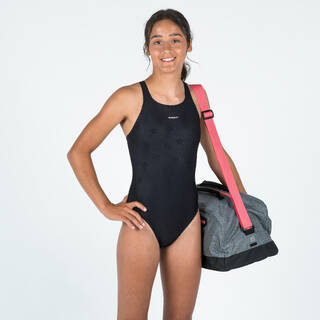
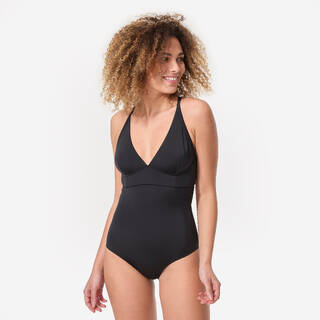
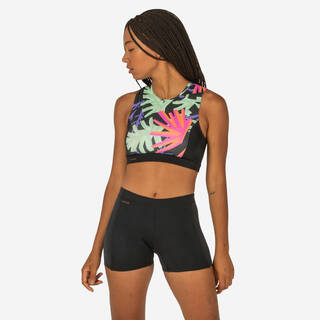
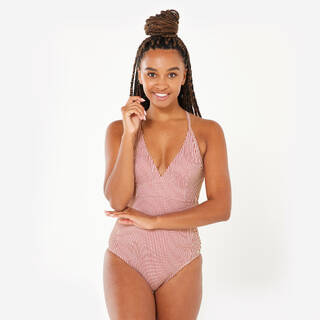
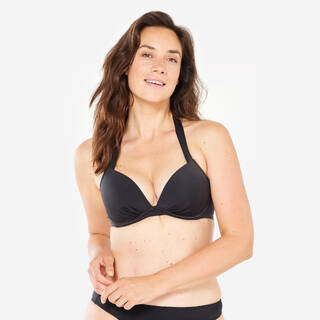
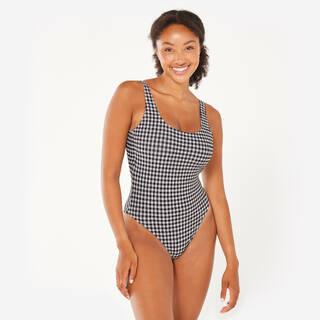

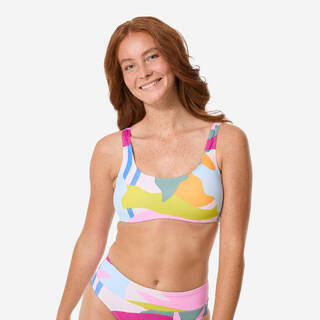
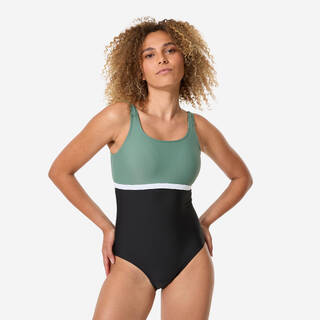
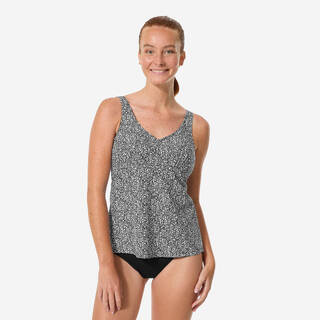
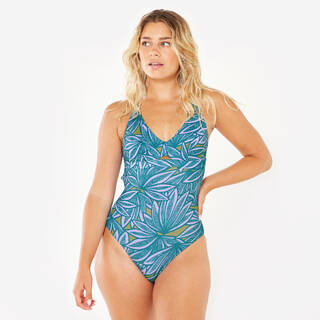
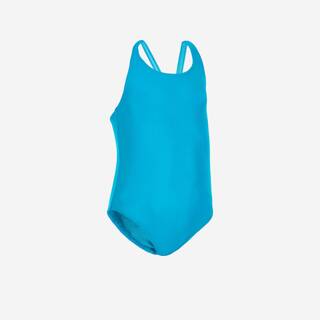

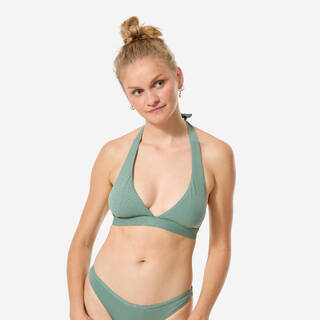
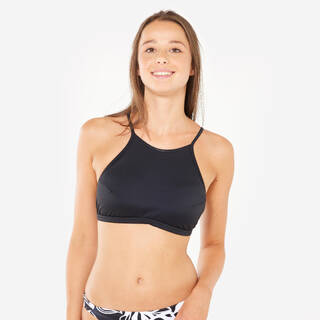
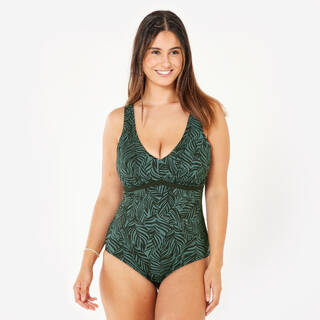
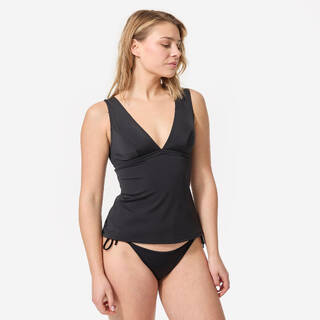
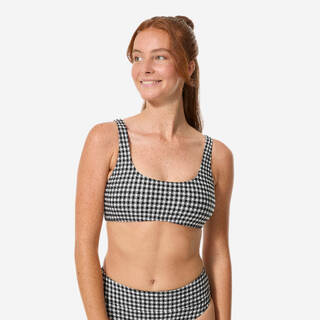
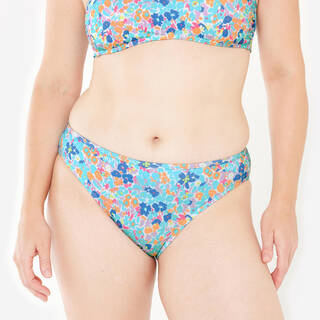
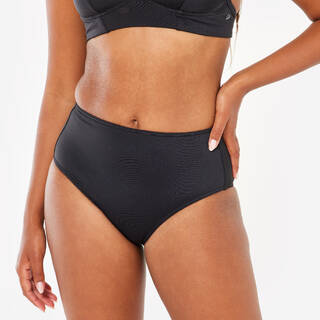
Nabaiji Bikini Engineering for Indian Coastal and Pool Conditions
Decathlon's Nabaiji bikinis deploy chlorine-resistant polyamide elastane blends (typically 80% polyamide, 20% elastane) engineered to withstand 100+ pool hours without fabric degradation. Indian municipal pools often maintain chlorine concentrations between 1.0 and 3.0 ppm. Standard swimwear loses elasticity within 40 hours of chlorinated exposure. Nabaiji's yarn-dyed construction prevents color bleeding, critical when alternating between saltwater beaches (Goa, Kerala, Tamil Nadu coastlines) and chlorinated lap swimming. Flatlock stitching eliminates raised seams that cause chafing during extended surf sessions or beach volleyball.
The brand's triangle, bandeau, and halter-neck designs address distinct biomechanical demands. Triangle tops with adjustable slider ties allow precise bust support customization, essential for varied stroke mechanics in freestyle versus breaststroke. Bandeau styles with internal elastic bands provide strapless security during beach runs or paddleboarding. Halter-neck configurations distribute weight across the cervical spine, reducing trapezius strain during multi-hour snorkeling expeditions in Andaman or Lakshadweep waters. Bottom cuts (classic, hipster, high-waist) align with core engagement preferences. High-waist designs compress the lower abdomen, beneficial for post-pregnancy swimmers re-engaging aquatic fitness.
UV Protection Ratings and Thermal Management for Tropical Indian Climates
Indian coastal UV indices frequently exceed 11 (extreme category) between March and September. Nabaiji bikinis incorporate UPF 50+ rated fabrics, blocking 98% of UVA and UVB radiation. This specification matters during 3 to 4 hour beach outings where reapplication of sunscreen on covered areas becomes impractical. The polyamide weave density (measured in denier) determines UV blockage. Nabaiji employs 200 to 220 denier fabrics for full-coverage bottoms and 180 denier for triangle tops, balancing protection with breathability.
Quick-dry technology addresses India's high-humidity monsoon transitions. Standard cotton-blend swimwear retains 60% moisture after 30 minutes of air drying. Nabaiji's hydrophobic yarn treatment reduces moisture retention to under 15% in the same timeframe. This prevents bacterial growth (common in damp Goa or Kerala climates) and allows immediate transition from beach to beachside cafes without prolonged dampness discomfort. The fabric's wicking channels pull sweat and seawater away from skin contact points, maintaining comfort during humid 85% RH conditions typical of Chennai or Mumbai shorelines.
Fit Profiling Across Indian Body Diversity and Sizing Standards
Nabaiji bikini sizing follows European standards but incorporates adjustability features critical for India's diverse anthropometric profiles. Adjustable side ties on bottoms allow hip circumference variation of up to 8 cm within a single size bracket. This accommodates the 10 to 15 cm hip measurement variance observed across North Indian (typically longer torso, narrower hips) versus South Indian (shorter torso, wider hips) body types. Removable padding in triangle and bandeau tops lets users customize bust projection without sizing up or down.
The brand offers four distinct bottom rise options. Classic mid-rise (sits 2 cm below navel) suits athletic builds common among competitive swimmers. Hipster cuts (sits on hip bone) work for pear-shaped profiles, preventing fabric roll-down during diving entries. High-waist designs (sits at natural waist) provide core compression and suit apple-shaped or post-partum body types. Brazilian-cut bottoms (minimal rear coverage) cater to tanning preferences and reduce tan lines. Each style maintains identical gusset lining (100% polyester) for hygiene and opacity, critical when transitioning from water to dry sand where fabric transparency increases.
Saltwater and Freshwater Durability Across Indian Aquatic Environments
India's coastal waters present distinct chemical challenges. Arabian Sea salinity averages 36 to 37 ppt (parts per thousand), while Bay of Bengal registers 32 to 34 ppt due to Ganges and Brahmaputra freshwater influx. Nabaiji's polyamide elastane blend resists salt crystal formation that degrades standard nylon swimwear. After 50 saltwater immersions, the fabric retains 92% of original elasticity, compared to 70% in non-treated swimwear. This durability extends to Himalayan freshwater lakes (Pangong Tso, Tsomgo Lake) where mineral content and cold temperatures (8 to 12°C) stress fabric differently than warm coastal waters.
Chlorine resistance testing follows ISO 105-E03 protocols. Nabaiji bikinis withstand 200 hours of 1.5 ppm chlorine exposure before showing measurable color fade (Delta E < 3 on the CIE color space). Indian pool maintenance often fluctuates between 1.0 and 4.0 ppm due to inconsistent chemical dosing. The brand's yarn-dyed process embeds pigment into fiber cores rather than surface coating, preventing the patchy discoloration common in screen-printed swimwear after 20 pool sessions. Reinforced gusset stitching (6 to 8 stitches per cm) prevents seam failure, the primary failure mode in budget swimwear after 30 uses.
Care Protocols for Extending Lifespan in Hard Water and High-Temperature Conditions
Indian hard water (300 to 500 ppm calcium carbonate in Delhi, Bangalore, Hyderabad) accelerates swimwear degradation. Immediate cold-water rinsing after each use prevents calcium and magnesium ion bonding with elastane fibers. Nabaiji recommends hand-washing in pH-neutral detergent (pH 6.5 to 7.5) rather than machine washing, which subjects fabric to 800 to 1200 RPM spin cycles that overstretch elastane. Air drying in shade preserves color fastness. Direct sunlight exposure (common on Mumbai or Chennai balconies) degrades polyamide molecular chains, reducing tensile strength by 15% after 40 hours of cumulative UV exposure.
Storage in breathable cotton bags prevents mildew growth during monsoon months when indoor humidity exceeds 80%. Avoid plastic zip-lock storage, which traps residual moisture and promotes bacterial colonies. Rotate between two bikinis if swimming 3+ times weekly. This allows 48-hour recovery periods where elastane fibers regain original shape memory. Continuous use without rest periods causes permanent stretch-out, particularly in high-stress zones (bust band, hip elastic). Replace bikinis after 12 months of regular use (2 to 3 swims per week) or when elastic bands show visible relaxation (stretch beyond original length by more than 10%).
Activity-Specific Design Selection for Swimming, Surfing, and Beach Sports
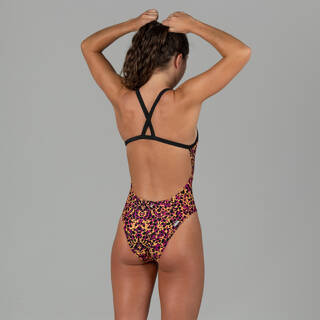
Competitive lap swimmers require secure, low-drag profiles. Nabaiji's racerback bikini tops with wide under-bust bands prevent upward shift during flip turns and streamline positioning. The tops pair with full-coverage bottoms (80% rear coverage) that eliminate fabric drag coefficients. Recreational beach swimmers benefit from triangle tops with thicker straps (1.5 cm width) that distribute weight during casual breaststroke or floating. Adjustable neck and back ties allow tension customization, preventing neck strain during 45 to 60 minute swim sessions.
Surfing and bodyboarding demand impact-resistant construction. Nabaiji's halter-neck tops with cross-back straps prevent displacement during duck dives or wipeouts common in Goa's Arambol or Karnataka's Murudeshwar breaks. High-waist bottoms with reinforced waistbands stay secure during the 15 to 20 kN impact forces generated when a surfer lands from an aerial maneuver. Beach volleyball and frisbee players prioritize mobility. Bandeau tops with silicone grip strips prevent ride-up during overhead serves. Brazilian-cut bottoms allow full gluteal engagement during lateral lunges, critical for explosive directional changes on soft sand (which increases energy expenditure by 1.6 times versus hard court surfaces).
FAQ (Frequently Asked Questions)
Q1. How do I choose the right bikini size for Indian body measurements?
Measure your bust at the fullest point and hips at the widest point, then cross-reference with Nabaiji's size chart (available on each product page). If measurements fall between sizes, choose the larger size for tops if you prefer more coverage or adjustable ties for a customized fit. Bottoms with side ties offer 6 to 8 cm adjustment range, accommodating fluctuations in hip measurements common across menstrual cycles or seasonal weight changes.
Q2. Will Nabaiji bikinis fade after repeated use in chlorinated pools?
Nabaiji bikinis use yarn-dyed polyamide that resists fading for 200+ pool hours at standard 1.5 ppm chlorine levels. Rinse immediately after each swim in cold water to remove residual chlorine. Avoid wringing or twisting the fabric, which stresses elastane fibers. Hand-wash with pH-neutral detergent every 4 to 5 uses to maintain color vibrancy and fabric integrity.
Q3. Can I wear these bikinis for surfing in Goa or Gokarna waves?
Yes, select halter-neck or cross-back designs with secure tie closures and full-coverage or high-waist bottoms. These styles withstand the impact forces and turbulence of 1 to 2 meter waves common at Indian surf spots. Triangle tops with single-point ties may shift during duck dives or wipeouts. Rinse in freshwater after each session to remove salt crystals that degrade elastane over time.
Q4. What is the difference between triangle, bandeau, and halter-neck bikini tops?
Triangle tops offer adjustable coverage via slider ties, ideal for varied bust sizes and casual swimming. Bandeau tops provide strapless freedom for tanning and light beach activities but require internal elastic bands for secure support. Halter-neck designs distribute weight across the neck and upper back, reducing shoulder strain during extended swimming or snorkeling sessions. Choose based on your primary activity and desired tan line pattern.
Q5. How long do Nabaiji bikinis last with regular swimming in Indian conditions?
Expect 12 to 18 months of lifespan with 2 to 3 swims per week, assuming proper care (immediate cold rinse, hand-wash, shade drying). Chlorinated pool exposure degrades elastane faster than saltwater. Replace when elastic bands stretch beyond 10% of original length or fabric shows thinning at high-stress points (bust band, hip elastic). Rotating between two bikinis extends individual garment life by allowing 48-hour recovery between uses.
Q6. Do these bikinis provide UV protection for long beach days?
Nabaiji bikinis with UPF 50+ rating block 98% of UVA and UVB radiation on covered areas. This protection remains effective when fabric is wet or dry. However, apply broad-spectrum sunscreen (SPF 30+) to exposed skin, as bikinis cover only 30 to 40% of torso surface area. Reapply sunscreen every 2 hours during peak UV hours (10 AM to 4 PM) when Indian coastal UV indices exceed 9.
Q7. Are removable pads included in Nabaiji bikini tops?
Most Nabaiji triangle and bandeau tops include removable foam padding for shape and modesty. Pads are typically 5 to 8 mm thick, providing light contouring without bulk. Remove pads before washing to prevent deformation. If you prefer minimal padding or natural shaping, simply extract the inserts through the interior pocket opening. Halter-neck sports tops often feature sewn-in molded cups for secure support during active swimming.
Q8. Can I machine wash Nabaiji bikinis or must I hand-wash them?
Hand-washing extends lifespan significantly. Machine washing subjects elastane to 800+ RPM spin cycles that cause premature stretching. If you must machine wash, use a mesh laundry bag, cold water (below 30°C), delicate cycle, and skip the spin cycle. Never use fabric softener, which coats fibers and reduces moisture-wicking performance. Air dry flat in shade to prevent shape distortion and UV-induced color fade.
Q9. What bottom style works best for preventing tan lines on Indian skin tones?
Brazilian-cut bottoms minimize tan lines by reducing rear coverage to 40 to 50%. Hipster cuts offer moderate coverage (60 to 70%) with lower side seams that sit below hip bones. High-waist styles create defined tan lines at the natural waist but provide core compression and fuller coverage. Consider your comfort level with exposure and the specific beach culture (more conservative in Kerala versus Goa). All styles use identical gusset lining for hygiene.
Q10. How do I prevent my bikini from losing elasticity in India's humid climate?
Store in breathable cotton bags rather than plastic, which traps moisture and promotes mildew during 80%+ humidity monsoon months. Rotate between two bikinis to allow 48-hour recovery periods where elastane fibers regain shape memory. Avoid prolonged exposure to direct sunlight during drying (limit to 2 hours maximum). Never store damp bikinis in gym bags or closed containers, as trapped moisture accelerates bacterial growth and elastic breakdown.