Boxing Equipments

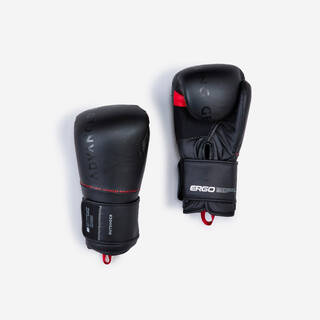
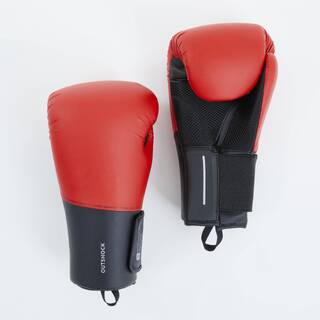

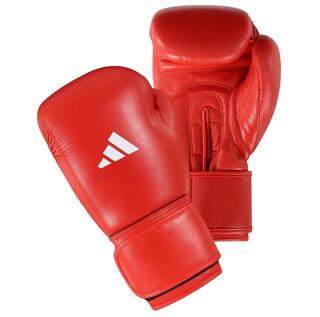
Outshiv Boxing Gloves: Injection-Moulded Foam Density and Wrist Stabilisation for Indian Training Gyms
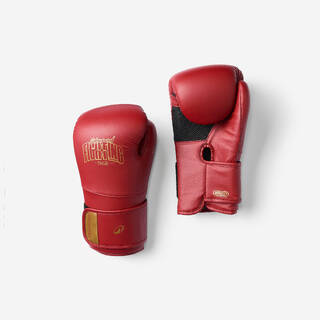
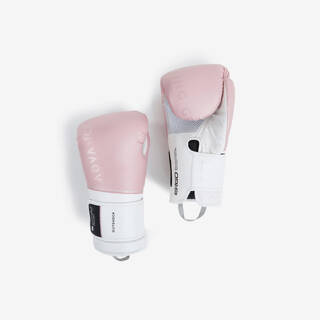
Boxing gloves sold in India must withstand high-humidity monsoon training sessions and concrete-floored gym environments where sweat saturation accelerates foam breakdown. Outshiv gloves use injection-moulded polyurethane foam cores (density 50-60 kg/m³) that maintain shock absorption across 200+ sparring rounds without collapsing into flat pancake padding. The foam geometry distributes impact loads across the metacarpal bones, reducing peak pressure spikes when punching heavy bags filled with compacted textile waste or sand (common in Indian gyms). Wrist stabilisation comes from dual-strap Velcro closures spanning 15-18 cm of forearm length, preventing hyperextension during hooks and uppercuts. Synthetic leather outer shells (0.8-1.0 mm thickness) resist abrasion from canvas bag surfaces and floor contact during groundwork drills.
Beginners training three times weekly need 10 oz or 12 oz gloves to slow punch velocity and build controlled technique. Competitive sparring and pad work demand 14 oz or 16 oz gloves, where added foam mass protects training partners and allows sustained high-volume rounds. Outshiv gloves feature perforated palm panels and mesh thumb gussets to evacuate moisture in non-air-conditioned gyms where ambient temperatures exceed 32°C. The curved anatomical shape pre-forms fists into correct alignment, reducing beginner wrist strain during extended bag sessions. Reinforced stitching at stress points (thumb attachment, wrist closure, knuckle seams) uses triple-needle lockstitch construction to survive daily use across 12-18 month training cycles.
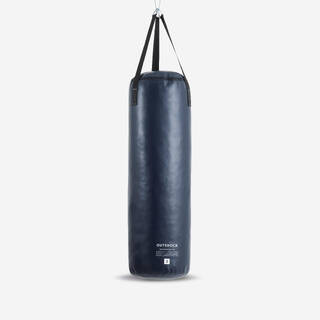
Heavy Bags and Freestanding Punching Bags: Fill Material Density, Base Stability, and Floor Protection for Apartment Gyms
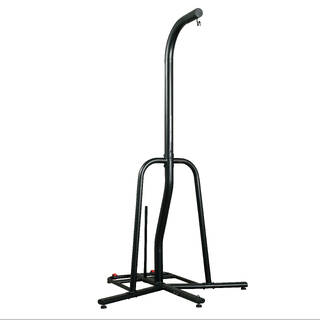
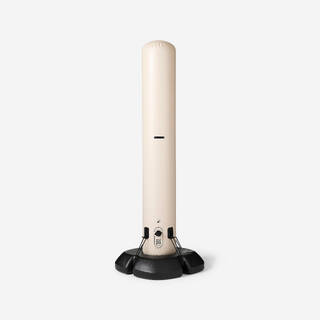
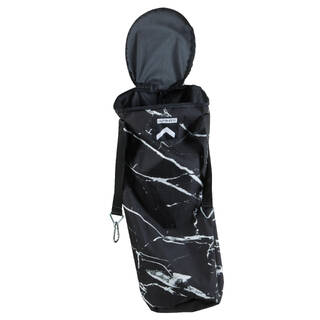
Freestanding punching bags designed for Indian apartment use must solve two engineering challenges: base stability without ceiling mounting hardware, and floor protection on ceramic tile or marble surfaces. Outshiv freestanding bags use hollow HDPE bases (80-120 litre capacity) filled with water or sand to achieve 70-100 kg anchoring mass. Water fill provides 1.0 kg/litre density for easy relocation; sand fill delivers 1.6 kg/litre density for maximum stability during power punches. The vertical striking column uses layered foam (outer EVA at 40 kg/m³, inner polyurethane at 60 kg/m³) wrapped around a flexible fibreglass core that absorbs impact energy without toppling. Rubber base pads (8-10 mm thickness) prevent floor scratches and dampen vibration transmission to lower apartment floors.
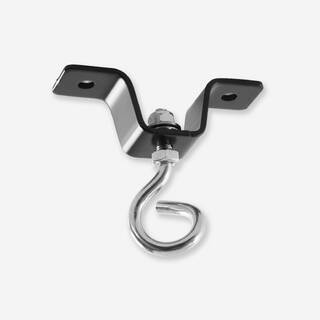
Ceiling-mounted heavy bags require structural concrete beams or steel I-beams capable of supporting dynamic loads 3-4 times the bag's static weight (a 40 kg bag generates 120-160 kg peak loads during heavy kicks). Swivel mounts with sealed ball bearings allow 360-degree rotation, preventing chain twist and prolonging bag lifespan. Fill materials determine training feedback: textile rags provide soft, forgiving impact for beginners; compacted sawdust offers medium resistance for combination work; sand-filled cores deliver hard, bone-conditioning impact for advanced fighters. Outshiv bags use reinforced nylon canvas (600-800 denier) with double-stitched seams and leather reinforcement patches at high-wear zones (top suspension loop, mid-section strike zone). Bags rated for outdoor use feature UV-stabilised polyester shells that resist sun degradation in terrace or rooftop training setups common across Indian metros.
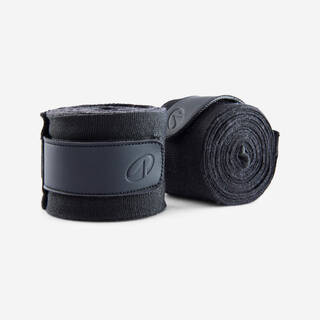
Hand Wraps, Inner Gloves, and Knuckle Protection: Metacarpal Support and Moisture Management in High-Sweat Conditions
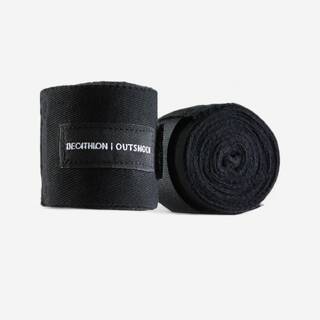
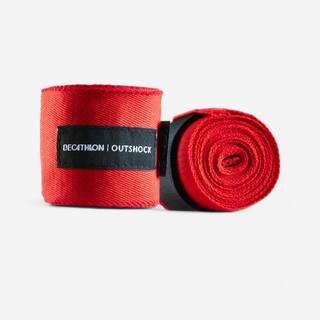
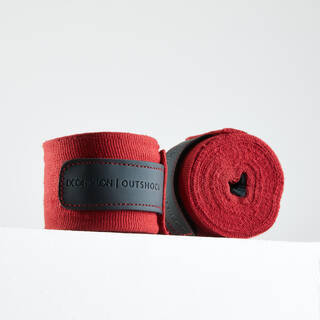
Hand wraps serve as the primary defence against metacarpal fractures and wrist sprains during heavy bag work. Standard 4.5-metre cotton-elastane blend wraps (95% cotton, 5% elastane) provide compression without cutting off circulation when wrapped using the basic knuckle-wrist-thumb method. The elastane content allows wraps to conform to individual hand anatomy while maintaining 15-20% stretch recovery after repeated use. Proper wrapping technique distributes impact forces across all five metacarpal bones, preventing the common boxer's fracture (fifth metacarpal neck fracture) caused by improper fist alignment. Wraps must be machine-washed after every training session to prevent bacterial accumulation in India's high-humidity climate, where damp fabric becomes a breeding ground for skin infections.
Quick-wrap inner gloves use gel padding (thermoplastic elastomer at 30-40 Shore A hardness) over knuckles combined with neoprene wrist straps for faster preparation. These work well for pad work and light bag sessions but lack the comprehensive metacarpal support needed for heavy sparring. Outshiv gel wraps feature perforated neoprene backing to evacuate sweat and hook-and-loop closures rated for 500+ open-close cycles. Knuckle guards (standalone padded sleeves) use 8-10 mm EVA foam inserts in compression fabric shells, ideal for boxers transitioning from wraps to gloves or those with previous hand injuries requiring extra protection. All knuckle protection gear must be air-dried completely between sessions; storing damp wraps in gym bags accelerates fabric degradation and creates odour issues within 2-3 weeks of regular use.
Focus Mitts, Thai Pads, and Strike Shields: Trainer Equipment for Combination Drills and Power Development
Focus mitts (also called punch mitts or hook-and-jab pads) allow trainers to create dynamic movement drills that develop timing, accuracy, and combination flow. Outshiv focus mitts use curved ergonomic designs with 3-4 cm thick layered foam (outer EVA, inner memory foam) that absorbs straight punches and hooks without jarring the trainer's wrists. The curved striking surface naturally guides punches into correct angles, teaching beginners proper fist rotation on hooks and uppercuts. Wrist support comes from padded cuffs with adjustable Velcro straps spanning 10-12 cm of forearm length. Trainers working 6-8 hours daily need mitts with reinforced palm grips (synthetic leather with anti-slip texture) to prevent mitt rotation during power shots. Ventilation holes on the back panel evacuate trapped air on impact, reducing the balloon effect that destabilises mitt position.
Thai pads (kick shields) measure 40-45 cm in length and use 5-6 cm thick high-density foam to absorb shin kicks, knee strikes, and elbow combinations common in Muay Thai and MMA training. The rectangular shape provides larger target zones for body kicks and allows trainers to simulate opponent positions during clinch work. Dual forearm straps and hand grips distribute impact forces across the trainer's entire arm structure, preventing elbow hyperextension when absorbing heavy roundhouse kicks. Strike shields (body protectors) use curved HDPE backing plates covered with 8-10 cm foam layers, designed for full-power front kicks, teeps, and straight knees. These allow fighters to develop maximum power output without injuring training partners. All trainer equipment requires regular inspection of stitching integrity and foam compression; mitts and pads losing their rebound characteristics (foam staying compressed after impact) must be replaced to prevent trainer wrist and elbow injuries.
Headgear, Mouthguards, and Protective Equipment: Impact Attenuation Standards for Sparring Safety
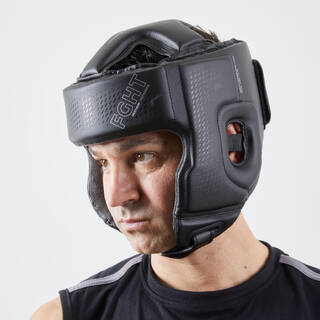
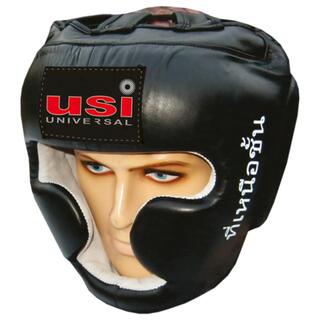
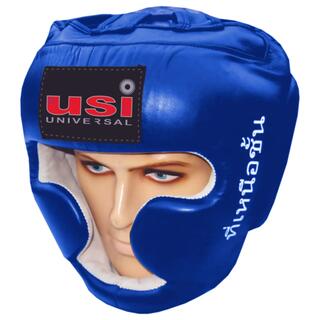
Boxing headgear must balance impact protection with peripheral vision and hearing preservation. Outshiv headgear uses dual-density foam construction: outer EVA layer (35-40 kg/m³) spreads impact forces across a larger surface area, while inner polyurethane layer (55-60 kg/m³) absorbs energy before transmission to the skull. Cheek protectors extend 3-4 cm forward to shield the zygomatic arch (cheekbone) without obstructing vision during defensive head movement. Top padding protects against downward strikes; rear padding prevents whiplash during backward head snap. Open-face designs preserve peripheral vision critical for seeing hooks and body shots; full-face models add a padded bar across the nose and chin for amateur competition or heavy sparring. Chin straps and rear lace-up closures prevent headgear rotation during exchanges. Synthetic leather shells with perforated panels allow heat dissipation, though headgear always increases core temperature by 0.5-1.0°C during intense rounds.
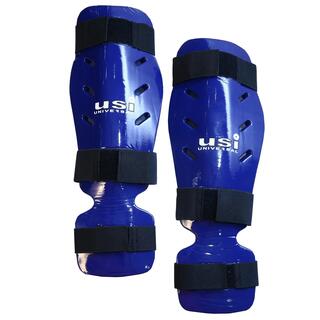
Mouthguards prevent dental fractures, jaw dislocations, and reduce concussion risk by cushioning the temporomandibular joint during impact. Boil-and-bite thermoplastic mouthguards (EVA at 25-30 Shore A hardness) mould to individual dental anatomy when heated in 80-85°C water for 30-45 seconds, then fitted while warm. Proper moulding requires biting down firmly and using tongue pressure to form the guard around all tooth surfaces and gum lines. A correctly fitted mouthguard stays in place without clenching and allows normal breathing and speech. Guards must cover all upper teeth; lower guards are optional for additional jaw protection. Replace mouthguards every 6-8 months of regular use as material compression reduces shock absorption. Groin protectors use rigid polypropylene cups in compression fabric pouches, mandatory for all sparring regardless of gender. Chest protectors for female boxers use moulded foam shells that distribute impact away from breast tissue. All protective equipment must be cleaned with antibacterial solution after every use and stored in ventilated mesh bags to prevent bacterial growth in India's humid climate.
Speed Bags, Double-End Bags, and Reflex Training: Pneumatic Rebound Physics and Rhythm Development for Hand Speed
Speed bags develop hand-eye coordination, shoulder endurance, and punching rhythm through rapid rebound cycles. The teardrop-shaped latex bladder (9-inch, 10-inch, or 12-inch diameter) inflates to 0.5-0.8 bar pressure, creating pneumatic rebound when struck. Smaller bags (9-inch) rebound faster (4-5 rebounds per second) but require more precise timing; larger bags (12-inch) rebound slower (2-3 rebounds per second) and suit beginners learning basic rhythm patterns. The swivel mount must use sealed ball bearings (608ZZ or equivalent) that allow 360-degree rotation without friction; cheap bushings create dead spots that interrupt rhythm. Mount the swivel at forehead height; the bag's widest point should align with mouth level when inflated. Speed bag platforms require rigid mounting to concrete or solid wood beams; any platform flex disrupts rebound timing. Leather speed bags last 12-18 months of daily use; synthetic versions last 6-9 months but cost less for home gym setups.
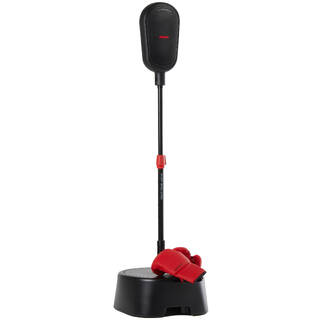
Double-end bags (floor-to-ceiling bags) use elastic cords tensioned between floor and ceiling anchors, creating unpredictable movement that simulates opponent head motion. The spherical or teardrop bag (20-25 cm diameter) inflates to 0.6-0.9 bar pressure. Cord tension determines movement characteristics: tight cords (minimal slack) create fast, small movements for precision work; loose cords allow larger, slower movements for power combinations. Adjust cord length so the bag sits at chin height in neutral position. The bag's erratic rebound after strikes forces fighters to track moving targets and time counters, developing defensive reflexes. Reflex bags (freestanding with flexible spring-loaded stems) provide similar benefits without ceiling mounting, ideal for apartment training. The weighted base (15-20 kg) and flexible fibreglass stem allow the bag to bend and return to vertical after strikes. All pneumatic training bags require pressure checks before each session; over-inflation (above 1.0 bar) risks bladder rupture, while under-inflation creates mushy rebounds that don't develop proper timing.
FAQ (Frequently Asked Questions)
Q1. What glove weight should beginners use for heavy bag training in Indian gyms?
Beginners should start with 12 oz gloves for heavy bag work, providing enough foam padding to protect hands while learning proper punch technique and wrist alignment. The added weight slows punch velocity, forcing controlled movement patterns that prevent common beginner injuries like wrist sprains and metacarpal bruising. After 3-4 months of consistent training with solid technique, you can move to 10 oz gloves for faster combination work.
Q2. How do I prevent hand wraps from developing odour in humid monsoon conditions?
Wash hand wraps in hot water (60°C minimum) with antibacterial detergent after every training session, then air-dry completely in direct sunlight or near a fan before storing. Never store damp wraps in closed gym bags, as India's humidity creates bacterial growth within 24-48 hours. Keep two sets of wraps in rotation so one pair is always fully dry before the next training session.
Q3. Can freestanding punching bags be used on marble or tile floors without damage?
Yes, if the bag has a proper rubber base pad (8-10 mm thickness) that distributes weight and absorbs vibration. Fill the base completely with water (for easy relocation) or sand (for maximum stability) to prevent tipping during power shots. Place an additional rubber gym mat (10-15 mm thick) under the entire base area if you're concerned about scratching expensive flooring or transmitting vibration to lower apartment floors.
Q4. What is the difference between cotton hand wraps and quick-wrap gel gloves?
Cotton hand wraps (4.5 metres long) provide comprehensive support across all metacarpal bones, wrist joint, and thumb when wrapped correctly, making them essential for heavy sparring and bag work. Quick-wrap gel gloves offer faster preparation with gel padding over knuckles but provide less wrist stabilisation and metacarpal protection. Use gel wraps for light pad work or warm-ups, but always use proper cotton wraps for heavy training sessions to prevent hand injuries.
Q5. How often should boxing gloves be replaced with regular training use?
Replace boxing gloves when the foam padding no longer rebounds after impact (stays compressed) or when stitching separates at stress points, typically after 12-18 months of training 3-4 times weekly. Gloves used daily in professional gym settings may need replacement within 8-10 months. Proper care extends lifespan: air-dry gloves completely after each session using glove dogs or newspaper inserts, never store them in closed bags, and wipe interiors with antibacterial solution weekly.
Q6. What ceiling structure is required to safely mount a heavy punching bag?
Heavy bags require mounting to structural concrete beams or steel I-beams capable of supporting dynamic loads 3-4 times the bag's weight (a 40 kg bag generates 120-160 kg peak forces). Never mount to false ceilings, drywall, or wooden joists. Use heavy-duty swivel mounts with sealed ball bearings rated for the bag's weight plus 50% safety margin, and ensure the mounting bolt penetrates at least 10-12 cm into solid concrete with proper expansion anchors.
Q7. How do I properly fit a boil-and-bite mouthguard for maximum protection?
Heat water to 80-85°C, submerge the mouthguard for 30-45 seconds until pliable, then cool in room-temperature water for 2-3 seconds. Place the warm guard over your upper teeth, bite down firmly, and use your tongue to press the material against all tooth surfaces and up into the gum line. Suck out air while holding pressure for 20-30 seconds. A proper fit stays in place without clenching and allows normal breathing. Remould if the guard feels loose or causes gagging.
Q8. What speed bag size should intermediate boxers use for rhythm training?
Intermediate boxers should use 10-inch speed bags, which provide a balanced rebound speed (3-4 rebounds per second) suitable for developing consistent rhythm patterns and combination sequences. Mount the swivel at forehead height with the inflated bag's centre at mouth level. Once you can maintain continuous 3-minute rounds with consistent rhythm, progress to 9-inch bags for faster rebound speeds that challenge timing precision and shoulder endurance.
Q9. Do boxing headgear models reduce concussion risk during sparring?
Headgear reduces cuts, facial fractures, and superficial injuries but provides limited concussion protection, as rotational brain movement causes most concussions regardless of external padding. Dual-density foam headgear attenuates some impact forces and may reduce concussion severity. The primary safety measure is controlled sparring intensity, proper technique, and limiting cumulative head impacts per training session. Never rely solely on headgear as concussion prevention.
Q10. Can double-end bags be installed in apartments without ceiling damage?
Yes, using tension rod systems (similar to pull-up bars) wedged between floor and ceiling, avoiding permanent anchor installation. Ensure the rod contacts structural concrete ceiling surfaces, not false ceilings or drywall. Alternatively, use freestanding reflex bags with spring-loaded stems and weighted bases (15-20 kg) that provide similar unpredictable movement training without any mounting hardware. These work well for precision drills and defensive reflex development in compact apartment gym spaces.