Camping Shelters & Tarps


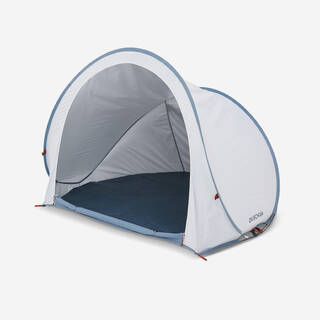
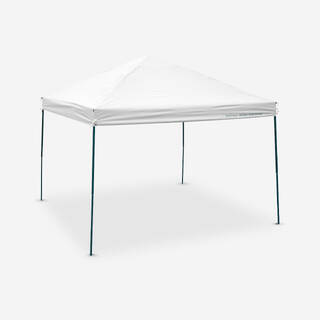


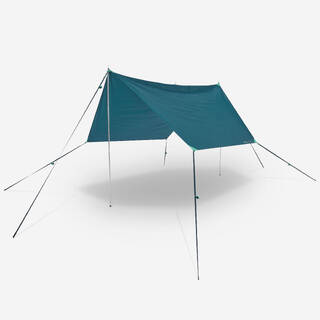
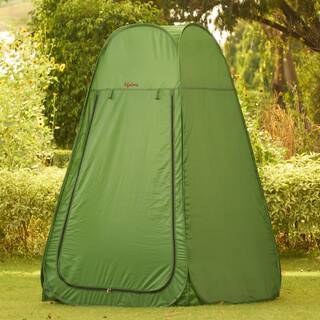
Explore the Great Outdoors with Decathlon's 1-Man Tents
Embark on your next solo adventure with Decathlon's collection of high-quality, affordable 1-man tents. Whether you're an avid hiker, backpacker, or simply enjoy spending time in nature, our tents are designed to provide you with a comfortable and secure shelter in the great outdoors.
At Decathlon, we understand the importance of having reliable and durable gear when venturing into the wilderness. That's why our 1-man tents are meticulously crafted using premium materials and innovative technologies, ensuring they can withstand even the harshest conditions.
Lightweight and Compact for Easy Carrying
One of the key features of our 1-man tents is their lightweight and compact design. We understand that when you're exploring the outdoors, every ounce counts. That's why our tents are engineered to be as lightweight as possible, without compromising on strength and durability.
With their compact size and included carry bags, our 1-man tents can easily fit into your backpack or be strapped to the outside, freeing up valuable space for other essential gear. This makes them perfect for hikers, backpackers, and anyone who values portability and convenience.
Weatherproof and Durable Construction
At Decathlon, we know that the outdoors can be unpredictable, which is why our 1-man tents are designed to withstand a variety of weather conditions. From heavy rain and strong winds to intense sunlight, our tents are built to keep you dry, comfortable, and protected.
We use high-quality, waterproof and UV-resistant materials in the construction of our tents, ensuring they can withstand the elements and provide you with a reliable shelter no matter the conditions. Additionally, our tents feature durable poles and sturdy guy lines, ensuring they remain stable and secure even in windy conditions.
Versatile and Easy to Set Up
Our 1-man tents are designed to be versatile and easy to set up, making them perfect for a wide range of outdoor activities. Whether you're camping in a designated campground or pitching your tent in a remote location, our tents are designed to be quick and straightforward to assemble.
With their intuitive design and clear instructions, even novice campers can easily set up our 1-man tents in a matter of minutes. This allows you to spend more time enjoying the great outdoors and less time struggling with complicated tent setups.
Ventilation and Comfort
Comfort is a top priority when it comes to our 1-man tents. We understand that a good night's sleep is essential for enjoying your outdoor adventures to the fullest. That's why our tents feature advanced ventilation systems that allow for optimal airflow, keeping the interior fresh and comfortable.
Additionally, many of our 1-man tents include convenient features such as interior pockets for storing small items, and even vestibules or awnings for extra storage space or sheltered entry. With these thoughtful design elements, you can enjoy a comfortable and organized camping experience.
Expert Tips for Choosing the Perfect 1-Man Tent
When selecting a 1-man tent, consider the following expert tips:
- Determine your primary use: backpacking, car camping, or a mix of both. This will help you choose the right balance of weight, size, and features.
- Consider the seasons and weather conditions you'll be camping in. Look for tents with appropriate ventilation, waterproofing, and insulation.
- Think about the tent's livable space. While compact, a well-designed 1-man tent should still provide enough room to sit up and store your gear.
- Pay attention to the tent's packed size and weight, especially if you'll be carrying it long distances.
- Look for easy setup and quality construction to ensure a hassle-free and durable camping experience.
Maintenance and Care Tips
To ensure your 1-man tent lasts for many adventures, follow these maintenance and care tips:
- Always set up your tent on a flat, clear surface to avoid punctures or tears.
- Keep your tent clean and dry when not in use to prevent mold or mildew buildup.
- Apply a waterproofing treatment periodically to maintain the tent's water-repellent properties.
- Inspect your tent regularly for any signs of wear or damage, and repair or replace components as needed.
- Properly store your tent in a cool, dry place when not in use, and avoid exposing it to excessive heat or direct sunlight for extended periods.
FAQ (Frequently Asked Questions)
Q1. What is the difference between a 1-man tent and a 2-man tent?
A 1-man tent is designed to accommodate a single person, while a 2-man tent is intended for two people. 1-man tents are generally more compact, lighter, and have a smaller footprint, making them ideal for solo adventures or ultralight backpacking trips.
Q2. How do I choose the right size 1-man tent?
When choosing a 1-man tent, consider your height and the amount of gear you'll be carrying. Look for a tent that provides enough interior space for you to sit up comfortably and store your essentials. Additionally, consider the tent's packed size and weight if you'll be carrying it long distances.
Q3. Can a 1-man tent accommodate two people in a pinch?
While a 1-man tent is designed for a single person, it may be possible to accommodate two people in a pinch, but it will be a very tight fit. It's generally not recommended for extended use or comfort, as it can be cramped and uncomfortable for two occupants.
Q4. How do I set up a 1-man tent?
Setting up a 1-man tent typically involves the following steps: clear the area, unfold the tent, assemble the poles, attach the poles to the tent body, stake down the corners and guy lines, and finally, attach the rainfly (if applicable). Always refer to the manufacturer's instructions for your specific tent model.
Q5. What are the advantages of a freestanding 1-man tent?
A freestanding 1-man tent doesn't require stakes or guy lines to maintain its shape, making it easier to set up on various surfaces, such as rocky or hard ground. Freestanding tents also allow you to move or reposition the tent without having to disassemble it completely.
Q6. How do I ventilate a 1-man tent?
Most 1-man tents feature mesh panels or vents to allow for airflow and ventilation. You can maximize ventilation by opening any vents or doors, and positioning the tent to take advantage of natural breezes. In hot or humid conditions, you may also want to consider using a small battery-powered fan inside the tent.
Q7. Can I use a 1-man tent for winter camping?
While some 1-man tents are designed for 3-season use, they may not provide adequate insulation or protection for extreme winter conditions. For winter camping, it's generally recommended to use a 4-season tent with additional insulation, stronger poles, and better wind and snow protection.
Q8. How do I pack and store a 1-man tent?
To pack and store your 1-man tent, first, make sure it's completely dry and clean. Then, carefully fold or roll the tent body and rainfly according to the manufacturer's instructions. Store the tent in a cool, dry place, away from direct sunlight or excessive heat, which can degrade the materials over time.
Q9. What accessories should I consider for my 1-man tent?
Depending on your needs and camping conditions, you may want to consider accessories such as a footprint or groundsheet to protect the tent floor, a gear loft or organizer for storage, and a repair kit for minor fixes on the trail. Additionally, a camping pillow, sleeping pad, and warm sleeping bag can enhance your comfort inside the tent.
Q10. Can I use a 1-man tent for backpacking?
Yes, 1-man tents are an excellent choice for backpacking trips due to their lightweight and compact design. They're easy to carry and set up, making them ideal for solo hikers or ultralight backpackers who want to minimize their pack weight without sacrificing shelter.