Cricket Bat Adult

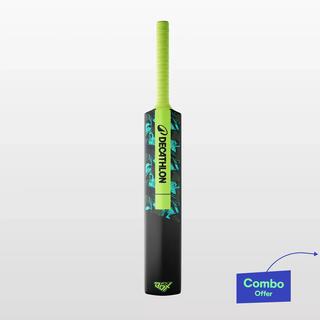
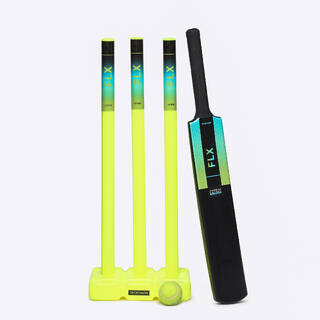

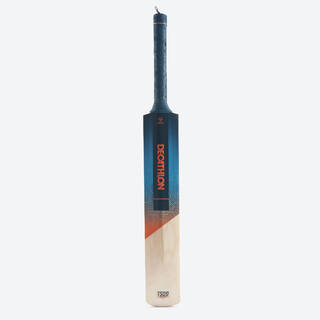
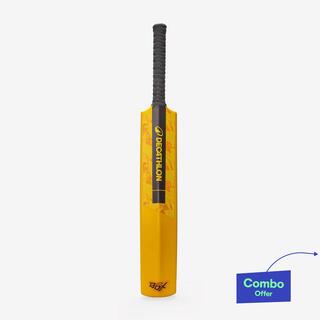

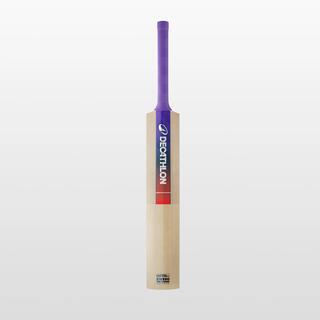
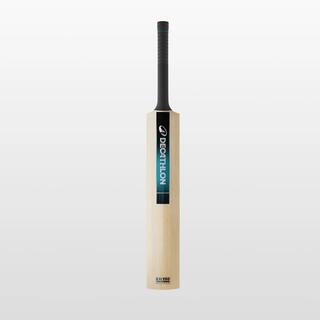
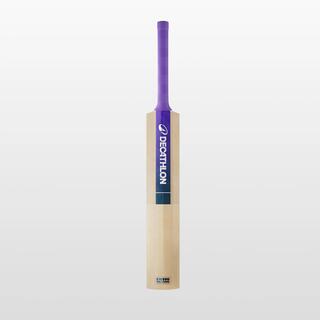
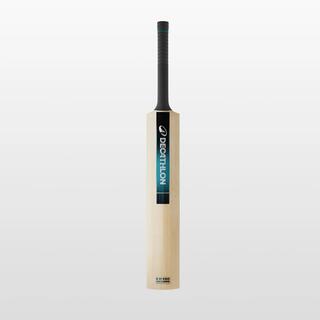
Buy Cricket Bat Adult Online at Decathlon India | Cricket Bats for Men & Women
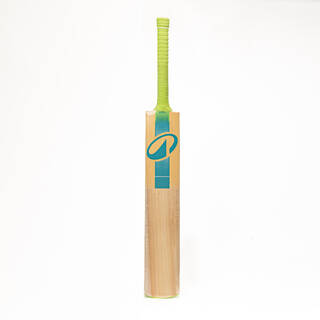
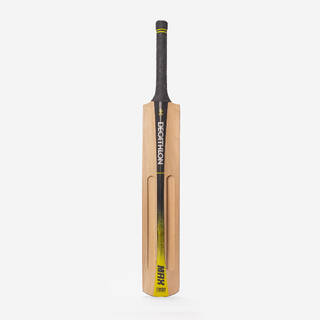
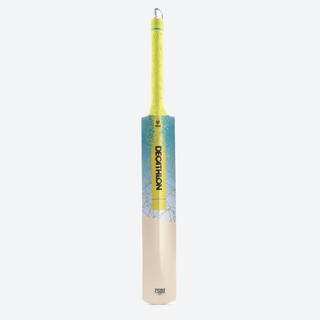
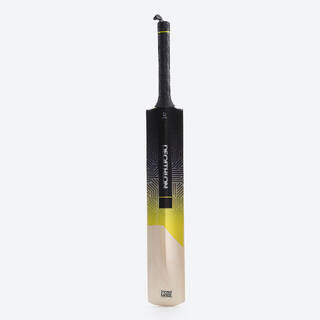
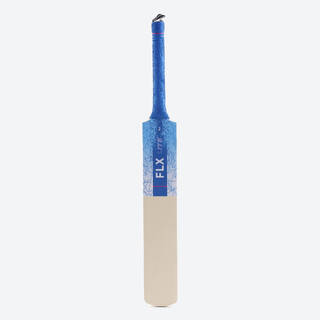
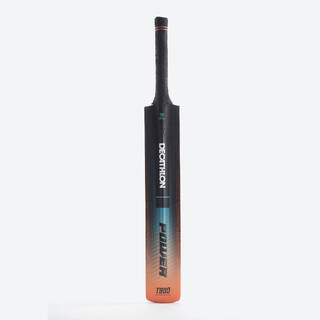
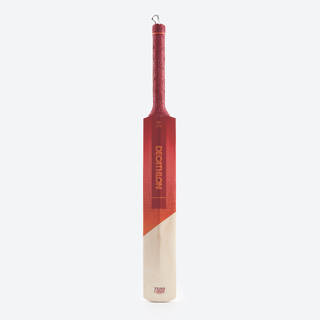
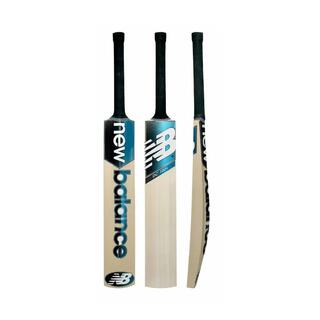
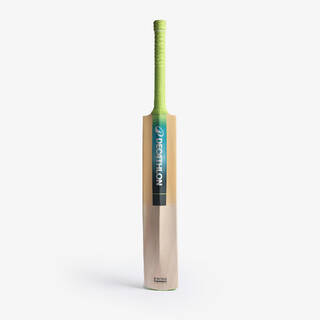
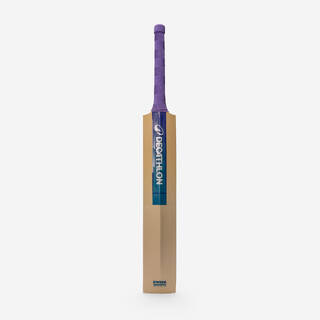
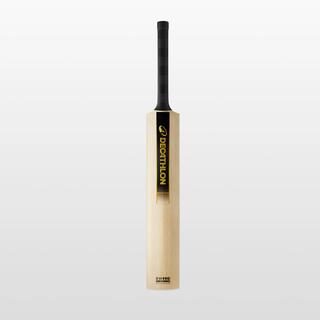
Finding the right cricket bat transforms your batting performance on Indian pitches. Adult cricket bats at Decathlon India combine quality English willow and Kashmir willow construction with balanced weight distribution, helping you play confident strokes during league matches, weekend club games, and regular practice sessions. Every bat undergoes quality checks for grain structure, moisture content, and edge thickness to ensure you get consistent performance across hard turf wickets, concrete practice pitches, and dusty maidans common across Indian cities.
Our adult cricket bat range covers tape ball cricket, leather ball matches, and net practice requirements. Lightweight designs suit quick stroke players who rely on timing and placement. Heavier profiles deliver power hitting for aggressive batsmen who clear boundaries. The Kipsta brand focuses on durability and performance balance, offering bats with thick edges, substantial sweet spots, and comfortable grip handles that reduce vibration shock during mistimed shots. Proper willow seasoning and oil treatment ensure bats withstand India's high humidity monsoon months and intense summer heat without developing surface cracks or handle separation.
How to Choose the Right Cricket Bat for Your Playing Style
Bat weight directly affects your shot control and power generation. Most adult players handle bats between 1100 grams and 1200 grams comfortably. Lighter bats around 1100 grams suit players who value quick bat speed, precise placement, and wrist work for deflections and cuts. Heavier bats near 1200 grams generate natural momentum for lofted shots and boundary hitting but demand stronger forearm strength and shoulder rotation. Test different weights by holding the bat at arm's length for 30 seconds. Your preferred weight should feel balanced without causing arm fatigue.
Willow grade determines bat lifespan and stroke responsiveness. English willow offers superior grain structure with 6 to 12 visible straight grains, providing excellent ball response and a larger sweet spot for confident stroke play. Kashmir willow delivers solid durability at accessible value, ideal for regular net practice, concrete pitch games, and tape ball cricket where bat damage risk runs higher. Check blade thickness at edges (typically 35mm to 40mm for power) and spine height (around 60mm to 65mm for balanced pickup). A well-pressed willow blade with visible grain lines and minimal knots ensures consistent performance across 2 to 3 playing seasons with proper maintenance.
Sweet Spot Size and Stroke Comfort for Match Performance
The sweet spot location impacts your scoring consistency across different bowling speeds and pitch conditions. Mid-blade sweet spots suit front-foot players who drive through the line and play grounded strokes along the carpet. Higher sweet spots benefit back-foot players who cut, pull, and hook short deliveries with authority. Press the bat face gently with your thumb across different blade areas. The sweet spot feels slightly softer and produces a clearer sound when tapped with a ball or wooden mallet.
Handle grip and cane construction affect vibration absorption during edge shots and yorker defense. Quality bats use 12 to 16 cane pieces bound tightly within the handle, reducing jarring shock that travels to your bottom hand during mistimed strokes. Rubber grip thickness between 1.5mm and 2mm provides comfortable hold without adding unnecessary handle weight. Players with smaller hands prefer single-grip handles, while those seeking extra cushioning add secondary grips for enhanced control during aggressive stroke play and fast bowling encounters.
Bat Preparation and Knocking-In for Indian Pitch Conditions
New cricket bats require proper knocking-in before match use to compress willow fibers and prevent surface cracking. Spend 3 to 4 hours gently striking the bat face, edges, and toe area with a wooden mallet or old cricket ball. Focus on edges and toe sections where impact damage occurs most frequently on uneven Indian pitches. Apply light raw linseed oil (not boiled) to the blade face, edges, and toe after knocking, allowing 24-hour absorption time between coats. Three to four oil applications over two weeks create protective moisture barriers against humidity and temperature fluctuations.
Avoid facing hard leather balls immediately after purchase. Start with soft throw-downs and gradually progress to medium-pace bowling over 200 to 300 practice deliveries. This gradual break-in period allows willow fibers to settle naturally without developing stress cracks. Never oil the bat handle, splice area, or grip rubber, as moisture weakens cane bindings and causes handle separation. Store bats in cool, dry spaces away from direct sunlight and concrete floors that draw moisture into the willow blade.
Bat Care and Maintenance for Extended Lifespan
Regular maintenance protects your cricket bat investment across multiple playing seasons. Clean the bat face after each session using a soft dry cloth to remove red ball marks, pitch dust, and moisture. Inspect edges and toe areas monthly for surface cracks or fiber separation. Apply thin raw linseed oil coats every 4 to 6 weeks during active playing months, reducing frequency during monsoon season when ambient humidity keeps willow naturally moist. Sand minor surface scratches gently with fine-grade sandpaper (400 grit) following the grain direction.
Toe guards add crucial protection against concrete pitch damage and wet ground moisture absorption. Quality fiber or rubber toe guards prevent bottom-edge splitting common when playing on hard municipal grounds and academy practice wickets. Replace worn grips every 3 to 4 months or when rubber loses tackiness and comfort. Anti-scuff sheets on blade faces reduce surface wear from fast bowling impacts but avoid thick plastic covers that trap moisture and promote mold growth. Never leave bats inside car trunks during summer months, as extreme heat causes willow to dry excessively and develop irreversible cracks across the blade face and shoulders.
Choosing Between English Willow and Kashmir Willow Bats
English willow and Kashmir willow serve different playing needs and usage intensity levels. English willow grows in cooler European climates, producing softer wood with superior grain structure and natural shock absorption. These bats offer larger sweet spots, better ball response, and lighter pickup weight for the same blade size. English willow suits competitive league matches, tournament cricket, and players who practice regularly with quality leather balls on turf wickets. Expect 2 to 3 seasons of solid performance with proper knocking and maintenance routines.
Kashmir willow grows in the Himalayan region, creating denser wood that withstands rough handling and hard pitch conditions. These bats handle tape ball cricket, concrete pitch games, and intensive net practice where bat damage risk runs higher. Kashmir willow requires less delicate care, tolerates moisture fluctuations better, and maintains structural integrity across varied Indian weather conditions. While the sweet spot feels smaller and pickup slightly heavier compared to English willow, Kashmir willow bats deliver reliable performance for recreational players, beginners building batting technique, and those playing primarily on artificial or concrete surfaces where premium willow would deteriorate quickly.
FAQ (Frequently Asked Questions)
Q1. What bat weight should I choose as an adult player for comfortable stroke play?
Most adult players handle bats between 1100 grams and 1200 grams effectively. Choose 1100 to 1150 grams if you rely on timing, placement, and quick bat speed for singles and boundaries through gaps. Select 1150 to 1200 grams if you prefer power hitting and clearing boundaries with natural bat momentum. Hold your preferred bat at arm's length for 30 seconds to test comfort without causing forearm fatigue.
Q2. How do I know if a cricket bat has a good sweet spot for my batting style?
Press the bat face gently with your thumb across different blade areas. The sweet spot feels slightly softer and produces a clearer sound when tapped with a ball. Mid-blade sweet spots suit front-foot drivers, while higher sweet spots benefit back-foot players who cut and pull short deliveries. Check that the sweet spot aligns with your natural contact point during practice strokes.
Q3. Do I need to knock in a new cricket bat before using it in matches?
Yes, knocking in compresses willow fibers and prevents surface cracking during match play. Spend 3 to 4 hours gently striking the bat face, edges, and toe with a wooden mallet or old ball. Apply light raw linseed oil after knocking and allow 24-hour absorption between coats. Start with soft throw-downs and gradually progress to medium-pace bowling over 200 to 300 deliveries before facing hard leather balls in competitive matches.
Q4. Which willow type works better for playing on concrete pitches and tape ball cricket?
Kashmir willow handles concrete pitches and tape ball cricket more effectively due to denser wood structure that withstands rough surfaces and frequent impacts. It tolerates moisture fluctuations better and requires less delicate maintenance compared to English willow. Kashmir willow maintains structural integrity across varied Indian weather conditions and delivers reliable performance for recreational play and intensive net practice on hard surfaces.
Q5. How often should I oil my cricket bat and which areas need protection?
Apply thin raw linseed oil coats every 4 to 6 weeks during active playing months. Focus on the blade face, edges, and toe area where moisture protection matters most. Reduce oiling frequency during monsoon season when ambient humidity keeps willow naturally moist. Never oil the handle, splice area, or grip rubber, as moisture weakens cane bindings and causes handle separation over time.
Q6. How can I protect my bat toe from damage on hard Indian pitches?
Install a quality fiber or rubber toe guard to prevent bottom-edge splitting common on concrete and hard municipal grounds. Toe guards block moisture absorption from wet ground conditions and reduce impact damage when the bat strikes the pitch surface during defensive strokes. Replace toe guards when they show significant wear or separation from the blade to maintain continuous protection across playing seasons.