Cricket Bat

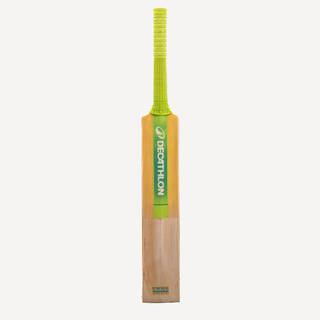

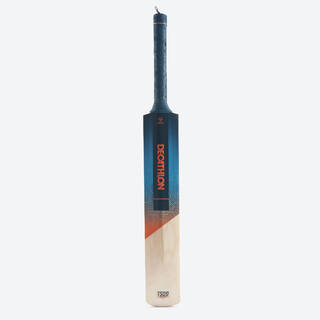
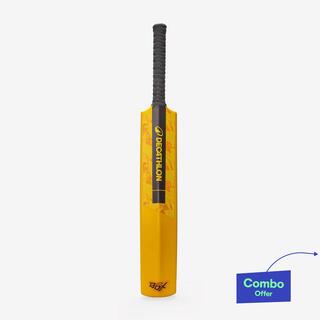
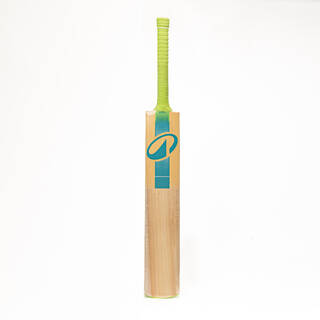
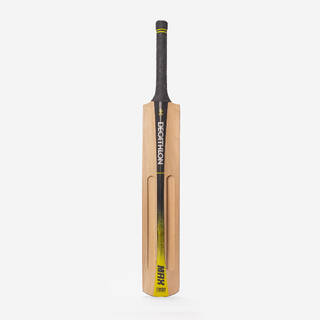
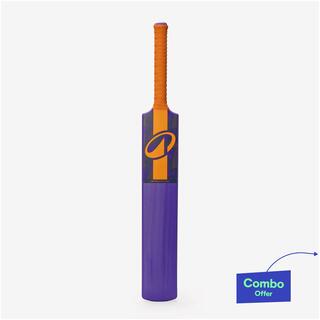
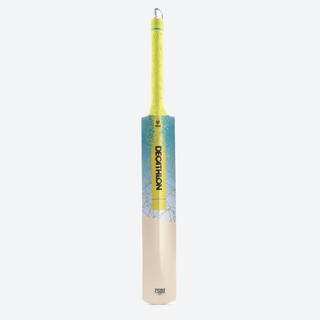
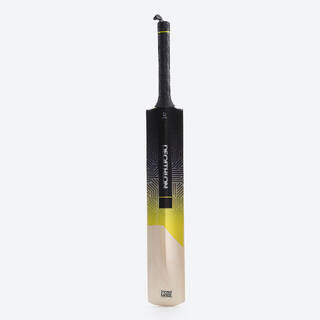
Kashmir Willow vs English Willow: Grain Density, Moisture Content, and Stroke Power Transfer
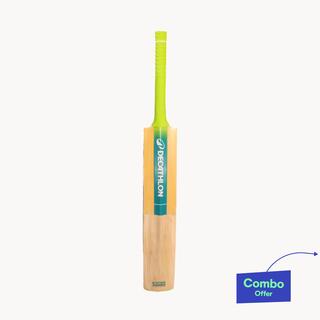
Cricket bat selection begins with understanding willow species and their structural properties. Kashmir willow bats feature a looser grain structure with wider spacing between growth rings, typically 8 to 12 grains per inch. This open cellular architecture makes them lighter (typically 1050 to 1150 grams for full-size bats) and more forgiving on mishits, ideal for leather balls on Indian concrete pitches and matting wickets. English willow exhibits tighter grain density, usually 6 to 10 evenly spaced grains per inch, with higher lignin content that creates a harder striking surface. The denser cellular matrix transfers kinetic energy more efficiently, producing greater ball speed off the middle sweet spot.
Moisture content directly affects bat longevity and performance consistency. Kashmir willow naturally retains 12 to 15 percent moisture when properly seasoned, requiring minimal knock-in preparation (approximately 2 to 3 hours with a mallet). English willow demands controlled moisture levels between 8 and 10 percent, achieved through extended air-drying periods of 9 to 12 months. Indian summer heat (35 to 45°C) accelerates moisture evaporation, causing blade cracking if bats lack protective linseed oil coatings. Apply raw linseed oil in thin layers (24-hour intervals between coats) to seal the wood grain and maintain structural integrity during high-temperature outdoor nets.
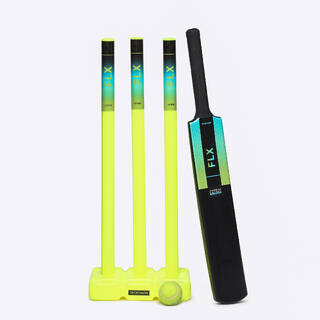
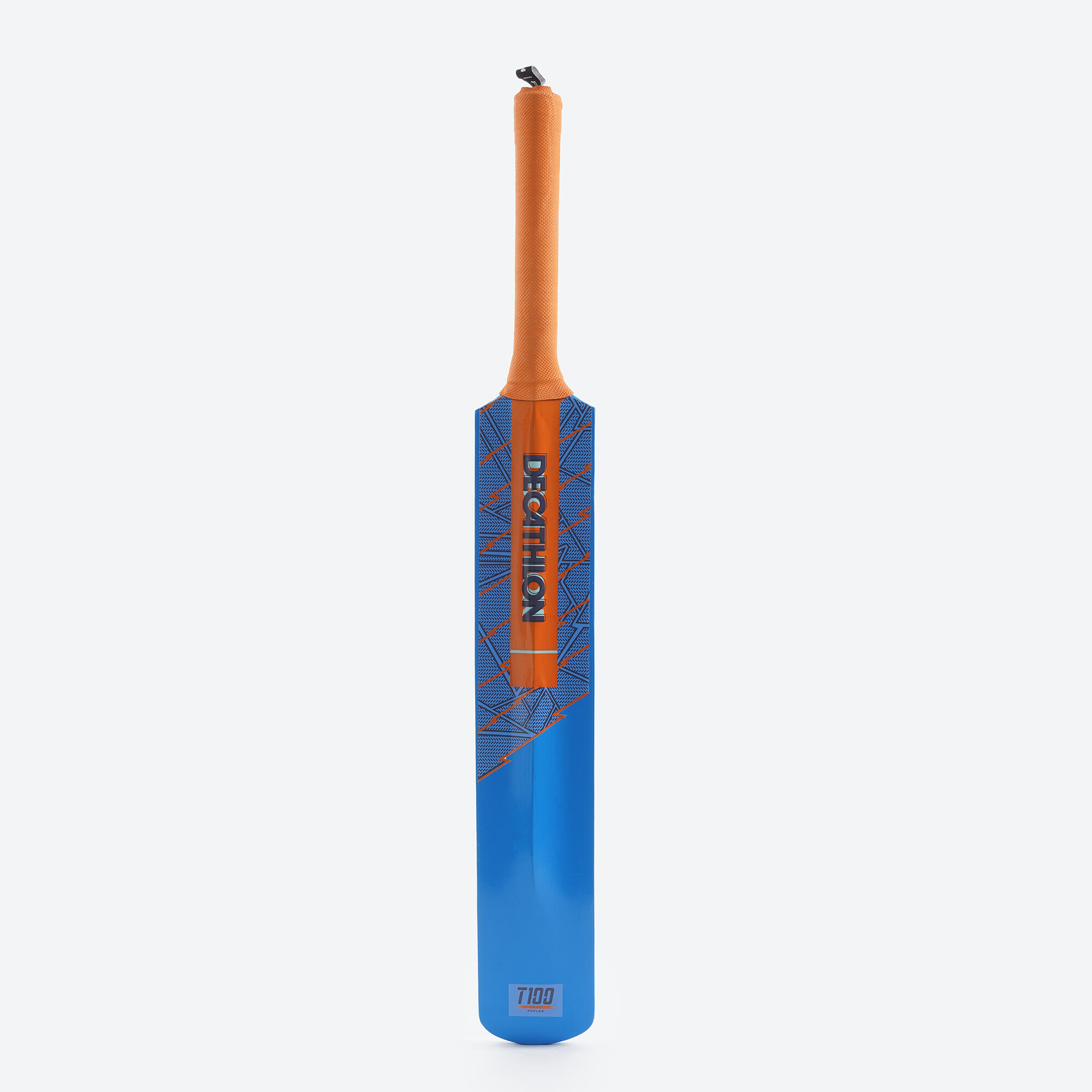
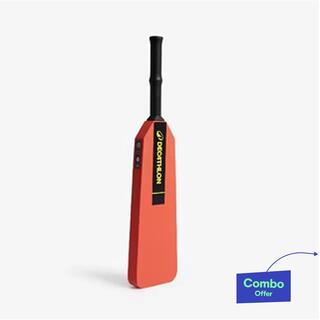
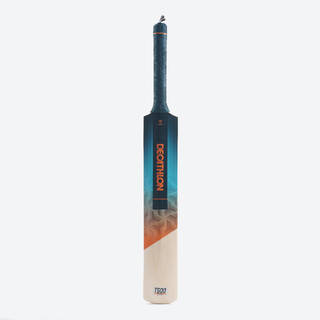
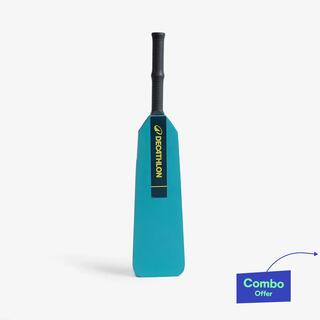
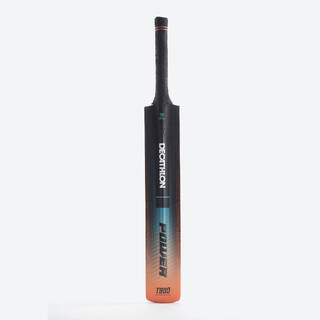
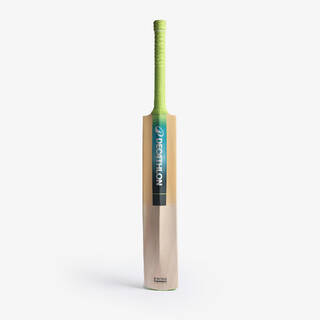
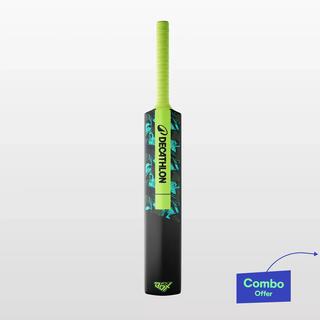
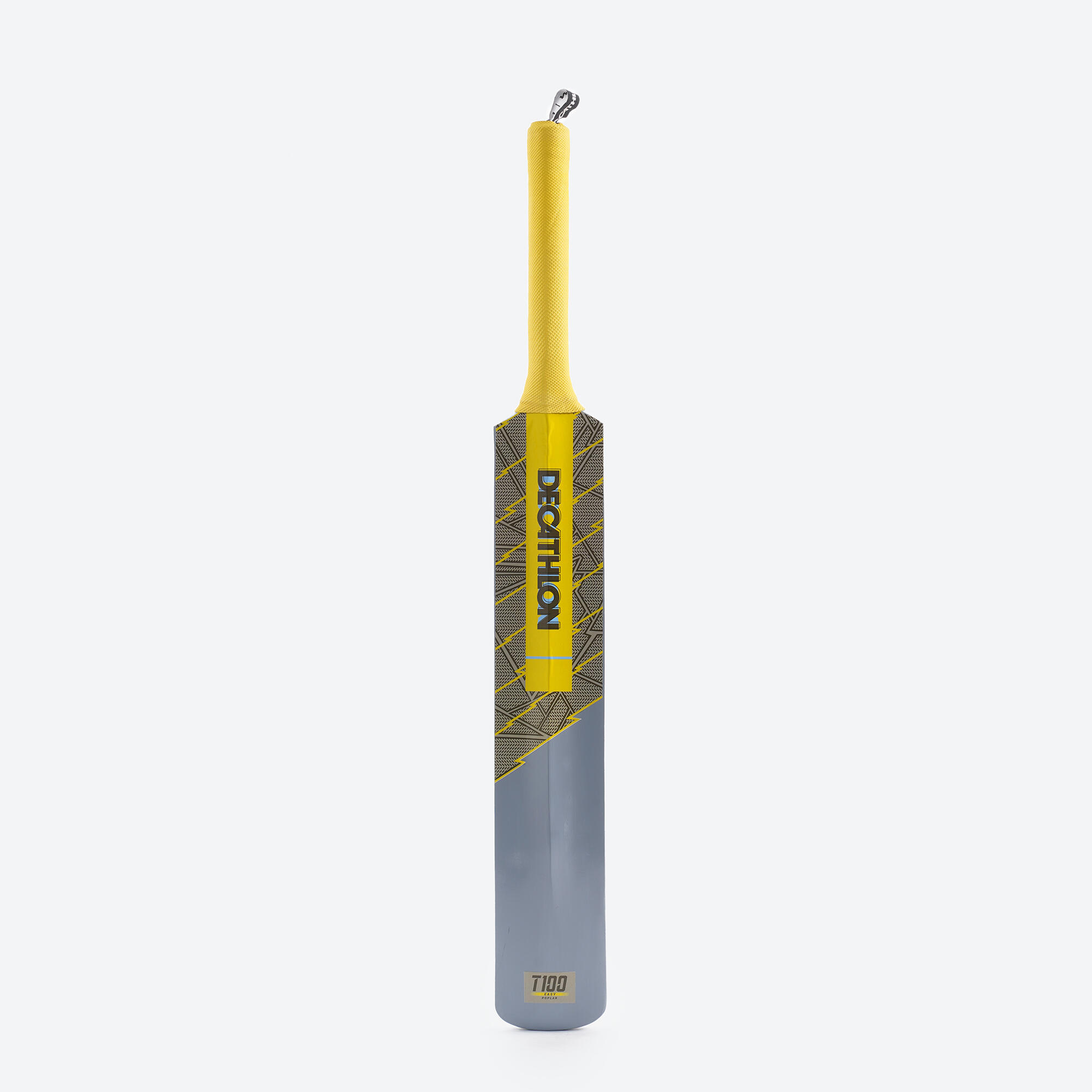
Decathlon's Kipsta cricket bats utilize grade-selected Kashmir willow with uniform grain patterns and minimal red wood discoloration. Each blade undergoes compression testing to ensure consistent rebound coefficients across the hitting zone. The sweet spot positioning (typically 150 to 200mm from the toe) aligns with biomechanical impact zones for drives and pulls. Handle construction uses multi-piece cane with rubber grip sleeves, absorbing vibration frequencies between 200 and 400 Hz that cause hand fatigue during extended batting sessions.
Bat Weight Distribution: Pickup Balance, Swing Speed Biomechanics, and Shot Execution Profiles
Bat weight alone does not determine performance. Weight distribution and balance point location control swing mechanics and shot selection capability. A bat's pickup refers to how its mass feels during the backswing and downswing phases. Bats with mid-to-low sweet spots (180 to 220mm from toe) concentrate mass lower in the blade, creating a bottom-heavy profile that suits front-foot drives and defensive blocks. High sweet spot positioning (100 to 150mm from toe) shifts mass toward the splice, producing a lighter pickup sensation despite identical overall weight. This top-heavy configuration accelerates bat speed through the hitting zone, favoring pull shots and cross-batted strokes.
Indian pitch conditions demand specific weight profiles. Hard, bouncy tracks with true bounce (common in Bangalore, Pune, and Delhi during winter months) allow heavier bats (1150 to 1200 grams) that maximize momentum transfer on impact. Slower, low-bounce surfaces (typical monsoon season wickets with moisture saturation) require lighter bats (1050 to 1100 grams) that generate bat speed through quick hands rather than mass. Tape ball cricket on concrete or artificial turf benefits from lighter pickups, as the reduced ball mass (approximately 100 grams vs 156 grams for leather) requires faster swing velocities to achieve equivalent shot power.
Kipsta offers differentiated weight categories across youth and adult ranges. Junior bats (sizes 3 to 6) maintain 850 to 1000 gram weights with shortened blade lengths (770 to 860mm) that match adolescent strength development phases. Full-size adult bats span 1050 to 1200 grams, with clearly marked weight stickers allowing grip-and-feel testing before purchase. The handle-to-blade mass ratio stays consistent at approximately 1:4, ensuring predictable swing dynamics across the weight spectrum.
Blade Profile Engineering: Edge Thickness, Spine Height, and Concave Pressing for Power Zones
Modern bat profiles manipulate wood volume distribution to create larger sweet spots without exceeding weight limits. Edge thickness measures the blade's lateral dimension at its widest point, typically ranging from 35 to 42mm in contemporary designs. Thicker edges (40mm plus) position more willow mass at the blade perimeter, expanding the effective hitting area for off-center contacts. This geometry suits players who favor horizontal bat shots (cuts, pulls, sweeps) where ball contact occurs away from the central axis. Spine height defines the blade's peak vertical dimension, usually 60 to 68mm measured from the back face. Higher spines concentrate mass directly behind the sweet spot, maximizing rebound energy for straight drives and lofted shots.
Concave pressing removes wood from the blade's back face, creating a curved depression that reduces overall weight while maintaining edge and spine dimensions. This manufacturing technique allows bat makers to produce lighter pickups (perceived weight during swing) with visually imposing profiles. The concave depth typically ranges from 3 to 8mm, with deeper scoops yielding greater weight savings but potentially reducing structural rigidity. Indian club cricketers playing on abrasive concrete pitches should prioritize moderate concave depths (4 to 6mm) that balance weight reduction with toe durability, as excessive hollowing weakens the lower blade section prone to surface contact damage.
Kipsta bat profiles follow biomechanical research on Indian batting styles. The mid-blade swell positioning (peak thickness at 300 to 350mm from toe) aligns with typical impact zones for drives played with a straight bat face. Edges taper gradually from maximum thickness to approximately 20mm at the toe, preventing bottom-edge fractures common when playing yorker-length deliveries on hard surfaces. Shoulder shaping (the transition zone between blade and handle splice) uses rounded contours rather than sharp angles, distributing impact stresses across a wider area and reducing splice separation failures.
Handle Construction: Cane Piece Configuration, Rubber Grip Durometer, and Vibration Damping
Cricket bat handles use Sarawak cane strips laminated together with adhesive resins. The number of cane pieces affects flex characteristics and shock absorption. Standard handles contain 9 to 12 cane strips arranged in a circular cross-section, providing moderate flex that absorbs approximately 15 to 20 percent of impact vibration energy. Stiffer handles (15 to 18 cane pieces) reduce flex amplitude, transmitting more feedback to the hands but offering greater control for precise shot placement. Indian net practice on cement pitches generates higher impact frequencies than turf wickets, making moderate-flex handles preferable for extended training sessions where hand fatigue accumulates.
Rubber grip sleeves serve dual functions: sweat absorption and vibration damping. Grip durometer (hardness) ranges from Shore A 40 (soft, tacky feel) to Shore A 60 (firm, durable surface). Softer grips compress more under finger pressure, increasing contact area and friction coefficient for secure hold during humid monsoon conditions when palm perspiration peaks. Firmer grips resist wear abrasion better, maintaining consistent thickness through 40 to 50 hours of batting. Decathlon Kipsta bats use dual-layer grip construction: a base layer of 1.5mm cushioning foam topped with a 0.8mm textured rubber outer, combining shock absorption with moisture wicking.
Handle length and shape influence batting stance mechanics. Standard adult handles measure 280 to 300mm from top cap to splice insertion point. Oval-shaped cross-sections (common in traditional designs) provide tactile orientation cues, allowing batsmen to feel blade alignment without visual confirmation. Round handles (increasingly popular in modern bats) permit free rotation during grip adjustments between deliveries. The handle-to-blade angle, typically 8 to 12 degrees from vertical, affects the bat's natural hang position when gripped. Indian coaching methodologies emphasizing high backlift and vertical bat swing paths benefit from handles with 10 to 12 degree angles that align the blade face perpendicular to the pitch surface at impact.
Knock-In Preparation, Oiling Protocols, and Maintenance for Indian Climate Durability
New cricket bats require compression conditioning before match use. Knock-in preparation compresses the willow's surface fibers, increasing density and reducing the risk of surface cracking on ball impact. Kashmir willow bats need 2 to 3 hours of mallet work, focusing on the blade face, edges, and toe area. Strike the surface with a wooden mallet or old cricket ball, using moderate force (approximately 30 to 40 Newton impact loads) in overlapping patterns. Avoid hitting the splice area or back of the blade. English willow demands 4 to 6 hours of knock-in due to its softer initial state, gradually increasing strike force as the surface hardens.
Linseed oil application protects against moisture ingress and UV degradation. Raw linseed oil (not boiled variants containing metallic driers) penetrates 1 to 2mm into the wood grain, filling cellular voids and creating a hydrophobic barrier. Apply thin coats with a lint-free cloth, allowing 24-hour drying intervals between applications. Three to four coats suffice for Kashmir willow; English willow may require five to six coats. Excess oil creates a sticky surface that attracts dust and impairs ball contact feel. Indian summer temperatures accelerate oil polymerization, reducing drying time to 12 to 16 hours but increasing the risk of uneven absorption if applied too thickly.
Storage conditions dramatically affect bat longevity in India's varied climate zones. High humidity regions (coastal areas during monsoon months with 80 to 95 percent relative humidity) cause wood swelling and potential mold growth. Store bats in climate-controlled environments (25 to 30°C, 50 to 60 percent humidity) or use silica gel packets inside bat covers. Arid zones (Rajasthan, interior Deccan plateau) present opposite challenges: rapid moisture loss causing blade cracking. Re-oil bats every 4 to 6 weeks during dry seasons. Inspect toe guards and edge tape regularly, replacing damaged sections before moisture penetrates the exposed wood. Clean blade surfaces after each use with a dry cloth, removing red ball leather marks and pitch debris that trap moisture against the willow.
Size Selection Guide: Blade Length Matching, Age-Appropriate Weights, and Stroke Development Phases
Correct bat sizing ensures proper biomechanics and skill development. Junior bat sizes (Harrow, size 1 through 6) correspond to player height and arm length rather than chronological age. Size 6 bats (blade length approximately 810mm, total length 860mm) suit players 140 to 150cm tall, typically 11 to 13 years old. Size 5 (blade 790mm) fits 130 to 140cm height range. The sizing progression continues downward in 20mm blade length increments. A properly sized bat, when stood upright beside the player, should reach from ground level to approximately mid-thigh height when the player stands in normal batting stance.
Weight progression must align with strength development. Overweight bats force compensatory swing mechanics: collapsed front arm, bottom-hand dominance, and abbreviated follow-through. These adaptations become ingrained movement patterns that limit shot repertoire as players mature. Junior players should use bats weighing 60 to 70 percent of their maximum comfortable swing weight. A simple test: hold the bat horizontal at arm's length for 20 seconds. If trembling occurs before 15 seconds, the bat exceeds appropriate weight. Kipsta junior bats maintain 850 to 1000 gram weights across sizes 3 to 6, allowing natural strength gains to accommodate the fixed weight as players grow into larger sizes.
Transition to full-size bats (short handle or long handle variants) should occur when players reach 155 to 160cm height, regardless of age. Short handle full-size bats (total length 960mm) bridge the gap between size 6 and standard long handle models (total length 990mm). This intermediate option prevents the abrupt jump in bat dimensions that can disrupt timing and footwork patterns. Indian cricket academies typically recommend full-size adoption by age 14 to 15, coinciding with increased bowling speeds in competitive youth cricket. Monitor grip comfort: players should achieve a two-finger gap between bottom hand and pad when gripping the handle normally, indicating sufficient handle length for proper wrist positioning during shot execution.
FAQ (Frequently Asked Questions)
Q1. What factors should I consider when choosing a cricket bat?
When choosing a cricket bat, consider factors such as your playing style (power hitter or touch player), weight and pick-up preference, willow quality, sweet spot size, grip and handle comfort, and brand reputation. Additionally, seek guidance from our knowledgeable staff to find the perfect match for your needs.
Q2. How do I maintain my cricket bat?
Proper maintenance is crucial for extending the lifespan and performance of your cricket bat. Store it in a cool, dry place, use a bat cover, gradually knock it in, regularly oil and knock it in, repair any cracks or chips promptly, and replace it when necessary.
Q3. What is the difference between bats for different cricket formats?
Cricket bats are tailored for different formats and playing styles. Test cricket bats often have a classic profile and solid middle for power and control, T20 bats feature a larger sweet spot and lower pick-up for big-hitting, and ODI bats blend power and finesse for versatility.
Q4. How do I choose the right weight for my cricket bat?
The ideal weight for your cricket bat depends on your playing style, strength, and preferences. Heavier bats generally provide more power, while lighter bats offer improved maneuverability and shot timing. Consider your height, weight, grip strength, and batting stance when selecting the right weight.
Q5. What is the importance of willow quality in a cricket bat?
Willow quality is crucial for a cricket bat's performance and durability. High-quality willow with a consistent grain pattern and minimal defects ensures better power transfer, improved sweet spot, and longer lifespan. At Decathlon, we source the finest willow from trusted suppliers.
Q6. Can I get a custom-made cricket bat at Decathlon?
While we do not offer custom-made cricket bats, our extensive collection caters to a wide range of playing styles and preferences. Our knowledgeable staff can guide you in finding the perfect bat that meets your specific requirements from our diverse range.
Q7. How often should I replace my cricket bat?
The lifespan of a cricket bat depends on factors such as usage, maintenance, and quality. As a general guideline, bats used frequently in matches or intensive training may need to be replaced every 1-2 years, while bats used occasionally can last longer. Replace your bat if it becomes too worn or damaged to ensure safety and optimal performance.
Q8. Can I get my cricket bat repaired at Decathlon?
Unfortunately, we do not offer cricket bat repair services at Decathlon. However, we recommend addressing any cracks or chips promptly by seeking professional repair services to prevent further damage and extend the lifespan of your bat.
Q9. What is the difference between a Kashmir willow and an English willow bat?
Kashmir willow bats are known for their lightweight and responsive nature, making them popular among touch players and those seeking enhanced maneuverability. English willow bats, on the other hand, are generally heavier and more dense, providing increased power and durability, making them a preferred choice for power hitters.
Q10. Can I try out different cricket bats at Decathlon before making a purchase?
Absolutely! At Decathlon, we encourage customers to try out different cricket bats in our stores to get a feel for the weight, pick-up, and overall comfort. Our knowledgeable staff will be happy to assist you in finding the perfect bat that suits your playing style and preferences.
Q11. What is the difference between Kashmir willow and English willow cricket bats for Indian pitch conditions?
Kashmir willow features wider grain spacing (8 to 12 grains per inch) and looser cellular structure, making it lighter and more durable for hard Indian pitches, concrete practice surfaces, and tape ball cricket. English willow has tighter grain density (6 to 10 grains per inch) with higher lignin content, producing greater ball speed off the middle but requiring more careful maintenance in India's variable humidity and temperature conditions. Kashmir willow needs minimal knock-in (2 to 3 hours) while English willow demands 4 to 6 hours of compression preparation.
Q12. How do I choose the correct cricket bat weight and pickup balance for my playing style?
Bat weight should allow comfortable horizontal hold at arm's length for 20 seconds without trembling. Weight distribution matters more than total mass: mid-to-low sweet spots (180 to 220mm from toe) suit front-foot players and defensive techniques, while high sweet spots (100 to 150mm from toe) create lighter pickup feel favoring pull shots and aggressive stroke play. Indian hard pitches allow heavier bats (1150 to 1200 grams) for momentum transfer, while slower monsoon wickets benefit from lighter options (1050 to 1100 grams) generating bat speed through quick hands.
Q13. What knock-in preparation and oiling routine should I follow for a new Kipsta cricket bat in Indian climate?
Kashmir willow bats require 2 to 3 hours of mallet knock-in, striking the blade face, edges, and toe with moderate force (30 to 40 Newton impacts) in overlapping patterns while avoiding the splice. Apply three to four thin coats of raw linseed oil with 24-hour drying intervals between applications, allowing the oil to penetrate 1 to 2mm into the wood grain. In Indian summer heat (35 to 45°C), drying time reduces to 12 to 16 hours but apply thinner coats to prevent uneven absorption and sticky residue buildup.
Q14. Which cricket bat size should I select for my child based on height and age?
Size selection depends on height rather than age. Size 6 bats (blade length 810mm) suit players 140 to 150cm tall, size 5 (790mm blade) fits 130 to 140cm height, with 20mm blade length decrements for smaller sizes. When stood upright beside the player, the bat should reach mid-thigh height in normal batting stance. Weight should be 60 to 70 percent of maximum comfortable swing weight, tested by holding the bat horizontal at arm's length for 20 seconds without trembling before 15 seconds.
Q15. How does edge thickness and spine height affect cricket bat performance and shot selection?
Edge thickness (35 to 42mm range) positions more willow mass at blade perimeter, expanding the effective hitting area for off-center contacts and favoring horizontal bat shots like cuts, pulls, and sweeps. Spine height (60 to 68mm typical) concentrates mass behind the sweet spot, maximizing rebound energy for straight drives and lofted shots. Thicker edges (40mm plus) and higher spines create visually imposing profiles but may increase overall weight unless combined with concave pressing (3 to 8mm depth) that removes wood from the blade's back face.
Q16. What handle construction and grip type works best for Indian net practice on cement pitches?
Handles with 9 to 12 cane pieces provide moderate flex that absorbs 15 to 20 percent of impact vibration, reducing hand fatigue during extended cement pitch practice sessions that generate higher impact frequencies than turf wickets. Dual-layer grips combining 1.5mm cushioning foam base with 0.8mm textured rubber outer offer shock absorption and moisture wicking for humid conditions. Softer grip durometer (Shore A 40 to 50) increases friction coefficient during monsoon perspiration, while firmer options (Shore A 55 to 60) resist wear through 40 to 50 batting hours.
Q17. How should I store and maintain my cricket bat during monsoon season and summer heat?
Coastal monsoon humidity (80 to 95 percent) causes wood swelling and mold growth, requiring climate-controlled storage (25 to 30°C, 50 to 60 percent humidity) or silica gel packets inside bat covers. Arid summer conditions cause rapid moisture loss and blade cracking, necessitating re-oiling every 4 to 6 weeks with thin raw linseed oil coats. Clean blade surfaces after each use with a dry cloth to remove leather ball marks and pitch debris that trap moisture. Inspect and replace damaged toe guards and edge tape before moisture penetrates exposed wood.
Q18. What is the ideal sweet spot position for playing on Indian hard pitches and matting wickets?
Mid-blade sweet spot positioning (150 to 200mm from toe, with peak thickness at 300 to 350mm from toe) aligns with typical impact zones for drives played with straight bat face on Indian hard pitches. This placement suits true-bounce conditions common in Bangalore, Pune, and Delhi during winter months. The sweet spot location affects weight distribution: lower positioning creates bottom-heavy profile favoring front-foot defense, while higher placement (100 to 150mm from toe) produces lighter pickup for aggressive cross-batted strokes on slower, low-bounce monsoon wickets.
Q19. When should a junior player transition from size 6 to full-size cricket bat?
Transition to full-size bats should occur when players reach 155 to 160cm height, typically age 14 to 15, coinciding with increased bowling speeds in competitive youth cricket. Short handle full-size bats (total length 960mm) bridge the gap between size 6 (860mm total length) and standard long handle models (990mm), preventing abrupt dimensional jumps that disrupt timing and footwork. Proper fit requires a two-finger gap between bottom hand and pad when gripping normally, indicating sufficient handle length for correct wrist positioning during shot execution.
Q20. Do Kipsta cricket bats require different maintenance compared to other brands?
Kipsta bats use grade-selected Kashmir willow with uniform grain patterns and undergo compression testing for consistent rebound coefficients, but maintenance protocols remain identical to other Kashmir willow bats. Follow standard knock-in preparation (2 to 3 hours mallet work), apply three to four thin raw linseed oil coats with 24-hour drying intervals, and store in controlled humidity environments (50 to 60 percent relative humidity). The multi-piece cane handle construction and rubber grip sleeves absorb vibration frequencies between 200 and 400 Hz, but grip replacement follows typical wear schedules of 40 to 50 batting hours.