Cricket Bat English Willow

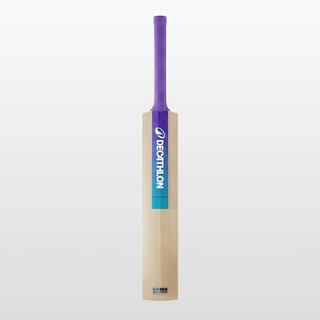
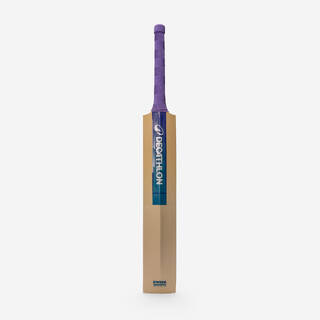
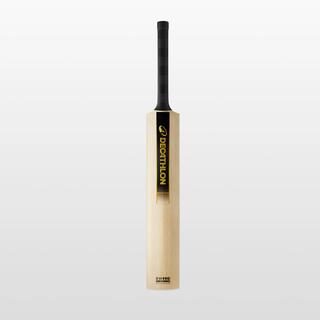
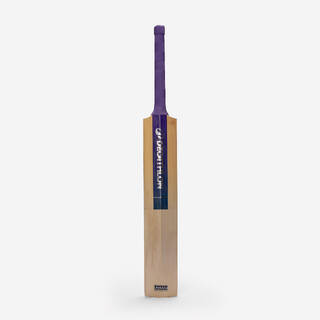
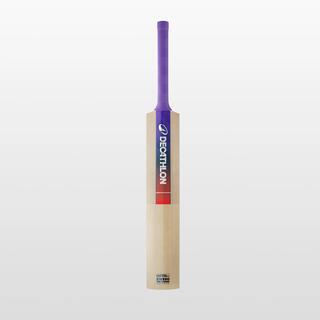
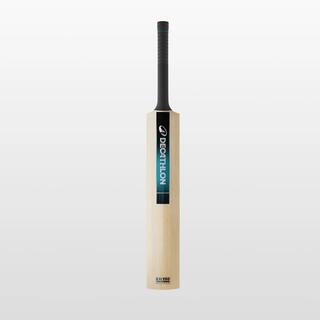
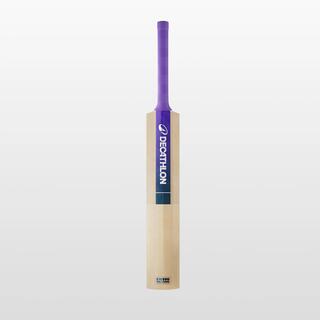
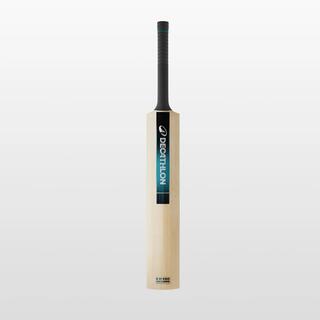
Buy Cricket Bat English Willow Online at Decathlon India | English Willow Cricket Bats for Men & Players
English willow cricket bats deliver superior performance for serious club players, academy trainees, and weekend match enthusiasts across India. These bats offer a larger sweet spot, lighter pickup weight, and better ball response compared to Kashmir willow alternatives. Decathlon's Kipsta English willow range caters to opening batsmen who value timing, middle-order players who need power hitting capability, and tailenders seeking confident stroke play. Every bat undergoes moisture control treatment to handle India's humid coastal conditions and dry inland heat without warping or cracking.
English willow grows in temperate climates and features a softer, more fibrous grain structure that compresses on ball impact and springs back faster. This natural elasticity translates to more runs with less effort, especially when facing pace bowlers on hard turf wickets common in Mumbai, Bangalore, and Delhi grounds. The wood's lighter density (compared to Kashmir willow) reduces arm fatigue during long innings and improves bat speed through the hitting zone. Decathlon sources Grade 1 and Grade 2 English willow, ensuring straight grains, minimal blemishes, and consistent performance across the blade face.
Indian players face unique challenges: concrete practice pitches that test bat durability, monsoon humidity that swells wood fibers, and intense summer heat that dries out natural moisture. Kipsta English willow bats come pre-treated with linseed oil coatings that seal the wood surface, prevent moisture ingress during rainy net sessions, and maintain structural integrity through temperature swings. The cane handle with rubber grip absorbs shock from mis-hits and reduces vibration transfer to the hands, critical when practicing on unforgiving cement wickets found in most residential colonies and school grounds.
How to Choose the Right English Willow Cricket Bat
Bat weight and pickup balance matter more than raw mass. A 1150-gram bat with a mid-to-low sweet spot feels lighter in hand than a poorly balanced 1100-gram bat with top-heavy weight distribution. Hold the bat horizontally with one hand at the handle base. If the toe drops quickly, the bat is blade-heavy and will tire your wrists during long innings. If it stays level or rises slightly, the weight is well distributed for controlled shots and quick bat lifts between deliveries. Decathlon Kipsta bats feature weight classifications (1100g to 1200g) with clear balance profiles, helping you match bat specs to your natural swing style.
Grain count indicates willow maturity and performance potential. Six to eight straight grains running vertically down the blade face signal premium quality wood with optimal fiber density. More grains (10 to 12) suggest faster-grown willow that may lack durability, while fewer grains (4 to 5) indicate older, denser wood that needs longer knocking-in periods. Check for red wood patches near the edges, which are natural heartwood sections. Small amounts are acceptable, but large red areas reduce the effective hitting zone. Kipsta English willow bats display clear grain patterns, allowing you to assess wood quality before purchase.
Handle type affects shock absorption and shot control. Round handles suit players with orthodox grips who rely on wrist rotation for placement shots. Oval handles provide more surface contact for power hitters who use bottom-hand dominance to clear boundaries. The cane layers inside the handle compress on impact, absorbing vibrations from edges and mis-timed drives. Rubber grips should feel tacky without being sticky, maintaining hold even when palms sweat during afternoon matches. Decathlon offers both handle profiles across different bat models, ensuring comfort for classical technique players and aggressive stroke makers alike.
Knocking In and Pre-Match Preparation
New English willow bats require proper knocking in to compress wood fibers and prevent cracking during match play. Start by applying raw linseed oil (not boiled) to the blade face, edges, and toe, avoiding the splice area where handle meets blade. Let the oil soak for 24 hours, then wipe off excess. Repeat this process three times over one week. The oil seals surface pores, preventing moisture entry and reducing the risk of edge splits when the ball hits off-center.
Use a wooden mallet or old cricket ball in a sock to strike the blade face systematically. Begin with gentle taps across the entire surface, gradually increasing force over 4 to 6 hours of total knocking time spread across multiple sessions. Focus on edges and toe areas, which absorb maximum impact during defensive shots and yorker deliveries. Avoid hitting the splice or back of the bat. After knocking in, the blade surface should feel firm with a slight give, not rock-hard or spongy. Kipsta English willow bats come partially prepared, reducing your knocking time to 2 to 3 hours for match readiness.
Test the bat with old balls during net practice before using it in competitive matches. Start with gentle defensive pushes, then progress to full drives and pull shots as the wood settles. Listen for a clean, crisp sound on middle hits. A dull thud indicates the bat needs more knocking, while a sharp crack suggests proper fiber compression. Check edges and toe for surface cracks after each session. Minor hairline cracks are normal and can be sealed with bat tape, but deep splits require professional repair or replacement.
Performance Features for Indian Playing Conditions
English willow's natural moisture content (12 to 15 percent) makes it vulnerable to India's extreme humidity swings. Coastal cities like Chennai and Kolkata experience 80 percent humidity during monsoons, causing wood fibers to swell and lose compression strength. Inland regions like Pune and Hyderabad drop to 20 percent humidity in summer, drying out the wood and making it brittle. Kipsta bats undergo controlled drying and oil treatment cycles that stabilize moisture levels, allowing the bat to perform consistently whether you're playing in Goa's sea breeze or Rajasthan's desert heat.
Hard turf wickets and cement practice pitches generate higher impact forces than grass wickets. Each defensive block or mistimed shot transmits shock through the blade into the handle and your hands. English willow's softer grain structure absorbs more of this impact compared to denser Kashmir willow, reducing hand sting and allowing you to play longer practice sessions without discomfort. The sweet spot, typically located 10 to 15 cm from the toe, expands across a wider area on well-made English willow bats, giving you more margin for error when the ball seams or bounces unexpectedly.
Dust and grit from Indian grounds accumulate in the bat's wood pores, gradually clogging the natural fiber channels that provide rebound energy. After each match or practice session, wipe the blade with a dry cloth to remove surface dirt. Every two weeks, use fine sandpaper (400 grit) to lightly buff the hitting surface, reopening compressed fibers and restoring ball response. Reapply a thin coat of linseed oil monthly during active playing seasons, and store the bat in a cool, dry place away from direct sunlight. Proper maintenance extends English willow bat life to 3 to 4 seasons of regular club cricket.
Bat Size and Weight Selection Guide
Bat length must match your height and stance for optimal control. Stand upright holding the bat vertically next to your leg. The bat top (shoulder of the blade) should reach your hip bone. If it extends past your hip, the bat is too long and will feel unwieldy during quick singles and defensive shots. If it stops below your hip, you'll struggle to reach wide deliveries and high bouncers. Decathlon Kipsta offers standard sizes: Short Handle (SH) for players 5'3" to 5'6", Harrow for 5'7" to 5'9", and Long Handle (LH) for players above 5'10". Junior sizes (Size 5, Size 6) cater to academy players and school cricketers.
Weight preference depends on your batting role and physical strength. Opening batsmen who play long innings benefit from lighter bats (1100g to 1150g) that reduce arm fatigue and maintain bat speed through the 30th over. Middle-order hitters who face spin and need boundary-clearing power prefer heavier bats (1180g to 1220g) with more mass behind the ball at impact. All-rounders and tailenders should choose mid-weight options (1150g to 1180g) that balance control with power. Pick up multiple bats in your weight range and perform shadow shots. The bat that feels effortless through your natural swing arc is the right choice, regardless of the number on the scale.
Blade profile affects shot selection and playing style. Traditional full profiles with thick edges (35mm to 40mm) and substantial spines suit front-foot players who drive through the line. Modern low-profile bats with concave backs reduce overall weight while maintaining edge thickness, helping back-foot players pull and cut with quick hands. Kipsta English willow bats feature both profiles, allowing you to match blade shape to your dominant scoring zones and preferred shot range.
Care and Storage for Long Bat Life
Store your English willow bat in a padded cover inside a cricket kit bag, away from direct heat sources and damp areas. Never leave the bat in a car trunk during summer, as temperatures above 40°C dry out the wood and cause toe cracks. Avoid storing bats in bathrooms or near washing areas where humidity exceeds 70 percent for extended periods. Ideal storage conditions maintain 40 to 50 percent relative humidity and temperatures between 20°C and 30°C. If you live in extremely humid coastal regions, place silica gel packets in your bat cover to absorb excess moisture.
Inspect the bat before and after every use. Check the toe for impact damage, edges for compression dents, and the splice for separation cracks. Apply bat tape (fiber tape, not PVC tape) to edges and toe areas as preventive protection, especially if you play on abrasive concrete wickets. Replace worn grips every season or when they lose tackiness, as a slipping grip causes mis-hits that damage the bat. Tighten loose handle screws using a cricket bat repair kit, available at Decathlon stores.
Avoid using English willow bats with hard leather balls during initial practice sessions. Break in the bat with softer practice balls or tennis balls wrapped in tape until the wood fibers fully compress. Never use the bat in wet conditions or immediately after rain, as moisture softens the wood and increases crack risk. If the bat gets wet, wipe it dry immediately and let it air-dry naturally for 48 hours before applying fresh linseed oil. With proper care, a quality English willow bat delivers peak performance for 2000 to 3000 deliveries faced across multiple seasons.
FAQ (Frequently Asked Questions)
Q1. What is the difference between English willow and Kashmir willow cricket bats?
English willow is softer, lighter, and has a larger sweet spot with better ball rebound, making it ideal for serious club and academy players. Kashmir willow is denser and heavier, suitable for beginners and practice sessions on hard surfaces. English willow requires more careful maintenance and knocking in, while Kashmir willow is more forgiving and durable for casual play.
Q2. How long does it take to knock in a new English willow bat?
A new English willow bat needs 4 to 6 hours of total knocking time spread over multiple sessions, plus three rounds of linseed oil application over one week. Kipsta English willow bats come partially prepared, reducing your knocking time to 2 to 3 hours. Focus on edges and toe areas with a wooden mallet, gradually increasing strike force to compress wood fibers properly.
Q3. Can I use an English willow bat on cement practice pitches?
Yes, but only after thorough knocking in and applying protective bat tape to edges and toe. Cement pitches generate higher impact forces than turf wickets, so start with defensive shots and gradually progress to full drives. Regularly check for edge cracks and reapply linseed oil every two weeks to maintain wood integrity during practice sessions.
Q4. Which bat weight should I choose for opening batting in club cricket?
Opening batsmen benefit from bats weighing 1100g to 1150g with mid-to-low sweet spots for better bat speed and reduced arm fatigue during long innings. Test the pickup by holding the bat horizontally with one hand. If it stays level or feels balanced, the weight distribution suits extended play and quick singles between wickets.
Q5. How do I maintain my English willow bat during monsoon season?
Apply a thin coat of raw linseed oil before monsoon starts to seal wood pores against moisture. Store the bat in a padded cover with silica gel packets inside your kit bag, away from damp walls and wet floors. Never use the bat in rain or on wet pitches. After each session, wipe the blade dry and let it air out completely before storing.
Q6. What grain count should I look for in a good English willow bat?
Look for six to eight straight grains running vertically down the blade face, indicating premium quality willow with optimal fiber density and durability. More grains (10 to 12) suggest faster-grown wood that may lack longevity, while fewer grains (4 to 5) require longer knocking-in periods. Kipsta English willow bats display clear grain patterns for easy quality assessment.