Cricket Bat Kids

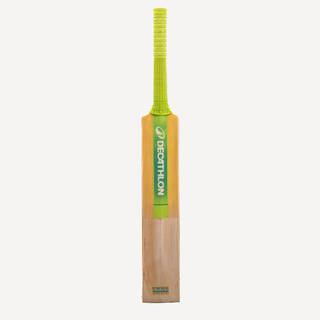
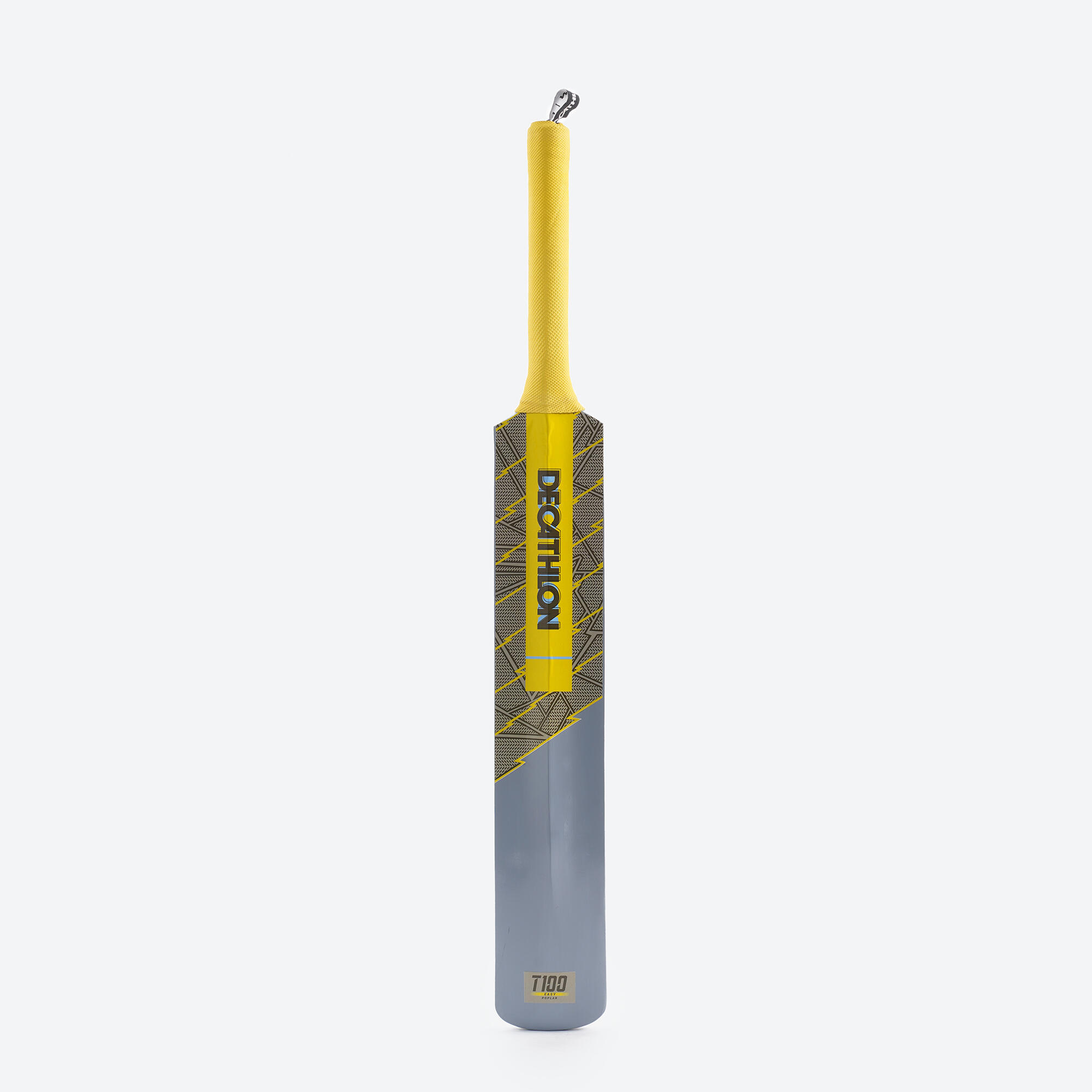
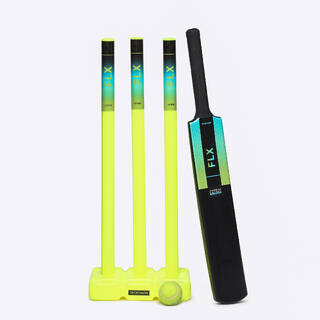
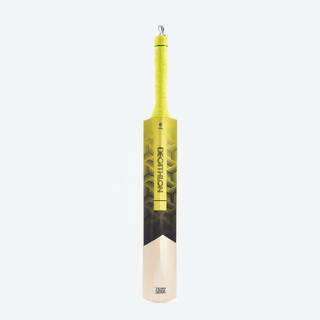

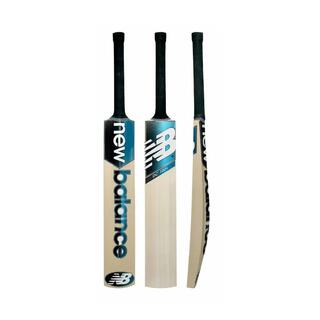
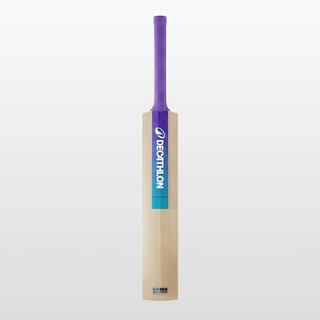
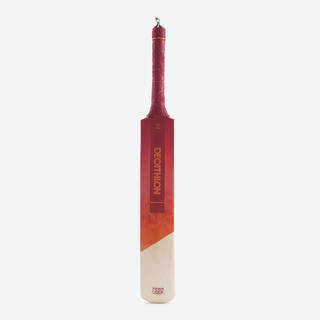

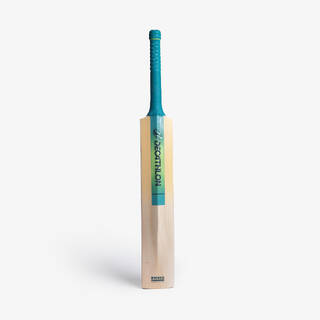
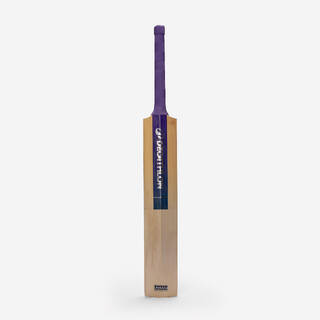
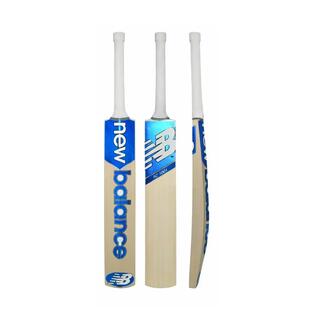
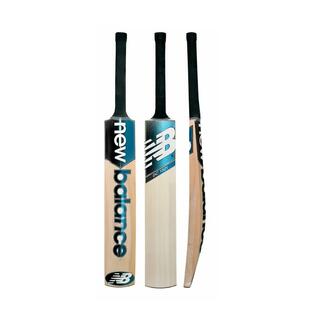
Buy Cricket Bat Kids Online at Decathlon India | Cricket Bats for Children & Juniors
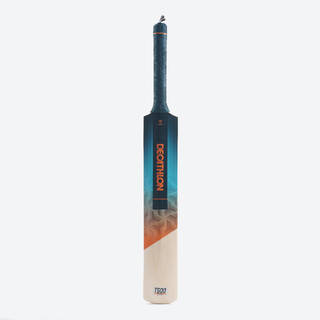
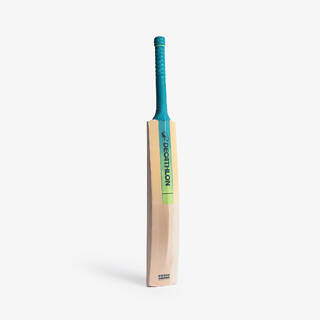
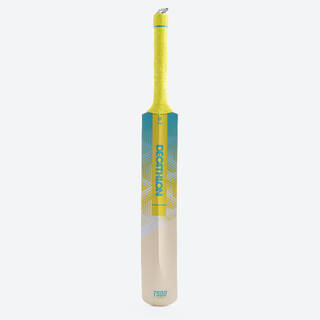
Finding the right cricket bat for your child makes all the difference in their early cricket journey. Decathlon India offers a complete range of kids' cricket bats designed specifically for young players aged 4 to 14 years. Our Kipsta cricket bats are built with lightweight construction, proper weight distribution, and comfortable grip sizes that suit smaller hands. Every bat in our collection is tested for durability against hard leather balls, concrete pitch impacts, and the rough play that comes naturally with childhood practice sessions.
Indian children learn cricket on a variety of surfaces, from school playgrounds and building compounds to turf wickets and hard concrete pitches. Our kids' cricket bats feature reinforced toe guards to withstand repeated ground contact, thick edges for confident stroke play, and sweet spots positioned for developing batting techniques. The willow quality ranges from entry-level Kashmir willow for beginners to seasoned English willow for junior tournament players. Rubber grips stay firm even during humid monsoon months, and the handle cane construction absorbs shock without transferring excessive vibration to young wrists and elbows.
How to Choose the Right Cricket Bat for Your Child
Bat size depends entirely on your child's height and age, not their skill level. A bat that's too long or too heavy will hurt their batting form and slow down their swing speed. For children aged 4 to 6 years (height around 100 to 115 cm), a Size 1 or Size 2 bat works best. Kids aged 7 to 9 years (height 116 to 135 cm) should use Size 3 or Size 4 bats. For older children aged 10 to 12 years (height 136 to 150 cm), Size 5 or Size 6 bats provide the right balance. Teenagers above 150 cm height can transition to Harrow or full-size bats.
Weight matters just as much as length. Your child should be able to lift the bat comfortably with one hand and hold it steady for at least 10 seconds without arm strain. Kashmir willow bats are lighter and more forgiving for beginners who are still learning proper shot technique. English willow bats offer better stroke response and ball ping but require more careful maintenance. Check the handle thickness as well. Thinner handles suit smaller palm sizes and allow better wrist rotation during drives and pulls.
Willow Types and Durability for Young Players
Kashmir willow is the most practical choice for children who play regularly in schools, building compounds, or coaching academies. This willow type withstands rough treatment, tolerates inconsistent pitch bounce, and handles tennis balls, rubber balls, and leather balls equally well. The wood grain is denser, which means the bat lasts longer even when kids forget to oil it or leave it in the sun after practice. Kashmir willow bats also cost less to replace as your child outgrows sizes every 18 to 24 months.
English willow bats are ideal for junior cricketers who play in competitive matches or district-level tournaments. The wood is softer and more responsive, producing a louder sound and better ball carry on proper strokes. However, English willow needs regular oiling, careful drying after wet outfield practice, and protection from direct sunlight. The sweet spot is larger, and the edges are thicker, giving young batters more confidence when facing fast bowlers. These bats perform best on turf wickets and well-maintained cricket grounds.
Grip Comfort and Handle Strength for Safe Play
A good cricket bat grip prevents blisters, reduces hand fatigue, and helps children maintain proper batting stance throughout long practice sessions. Kipsta kids' bats come with rubber grips that offer cushioning without being too thick. The grip texture stays tacky even when small hands sweat during afternoon games in high heat and humidity. Thinner grips allow better finger placement for correct V-grip formation, which coaches emphasize during early batting lessons.
Handle construction uses multiple layers of cane that flex slightly on impact, absorbing shock before it reaches the hands and wrists. This is especially important for children whose bones and joints are still developing. A well-made handle prevents jarring sensations when the ball hits the toe or edge of the bat. The handle length is proportionate to the blade size, ensuring balanced weight distribution. Kids can play forward defense, cover drives, and pull shots without feeling the bat is front-heavy or difficult to control.
Bat Maintenance Tips for Long-Lasting Performance
New cricket bats need knocking in before match use, even for kids. Spend 2 to 3 hours gently tapping the blade surface with a wooden mallet or an old cricket ball inside a sock. Focus on the edges, toe, and the area just below the sweet spot. This compresses the willow fibers and prevents cracking when your child faces hard leather balls. Kashmir willow bats need less knocking than English willow, but the process still improves durability.
Apply raw linseed oil to the blade face, edges, and toe every 4 to 6 weeks during active playing seasons. Use a soft cloth, apply a thin layer, and let the bat rest horizontally overnight in a cool, dry place. Never oil the splice area where the handle meets the blade. After practice in dewy morning conditions or light rain, wipe the bat dry immediately and store it indoors. Avoid leaving bats in car trunks or near windows where temperature swings cause wood expansion and contraction. A simple bat cover protects against dust, moisture, and accidental knocks during transport to coaching classes or weekend matches.
Safety Features and Toe Guard Protection
The toe of a cricket bat takes the most punishment, especially when children play on rough concrete or uneven mud pitches. Kipsta kids' bats feature reinforced toe guards made from durable rubber or composite material that shields the wood from ground impact during forward defensive shots and drives. This protection extends bat life significantly and prevents the toe from splitting or chipping after repeated use.
Rounded edges reduce the risk of injury when bats are swung in crowded nets or during backyard games with friends. The blade profile is designed to be forgiving, with a mid-to-low sweet spot that matches the natural hitting zone for shorter players. Anti-scuff sheet covering on some models adds an extra layer of protection without adding noticeable weight. These thoughtful safety features let parents feel confident while children enjoy the game and build their cricketing skills with proper equipment.
FAQ (Frequently Asked Questions)
Q1. What size cricket bat should I buy for my 8-year-old child?
For an 8-year-old child with a height between 116 and 135 cm, a Size 3 or Size 4 cricket bat is the right choice. The bat should reach from the ground to the top of the child's thigh when standing upright. Your child should be able to lift and hold the bat comfortably with one hand for at least 10 seconds without arm strain.
Q2. Is Kashmir willow or English willow better for kids learning cricket?
Kashmir willow is better for children who are learning cricket and play regularly in schools or coaching classes. It is more durable, handles rough treatment well, and requires less maintenance. English willow is suitable for junior players who compete in tournaments and play on proper turf wickets, but it needs regular oiling and careful handling.
Q3. How do I know if a cricket bat is too heavy for my child?
Ask your child to hold the bat with one hand at the handle and lift it to shoulder height. If they can hold this position comfortably for 10 seconds without shaking or dropping their arm, the weight is appropriate. A bat that's too heavy will slow down their swing speed and affect their batting technique and confidence.
Q4. Do kids' cricket bats need knocking in before use?
Yes, all new cricket bats need knocking in, even for children. Spend 2 to 3 hours gently tapping the blade with a wooden mallet or an old ball in a sock, focusing on edges and the toe area. This compresses the willow fibers and prevents cracking during actual play. Kashmir willow bats need less knocking than English willow but still benefit from this preparation.
Q5. How often should I oil my child's cricket bat?
Apply a thin layer of raw linseed oil to the bat blade every 4 to 6 weeks during active playing months. Use a soft cloth and let the bat rest horizontally overnight in a dry place. Never oil the handle or the splice area. Proper oiling prevents the wood from drying out and cracking, especially in hot Indian summers.
Q6. Can my child use the same bat for tennis ball and leather ball cricket?
Yes, Kipsta kids' cricket bats work well for both tennis ball and leather ball cricket. Kashmir willow bats are particularly versatile and handle the impact from different ball types without damage. However, always ensure the bat has been properly knocked in before using it with hard leather balls to avoid cracking or denting the blade surface.