Kashmir Willow cricket bat

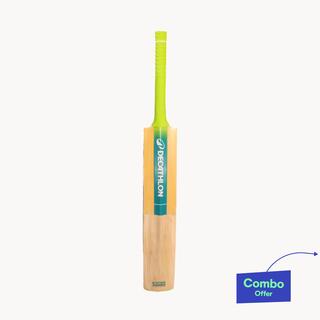
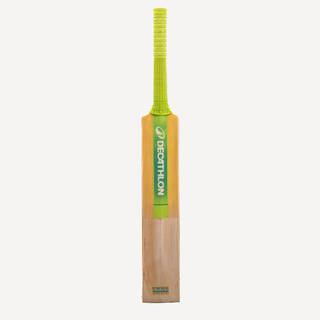
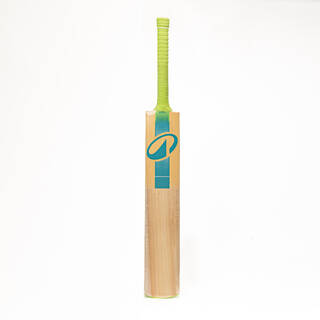
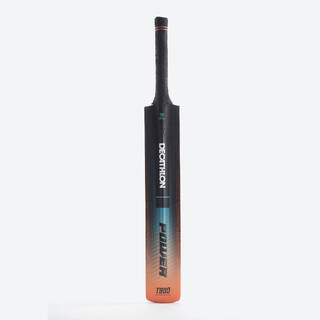
Buy Kashmir Willow Cricket Bat Online at Decathlon India | Cricket Bats for Men, Women & Kids
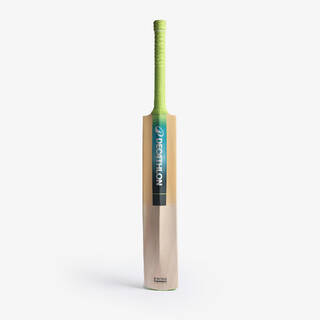
Kashmir willow cricket bats offer reliable performance for regular practice sessions, club matches, and weekend games across Indian grounds. These bats balance durability with playability, making them practical for players who train multiple times a week on concrete pitches, turf wickets, or matting surfaces. The wood grain structure in Kashmir willow absorbs impact well during leather ball sessions while maintaining enough pop for boundary shots. Decathlon's Kipsta Kashmir willow bats come pre-knocked and ready for immediate use, saving you the lengthy preparation time required by some traditional bats.
Indian playing conditions demand bats that handle high humidity during monsoons, intense summer heat, and dust exposure on open grounds. Kashmir willow naturally resists moisture absorption better than softer woods, reducing the risk of warping or cracking when stored in apartment cupboards or kit bags. The toe and edge protection on Kipsta bats adds extra durability against yorker impacts and mistimed shots that scrape the pitch surface. Whether you play tape ball cricket in your colony or leather ball matches at your local club, these bats deliver consistent stroke play without requiring constant maintenance or expensive repairs.
How to Choose the Right Kashmir Willow Cricket Bat
Bat weight matters more than most players realize. A full-size Kashmir willow bat typically weighs between 1100 grams and 1200 grams. Lighter bats (1100 to 1150 grams) suit players who rely on timing and placement, while heavier bats (1150 to 1200 grams) provide extra power for boundary hitting. Pick up the bat and hold it in your stance position. Your top hand should control the bat comfortably without straining your wrist during a full swing. If the bat feels heavy after a few shadow shots, choose a lighter option.
Bat size must match your height and reach. Adult full-size bats (short handle or long handle) work for players above 5 feet 6 inches tall. Shorter players or those with compact batting techniques often prefer short handle bats for better control. Junior players need size-appropriate bats based on age and height: size 6 for 11 to 13 years, size 5 for 9 to 11 years, and size 4 for 7 to 9 years. The bat should reach your hip bone when standing upright with the toe resting on the ground. This ensures proper backlift height and comfortable shot execution across all stroke angles.
Grip Comfort and Handle Balance for Regular Play
Handle grip quality affects your batting control during long practice sessions and match innings. Kipsta Kashmir willow bats feature rubber grips with raised chevron patterns that prevent slippage even when your palms sweat during afternoon games. The grip thickness should feel comfortable in your gloved hands without forcing your fingers apart unnaturally. Too thin, and you lose cushioning against vibrations from mistimed shots. Too thick, and your wrists cannot rotate freely during wrist shots and flicks.
Handle flex and cane quality determine how vibrations transfer from blade to hands. Good Kashmir willow bats use multiple cane strips in the handle construction, creating natural shock absorption when the ball hits outside the sweet spot. Test this by tapping the blade edges with your knuckles. A well-constructed handle produces a dull thud rather than a sharp sting in your palm. The handle-blade junction should show clean binding with no visible gaps, ensuring the bat stays intact during powerful drives and pulls that generate maximum torque at the splice point.
Sweet Spot Size and Stroke Play Performance
The sweet spot on a Kashmir willow bat sits slightly higher than on English willow, typically 150 to 200 mm from the toe. This positioning suits Indian pitch conditions where the ball often bounces at waist to chest height on concrete and matting surfaces. A larger sweet spot forgives slight mistiming and still produces decent power, making it ideal for developing players who are refining their technique. Check the sweet spot by bouncing a cricket ball on different blade areas. The zone that produces maximum rebound with minimal vibration marks your effective hitting area.
Blade profile and edge thickness influence shot power and bat durability. Kashmir willow bats with 35 to 40 mm edges provide enough wood mass for powerful shots without adding excessive weight. The spine height (the raised portion running down the blade center) should peak around 60 to 65 mm for balanced performance. Too high, and the bat becomes top-heavy and difficult to maneuver quickly. Too low, and you sacrifice power on lofted shots. The toe thickness matters for yorker survival. Bats with reinforced toes lasting longer when facing fast bowlers who consistently target your feet with full-length deliveries.
Knocking In and Bat Preparation Process
Kipsta Kashmir willow bats come pre-knocked from the factory, reducing your preparation time significantly. However, additional knocking improves performance and extends bat life. Use a wooden mallet or an old cricket ball wrapped in cloth. Start with gentle taps across the entire blade face, edges, and toe area. Gradually increase impact force over 2 to 3 hours of total knocking time spread across several days. Focus extra attention on edges and the toe, as these areas face maximum stress during match play.
Oil application protects the wood from moisture and maintains blade flexibility. Apply raw linseed oil sparingly using a soft cloth, covering the entire blade surface except the splice area. Let the bat rest horizontally for 24 hours, allowing the oil to penetrate the wood grain. Wipe off excess oil before use. Repeat this process every 3 to 4 weeks during active playing seasons, or whenever the blade surface appears dry and pale. Never over-oil, as this makes the wood heavy and reduces ball response. Store your bat in a cool, dry place away from direct sunlight and moisture sources like bathroom walls or kitchen areas.
Care and Maintenance Tips for Long Bat Life
Regular inspection catches small cracks before they spread across the blade. Check the toe, edges, and splice area after every 4 to 5 practice sessions or matches. Small surface cracks can be sealed with wood glue or bat repair adhesive available at sports shops. Apply the adhesive, press the crack closed, and let it cure for 24 hours before using the bat again. Deeper cracks that run through the blade thickness require professional repair or bat replacement.
Protect your bat during transport and storage. Use a padded bat cover that shields the blade from impacts inside your kit bag. Never leave your bat in a car trunk during summer months, as extreme heat causes the wood to dry out and crack. Avoid leaning the bat against walls or leaving it on the ground where it can absorb moisture from floors. After rain-interrupted games, wipe the blade dry immediately and let it air dry in a shaded area before packing it away. Clean the grip regularly with a damp cloth to remove dirt and sweat buildup that reduces grip traction. Replace worn grips every season or when the chevron pattern flattens out completely.
FAQ (Frequently Asked Questions)
Q1. What is the difference between Kashmir willow and English willow cricket bats?
Kashmir willow grows in India and offers greater durability at a more accessible investment level, making it ideal for regular practice and club cricket. English willow provides a larger sweet spot and better ball response but requires more careful maintenance and knocking preparation. For players training 3 to 4 times per week on Indian pitches, Kashmir willow delivers reliable performance without constant upkeep concerns.
Q2. How long does a Kashmir willow cricket bat last with regular use?
A well-maintained Kashmir willow bat lasts 2 to 3 seasons of regular club cricket or practice sessions, depending on usage frequency and care quality. Proper knocking, regular oiling, and immediate crack repairs extend bat life significantly. Players who practice daily or face fast bowling frequently may need replacement sooner, while weekend players often get 3 full seasons from a single bat.
Q3. Can I use a Kashmir willow bat for leather ball cricket matches?
Yes, Kashmir willow bats perform well in leather ball cricket at club and district levels. These bats handle the impact forces from leather balls effectively when properly knocked in and maintained. Many domestic cricketers across India use Kashmir willow bats for competitive matches. The key is choosing a bat with good wood grain density and ensuring thorough preparation before match use.
Q4. How do I know if my Kashmir willow bat needs knocking in?
Tap the blade face with your knuckles. If you hear a sharp, hollow sound and feel stinging vibrations, the bat needs more knocking. A well-prepared bat produces a solid, muted thud with minimal hand vibration. Even pre-knocked bats benefit from 1 to 2 hours of additional knocking with a mallet, focusing on edges and toe areas that face maximum impact during play.
Q5. What bat size should I choose for my height and playing style?
Stand the bat upright with the toe on the ground. The handle top should reach your hip bone for proper size fit. Players above 5 feet 6 inches use full-size bats (short or long handle based on preference). Shorter players or those under 16 years should try junior sizes (size 5 or 6) for better control. Your top hand should guide the bat comfortably without wrist strain during a full batting swing.
Q6. How often should I oil my Kashmir willow cricket bat?
Apply raw linseed oil every 3 to 4 weeks during active playing seasons, or when the blade surface looks dry and pale. Use a soft cloth to apply a thin, even layer across the entire blade face, edges, and toe, avoiding the splice area. Let the bat rest horizontally for 24 hours to absorb the oil, then wipe off any excess before use. Over-oiling makes the bat heavy and reduces performance.