Cycling Helmets



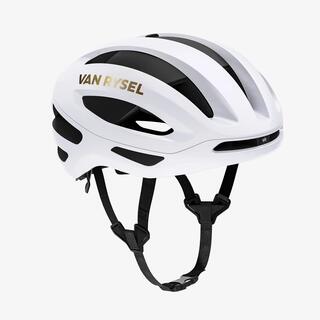
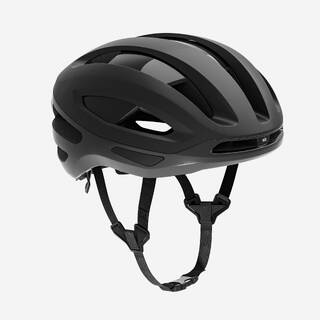


In-Mold vs Hard Shell Construction: Impact Absorption Engineering for Indian Road Cycling
Cycling helmets in India must withstand high-velocity impacts from concrete roads, unpredictable traffic zones, and gravel trail debris. In-mold construction fuses the outer polycarbonate shell directly to the inner expanded polystyrene (EPS) foam liner during manufacturing, creating a single-piece unit that distributes impact forces across a larger surface area. This fusion process eliminates delamination risks during multi-impact crashes and reduces overall helmet weight to 220-280 grams for road and hybrid cycling. Hard shell helmets, by contrast, use a separate ABS outer shell bonded to the EPS liner with adhesives, adding 50-80 grams but offering superior abrasion resistance for aggressive mountain biking on rocky Himalayan trails or Western Ghats descents.
EPS foam density is critical. Most Decathlon cycling helmets use dual-density EPS cores with softer outer layers (30-40 kg/m³) to absorb low-speed tumbles and denser inner layers (60-80 kg/m³) to arrest high-energy impacts. This layered approach manages rotational forces better than single-density foam, reducing angular acceleration transmitted to the skull during oblique impacts. For Indian riders navigating potholed arterial roads and sudden vehicle cut-ins, this engineering translates to better protection across the 10-25 km/h crash velocity range most common in urban cycling accidents.
Ventilation channels are precision-molded into the EPS structure. Road helmets feature 18-24 large front intake vents (each 15-25mm diameter) that channel airflow through internal EPS tunnels and exhaust via rear ports, creating a Venturi effect that pulls hot air away from the scalp. This becomes essential during 35-42°C summer rides across Delhi, Pune, or Chennai, where inadequate ventilation causes core temperature spikes above 38.5°C within 45 minutes of moderate-intensity cycling. Mountain bike helmets reduce vent count to 12-16 but increase rear coverage to protect against branch strikes and trail debris.
Retention Systems and Fit Adjustment: Dial Mechanisms, Strap Geometry, and Occipital Cradle Engineering
The rear retention dial is the primary fit adjustment mechanism. Entry-level helmets use ratchet dials with 5-7 discrete click positions, tightening a circumferential band around the occipital bone. Mid-range and advanced helmets deploy micro-adjust dials with continuous 360-degree rotation, allowing millimeter-precise tensioning without pressure points. The cradle itself is typically injection-molded nylon or polycarbonate, shaped to cup the occipital protuberance and distribute retention forces across the posterior skull rather than concentrating pressure on a single band line.
Strap geometry follows a Y-junction design where side straps converge just below the ear lobe, creating a triangular anchor that resists forward helmet rotation during frontal impacts. Strap webbing is woven polyester or nylon with 15-18mm width, rated to withstand 500-600N tensile loads before failure. Adjustable ladder-lock sliders let riders fine-tune strap length to account for different head shapes, from narrow oval (common in South Indian populations) to round oval (more prevalent in North Indian demographics). The chin buckle must release with 8-12N of pull force to prevent strangulation in crash scenarios while remaining secure during normal riding vibrations.
Padding inserts are laser-cut polyurethane foam or moisture-wicking polyester mesh, positioned at frontal, temporal, and occipital contact zones. These pads compress 2-4mm under normal wearing pressure, conforming to individual skull contours while maintaining a 5-8mm air gap between scalp and EPS liner for ventilation. Removable pads allow washing after monsoon rides when sweat saturation and humidity cause bacterial buildup. Antimicrobial treatments (silver ion or zinc pyrithione coatings) extend pad lifespan to 200-300 wear cycles before odor retention becomes problematic.
Safety Certifications and Impact Testing Standards: ISI, EN 1078, and CPSC Compliance for Indian Riders
Indian Standard IS 16642 mandates that cycling helmets sold in India pass drop tests from 1.5 meters onto flat and kerbstone anvils, measuring peak acceleration transmitted to a headform. The EPS liner must limit impact forces below 250g (where g equals gravitational acceleration) to reduce traumatic brain injury risk. This standard aligns closely with European EN 1078 certification, which Decathlon helmets carry for export compliance. EN 1078 testing includes additional positional stability tests, ensuring the helmet does not rotate more than 30mm forward or backward during a frontal impact, and strap system strength tests verifying buckles withstand 500N loads without breakage.
CPSC (Consumer Product Safety Commission) certification from the United States adds impact attenuation tests at higher velocities (6.2 m/s compared to EN 1078's 5.42 m/s), simulating crashes at 22 km/h versus 19 km/h. Helmets meeting CPSC standards offer marginally better protection for aggressive road cyclists or mountain bikers hitting higher speeds on Bangalore's Nandi Hills climbs or Mumbai's Aarey forest trails. The testing protocol also evaluates helmet retention during roll-off scenarios, applying a 23 kg weight to pull the helmet forward while measuring strap elongation and buckle integrity.
No helmet prevents concussions or guarantees injury elimination. The EPS foam is a single-use energy absorber that crushes permanently during impact, dissipating kinetic energy as the foam cells collapse. After any crash involving head contact, the helmet must be replaced even if no visible cracks appear, as internal EPS compression reduces its ability to manage subsequent impacts. Riders should inspect helmets every six months for UV degradation of the polycarbonate shell (indicated by surface chalking or brittleness) and replace helmets after three years regardless of crash history, as EPS foam loses elasticity and impact performance degrades with age and thermal cycling.
Road, MTB, and Commuter Helmet Profiles: Coverage Geometry and Use-Case Optimization
Road cycling helmets prioritize aerodynamics and ventilation over extended coverage. The shell terminates 15-20mm above the eyebrow line and 25-30mm above the occipital bone, minimizing frontal surface area to reduce drag at speeds above 30 km/h. This abbreviated profile suits riders on Triban or Van Rysel road bikes tackling long-distance brevets or competitive group rides where sustained speeds demand low wind resistance. The trade-off is reduced temporal and rear coverage, making road helmets less suitable for technical terrain where side impacts from falls are more probable.
Mountain bike helmets extend coverage 10-15mm lower at the rear and sides, protecting the occipital and temporal zones during trail crashes. Visors are integrated into the shell, projecting 40-60mm forward to shield eyes from low-hanging branches, mud spray, and direct sunlight during Rockrider MTB rides through forested single-track. The visor also provides a mounting point for action cameras or lights. Rear coverage drops lower to guard against backward falls common when climbing steep technical sections or losing traction on loose gravel descents in Himachal Pradesh or Uttarakhand trails.
Urban commuter helmets balance coverage and ventilation for mixed-use scenarios. These helmets feature 14-18 vents (fewer than road helmets but more than MTB designs) and extended rear coverage similar to MTB profiles, protecting riders navigating stop-and-go traffic, pedestrian crossings, and sudden braking situations. Reflective decals or integrated LED mounts enhance visibility during dawn and dusk commutes through poorly lit arterial roads. Some commuter helmets include removable fabric covers for rain protection during monsoon months, though these reduce ventilation and should only be used at lower speeds below 20 km/h to prevent overheating.
Sizing, Fit Testing, and Head Circumference Measurement for Indian Skull Morphology
Accurate helmet sizing begins with head circumference measurement. Wrap a flexible tape measure around the skull 2cm above the eyebrows, passing over the most prominent part of the occipital bone at the rear. Record the measurement in centimeters. Decathlon helmets typically offer three to four size ranges: Small (52-56cm), Medium (56-59cm), Large (59-62cm), and Extra Large (62-65cm). Indian riders often fall into Small and Medium categories, with average male head circumference around 56-58cm and female circumference around 54-56cm, though significant regional variation exists.
Head shape matters as much as circumference. Oval heads (longer front-to-back than side-to-side) require helmets with deeper internal cavities, while round heads need wider lateral dimensions. An improperly matched shape creates pressure points at the frontal or temporal zones even when circumference is correct, leading to discomfort after 30-45 minutes of riding. The fit test involves wearing the helmet without fastening straps and shaking the head vigorously side to side and forward-backward. The helmet should remain stable with minimal movement. If it slides more than 10mm in any direction, size down or adjust the retention dial tighter.
The two-finger rule verifies strap adjustment. When the chin strap is buckled, you should fit two fingers (stacked flat) between the strap and chin with slight resistance. Tighter creates choking risk and discomfort during long rides. Looser allows the helmet to rotate excessively during impact, reducing protection. Front-to-back positioning places the helmet's front edge 2-3cm above the eyebrows. Lower positioning obstructs vision. Higher positioning leaves the frontal bone exposed during forward crashes. Side straps should form a Y-junction directly below the ear lobe, with the buckle resting 1-2cm below the jawline.
Maintenance, Cleaning Protocols, and Lifespan Management for Tropical Humidity Conditions
Helmet maintenance in India's humid climate requires weekly cleaning during active riding seasons. Remove all padding inserts and hand-wash in lukewarm water with mild detergent, avoiding harsh chemicals that degrade polyurethane foam or strip antimicrobial coatings. The EPS liner itself should never be submerged. Instead, wipe the interior with a damp microfiber cloth and diluted isopropyl alcohol (70% concentration) to kill bacteria without saturating the foam. Dry all components completely before reassembly, as trapped moisture accelerates foam degradation and creates odor issues.
Store helmets in cool, dry locations away from direct sunlight and heat sources. UV exposure breaks down polycarbonate molecular chains, causing the shell to become brittle and lose impact resistance. Temperatures above 50°C (common inside parked cars during Indian summers) accelerate EPS foam oxidation, reducing its energy-absorbing capacity. Never hang helmets by their straps, as this stretches the webbing and weakens retention system integrity. Use a dedicated helmet hook that supports the shell's interior or store on a flat surface.
Replace helmets immediately after any crash involving head contact, regardless of visible damage. The EPS foam compresses during impact and cannot recover its original cellular structure, meaning a second impact will transmit higher forces to the skull. Even without crashes, replace helmets every three years as UV exposure, temperature cycling, and humidity degrade both the EPS liner and polycarbonate shell. Inspect straps and buckles every six months for fraying, cracking, or reduced tensile strength. If the retention dial no longer clicks firmly or the cradle shows stress cracks, replacement is necessary before the helmet fails during a critical moment.
FAQ (Frequently Asked Questions)
Q1. How often should I replace my cycling helmet?
It's generally recommended to replace your cycling helmet every 3-5 years, or sooner if it has sustained any significant impacts or visible damage. The materials in helmets can degrade over time, compromising their ability to provide adequate protection.
Q2. Can I use the same helmet for different cycling disciplines?
While some helmets are designed for specific cycling disciplines, many of our helmets at Decathlon are versatile enough to be used for various types of cycling, such as road cycling, mountain biking, and urban commuting. However, it's always best to choose a helmet that's optimized for your primary cycling activity.
Q3. How do I know if a helmet fits properly?
A properly fitting helmet should sit level on your head and not rock from side to side. It should feel snug but not uncomfortably tight, and you should be able to fit no more than one finger between the helmet and your forehead. The straps should form a 'V' shape under each ear, and the buckle should be centered under your chin.
Q4. Are more expensive helmets safer than affordable ones?
Not necessarily. While more expensive helmets may offer additional features or premium materials, all helmets sold at Decathlon meet or exceed the latest safety standards and certifications. Our focus is on providing high-quality, affordable helmets that prioritize safety and protection.
Q5. Can I wear a cycling helmet for other activities, like skateboarding or rock climbing?
Cycling helmets are designed specifically for cycling activities and may not provide adequate protection for other sports or activities with different impact risks. It's best to use helmets designed specifically for the activity you're engaging in to ensure proper protection.
Q6. How do I clean and maintain my cycling helmet?
To clean your cycling helmet, use mild soap and water to gently wipe down the exterior and interior. Avoid using harsh chemicals or solvents, as they can degrade the materials. After cleaning, allow the helmet to air dry completely before storing or using it again. Regularly inspect your helmet for any cracks, dents, or other signs of damage, and replace it if necessary.
Q7. Can I customize or decorate my cycling helmet?
While some customization or decoration may be possible, it's important to avoid anything that could compromise the helmet's integrity or safety features. Consult the manufacturer's guidelines or speak with our experts at Decathlon before making any modifications to ensure your helmet remains safe and effective.
Q8. Do cycling helmets have an expiration date?
Most cycling helmets do not have a specific expiration date printed on them. However, it's generally recommended to replace them every 3-5 years, or sooner if they've sustained any significant impacts or visible damage, as the materials can degrade over time and compromise their protective capabilities.
Q9. Can I use the same helmet for both cycling and other activities like skiing or snowboarding?
While some helmets may be designed for multiple sports, it's generally not recommended to use the same helmet for cycling and activities like skiing or snowboarding. These activities have different impact risks and require helmets designed specifically for their respective safety standards and requirements.
Q10. How do I choose the right size cycling helmet?
To choose the right size cycling helmet, you'll need to measure the circumference of your head using a flexible tape measure. Consult the manufacturer's size chart or speak with our experts at Decathlon to determine the appropriate size based on your head measurement. It's also important to try on the helmet and make any necessary adjustments for a secure and comfortable fit.
Q11. What is the difference between in-mold and hard shell cycling helmets for Indian roads?
In-mold helmets fuse the polycarbonate shell directly to the EPS foam liner, creating a lighter single-piece structure (220-280 grams) ideal for road cycling and long-distance rides on paved surfaces. Hard shell helmets use a separate ABS outer shell bonded to the EPS core, adding 50-80 grams but offering better abrasion resistance for mountain biking on rocky trails and aggressive off-road riding where the helmet may scrape against branches or rocks.
Q12. How do I measure my head size correctly for a cycling helmet?
Wrap a flexible tape measure around your head 2cm above the eyebrows, passing over the most prominent part of the back of your skull. Record the circumference in centimeters. Most Indian riders fall into Small (52-56cm) or Medium (56-59cm) ranges. Also consider head shape: oval heads (longer front-to-back) need deeper helmets, while round heads require wider lateral dimensions to avoid pressure points.
Q13. Do cycling helmets prevent head injuries or concussions completely?
No helmet eliminates injury risk entirely. Cycling helmets reduce impact forces transmitted to the skull by crushing the EPS foam liner, which absorbs kinetic energy during crashes. They help attenuate forces associated with skull fractures and severe trauma but cannot prevent all concussions, as rotational forces can still cause brain movement inside the skull. Helmets meeting ISI 16642 or EN 1078 standards limit peak acceleration below 250g during standardized drop tests.
Q14. How often should I replace my cycling helmet in Indian climate conditions?
Replace your helmet immediately after any crash involving head contact, even without visible damage, as the EPS foam compresses permanently and loses protective capacity. Without crashes, replace helmets every three years because UV exposure, high temperatures (35-45°C), and humidity degrade the polycarbonate shell and EPS liner. Inspect straps and buckles every six months for fraying or cracks.
Q15. What ventilation features are important for cycling in hot Indian summers?
Look for helmets with 18-24 large intake vents (15-25mm diameter) at the front that channel airflow through internal EPS tunnels and exhaust via rear ports. This Venturi effect pulls hot air away from the scalp, critical during 35-42°C rides in cities like Delhi, Pune, or Chennai. Road helmets offer maximum ventilation, while MTB helmets reduce vent count to 12-16 but provide better coverage for trail riding.
Q16. Can I use a road cycling helmet for mountain biking or commuting?
Road helmets work for commuting but lack the extended rear and temporal coverage needed for mountain biking. MTB helmets drop 10-15mm lower at the back and sides to protect against backward falls and side impacts common on trails. They also include visors to shield against branches and mud. For mixed urban commuting, choose helmets with 14-18 vents and extended rear coverage that balance ventilation with protection during stop-and-go traffic scenarios.
Q17. How should the helmet fit on my head to provide proper protection?
The helmet should sit level on your head with the front edge 2-3cm above your eyebrows. When unbuckled, shake your head vigorously in all directions; the helmet should move less than 10mm. The chin strap should allow two stacked fingers between strap and chin with slight resistance. Side straps should form a Y-junction just below your ear lobe, and the retention dial should provide even pressure around the occipital bone without creating pressure points.
Q18. What safety certifications should I look for when buying a cycling helmet in India?
Look for ISI 16642 certification, which is mandatory for helmets sold in India and requires passing drop tests that limit impact forces below 250g. EN 1078 (European standard) and CPSC (US standard) certifications indicate additional testing for strap strength, positional stability, and higher-velocity impacts. CPSC testing simulates crashes at 22 km/h compared to EN 1078's 19 km/h, offering slightly better protection for aggressive riding.
Q19. How do I clean and maintain my cycling helmet during monsoon season?
Remove padding inserts weekly and hand-wash in lukewarm water with mild detergent, then air-dry completely. Wipe the EPS liner interior with a damp cloth and 70% isopropyl alcohol to kill bacteria without saturating the foam. Never submerge the helmet or use harsh chemicals. Store in a cool, dry location away from direct sunlight, as UV exposure and temperatures above 50°C degrade the polycarbonate shell and EPS foam, reducing impact protection.
Q20. Are more expensive cycling helmets significantly safer than budget options?
All helmets meeting ISI 16642 or EN 1078 standards provide baseline impact protection regardless of cost. Higher-priced helmets offer better ventilation systems, lighter weight (200-250 grams versus 280-320 grams), advanced retention dials with micro-adjustment, and improved aerodynamics for competitive riding. They may also use dual-density EPS foam that better manages rotational forces. For recreational riders and commuters, mid-range helmets provide excellent protection without premium features.