Locks


High-Security Shackle Locks for Cycle Protection in Indian Urban Environments
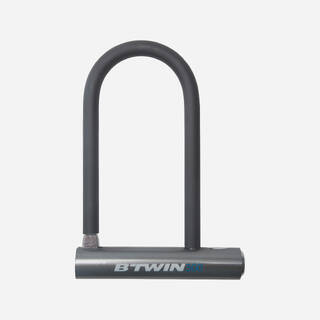
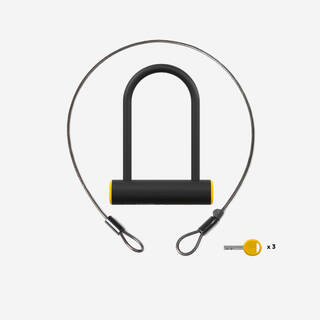
Urban cycle theft in Indian metros demands locks with hardened boron alloy shackles rated to withstand bolt cutters and angle grinders. Decathlon's Btwin and Rockrider security locks feature 12mm to 18mm diameter shackles constructed from case-hardened steel, delivering cut resistance that exceeds standard 8mm cable locks by measurable force thresholds. The shackle diameter directly correlates to attack resistance: a 12mm shackle requires hydraulic cutters generating over 3 tons of force, while 18mm variants demand industrial-grade tools rarely carried by opportunistic thieves.
Locking mechanisms in high-security models employ disc detainer cylinders or pin tumbler systems with anti-drill plates protecting the keyway. Disc detainer designs resist picking through rotating discs that must align to precise angles before the shackle releases. For cyclists parking near railway stations, college campuses, or apartment complexes, U-locks with 13mm shackles and double-locking crossbars prevent twist attacks that exploit single-point shackle engagement. The crossbar geometry creates a closed-loop structure that distributes prying forces across the entire frame, eliminating weak pivot points.
Cable Lock Flexibility and Multi-Point Anchoring for Component Security
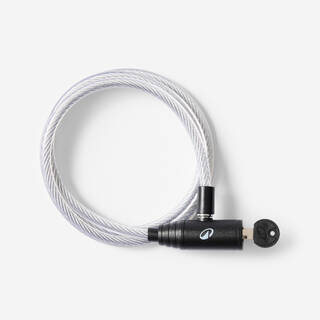
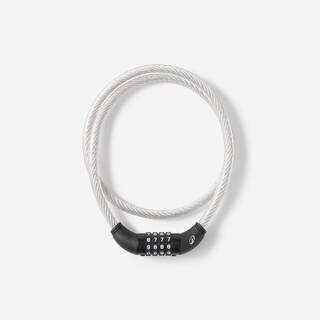
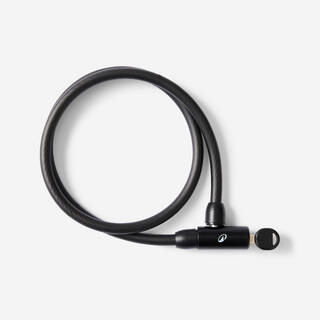
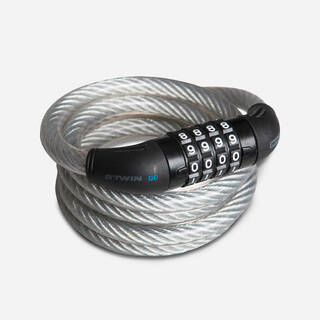
Braided steel cable locks provide the reach needed to secure wheels, saddles, and frame tubes to fixed infrastructure in tight parking spaces. Decathlon's cable locks use 10mm to 15mm diameter braided steel cores wrapped in PVC or silicone sleeves that prevent paint scratches on aluminium and carbon frames. The braiding pattern alternates left-hand and right-hand wire twists, creating a structure that resists unraveling even when individual strands are severed. A 15mm cable with seven-strand braiding can sustain tensile loads exceeding 2,000 kg before catastrophic failure.
Coiled cable designs extend from 120cm to 180cm, allowing cyclists to loop through both wheels and the front triangle while anchoring to streetlight poles or bike racks. The coil memory returns the cable to a compact 30cm bundle for jersey pocket or saddlebag storage. Combination lock variants eliminate key loss concerns through four-digit or five-digit numeric codes, with 10,000 to 100,000 possible permutations. For quick grocery stops or chai breaks, coiled cables offer sufficient deterrence against grab-and-run theft while maintaining portability under 400 grams.
Folding Locks and Articulated Plate Systems for Balanced Security and Transport
Folding locks bridge the gap between rigid U-locks and flexible cables through articulated hardened steel plates connected by riveted joints. Each plate measures 5mm to 6mm thick, constructed from through-hardened steel that resists sawing and leverage attacks. The rivet joints allow 180-degree articulation, enabling the lock to wrap around irregular frame geometries and anchor points without the bulk of a 1.2kg U-lock. When collapsed, the plates stack into a linear profile measuring 25cm to 30cm, fitting into bottle cage mounts or frame bags without interfering with pedal stroke.
The articulated design distributes impact forces across multiple joints rather than concentrating stress on a single shackle point. A six-plate folding lock creates five pivot points, requiring attackers to defeat multiple hardened segments instead of one continuous shackle. Decathlon's Btwin folding locks include mounting brackets that attach to seat tube bosses, keeping the lock accessible during rides without adding handlebar clutter. The plates feature rounded edges and textile sleeves that prevent frame abrasion on high-gloss paint finishes and carbon layups.
Weather-Resistant Cylinder Mechanisms for Monsoon and Coastal Humidity Exposure
Indian monsoon conditions and coastal salt air corrode standard lock cylinders within months, causing key jamming and tumbler seizure. Decathlon locks integrate stainless steel cylinders with rubber gasket seals that block water ingress during heavy downpours. The gasket compression creates an IP54-rated barrier, preventing moisture from reaching the pin stack and spring assembly. Stainless steel pins resist oxidation that causes binding in mild steel mechanisms, maintaining smooth key insertion even after extended outdoor exposure.
Cylinder housings incorporate drain channels that evacuate condensation and rainwater away from the keyway. These micro-channels route moisture to exit ports at the lock base, preventing pooling that accelerates corrosion. For cyclists in Mumbai, Goa, or Kerala where humidity exceeds 80 percent year-round, stainless internals extend operational life from 12 months to over 36 months without requiring graphite lubricant maintenance. The key blanks feature laser-cut bitting patterns with six to seven pin positions, creating over 50,000 unique key combinations that prevent casual key duplication at local hardware shops.
Alarm-Integrated Locks and Motion Sensor Deterrence for Unattended Parking
Motion-sensing alarm locks activate 100-decibel sirens when detecting vibration or movement exceeding calibrated thresholds. The piezoelectric sensors measure acceleration forces in three axes, distinguishing between wind-induced frame sway and deliberate tampering. When an attacker applies cutting or prying force, the sensor triggers a 15-second alarm cycle audible across 50 meters, drawing attention in crowded parking areas or residential complexes. The alarm resets automatically after the disturbance ceases, conserving the internal lithium battery rated for 12 months of standby operation.
Decathlon's alarm locks combine 110-decibel output with 12mm hardened shackles, layering audible deterrence with physical cut resistance. The alarm module mounts inside a weatherproof ABS housing with IPX5 water resistance, functioning through monsoon rains without short-circuiting. Cyclists can deactivate the alarm through a key turn or button sequence before unlocking, preventing accidental activation. For overnight parking in apartment basements or office bike rooms, the alarm provides psychological deterrence even when security cameras are absent, as thieves avoid attention-drawing noise in enclosed spaces.
Chain Locks and Hexagonal Link Geometry for Maximum Anchor Flexibility
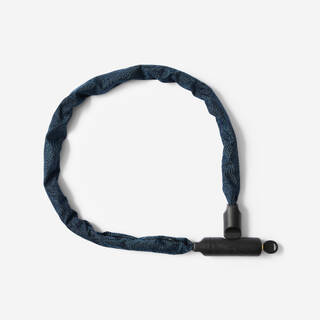
Hardened steel chain locks deliver the longest reach for securing multiple cycles or anchoring to large-diameter posts and tree trunks. Decathlon's chain locks use 8mm to 10mm hexagonal or square link profiles that resist bolt cutter jaw grip better than round links. The flat faces of hexagonal links prevent cutters from achieving full contact, requiring attackers to reposition tools multiple times and increasing theft time beyond the critical 60-second window. A 10mm square link chain with through-hardened construction can sustain cutting forces exceeding 4 tons before link separation.
Chain lengths range from 90cm to 120cm, providing enough slack to loop through the rear triangle, front wheel, and a fixed bollard while maintaining taut geometry that limits leverage attacks. The links are encased in nylon or polyester sleeves that prevent rattling during transport and protect frame finishes from metal-on-metal contact. For families securing two or three cycles together at parks or beaches, chain locks offer communal security without requiring individual locks for each bike. The chain stores in a coiled bundle secured by velcro straps, attaching to rear racks or pannier bags without swinging during pedaling.
FAQ (Frequently Asked Questions)
Q1. What types of locks are available at Decathlon?
At Decathlon, we offer a wide range of locks, including padlocks, cable locks, U-locks, and smart locks. Our collection caters to various needs, from securing bicycles and lockers to protecting luggage and other valuables.
Q2. How do I choose the right lock for my needs?
When selecting a lock, consider the level of security you require, the environment in which the lock will be used, and the size and weight of the lock. Our knowledgeable staff can guide you through the selection process to find the perfect lock for your specific needs.
Q3. Are Decathlon's locks weather-resistant?
Many of our locks are designed with weather-resistant materials and coatings to protect against moisture, rust, and corrosion. However, it's always best to check the product specifications to ensure the lock you choose meets your specific requirements.
Q4. How can I ensure my lock lasts for a long time?
To extend the lifespan of your lock, follow these tips: regularly lubricate the locking mechanism, avoid exposing it to harsh chemicals or abrasive cleaners, store it in a dry and cool place when not in use, and inspect it periodically for any signs of wear or damage.
Q5. Can I get a lock rekeyed or the combination changed?
Unfortunately, we do not offer rekeying or combination changing services for our locks. However, we recommend purchasing a new lock if you need to change the key or combination for security reasons.
Q6. Are Decathlon's locks suitable for securing high-value items?
Yes, we offer heavy-duty locks with reinforced materials and advanced locking mechanisms specifically designed for securing high-value items or in high-risk environments. Our knowledgeable staff can assist you in selecting the appropriate lock for your valuable possessions.
Q7. Do you offer smart locks with advanced features?
Yes, our collection includes smart locks with features like keyless entry, remote access, and integration with smart home systems. These advanced locks offer added convenience and security for your valuables.
Q8. Can I return or exchange a lock if it doesn't meet my needs?
Absolutely! At Decathlon, we stand behind the quality of our products. If a lock does not meet your expectations or needs, you can return or exchange it within the specified return period, subject to our return policy.
Q9. Do you offer any warranties or guarantees on your locks?
Yes, many of our locks come with manufacturer warranties or guarantees against defects in materials and workmanship. The specific warranty terms vary by product, so please check the details when making your purchase.
Q10. Can I get assistance in choosing the right lock for my needs?
Absolutely! Our knowledgeable staff is always available to assist you in selecting the perfect lock for your specific needs. Feel free to visit one of our stores or reach out to our customer service team for personalized guidance.
Q11. What shackle diameter should I choose for parking my cycle in busy Indian metro areas?
Choose a minimum 12mm diameter hardened steel shackle for metro environments like Delhi, Bangalore, or Mumbai where theft risk is elevated. A 12mm shackle resists standard bolt cutters and requires hydraulic tools that opportunistic thieves rarely carry. For overnight parking or high-value road bikes, upgrade to 15mm or 18mm shackles that demand angle grinders, which attract attention through noise and sparks in public spaces.
Q12. How do I prevent my lock cylinder from jamming during monsoon season?
Select locks with stainless steel cylinders and rubber gasket seals rated IP54 or higher to block water ingress. After rides in heavy rain, wipe the keyway dry with a cloth and apply a single drop of graphite powder or PTFE lubricant to displace moisture. Avoid oil-based lubricants that attract dust and gum up pin stacks in high-humidity coastal cities like Chennai or Kochi.
Q13. Can cable locks secure my cycle effectively, or should I only use U-locks?
Cable locks work for quick stops under 15 minutes in visible, high-traffic areas where thieves avoid prolonged cutting attempts. For extended parking over one hour or in isolated locations, pair a cable lock with a U-lock in a dual-locking strategy: use the U-lock for the frame and rear wheel, and the cable for the front wheel and saddle. This layered approach increases theft time beyond the critical threshold that deters most attackers.
Q14. What is the difference between disc detainer and pin tumbler lock mechanisms?
Disc detainer cylinders use rotating discs that must align to specific angles before unlocking, making them highly resistant to picking and bumping. Pin tumbler systems use spring-loaded pins that align at the shear line when the correct key is inserted. Disc detainers offer superior pick resistance but cost more, while quality pin tumblers with six or seven pins provide adequate security for most urban cycling scenarios when combined with hardened shackles.
Q15. How much should a good cycle lock weigh, and how do I carry it during rides?
Effective U-locks weigh between 800 grams and 1.2 kg, while folding locks range from 900 grams to 1.4 kg depending on plate count. Carry U-locks in frame-mounted brackets that attach to bottle cage bosses or down tube eyelets. Folding locks collapse into compact bundles that fit in jersey pockets or saddlebags. For long rides where weight matters, use a lightweight coiled cable under 400 grams as a secondary lock, accepting the trade-off of lower cut resistance for portability.
Q16. Do alarm locks drain batteries quickly, and how often do I need to replace them?
Quality alarm locks use piezoelectric sensors with low standby current draw, allowing lithium batteries to last 12 to 18 months under normal use. The alarm activates only when detecting significant vibration or movement, not minor wind sway. Replace batteries annually or when the low-battery indicator LED flashes. Keep a spare CR2 or AA battery in your repair kit to avoid being locked out if the alarm malfunctions during a ride.
Q17. Can I use the same lock for both my MTB and road bike, or do I need different types?
A single high-security U-lock or folding lock works for both MTB and road bikes if the shackle or plate length accommodates the larger frame tubes and tire widths of mountain bikes. Ensure the lock reaches around 29-inch MTB wheels and wide 2.2-inch tires without forcing the shackle into stressed positions. For road bikes with narrow 700x25c tires, the same lock provides ample clearance. Avoid using lightweight cable locks alone on high-value carbon road bikes.
Q18. What locking technique prevents thieves from using leverage attacks on U-locks?
Position the U-lock shackle tightly around the rear triangle and a fixed anchor point, minimizing the gap that allows pry bars or car jacks to insert. Fill the internal shackle space by looping through the frame, rear wheel, and anchor simultaneously, leaving less than 2cm of clearance. Orient the keyway facing downward to prevent water pooling and make it harder for attackers to insert tools. This tight geometry eliminates the leverage space needed for twist or jack attacks.
Q19. Are combination locks as secure as key locks, and how do I reset the code?
Four-digit combination locks offer 10,000 possible codes, providing adequate security for most scenarios, though five-digit versions with 100,000 combinations match key lock security. To reset the code, set the lock to the current combination, locate the small reset lever or button near the number dials, press or slide it while rotating dials to your new code, then release the lever to lock in the new sequence. Avoid obvious codes like 0000 or 1234 that thieves try first.
Q20. How do I lock my cycle when parking racks are unavailable in Indian cities?
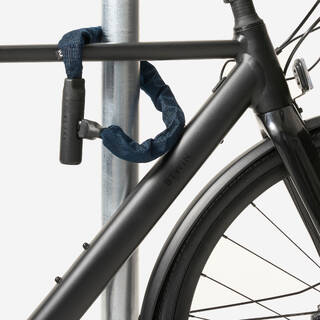
Anchor your cycle to immovable street furniture like lamp posts, signage poles, or metal railings using a chain lock or long-shackle U-lock. Ensure the anchor point cannot be lifted over (check pole height) and is firmly embedded in concrete. In apartment complexes, request building management to install ground-mounted anchor loops or wall-mounted Sheffield stands. For temporary stops, lock to your own vehicle's tow hitch or roof rack crossbars if no fixed infrastructure exists.