Men Windbreaker Jackets

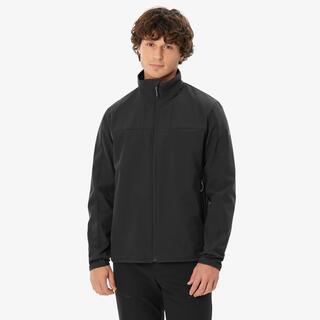
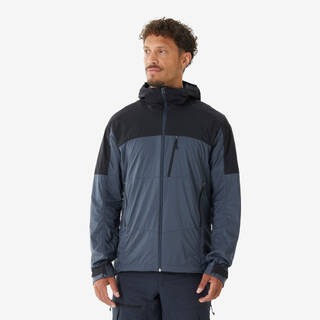


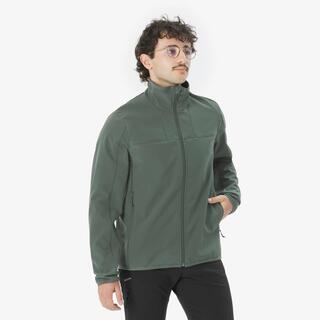
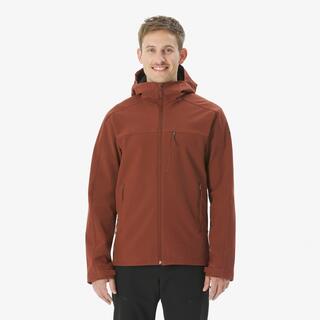

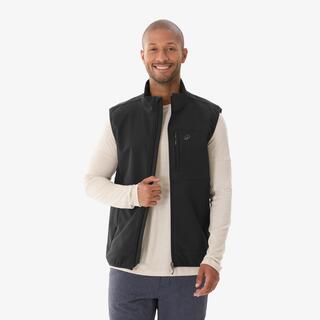
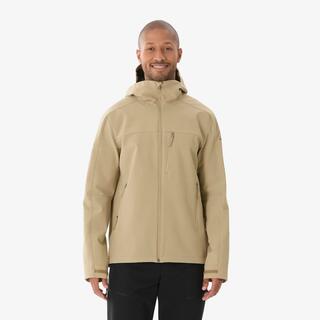


Technical Shell Construction and Wind Resistance Engineering for Indian Climates
Men's windbreaker jackets from Decathlon deploy tightly woven ripstop polyester shells ranging from 60D to 120D denier ratings, engineered to block wind speeds up to 40 km/h while maintaining breathable air exchange. The core fabric architecture uses a mechanical weave density of 200 to 280 threads per square inch, creating microscopic pore structures that prevent wind penetration without trapping metabolic heat. This balance proves critical during early morning runs in Delhi's winter winds or evening cycling commutes across Mumbai's coastal gusts, where ambient temperatures drop but exertion rates remain high.
Quechua and Kalenji windbreakers integrate DWR (Durable Water Repellent) coatings rated to shed light drizzle and morning dew for 30 to 50 wash cycles before requiring reactivation. The polyurethane coating sits at 1500mm to 3000mm hydrostatic head ratings, sufficient for brief monsoon exposure but designed primarily for wind blocking rather than sustained rainfall protection. Seam construction uses flatlock or offset stitching with 12 to 14 stitches per inch, reducing bulk at shoulder and underarm junctions where pack straps or arm swing create friction points. Collar heights range from 8cm to 12cm, providing neck coverage without restricting head rotation during trail running or mountain biking.
Breathability Metrics and Moisture Vapor Transmission for High-Output Activities
Windbreaker shells must balance wind resistance with moisture vapor transmission rates (MVTR) measured in grams per square meter per 24 hours. Decathlon's running-focused windbreakers from Kiprun achieve MVTR ratings between 5000 g/m²/24h and 10000 g/m²/24h through laser-perforated back panels and underarm gussets. These ventilation zones align with the body's primary sweat evaporation sites, allowing humid air to escape during interval training or tempo runs on Bangalore's elevated terrain where temperature swings demand adaptive layering.
Mesh lining panels in 40 to 60 GSM weights create a microclimate buffer between skin and shell fabric, preventing the clammy adhesion common in single-layer windbreakers during high-humidity conditions. Kalenji models integrate circular-knit mesh at the upper back and side panels, increasing surface area contact for faster moisture wicking. The jacket's ability to manage internal condensation becomes critical during 10K to half-marathon distances, where core temperatures rise 2 to 3 degrees Celsius above ambient levels. Pit zips with two-way YKK zippers allow instant ventilation adjustment without removing the jacket, maintaining aerodynamic shell benefits while dumping excess heat.
Packability Engineering and Storage Solutions for Multi-Sport Utility
Compact storage defines windbreaker utility for athletes transitioning between indoor gyms and outdoor trails. Decathlon windbreakers compress into integrated chest pockets or separate stuff sacks, reducing packed volume to 400ml to 800ml depending on shell weight and lining configuration. A 120 GSM windbreaker with minimal lining packs smaller than a 180 GSM model with mesh backing, but the heavier version provides better durability against abrasion from backpack interiors or bike frame contact during bikepacking routes across Ladakh or Spiti Valley.
Quechua hiking windbreakers feature elasticated hems and cuffs that maintain shape memory after repeated compression cycles, preventing permanent creasing that compromises wind-blocking efficiency. The stuff sack attachment uses a carabiner loop or integrated elastic tether, allowing secure attachment to hydration pack straps or belt loops during trail runs where weather conditions shift rapidly. Unpacked deployment takes 15 to 20 seconds, critical during sudden wind gusts at high-altitude passes or unexpected rain showers on Western Ghats trekking routes. Fold lines follow engineered crease patterns that avoid stress concentration at seam junctions, extending fabric fatigue life beyond 200 pack cycles.
Fit Profiles and Mobility Architecture for Running vs Cycling Biomechanics
Windbreaker cut geometry directly impacts athletic performance through sleeve length, torso drop, and shoulder articulation. Running-specific models from Kiprun use a 6cm to 8cm longer back hem (drop tail design) that prevents ride-up during arm swing cycles, maintaining lower back coverage without adding front bulk that restricts hip flexion. Sleeve cuts follow anatomical arm angles with pre-curved elbow articulation, reducing fabric tension during 90-degree arm bends common in distance running gaits. Raglan sleeve construction eliminates shoulder seams that create pressure points under hydration vest straps or race bib pins.
Cycling windbreakers from Van Rysel and Triban adopt a more aggressive forward lean geometry with extended rear panels (10cm to 12cm longer than front) to cover the lower back during drops or aero positions on road bikes. Sleeve lengths extend 3cm to 5cm beyond standard running cuts, ensuring wrist coverage when hands grip handlebar hoods or drops. Elastic gripper bands at sleeve cuffs use silicone dot patterns to prevent wind flutter at speeds above 30 km/h, reducing aerodynamic drag during descents or flat time trials. Chest dimensions run 2cm to 4cm wider to accommodate layered jerseys underneath without restricting diaphragm expansion during sustained climbs on Nilgiri or Himalayan mountain passes.
Reflective Safety Integration and Low-Light Visibility Standards
Urban runners and cyclists face significant visibility challenges during pre-dawn or post-sunset training windows when traffic density peaks in Indian metros. Decathlon windbreakers integrate 3M Scotchlite or equivalent reflective elements with luminance ratings of 500 to 700 candelas per lux per square meter, visible from 150 meters under vehicle headlight illumination. Reflective placement follows biomechanical motion zones: chest logos catch frontal vehicle approach, shoulder strips highlight lateral presence, and back panel graphics ensure rear visibility during road running or cycling on unlit rural highways.
Kalenji night running windbreakers use 360-degree reflective patterning with geometric shapes that create movement recognition through dynamic light reflection as arms and torso rotate during gait cycles. This motion-based visibility helps drivers distinguish runners from static roadside objects, reducing reaction time by 0.5 to 1.0 seconds at approach speeds of 40 to 60 km/h. Reflective thread integration into seam lines adds durability compared to heat-transfer patches that degrade after 40 to 60 wash cycles. Some models incorporate battery-free photoluminescent strips that absorb ambient light and glow for 20 to 30 minutes in complete darkness, providing backup visibility if reflective elements become obscured by backpack straps or hydration vests.
Seasonal Layering Systems and Temperature Range Optimization
Windbreakers function as the outer shell in a three-layer system: base layer for moisture management, mid-layer for insulation, and shell for wind and light precipitation blocking. In North Indian winters where morning temperatures drop to 5 to 10 degrees Celsius, a 140 GSM merino or synthetic base layer plus 200 GSM fleece mid-layer under a windbreaker maintains core temperature during steady-state runs without overheating during interval surges. The windbreaker's wind-blocking capacity reduces convective heat loss by 60 to 70 percent compared to fleece alone, critical when wind chill factors drop effective temperatures by 3 to 5 degrees.
South Indian coastal conditions demand lighter layering where a single moisture-wicking base layer under a 100 GSM ultralight windbreaker suffices for early morning beach runs or Western Ghats trail sessions. The windbreaker's primary role shifts from thermal retention to sweat evaporation management and UV protection during exposed ridge walks. Quechua mountain windbreakers rated for 2000m to 4000m altitude use slightly heavier 140 to 160 GSM shells with tighter weave densities to handle increased wind speeds (50 to 70 km/h) common at high passes. Adjustable hem cords and Velcro cuff closures allow micro-adjustments to seal gaps where wind penetrates, while underarm zips provide emergency venting during steep ascents where metabolic heat generation spikes rapidly.
FAQ (Frequently Asked Questions)
Q1. Are windbreaker jackets waterproof?
Most windbreaker jackets are water-resistant, meaning they can withstand light rain or moisture. However, they are not fully waterproof. For heavy rain or prolonged exposure to wet conditions, you may want to consider a dedicated rain jacket or a windbreaker with a waterproof coating.
Q2. Can I wear a windbreaker jacket for running or other high-intensity activities?
Yes, many of our windbreaker jackets are designed specifically for high-intensity activities like running, cycling, and hiking. Look for jackets with breathable fabrics, mesh panels, and vents to allow for optimal airflow and moisture-wicking during intense workouts.
Q3. How should I care for my windbreaker jacket?
Follow the care instructions on the jacket's label, but in general, windbreakers can be machine washed in cold water and air-dried. Avoid using fabric softeners or bleach, as these can damage the jacket's technical fabrics and coatings. Store your windbreaker in a cool, dry place when not in use.
Q4. Can I wear a windbreaker jacket in cold weather?
Windbreaker jackets are designed to be lightweight and breathable, making them ideal for mild or cool weather conditions. For colder temperatures, you may want to layer your windbreaker over a base layer or insulated mid-layer for added warmth.
Q5. What sizes do Decathlon's windbreaker jackets come in?
Our windbreaker jackets are available in a wide range of sizes to fit most body types. We offer sizes from XS to XXL, and some styles may have additional size options. Be sure to check the size chart for each specific jacket to ensure the best fit.
Q6. Are windbreaker jackets suitable for hiking or trekking?
Yes, many of our windbreaker jackets are designed with outdoor activities like hiking and trekking in mind. Look for jackets with features like zippered pockets, adjustable hems and cuffs, and water-resistant or waterproof coatings to keep you comfortable and protected on the trail.
Q7. Can I wear a windbreaker jacket for casual everyday use?
Absolutely! Windbreaker jackets are versatile and can be worn for a variety of casual activities, from running errands to commuting to work. Their lightweight and breathable design makes them a comfortable choice for everyday wear.
Q8. How do I choose the right windbreaker jacket for my needs?
Consider the activities you'll be using the jacket for and the weather conditions you'll be facing. Look for features like breathability, water resistance, and insulation that match your needs. Also, think about the fit and style that you prefer, and don't hesitate to try on different options to find the perfect jacket for you.
Q9. Do Decathlon's windbreaker jackets come with any warranties or guarantees?
Yes, all of our products, including windbreaker jackets, come with a warranty against manufacturing defects. Additionally, we offer a satisfaction guarantee, so if you're not completely happy with your purchase, you can return or exchange it within a specified timeframe.
Q10. Can I customize or personalize a windbreaker jacket from Decathlon?
While we don't offer customization or personalization services for our windbreaker jackets, our extensive collection offers a wide range of styles, colors, and designs to choose from. This allows you to find a jacket that best suits your personal preferences and style.
Q11. What GSM weight windbreaker works best for Mumbai's humid coastal running conditions?
Choose 100 to 120 GSM ultralight windbreakers with laser-perforated back panels and mesh lining for maximum breathability. Heavier 140 to 160 GSM models trap too much humidity during high-output runs in 70 to 85 percent relative humidity. Kiprun and Kalenji ultralight shells provide adequate wind blocking for coastal gusts while allowing rapid moisture vapor escape during interval training or tempo runs along Marine Drive or Juhu Beach routes.
Q12. How do I determine correct windbreaker sizing for layering over winter running gear?
Size up one increment if layering over 200 GSM fleece or insulated mid-layers. Standard sizing assumes a single base layer underneath. Measure chest circumference over your thickest layering combination and add 8 to 10cm for mobility clearance. Sleeve length should extend 2cm beyond wrist bones when arms hang naturally, with enough length to cover wrists during arm swing without riding up the forearm.
Q13. Can windbreakers handle Bangalore's sudden evening rain showers during monsoon season?
Windbreakers with 1500mm to 3000mm hydrostatic head DWR coatings shed light drizzle for 15 to 20 minutes but are not designed for sustained monsoon downpours. For heavy rain protection, switch to dedicated rain jackets with 5000mm plus waterproof ratings and taped seams. Windbreakers excel at blocking wind and brief moisture exposure during transitional weather, not prolonged rainfall typical of June to September monsoon patterns across South India.
Q14. What's the difference between Quechua hiking windbreakers and Kiprun running windbreakers?
Quechua models use more durable 100D to 120D ripstop polyester for abrasion resistance against backpack straps and rock contact, with longer torso cuts for hiking posture. Kiprun running windbreakers deploy lighter 60D to 80D fabrics with athletic cuts featuring drop-tail hems and pre-curved sleeves optimized for running biomechanics. Quechua versions prioritize durability and packability for multi-day treks, while Kiprun focuses on breathability and aerodynamic fit for high-output running.
Q15. How many wash cycles before DWR coating loses water repellency on windbreaker shells?
Factory-applied DWR coatings maintain water beading for 30 to 50 machine wash cycles using mild detergent without fabric softener. After performance degradation, reactivate existing DWR by tumble drying on medium heat for 20 minutes or apply spray-on DWR treatments. Avoid harsh detergents or bleach that strip coating molecular bonds. Proper care extends functional water repellency to 80 plus wash cycles before requiring aftermarket DWR reapplication.
Q16. Do windbreakers provide adequate wind protection for cycling at 35 to 40 km/h speeds?
Yes, windbreakers with 200 to 280 threads per square inch weave density block wind speeds up to 40 km/h effectively. Van Rysel and Triban cycling windbreakers add silicone gripper cuffs and longer rear panels to prevent wind flutter and back exposure during aggressive riding positions. At speeds above 45 km/h during long descents, consider adding a base layer for additional thermal retention as wind chill increases convective heat loss significantly.
Q17. Can I pack a windbreaker inside a 10-liter running vest for trail marathons?
Ultralight 100 to 120 GSM windbreakers compress to 400ml to 600ml packed volume, fitting easily in 10-liter vest main compartments or front stretch pockets. Heavier 160 GSM models with mesh lining require 700ml to 800ml space. Use the integrated stuff sack or chest pocket storage system to prevent loose fabric from snagging on vest straps. Deploy and repack in under 30 seconds during aid station stops or weather transitions on technical mountain ultra routes.
Q18. What reflective visibility standards should I look for in windbreakers for early morning road running?
Prioritize 360-degree reflective coverage with 500 plus candela per lux per square meter luminance ratings, visible from 150 meters under vehicle headlights. Look for reflective elements on chest, shoulders, upper arms, and back panels in geometric patterns that create motion recognition. Kalenji night running windbreakers integrate reflective thread into seam lines for durability beyond 60 wash cycles, superior to heat-transfer patches that peel after repeated laundering.
Q19. How do I prevent windbreaker shells from making loud rustling noise during trail runs?
Choose windbreakers with softer-hand polyester weaves (80D to 100D) rather than stiff nylon shells that create friction noise during arm swing. Kalenji and Kiprun running models use quieter fabric treatments that reduce decibel levels by 30 to 40 percent compared to budget windbreakers. Proper fit also minimizes noise, as excess fabric flapping generates more sound. Size correctly so the shell moves with your body rather than against it during gait cycles.
Q20. Are windbreakers suitable for high-altitude Himalayan treks above 3500 meters?
Windbreakers serve as essential outer shells for high-altitude layering systems where wind speeds reach 50 to 70 km/h and temperatures drop below freezing. Quechua mountain windbreakers with 140 to 160 GSM shells and tighter weave densities provide better wind resistance than ultralight running models. Layer over 200 to 300 GSM insulated mid-layers for thermal retention. At altitudes above 4500 meters, upgrade to hardshell jackets with full waterproofing for mixed snow and wind conditions common on technical passes.