Windbreaker Jackets

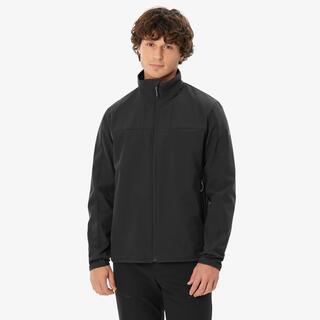
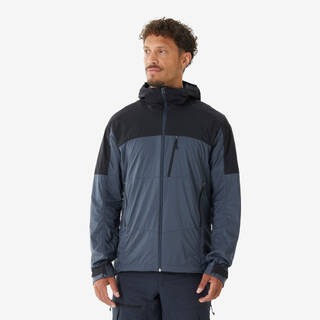
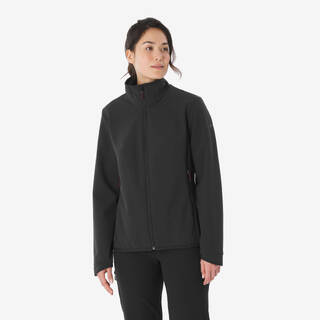
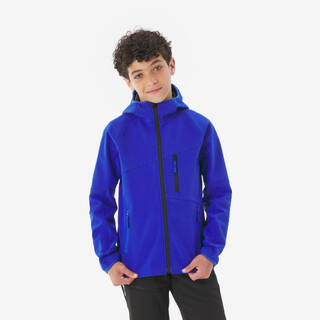

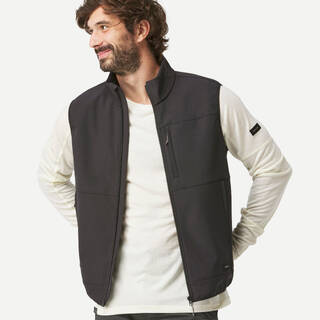
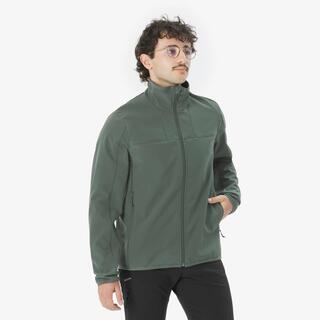
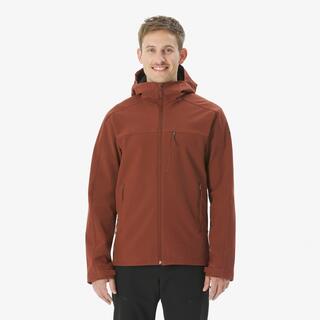

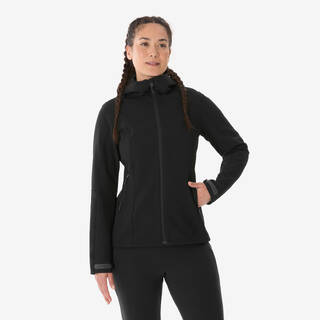

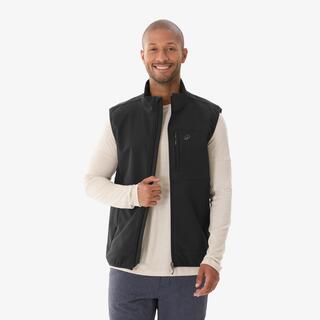
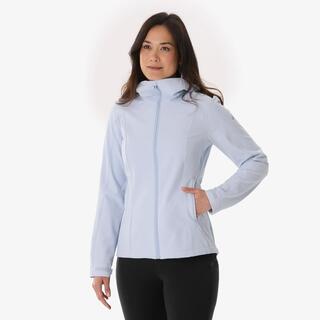
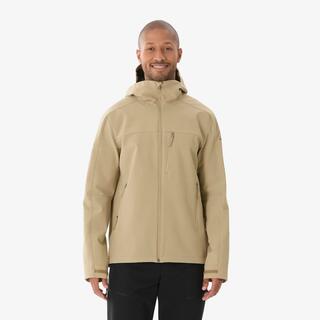
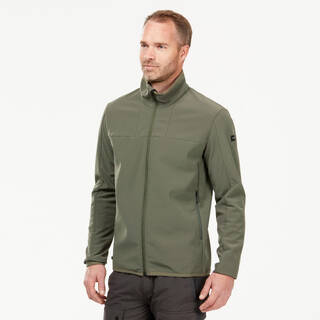
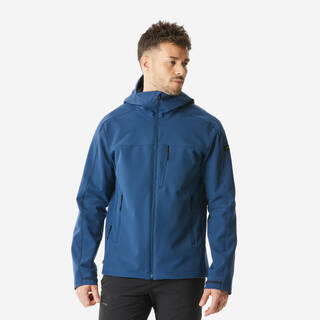
Technical Windbreaker Construction for High-Humidity Monsoon Runs and Urban Training
Windbreaker jackets engineered for Indian athletic conditions prioritize rapid moisture evacuation and wind resistance without thermal overload. Decathlon windbreakers deploy ripstop polyester weaves ranging from 80 to 110 GSM, balancing ultralight portability with tear resistance during trail brush contact or urban cycling commutes. These fabrics integrate DWR (Durable Water Repellent) coatings that bead light rain and morning dew, critical for pre-monsoon humidity spikes across Mumbai, Bangalore, and Chennai coastal training zones. The coatings resist water penetration up to 600mm hydrostatic head ratings, sufficient for drizzle protection but designed to breathe during high-output cardio efforts.
Windbreaker design centers on minimizing weight penalty while maximizing packability. Most models compress into integrated chest or hand pockets, occupying under 300 cubic centimeters when stowed. This compact footprint suits long-distance runners carrying race-day emergency layers or cyclists needing descent protection after high-altitude Himalayan climbs. Articulated raglan sleeves eliminate shoulder seam friction during repetitive arm swing, while elasticated cuffs and adjustable hem drawcords seal wind ingress at wrist and waist interfaces. Reflective logo placements and contrast piping enhance low-light visibility during early morning 5 AM urban road runs or evening park loops under inadequate street lighting.
Kalenji and Kiprun Windbreaker Technologies for Running Biomechanics and Thermal Regulation
Kalenji windbreakers target recreational joggers and fitness runners logging 20 to 40 km weekly mileage on concrete footpaths and asphalt roads. These jackets employ single-layer ripstop polyester at 90 to 100 GSM, prioritizing breathability over extended waterproofing. Mesh-lined back yokes and underarm ventilation panels accelerate sweat vapor diffusion during sustained aerobic efforts, preventing the clammy microclimate buildup common in non-breathable rain shells. Kalenji models feature straight-cut torsos that accommodate layering over technical tees or base layers without restrictive bunching, suitable for variable morning temperatures ranging from 12°C winter fog to 28°C summer humidity.
Kiprun windbreakers serve competitive marathon and half-marathon athletes requiring race-weight protection without compromising pace efficiency. These performance jackets drop to 70 to 85 GSM ultralight fabrics, shaving 40 to 60 grams compared to standard training windbreakers. Close-to-body ergonomic cuts reduce fabric flutter and aerodynamic drag at sustained speeds above 12 km/h, critical for maintaining sub-5-minute kilometer pacing during time trials or tempo workouts. Offset flatlock stitching eliminates raised seam ridges that cause nipple chafing or underarm abrasion over distances exceeding 15 km. Kiprun models integrate thumb loops that anchor sleeves during arm swing, preventing cuff ride-up and maintaining consistent wrist coverage against crosswinds on exposed lake perimeter routes or coastal promenades.
Quechua Hiking Windbreakers for High-Altitude UV Exposure and Variable Mountain Microclimates
Quechua windbreakers address the distinct thermal and environmental demands of Himalayan trekking, Western Ghats monsoon hikes, and high-plateau exploration above 3000 meters. These jackets utilize heavier 110 to 130 GSM ripstop polyester with reinforced shoulder and elbow zones that resist abrasion from backpack strap friction and rock scramble contact. DWR treatments achieve 800 to 1000mm hydrostatic head ratings, providing reliable protection against sudden afternoon thunderstorms and sleet exposure common in Ladakh, Spiti, and Uttarakhand high passes. Extended back hems offer additional coverage when wearing loaded trekking packs, preventing lower back exposure during steep ascent postures.
High-altitude windbreakers incorporate UPF 50+ UV blocking to counter intensified solar radiation at elevations where atmospheric filtration diminishes. This protection proves essential during multi-day treks across snowfields or exposed ridgelines where reflected UV from snow and rock surfaces doubles skin exposure risk. Quechua models feature adjustable hoods with reinforced peaks that maintain shape under sustained wind loading, critical for face protection during 40 to 60 km/h gusts encountered on alpine cols and mountain summits. Multiple zippered pockets secure trail essentials like GPS devices, energy gels, and trekking permits, with internal media ports allowing headphone routing without compromising jacket seal integrity.
Cycling-Specific Windbreaker Engineering for Aerodynamics and Visibility on Indian Roads
Cycling windbreakers from Triban and Van Rysel optimize aerodynamic efficiency and safety visibility for road cyclists, gravel riders, and urban commuters navigating mixed traffic conditions. These jackets employ dropped rear hems that extend 8 to 12 cm below the waist when riders adopt aggressive forward-leaning positions, preventing lower back exposure during high-cadence efforts. Elastic silicone gripper tape at hem edges anchors fabric against jersey pockets loaded with spare tubes, multi-tools, and nutrition, eliminating ride-up during out-of-saddle climbing or sprint accelerations.
Windbreaker fabrics for cycling prioritize wind resistance over moisture impermeability, recognizing that rider-generated airspeed creates the primary cooling challenge rather than rain penetration. Tightly woven 85 to 95 GSM polyester blocks wind chill during 30 to 50 km/h descents following mountain climbs or during flat time trial efforts, maintaining core temperature stability that prevents muscle cooling and performance degradation. Rear-panel reflective strips spanning shoulder blade to hip zones create vehicle-visible silhouettes under headlight illumination, critical for dawn and dusk riding on poorly lit rural highways and urban arterial roads. Rear zippered pockets maintain accessibility while wearing the jacket, allowing mid-ride fueling without stopping or compromising aerodynamic tuck positions.
Maintenance Protocols for DWR Coating Longevity and Fabric Breathability Restoration
Windbreaker performance degrades predictably when DWR coatings accumulate body oils, sunscreen residues, and airborne dust particles common in Indian urban and trail environments. Proper maintenance extends functional lifespan and preserves moisture-shedding properties. Machine wash windbreakers in cold water (below 30°C) using liquid detergent only, avoiding powder formulations that leave mineral deposits clogging fabric pores. Never use fabric softeners, which coat fibers and neutralize DWR chemistry, causing water to soak into fabric rather than bead on the surface.
Restore diminished water repellency through low-heat tumble drying (60°C maximum) or iron application on synthetic settings. Heat reactivates DWR molecular chains, redistributing coating compounds across fiber surfaces. For heavily used jackets showing persistent wetting after 30 to 40 wash cycles, apply spray-on or wash-in DWR treatments specifically formulated for synthetic fabrics. Air-dry windbreakers away from direct sunlight to prevent UV degradation of polyester fibers and elastic components. Store jackets loosely folded or hung rather than compressed long-term, which can damage waterproof coatings and create permanent crease lines that compromise wind resistance. Inspect zippers monthly, cleaning teeth with soft brushes to remove grit accumulation that causes premature slider failure.
Windbreaker Selection Criteria Across Training Intensities and Indian Seasonal Transitions
Selecting appropriate windbreaker specifications requires matching fabric weight, breathability, and packability to specific athletic applications and regional climate patterns. Ultralight 70 to 85 GSM models suit high-intensity interval training, tempo runs, and competitive racing where metabolic heat generation exceeds external cooling needs. These jackets provide wind protection during warm-up phases and post-workout cool-downs without causing overheating during peak effort intervals. Mid-weight 90 to 110 GSM windbreakers balance versatility for moderate-intensity steady-state cardio, recreational hiking, and variable weather touring where extended wear duration demands greater durability and slightly enhanced water resistance.
Indian seasonal transitions dictate windbreaker deployment patterns. Winter months (December through February) across North India see morning temperatures dropping to 8 to 15°C, requiring windbreakers as primary outer layers during early training sessions. Monsoon season (June through September) demands packable emergency shells stowed in running belts or cycling jersey pockets, deployed rapidly when sudden downpours interrupt workouts. Coastal regions experience year-round humidity requiring maximum breathability prioritization, while high-altitude stations need reinforced construction and extended coverage. Athletes training across multiple environments benefit from owning sport-specific models rather than attempting single-jacket solutions, recognizing that running biomechanics, cycling postures, and hiking load carriage each impose distinct fit and feature requirements.
FAQ (Frequently Asked Questions)
Q1. What is the difference between a windbreaker and a rain jacket?
While both windbreakers and rain jackets offer protection from the elements, they are designed for different purposes. A windbreaker is primarily designed to block wind and provide light water resistance, making it ideal for activities where breathability and freedom of movement are important. A rain jacket, on the other hand, is engineered to be fully waterproof and is better suited for heavy rain or prolonged exposure to wet conditions.
Q2. Can I wear a windbreaker jacket in cold weather?
Windbreaker jackets are designed to be lightweight and breathable, which means they may not provide sufficient insulation for extremely cold temperatures. However, many of our windbreakers feature light insulation or the option to layer with additional warm layers, making them suitable for cooler weather. For very cold conditions, it's best to opt for a dedicated insulated jacket or layer your windbreaker with warm base layers.
Q3. How do I choose the right size for a windbreaker jacket?
To ensure a proper fit, it's important to consult the size chart provided for each windbreaker jacket. Measure yourself according to the instructions and compare your measurements to the size guide. Keep in mind that windbreakers are designed to be worn over base layers, so you may want to size up slightly if you plan on layering underneath.
Q4. Are windbreaker jackets suitable for running or other high-intensity activities?
Yes, many of our windbreaker jackets are designed specifically for running and other high-intensity activities. These jackets feature highly breathable fabrics, moisture-wicking technologies, and a lightweight, streamlined design to allow for unrestricted movement and ventilation during exercise.
Q5. Can I pack a windbreaker jacket in my backpack or luggage?
Absolutely! Many of our windbreaker jackets are designed to be packable, making them easy to stow away in a backpack or luggage when not in use. Some jackets even come with their own compact carrying pouch or stuff sack for convenient storage and transportation.
Q6. How do I clean and maintain my windbreaker jacket?
Proper care and maintenance are essential for prolonging the life of your windbreaker jacket. Follow the specific care instructions provided with your jacket, as different materials and coatings may require different cleaning methods. In general, it's best to avoid washing too frequently, use a gentle cycle with mild detergent, and air-dry to preserve the jacket's water-repellent coatings and breathability.
Q7. Can I wear a windbreaker jacket in the rain?
While windbreaker jackets are designed to be water-resistant, they may not provide complete waterproof protection in heavy or prolonged rain. Many of our windbreakers feature water-repellent coatings or DWR (Durable Water Repellent) finishes that can withstand light rain or moisture, but for more extreme wet conditions, a dedicated rain jacket or waterproof shell may be more suitable.
Q8. What are some features to look for in a windbreaker jacket?
When choosing a windbreaker jacket, consider features like adjustable cuffs and hems to customize the fit, zippered pockets for secure storage, reflective accents for visibility in low-light conditions, and ventilation panels or mesh linings for enhanced breathability. Additionally, look for jackets with packable designs or stuff sacks for easy transportation.
Q9. Can I wear a windbreaker jacket for casual or everyday use?
Absolutely! While windbreaker jackets are designed for outdoor activities and sports, many of our styles are versatile enough for casual or everyday wear. With a range of colors, patterns, and silhouettes available, you can easily find a windbreaker that complements your personal style while providing practical protection and comfort.
Q10. How do I choose the right windbreaker jacket for my activity?
When selecting a windbreaker jacket, consider the specific activities you'll be using it for. For high-intensity activities like running or cycling, prioritize breathability, moisture-wicking properties, and a lightweight, streamlined design. For hiking or outdoor adventures, look for jackets with enhanced water resistance, adjustable features, and packable designs. For casual or everyday use, focus on style, comfort, and versatility.
Q11. What GSM fabric weight should I choose for running windbreakers in humid Mumbai or Chennai conditions?
Select 80 to 95 GSM ultralight ripstop polyester for maximum breathability in high-humidity coastal climates. Heavier fabrics above 100 GSM trap excess moisture during aerobic efforts, creating uncomfortable microclimate buildup. Prioritize models with mesh-lined back panels and underarm ventilation for enhanced sweat vapor evacuation during monsoon season training.
Q12. How do Kalenji windbreakers differ from Kiprun models for marathon training?
Kalenji windbreakers use 90 to 100 GSM fabrics with relaxed fits suited for recreational runners logging easy mileage and recovery runs. Kiprun models deploy race-weight 70 to 85 GSM construction with ergonomic cuts that reduce aerodynamic drag during tempo workouts and competitive events. Kiprun jackets feature offset flatlock stitching to prevent chafing over distances exceeding 15 km.
Q13. Can windbreakers handle Himalayan trekking conditions above 3500 meters elevation?
Quechua hiking windbreakers with 110 to 130 GSM ripstop polyester and 800 to 1000mm hydrostatic head ratings provide adequate protection for high-altitude trekking. Look for models with UPF 50+ UV blocking, reinforced shoulder zones for backpack compatibility, and adjustable hoods that maintain shape under sustained mountain winds. These jackets serve as mid-layer wind shells under insulated parkas during extreme cold exposure.
Q14. What maintenance steps restore water beading after 30 wash cycles?
Tumble dry windbreakers on low heat (60°C maximum) or apply iron on synthetic setting to reactivate DWR coatings. For persistent wetting issues, apply spray-on or wash-in DWR treatments formulated for synthetic fabrics. Always use liquid detergent and avoid fabric softeners, which permanently damage water-repellent surface chemistry.
Q15. Do cycling windbreakers fit differently than running models for the same chest size?
Yes. Cycling windbreakers feature dropped rear hems extending 8 to 12 cm lower to cover the lower back during forward-leaning riding positions, plus longer sleeves that maintain wrist coverage when arms extend to handlebars. Running windbreakers use straight-cut torsos optimized for upright posture and unrestricted arm swing. Always select sport-specific models rather than cross-applying designs.
Q16. How packable are ultralight windbreakers for carrying during long trail runs?
Ultralight 70 to 85 GSM windbreakers compress into integrated chest or hand pockets occupying under 300 cubic centimeters, roughly the size of a clenched fist. This compact footprint fits easily in running vests, hydration pack pockets, or race belts without noticeable weight penalty. Packability becomes critical for ultra-distance events or mountain runs where weather changes rapidly.
Q17. What hydrostatic head rating protects against sudden monsoon downpours during outdoor workouts?
Windbreakers with 600 to 800mm hydrostatic head ratings handle light to moderate rain for 20 to 40 minutes before saturation. For extended monsoon exposure, upgrade to 1000mm ratings found in Quechua hiking models. Remember windbreakers prioritize breathability over waterproofing, so they suit drizzle and wind protection rather than prolonged heavy rain scenarios requiring dedicated rain jackets.
Q18. Should I size up windbreakers to layer over winter running base layers and fleece?
Order your standard chest measurement size for windbreakers designed as outer shells. Modern articulated cuts accommodate one to two underlayers without restrictive bunching. Sizing up creates excess fabric that flutters during running arm swing and compromises aerodynamic efficiency during cycling. Test arm mobility by raising arms overhead and rotating shoulders to verify adequate range of motion.
Q19. How do reflective elements on windbreakers improve safety during early morning road runs?
Reflective logo placements, contrast piping, and rear-panel strips create vehicle-visible silhouettes under headlight illumination from distances exceeding 150 meters. This visibility proves critical on poorly lit urban roads and rural highways during 5 AM to 6:30 AM training windows. Position reflective elements across shoulder blades and lower back zones where vehicle approach angles maximize light reflection geometry.
Q20. Can I use the same windbreaker for both trail running in Lonavala and road cycling in Bangalore?
While possible, sport-specific models optimize performance. Trail running windbreakers prioritize abrasion resistance and packability with reinforced fabrics, while cycling models feature dropped rear hems, longer sleeves, and rear pockets accessible during riding. Athletes training seriously in both disciplines benefit from owning dedicated jackets that address distinct biomechanical requirements and equipment interfaces like hydration vests versus cycling jerseys.