Women Windbreaker Jackets

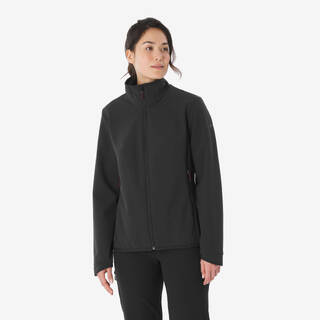

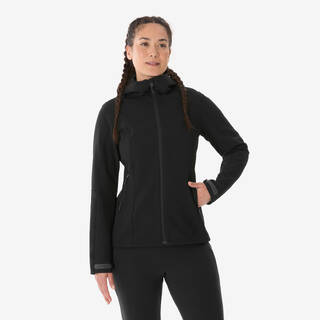

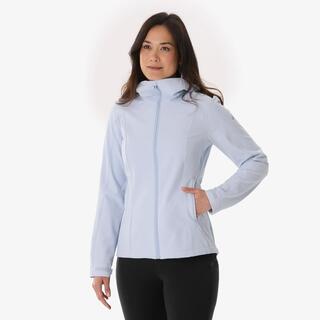
Engineered Wind Resistance and Breathable Membrane Technology for Indian Monsoon and High-Altitude Trails
Women's windbreaker jackets from Decathlon combine tightly woven ripstop polyester shells (typically 70D to 100D denier) with DWR (Durable Water Repellent) coatings that bead moisture during sudden monsoon squalls or early-morning Himalayan mist. The core engineering principle: block external wind chill while evacuating internal perspiration vapor. Quechua windbreakers deploy microperforated back panels and underarm mesh inserts to create cross-ventilation channels, preventing the clammy buildup common in non-breathable rain shells. This dual-function design matters when trekking through Uttarakhand's variable microclimates, where temperatures swing 15 degrees Celsius between shaded valleys and exposed ridges within a single hour.
Wind tunnel testing measures fabric air permeability in cubic feet per minute (CFM). Quality windbreakers register below 5 CFM, meaning gusts up to 40 km/h generate minimal convective heat loss against your baselayer. Seam construction also dictates durability. Flatlock stitching creates smooth internal joins that resist chafing during pack carry, while taped critical seams (collar, shoulder yoke, pocket zippers) block rain ingress without adding bulk. For urban cyclists commuting through Delhi's dust-laden winter winds or Bangalore's unpredictable evening showers, a packable windbreaker compressed into its own chest pocket becomes essential cargo, occupying less volume than a 500ml water bottle yet deploying full torso and arm coverage in under 10 seconds.
Ultralight Packability and GSM Fabric Weights for Multi-Activity Versatility Across Running, Hiking, and Cycling
Fabric weight directly governs packability and thermal regulation. Decathlon's women's windbreakers span three GSM (grams per square meter) categories. Ultralight racing shells clock in at 60 to 80 GSM, using calendered nylon that folds into a fist-sized bundle, ideal for marathon runners carrying emergency weather protection during long training runs on exposed Marine Drive promenades or Nandi Hills loops. Mid-weight trail jackets range from 90 to 120 GSM, incorporating slightly thicker polyester blends that withstand abrasion from granite boulders and thorny scrub vegetation common in Western Ghats trekking routes. Heavier expedition windbreakers reach 140 to 160 GSM, integrating partial fleece linings or grid-backed insulation for high-altitude camps above 3,500 meters where nighttime temperatures plummet below freezing even during summer months.
Packability translates to real-world convenience. A 70 GSM Kalenji windbreaker compresses into a 12cm x 8cm stuff sack, fitting inside a running vest's rear pocket without bounce or chafing. Heavier Quechua models include elasticated hem cords and adjustable cuffs with hook-and-loop tabs, allowing precise fit adjustments when layering over thermal baselayers or under hardshell rain jackets. The key engineering balance: sufficient fabric density to block wind penetration (measured via air permeability tests) while maintaining sub-300-gram total jacket weight for all-day carry comfort. For women tackling multi-day Himalayan treks like Hampta Pass or Kedarkantha, this weight-to-protection ratio becomes critical when every gram in a 50-liter backpack compounds fatigue over 15-kilometer daily ascents.
Anatomical Fit Profiles and Articulated Patterning for Female-Specific Biomechanics During High-Output Activities
Generic unisex windbreakers create pressure points and restricted shoulder mobility because they ignore female-specific torso proportions. Decathlon's women's windbreakers deploy dart shaping at the waist and princess seam lines that follow natural body contours without excess fabric bunching. Raglan or set-in sleeve construction determines arm mobility. Raglan sleeves (where the seam runs diagonally from underarm to collar) eliminate shoulder-top seams that chafe under backpack straps, making them superior for trekking and trail running. Set-in sleeves provide a more tailored urban aesthetic for cycling commutes or gym sessions, though they slightly restrict overhead reach during rock scrambling or high-step maneuvers on steep trail sections.
Articulated elbow patterning adds pre-curved fabric panels that match the natural 15-degree arm bend during running cadence or handlebar grip. This eliminates the fabric tension that pulls jacket hems upward when arms swing forward, exposing the lower back to wind chill. Adjustable features matter equally. Two-way front zippers allow bottom venting during high-exertion climbs while maintaining chest wind protection. Elastic drawcord hems with cord locks prevent jacket ride-up when wearing a hydration pack or climbing harness. For Indian women athletes ranging from 5'0" to 5'10" in height, Decathlon offers XS through XXL sizing with specific torso length adjustments, ensuring proper coverage from collar to hip without excessive sleeve length that bunches at wrists or inadequate back length that exposes skin during forward bends.
Reflective Safety Elements and Low-Light Visibility Standards for Urban Running and Cycling in Indian Traffic Conditions
Early-morning runners navigating poorly lit residential streets or evening cyclists commuting through high-traffic arterial roads face genuine visibility hazards. Quality windbreakers integrate 3M Scotchlite or equivalent retroreflective tape strips positioned at key sightlines: across shoulder blades, down forearm sleeves, and along lower back hems. These reflective elements bounce vehicle headlights back toward drivers from distances exceeding 150 meters, providing critical reaction time in dense urban traffic scenarios common in Mumbai, Pune, or Hyderabad. Reflective logo placements on chest and back panels add secondary visibility markers without compromising the jacket's packability or adding weight.
Fluorescent color options (safety yellow, neon orange, bright pink) enhance daytime visibility during monsoon's reduced-contrast gray skies or dust-haze conditions prevalent in North Indian winters. The science: fluorescent pigments convert invisible UV light into visible wavelengths, making the wearer appear brighter than surrounding environments even in flat midday light. For women running alone during dawn or dusk hours, this combination of retroreflective tape and fluorescent base fabric creates 360-degree visibility coverage. Decathlon's Kalenji and Kiprun windbreakers specifically engineer these safety features into lightweight shells, ensuring protection doesn't require sacrificing the sub-200-gram weight targets essential for competitive training runs or fast-paced interval sessions on track ovals and road loops.
Moisture Management and Quick-Dry Polyester Constructions for High-Humidity Coastal and Monsoon Training Environments
Coastal cities like Chennai, Kochi, and Goa maintain 80-plus percent relative humidity year-round, creating challenging moisture management demands. Windbreakers using hydrophobic polyester yarns (treated with silicone or fluoropolymer finishes) actively repel external moisture while wicking internal perspiration vapor outward through the fabric's capillary structure. This bidirectional moisture control prevents the soggy, clingy sensation that occurs when sweat condenses against non-breathable nylon shells. Quick-dry performance matters during multi-hour activities. A quality 90 GSM polyester windbreaker dries completely within 45 to 60 minutes when hung in ambient airflow, compared to 3-plus hours for cotton-blend alternatives.
Mesh lining panels (typically diamond or hexagonal grid patterns) create air gaps between shell fabric and skin, accelerating evaporative cooling during high-output trail runs or cycling intervals. Strategic mesh placement along the spine, underarms, and side panels targets the body's primary sweat zones, where eccrine gland density reaches 200-plus glands per square centimeter. For women training through Mumbai's oppressive pre-monsoon heat (35 degrees Celsius with 90 percent humidity) or Bangalore's sudden afternoon thunderstorms, this engineered ventilation prevents core temperature spikes that degrade endurance performance. Quechua windbreakers integrate these moisture management systems across their hiking and trekking lines, while Kalenji models optimize ventilation for running-specific biomechanics and higher metabolic heat generation rates during sustained aerobic efforts above lactate threshold intensities.
Functional Pocket Configurations and Secure Storage Solutions for Trail Essentials, Electronics, and Nutrition During Extended Outdoor Sessions
Pocket engineering separates functional outdoor windbreakers from basic fashion shells. Zippered chest pockets sized for smartphones (accommodating devices up to 6.5-inch screens) keep electronics secure during trail running's repetitive vertical oscillation or mountain biking's rough-terrain vibration. Internal mesh drop pockets provide organized storage for energy gels, electrolyte tablets, or small first-aid supplies without external bulk that snags on vegetation. Handwarmer pockets with brushed tricot linings offer thermal refuge during cold-weather training, while zippered closures prevent contents from bouncing out during dynamic movements like rock scrambling or high-knee trail climbs.
Rear kangaroo pockets with elasticated openings create quick-access storage for packable items like buff neck gaiters, lightweight gloves, or trail maps, positioning weight at the lower back where it minimally affects running biomechanics. For cyclists, side-entry hand pockets angled at 20 degrees allow access while maintaining handlebar grip, eliminating the need to stop for nutrition or phone retrieval during long road rides. Decathlon's Quechua trekking windbreakers include internal security pockets with RFID-blocking fabric panels, protecting passport and credit card data during international Himalayan expeditions or crowded urban trail access points. These storage solutions transform a simple wind shell into a self-sufficient activity system, reducing reliance on additional packs or belt storage that adds bounce, chafing, and cumulative fatigue during 3-plus hour outdoor training sessions across variable Indian terrain and weather conditions.
FAQ (Frequently Asked Questions)
Q1. What is the difference between a windbreaker and a rain jacket?
A windbreaker jacket is primarily designed to protect against wind, while a rain jacket is specifically engineered to keep you dry in wet conditions. Windbreakers are typically more lightweight and breathable, while rain jackets offer superior waterproofing capabilities.
Q2. Can I wear a windbreaker jacket during physical activities?
Absolutely! Many of our women's windbreaker jackets are designed with breathable and moisture-wicking fabrics, making them suitable for activities like running, hiking, and other outdoor pursuits. Look for jackets with ventilation panels and mesh linings for optimal airflow.
Q3. How do I determine the right size for a windbreaker jacket?
To ensure a proper fit, carefully review the size chart provided for each jacket. Take accurate measurements of your bust, waist, and hips, and compare them to the size guide. It's also recommended to try on the jacket and move around to ensure unrestricted movement.
Q4. Can I wear a windbreaker jacket in cold weather?
Windbreaker jackets are designed to provide protection against wind and light precipitation, but they may not offer sufficient insulation for extremely cold temperatures. For colder conditions, consider layering your windbreaker with a warm base layer or insulated jacket.
Q5. How do I clean my windbreaker jacket?
Always refer to the care instructions provided with your specific jacket. In general, windbreakers can be machine-washed on a gentle cycle with mild detergent. Avoid using fabric softeners or bleach, as they can damage the jacket's coatings and breathability.
Q6. Do windbreaker jackets have pockets?
Many of our women's windbreaker jackets feature pockets for convenient storage of small essentials like keys, phones, or snacks. However, the number and placement of pockets may vary depending on the specific jacket design and intended use.
Q7. Can I wear a windbreaker jacket for casual everyday use?
Absolutely! While windbreaker jackets are designed for outdoor activities, many of our styles are versatile enough for casual everyday wear. They offer a lightweight and comfortable option for running errands, commuting, or simply staying protected from the elements.
Q8. How do I choose the right windbreaker jacket for my activity?
Consider the specific demands of your intended activity. For high-intensity activities like running or hiking, prioritize jackets with superior breathability and moisture-wicking properties. For casual wear or light outdoor activities, a more basic windbreaker may suffice.
Q9. Do windbreaker jackets come with hoods?
Many of our women's windbreaker jackets feature adjustable hoods for added protection against wind and light precipitation. However, some styles may be designed without hoods for a more minimalist look or specific activity requirements.
Q10. Can I find windbreaker jackets in different colors and patterns?
Absolutely! At Decathlon, we offer a wide range of colors and patterns for our women's windbreaker jackets. From bold and vibrant hues to subtle and neutral tones, you can easily find a jacket that complements your personal style and preferences.
Q11. What GSM fabric weight should I choose for running versus trekking in Indian conditions?
For running and high-output activities, select 60 to 90 GSM ultralight windbreakers that pack into palm-sized bundles and provide emergency wind protection without overheating during sustained aerobic efforts. Trekking and hiking demand 100 to 140 GSM mid-weight shells with enhanced abrasion resistance against rocky terrain and thorny vegetation common in Himalayan and Western Ghats trails. Heavier fabrics offer better durability for multi-day expeditions but sacrifice packability and breathability during high-exertion climbs.
Q12. How do I determine the correct size for a women's windbreaker when layering over thermal baselayers?
Measure your chest circumference over your thickest intended baselayer, then add 8 to 10 cm for mobility allowance. Decathlon's size charts list actual garment measurements, not body measurements. Check sleeve length by extending your arm forward at shoulder height; the cuff should reach your wrist bone without bunching. For trekking with backpacks, ensure shoulder seams sit slightly outboard of your natural shoulder point to prevent strap pressure points during long carries.
Q13. Can windbreaker jackets handle monsoon rain or do I need a separate waterproof shell?
Windbreakers with DWR coatings resist light drizzle and brief showers for 20 to 40 minutes, but they lack the taped seams and waterproof membrane (measured in mm hydrostatic head ratings) required for sustained monsoon downpours. For serious rain protection during multi-hour treks, layer a waterproof hardshell over your windbreaker or choose a dedicated rain jacket with 5,000mm-plus waterproof ratings. Windbreakers excel as packable emergency layers and wind-chill blockers, not primary rain defense.
Q14. What's the difference between Quechua and Kalenji windbreakers for women?
Quechua windbreakers prioritize trekking and hiking durability with reinforced ripstop fabrics (90 to 140 GSM), abrasion-resistant shoulder panels for backpack carry, and multiple secure pockets for trail essentials. Kalenji models target running-specific needs with ultralight 60 to 80 GSM shells, enhanced ventilation mesh panels, reflective safety elements for low-light urban training, and minimal pocket configurations to reduce bounce. Choose Quechua for multi-day mountain treks and Kalenji for road running, track intervals, and fast-paced trail runs.
Q15. How do I maintain DWR water repellency after multiple washes?
Wash windbreakers in cold water with technical fabric detergent (avoid fabric softeners which clog DWR coatings), then tumble dry on low heat or iron on synthetic setting. Heat reactivates the DWR's hydrophobic properties, restoring water-beading performance. After 15 to 20 washes, apply spray-on or wash-in DWR treatment products specifically formulated for synthetic fabrics. Proper care extends effective water repellency for 2 to 3 years of regular use across Indian monsoon and high-humidity coastal training environments.
Q16. Are women's windbreakers suitable for high-altitude Himalayan treks above 4,000 meters?
Windbreakers serve as mid-layer wind protection under insulated down or synthetic jackets at extreme altitudes, but they lack sufficient thermal insulation as standalone shells above 3,500 meters where temperatures drop below freezing. Choose 120 to 160 GSM models with partial fleece linings for shoulder-season treks (April to June, September to November) between 2,500 and 4,000 meters. For winter expeditions or high passes, layer your windbreaker between a merino baselayer and a 600-fill-plus down jacket for optimal wind blocking and thermal regulation.
Q17. Do windbreaker jackets provide UV protection for high-altitude or plateau training?
Tightly woven polyester and nylon fabrics inherently block 95-plus percent of UV radiation due to their dense fiber structure, providing UPF 30 to 50-plus protection ratings. This matters during Himalayan treks or Ladakh cycling routes where UV intensity increases 10 to 12 percent per 1,000-meter elevation gain. Darker colors (navy, black, forest green) absorb more UV than light colors but also retain more heat. For maximum sun protection during high-altitude activities, combine your windbreaker with broad-spectrum sunscreen on exposed face and neck areas.
Q18. Can I use a running windbreaker for cycling commutes in Bangalore or Pune traffic?
Yes, but verify the jacket includes retroreflective elements on back and sleeve panels for vehicle visibility, plus a longer drop-tail hem that covers your lower back when leaning forward into cycling posture. Running windbreakers optimized for upright posture may ride up when bent over handlebars. Cycling-specific features like silicone gripper hems, rear zippered pockets accessible while riding, and articulated elbow bends enhance comfort during extended commutes through urban traffic and variable weather conditions.
Q19. How packable are Decathlon women's windbreakers compared to premium outdoor brands?
Decathlon's 60 to 90 GSM ultralight windbreakers compress into integrated stuff sacks measuring 10 to 15 cm diameter, matching or exceeding the packability of premium brands at significantly better value ratios. The key metric: packed volume relative to coverage area. A 200-gram windbreaker occupying 0.5 liters of pack space delivers full torso and arm wind protection, making it among the highest protection-to-volume ratios available for Indian trail runners, trekkers, and cyclists managing limited backpack capacity during multi-day adventures.
Q20. What temperature range are women's windbreakers effective for in Indian climates?
Windbreakers function optimally between 12 and 25 degrees Celsius when worn over technical baselayers, blocking convective heat loss from wind chill while preventing overheating during aerobic activities. Below 12 degrees, add mid-layer insulation (fleece or synthetic fill). Above 25 degrees, windbreakers serve as sun and dust protection during early-morning starts or emergency weather changes rather than primary thermal layers. For year-round Indian use, a single 90 to 110 GSM windbreaker handles Himalayan summer treks, monsoon trail running, and winter cycling across most regional climate zones.