Outdoor Camo Clothing


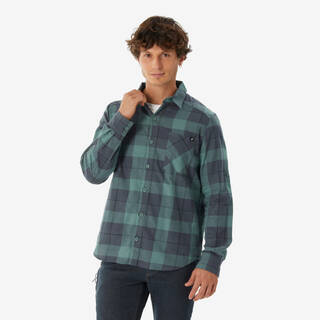
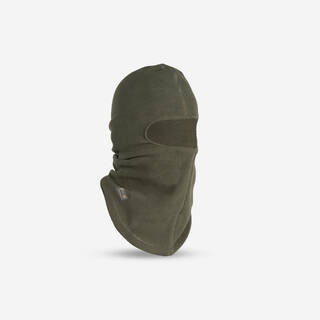
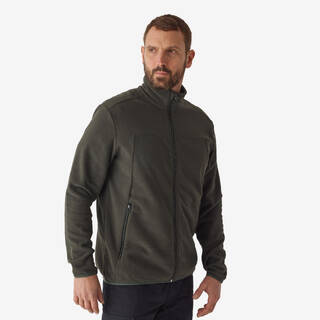
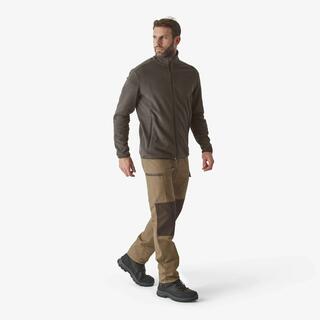
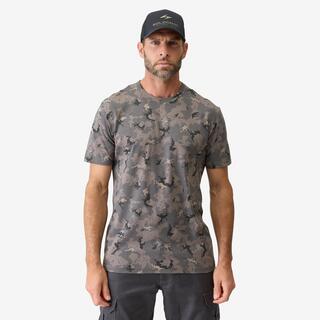
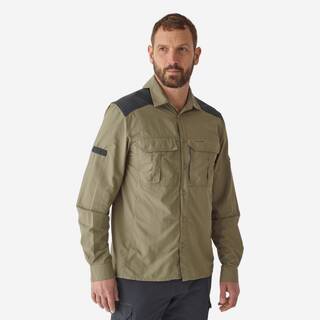
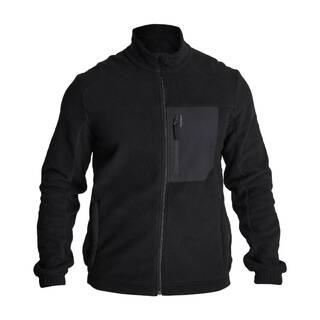
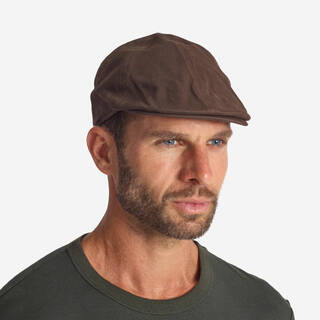
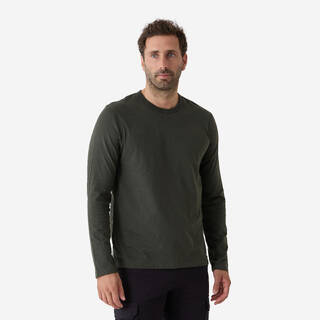
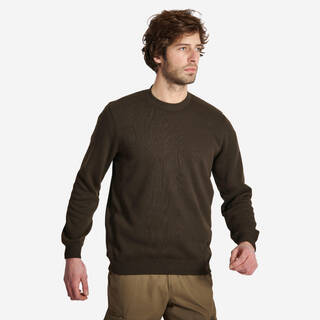
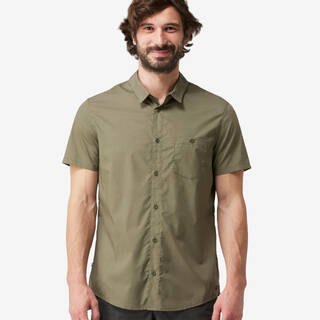
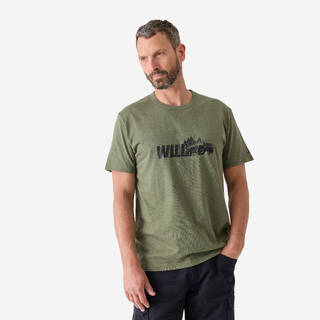

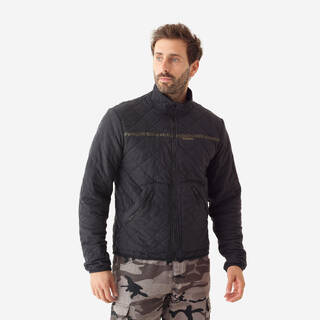
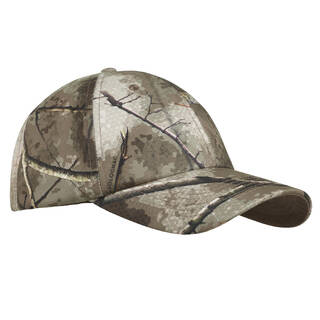
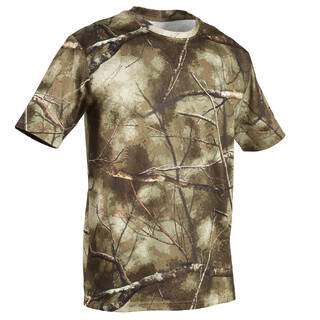
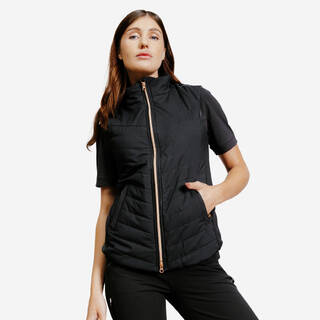
Solognac Outdoor Camo Clothing: Engineered Concealment for Indian Hunting, Wildlife Photography, and Forest Observation
Outdoor camo clothing from Decathlon's Solognac range delivers pattern-specific concealment engineered for Indian forest biomes, grassland stalking, and high-altitude wildlife observation. These garments deploy multi-layer digital camouflage patterns calibrated to break human silhouette against sal forests, teak plantations, dry deciduous scrubland, and alpine rhododendron zones. Core technologies include noise-dampening brushed polyester faces (180-200 GSM weight) that eliminate rustle during slow stalking movements, reinforced ripstop panels at high-abrasion zones (elbows, knees, seat), and scent-control treatments that reduce human odor signature in low-wind conditions.
Solognac camo systems address the specific challenges of Indian terrain observation. Furtiv 500 patterns use fractal edge disruption optimized for 15 to 50-meter observation distances in mixed canopy environments. Island 500 patterns incorporate lighter earth tones calibrated for open grassland and wetland periphery concealment. Garment construction prioritizes silent movement through articulated elbow and knee gussets, eliminating fabric tension noise during crouched positions or prone crawling. Moisture management becomes critical during monsoon observation sessions, with hydrophobic DWR coatings shedding light rain while maintaining breathability to prevent internal condensation buildup during stationary wait periods in humid forest microclimates.
Technical Fabric Architecture: Ripstop Durability, Thermal Regulation, and Multi-Season Layering Systems
Camo clothing fabric engineering balances concealment effectiveness with durability against thorny acacia scrub, lantana thickets, and sharp granite outcrops common in Indian wildlife reserves. Base fabrics use 65/35 polyester-cotton blends (160-180 GSM) offering superior tear resistance compared to pure cotton while maintaining natural fiber breathability. Ripstop grid reinforcement at 5mm intervals prevents catastrophic tear propagation when snagged on wait machan structures or barbed wire fencing. High-wear zones incorporate double-layer construction with internal abrasion shields at knees, elbows, and shoulder carry points where camera bags or rifle slings create repetitive friction.
Thermal management spans India's extreme temperature range from 5°C high-altitude winter observation to 42°C summer grassland patrols. Lightweight camo shirts (100-120 GSM) use open-weave polyester with mesh ventilation panels under arms and across upper back, enabling convective cooling during midday movement. Insulated camo jackets layer 80g/m² synthetic fill between shell and lining, providing core warmth during pre-dawn observation sessions without bulk that restricts shooting or photography positions. Modular systems allow hunters and photographers to combine base camo layers with fleece mid-layers and waterproof outer shells, adapting to shifting weather across multi-day forest expeditions.
Pattern-Specific Concealment: Furtiv 500 Forest Systems vs Island 500 Grassland Optimization
Furtiv 500 camo patterns deploy vertical disruption elements mimicking sal and teak bark striations, optimized for concealment in dense Indian deciduous forests where vertical tree trunks dominate sightlines. The pattern incorporates dark browns, charcoal grays, and olive greens in irregular macro-blotches (15-25cm diameter) that break human outline at typical wildlife observation distances of 20 to 60 meters. Micro-texture overlays add leaf litter and branch shadow simulation, effective when stationary against tree trunks or within ground blinds constructed from natural forest debris.
Island 500 patterns shift to horizontal disruption with lighter khaki, sand, and dried grass tones calibrated for open terrain concealment in Terai grasslands, wetland edges, and agricultural field boundaries. The pattern uses smaller element sizes (8-15cm) with higher contrast edges to fragment silhouette against low vegetation and sky backgrounds. This becomes critical for waterfowl observation in shallow jheel margins or crop field surveillance where vertical cover is minimal. Both pattern families incorporate UV-dulling treatments, as many prey species perceive ultraviolet wavelengths that create unnatural brightness in standard fabrics under direct sunlight.
Functional Design Elements: Silent Closures, Reinforced Carry Points, and Scent-Control Integration
Functional hardware on Solognac camo garments eliminates metallic noise sources that alert wildlife during approach or position shifts. Zipper pulls use rubberized coatings to prevent metal-on-metal contact, while pocket closures deploy magnetic snap systems or silent hook-and-loop strips rather than loud plastic buckles. Cargo pocket placement positions weight low on thighs rather than hip level, preventing sway and fabric rustle during walking. Reinforced bar-tack stitching at pocket corners handles the load of rangefinders, GPS units, or ammunition without tearing under repetitive access cycles.
Scent control treatments apply activated carbon microparticle coatings to inner fabric surfaces, adsorbing human volatile organic compounds (sweat acids, skin oils) before they permeate outward. While not eliminating scent entirely, these treatments reduce detection radius in low-wind conditions typical of early morning observation windows. Garment care becomes critical, as detergent residues and fabric softeners reintroduce artificial scents. Solognac recommends cold-water washing with scent-free detergents and air-drying away from urban pollution sources. Storage in sealed containers with natural earth scent wafers maintains scent-neutral state between field sessions.
Sizing, Fit Profiles, and Layering Compatibility for Extended Field Operations
Camo clothing sizing follows relaxed athletic cuts with additional ease through chest and shoulders to accommodate layering and unrestricted shooting or camera operation positions. Jackets provide 8-10cm of additional chest circumference compared to standard Decathlon apparel sizes, critical when layering over fleece mid-layers during cold-weather observation. Sleeve lengths extend 2-3cm beyond standard measurements, ensuring wrist coverage when arms are extended for binocular or rifle positioning. Articulated elbows use pre-bent sleeve construction, eliminating fabric bunching when holding prone positions for extended periods.
Pant designs incorporate gusseted crotches and articulated knees, enabling deep squatting and kneeling without fabric strain or noise. Adjustable waist systems use internal elastic panels rather than external belts, maintaining slim profile and preventing equipment snagging. Hem adjustments via internal drawcords or snap tabs allow precise boot integration, preventing fabric flap that creates noise or snags on undergrowth. Tall hunters benefit from extended inseam options, while shorter builds use hemming without compromising reinforced knee panel placement. Fit testing should simulate actual field positions: prone shooting, crouched stalking, and overhead branch clearing movements.
Care, Maintenance, and Field Repair for Multi-Season Durability in Harsh Indian Environments
Proper maintenance extends camo garment lifespan across multiple hunting or observation seasons in abrasive Indian forest conditions. Post-field cleaning removes thorn fragments, grass seeds, and mud deposits that accelerate fabric wear. Cold-water machine washing on gentle cycles preserves DWR coatings and scent-control treatments, while hot water degrades both. Air-drying prevents heat-induced shrinkage and maintains fabric hand. Periodic DWR reapplication using spray-on treatments restores water-shedding performance after 15-20 wash cycles or heavy monsoon exposure.
Field repair kits should include ripstop repair tape for immediate tear patching, preventing small snags from expanding into large rips during multi-day expeditions. Seam failures at high-stress points (pocket corners, zipper terminations) can be field-stitched using heavy-duty thread and curved needles carried in gear packs. Zipper maintenance involves periodic silicone lubricant application to prevent dirt-induced jamming. Storage in breathable garment bags rather than plastic bins prevents mildew growth during monsoon off-seasons. Inspect garments before each season for UV-induced fabric degradation, particularly in shoulder and back panels that receive maximum sun exposure during stalking.
FAQ (Frequently Asked Questions)
Q1. Which camo pattern works best for deer observation in central Indian sal forests versus grassland wildlife photography?
Furtiv 500 patterns with vertical brown and gray disruption elements provide superior concealment in sal and teak forests where tree trunks dominate backgrounds. Island 500 patterns with horizontal khaki and dried grass tones perform better in open Terai grasslands and wetland edges. Match pattern to dominant vegetation structure at your primary observation location.
Q2. What GSM fabric weight balances durability and breathability for all-day wear in 35°C summer conditions?
Lightweight camo shirts in 100-120 GSM polyester blends offer best breathability for hot-weather stalking, with mesh ventilation panels enabling airflow. Heavier 180-200 GSM jackets suit early morning and evening observation when temperatures drop, or provide thorn protection in dense scrub. Layer systems allow adaptation across daily temperature swings.
Q3. How do I maintain scent-control effectiveness after multiple washes and field sessions?
Wash camo garments in cold water with scent-free detergents, avoiding fabric softeners that introduce artificial odors. Air-dry away from urban pollution and store in sealed containers with natural earth scent wafers. Scent-control treatments reduce but do not eliminate human odor, so combine with wind direction awareness and approach planning.
Q4. Can Solognac camo clothing handle thorny lantana and acacia scrub without tearing?
Ripstop grid reinforcement at 5mm intervals and double-layer construction at high-wear zones provide good thorn resistance. Expect surface snags in dense lantana thickets, but ripstop architecture prevents small tears from expanding. Carry ripstop repair tape for immediate field patching of any punctures.
Q5. What size should I choose if I plan to layer fleece underneath for high-altitude winter observation?
Select one size larger than your standard Decathlon apparel size to accommodate mid-layer fleece without restricting arm movement. Camo jackets already include 8-10cm additional chest ease, but sizing up ensures comfortable layering and unrestricted shooting or camera operation positions during cold-weather sessions.
Q6. Do camo patterns lose effectiveness after prolonged UV exposure in open terrain?
UV exposure gradually fades darker pattern elements, reducing contrast and concealment effectiveness after 80-100 full sun exposure days. Shoulder and back panels fade fastest. Inspect garments each season and retire heavily faded pieces to backup status. UV-dulling treatments also degrade, requiring periodic reapplication for species with UV vision.
Q7. How silent are Solognac camo fabrics during slow stalking through dry leaf litter?
Brushed polyester faces (180-200 GSM) significantly reduce rustle compared to nylon shells, but no fabric is completely silent in dry conditions. Articulated joints and gusseted construction minimize fabric tension noise during movement. Practice slow, deliberate steps and pause frequently to allow sound dissipation in low-wind conditions.
Q8. Can I use the same camo clothing for both hunting and wildlife photography, or are there functional differences?
Core concealment and durability features work equally for both activities. Photographers may prefer additional cargo pocket capacity for lens caps and memory cards, while hunters prioritize reinforced shoulder patches for rifle carry. Both benefit from silent closures, scent control, and articulated fit for extended stationary observation periods.
Q9. What is the waterproof performance of camo jackets during sudden monsoon showers in forest environments?
DWR-treated camo jackets shed light rain and morning dew for 30-45 minutes but are not fully waterproof. For extended monsoon observation, layer a separate waterproof shell over camo garments. DWR coatings require reapplication after 15-20 washes to maintain water-shedding performance. Breathable construction prevents internal condensation during humid conditions.
Q10. How do I prevent camo garments from picking up and retaining strong cooking smoke or vehicle fuel odors before field sessions?
Store camo clothing in sealed plastic bins or garment bags away from kitchens and vehicle storage areas. Transport to field locations in separate sealed bags, changing into camo only at trailheads. If odors penetrate fabric, re-wash with scent-free detergent and air-dry in clean outdoor environments for 24-48 hours before use.